
Pile Driving

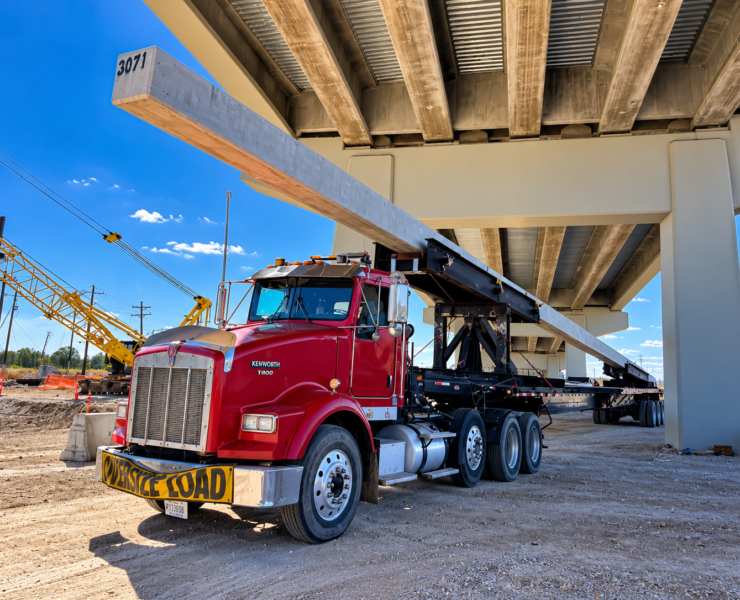
Low-speed offtracking occurs when a trailer’s rear wheels follow a path inside the path of the tractor during a turn. Steering the rear axle group gives the transport team greater control over that travel path. Photo Credit: Pile Beam and Bridge Transport
How Steerable Trailer Systems Move Long Piles and Bridge Beams Through Tight Routes

Moving a long pile or bridge beam is not simply a heavier version of ordinary…
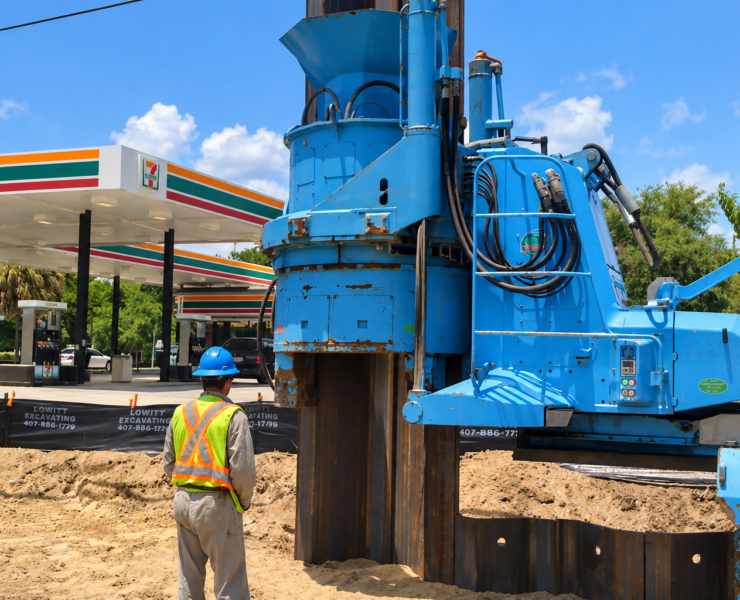
OSHA requires the estimated locations of underground utilities to be determined before excavation begins. Their exact locations must be established by safe and acceptable means as work approaches them. Photo Credit: Blue Iron Foundations & Shoring, LLC
Sheet Pile Installation Near Existing Utilities and Active Facilities: Controlling Vibration, Settlement, and Disruption

Sheet pile walls can provide excavation support, earth retention, and groundwater control where construction must…
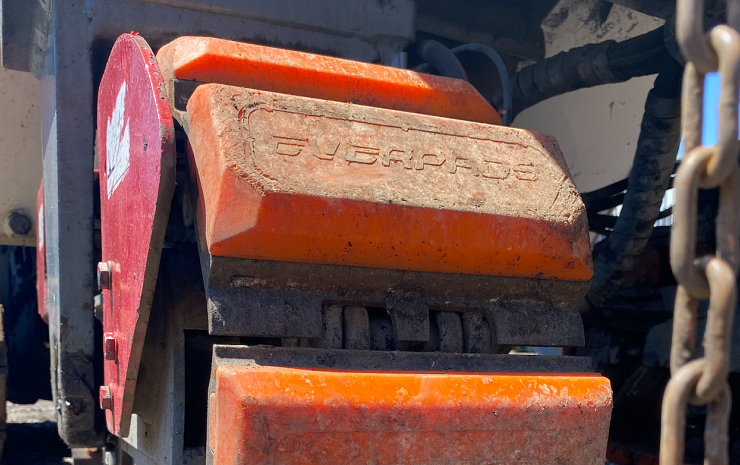
INTERVIEW: Everpads

Pile Buck speaks with EVERPADS, a construction replacement-parts specialist built on more than 90 years…
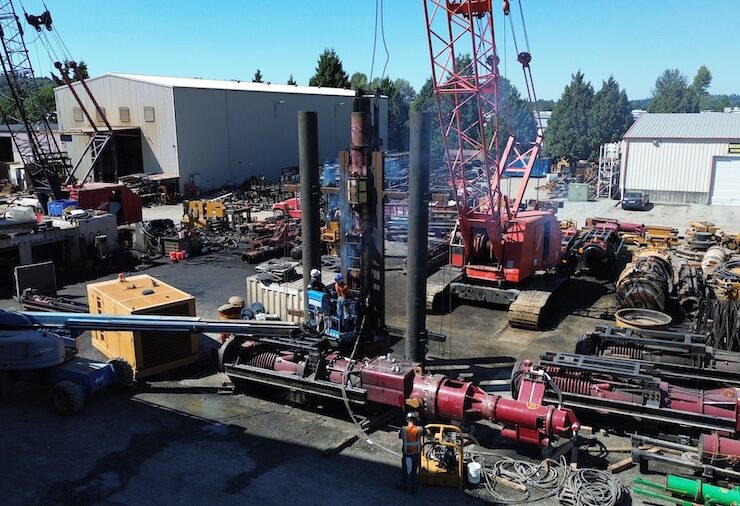
20 Essential Tips for Safe and Efficient Diesel Pile Hammer Operation

View the complete article here. Diesel hammers remain one of the most reliable and powerful…
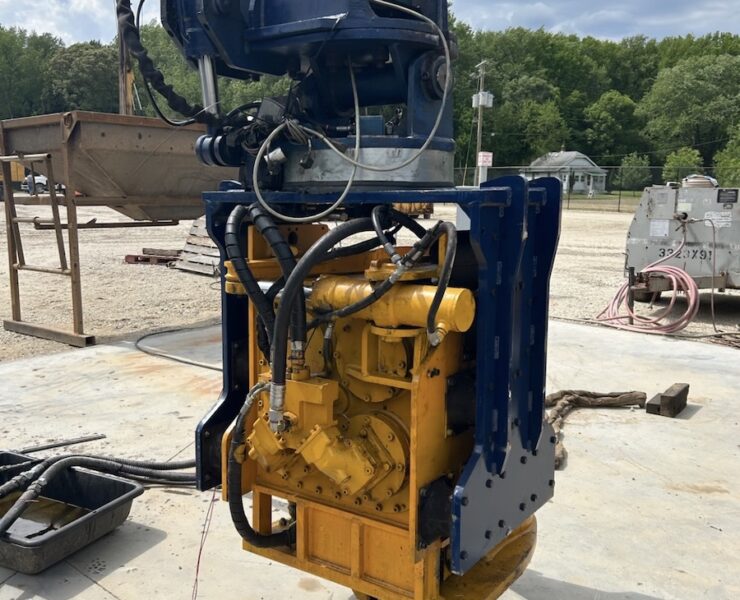
Hammer-Specific Maintenance Schedules: How to Maximize Pile Driving Uptime and Avoid Costly Mistakes

View the complete article here. Pile driving is a high-production, high-stakes operation where every hour…
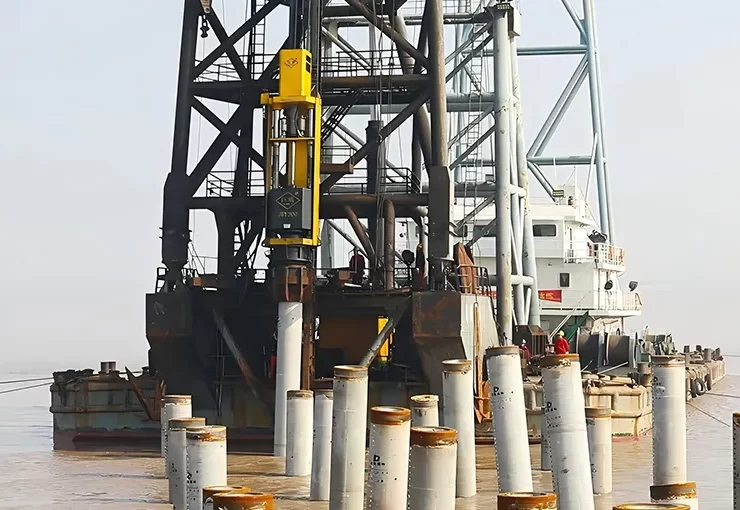
Pile hammers install deep foundations by delivering repeated impact energy that pushes piles into the ground. The amount of energy delivered affects penetration speed and final pile capacity. Photo Credit: JUWEl Machinery
How Engineers Choose the Right Pile Hammer for Different Soil Conditions

Pile driving is one of the most widely used techniques for installing deep foundations in…
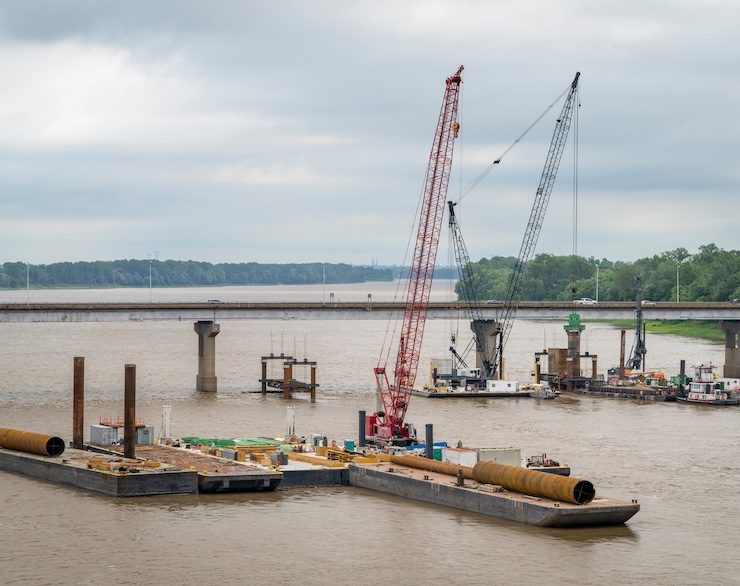
10 Hard Truths About Pile Driving in the Private and Public Sectors

View the complete article here. Pile driving may look the same on the surface—big hammers…
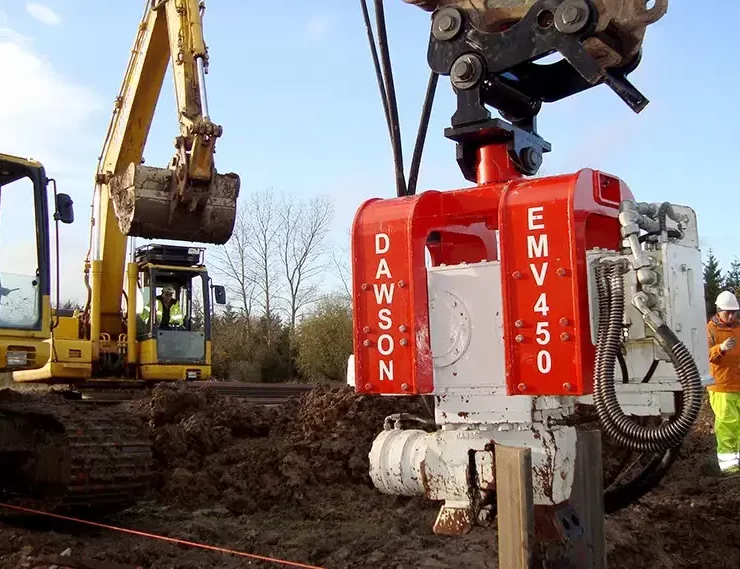
Renting pile installation equipment is often more cost-effective for short-duration or highly variable projects where future workload is uncertain. It allows contractors to avoid upfront capital costs, long-term storage, and depreciation risk. Photo Credit: Pajot
When Renting or Buying Pile Installation Equipment Makes Sense for Different Project Types

Pile installation projects vary widely in duration, access, pile type, and site constraints. Because of…
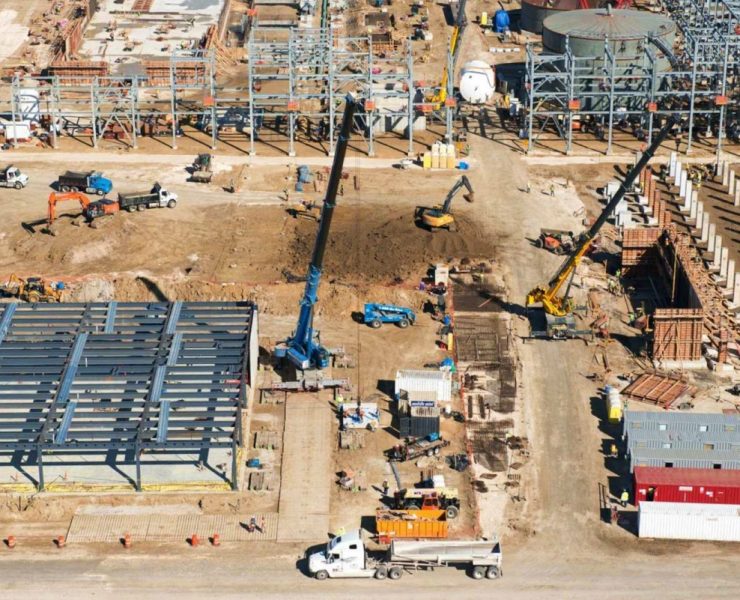
Properly designed mat systems reduce ground bearing pressure by spreading concentrated crane and piling loads over a wider surface area. This helps prevent excessive settlement and uneven equipment platforms during pile driving. Photo Credit: Quality Mat Company
Optimizing Mat Usage in Piling Operations: Tips for Load Distribution and Ground Protection

Temporary ground protection mats play a critical role in modern piling operations, especially as projects…
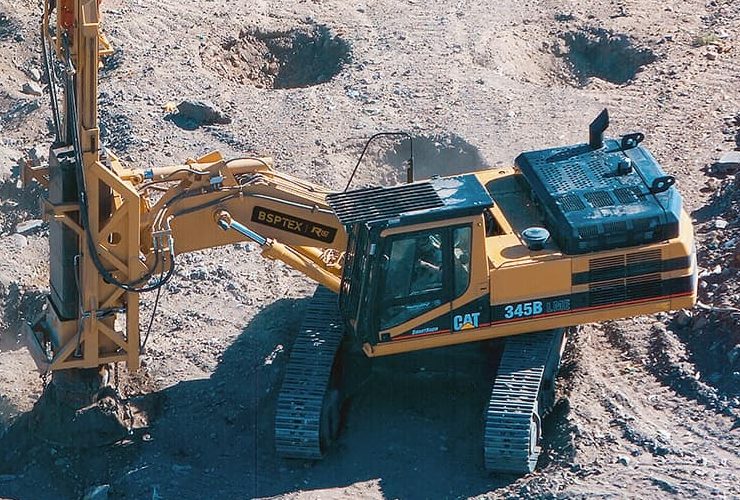
Rapid impact compaction improves soil density by applying repeated, high-energy impacts through a surface plate, making it effective for granular soils such as sands and gravels. The technique typically improves soil performance to depths of up to seven meters, depending on soil conditions and energy input. Photo Credit: BSP TEX
Rapid Impact Compaction (RIC) Techniques: Modern Solutions for Ground Improvement in Challenging Soils

Rapid impact compaction, often referred to by its abbreviation RIC, is a ground improvement process…

Fixed Leads vs. Free-Hanging Vibros: The Comparison Every Superintendent Needs

View the complete article here. You’re standing in the mud, thermos gone cold, watching the…
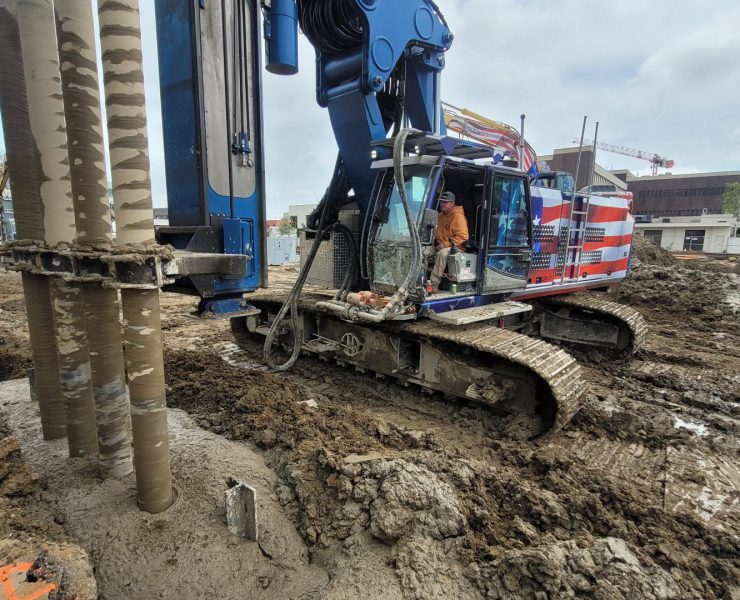
Renting pile driving and drilling equipment helps contractors reduce capital expenses and avoid long term ownership risks. It allows them to scale machinery needs according to project phases and soil conditions. Photo Credit: Hammer & Steel Global, LLC
Rental Strategies for Pile Driving and Drilling Equipment in Large Scale Infrastructure

Large scale infrastructure projects depend on reliable foundation construction. Driven piles, drilled shafts and ground…