

Hammer-Specific Maintenance Schedules: How to Maximize Pile Driving Uptime and Avoid Costly Mistakes
View the complete article here.
Pile driving is a high-production, high-stakes operation where every hour of downtime costs money. A single failed hammer, hydraulic leak, or unexpected rig problem can shut down an entire crew for hours or even days. The contractors who consistently finish projects on time and under budget are usually the ones with disciplined, proactive equipment maintenance programs.
Daily Pre-Shift and End-of-Shift Checks
Every day before the first hammer drops and again at the end of the shift, crews should perform a quick but thorough visual and operational inspection.
Check hydraulic fluid levels and look for leaks on hoses and fittings, inspect hammer cushions and ram condition for excessive wear, verify lead alignment and grease all fittings, and listen for unusual noises from the power pack or rig.
On diesel hammers—check exhaust systems, and starting mechanisms. On hydraulic hammers—examine hoses and quick-couplers for abrasion or damage. These 10–15 minute checks catch most small problems before they become major delays and give the operator confidence that the equipment is ready for the day.
Weekly Maintenance Tasks
Once per week, usually on a slower day or between jobs, perform more thorough maintenance.
Grease all fittings on the hammer, leads, and rig; change hydraulic filters if the manufacturer recommends it based on hours; check bolt torque on the hammer, rig connections, and lead hardware; and inspect wire ropes and rigging hardware for wear or broken strands.
This is also the right time to log operating hours, note any performance changes, and top off fluids. Taking care of these tasks weekly prevents small issues from compounding into costly breakdowns.
Monthly and Quarterly Deep Maintenance
Every month, schedule a deeper inspection of the entire pile driving spread.
This includes changing hydraulic oil and filters (or per manufacturer hours), inspecting the ram and anvil for excessive wear, checking alignment of the hammer and leads, and pressure-testing hydraulic systems.
Quarterly—bring in a qualified technician for a full service on the power pack, engine, and hammer.
Planning these services in advance keeps the equipment reliable during peak production periods.
Hammer-Specific Schedules
Different hammers require slightly different routines.
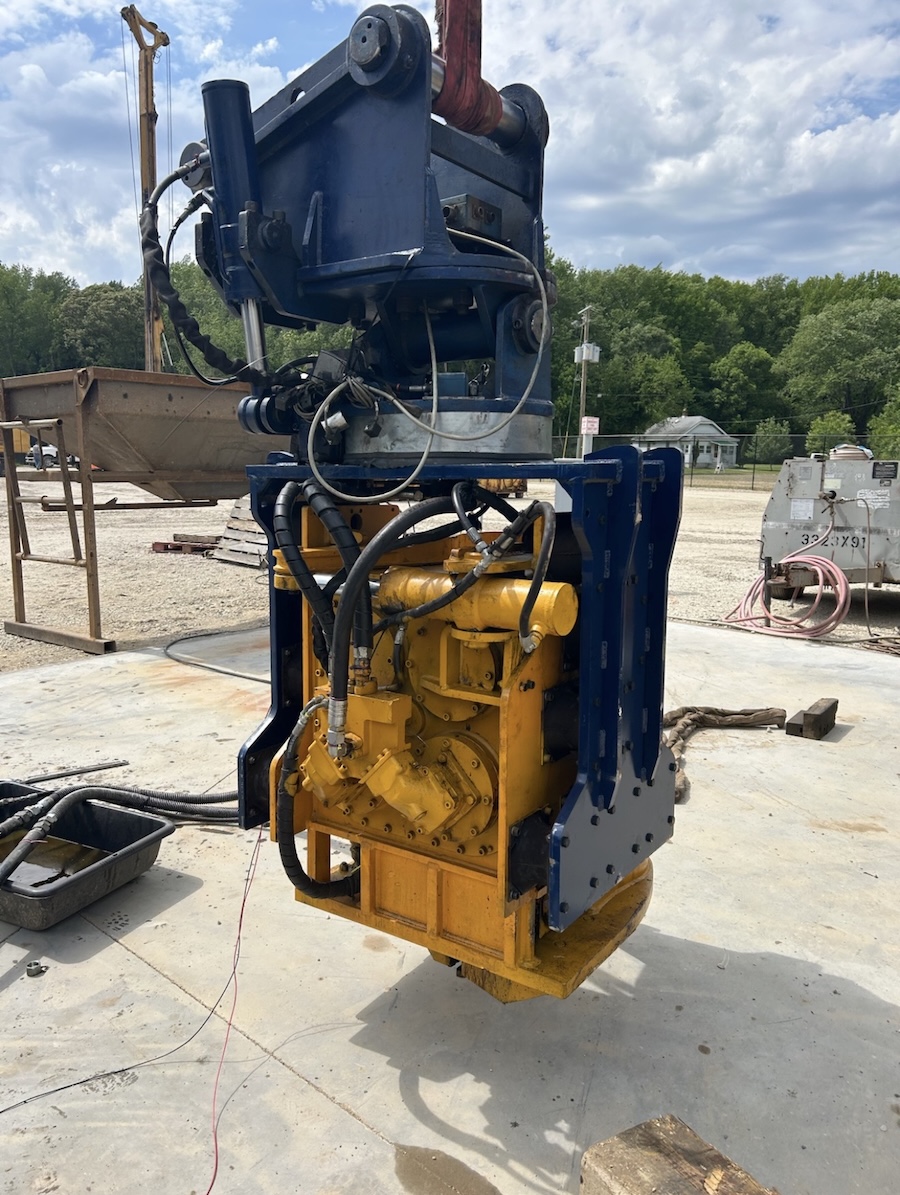
Diesel hammers need frequent attention to fuel quality, starting systems, and exhaust components to prevent hard starting or loss of power. Hydraulic hammers demand strict hydraulic oil cleanliness and regular hose inspections to avoid sudden failures. Vibratory hammers need special focus on eccentric bearings and clamp mechanisms.
Post a laminated checklist specific to each piece of equipment near the rig so crews know exactly what to check at each interval and can quickly spot anything out of the ordinary.
Record Keeping and Accountability
The best programs use simple digital or paper logs that track maintenance by equipment serial number and operating hours. Superintendents should review these logs weekly. When a piece of equipment hits a major service interval, plan the work in advance rather than waiting for a breakdown. Many contractors build maintenance downtime into the project schedule, so it doesn’t surprise the owner or delay production.
Common Maintenance Mistakes That Kill Uptime
Even experienced crews sometimes make these costly errors:
- Waiting until something breaks instead of following scheduled maintenance
- Using the wrong hydraulic oil or skipping filter changes
- Ignoring small fluid leaks until they become major problems
- Failing to document maintenance so patterns are missed
- Skipping daily checks when the crew is under schedule pressure
Avoiding these mistakes alone can dramatically improve reliability.
Building a Maintenance Culture on Your Crew
The most successful contractors treat maintenance as a regular habit rather than something they only address when problems appear. Assign clear ownership to specific crew members, provide simple checklists, and recognize operators who keep their equipment in top condition. When the entire crew understands that good maintenance equals more productive days and higher bonuses, the program runs itself.
Consistent equipment maintenance is one of the simplest ways to protect your schedule and your profit margin. Contractors who treat their pile driving equipment with the same care they give their crews almost always experience less downtime, fewer emergency repairs, and higher daily production.
View the complete article here.
How often should pile driving equipment be inspected and maintained?
Pile driving equipment should undergo daily inspections, weekly maintenance checks, and scheduled monthly or quarterly servicing based on manufacturer recommendations and operating hours.
What is the best way to reduce downtime in pile driving operations?
Implementing a proactive maintenance program with regular inspections, timely servicing, and accurate maintenance records helps prevent unexpected equipment failures and downtime.
