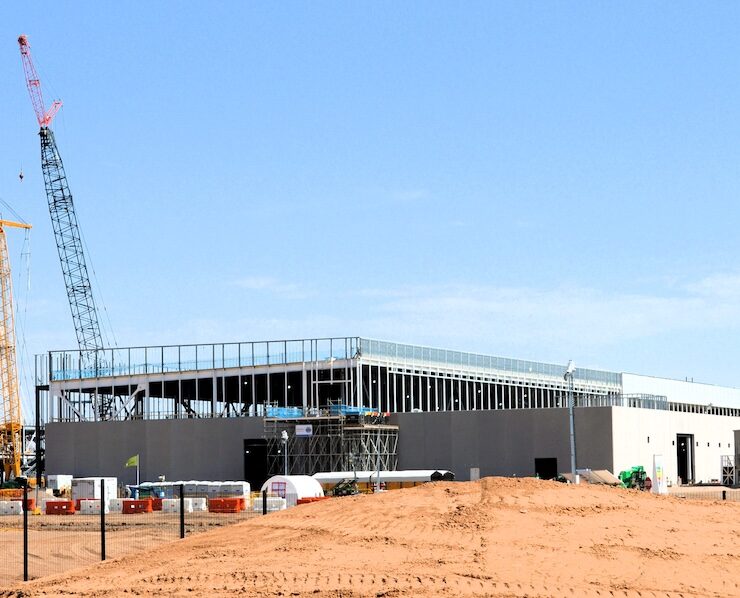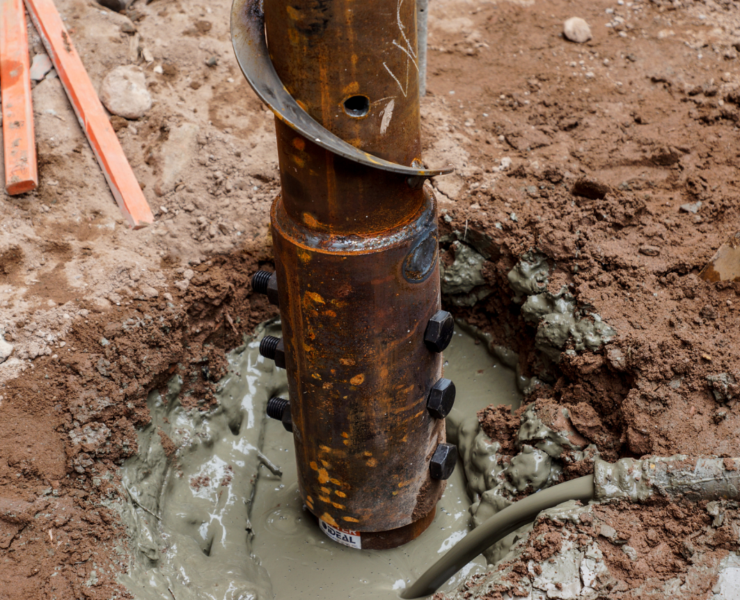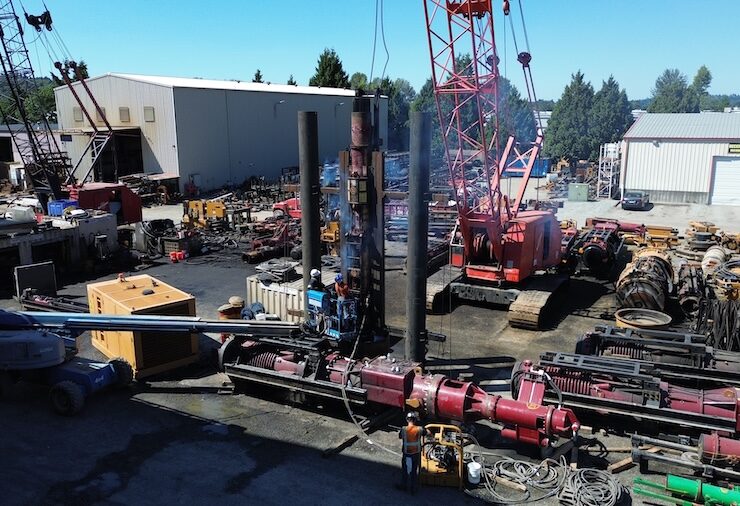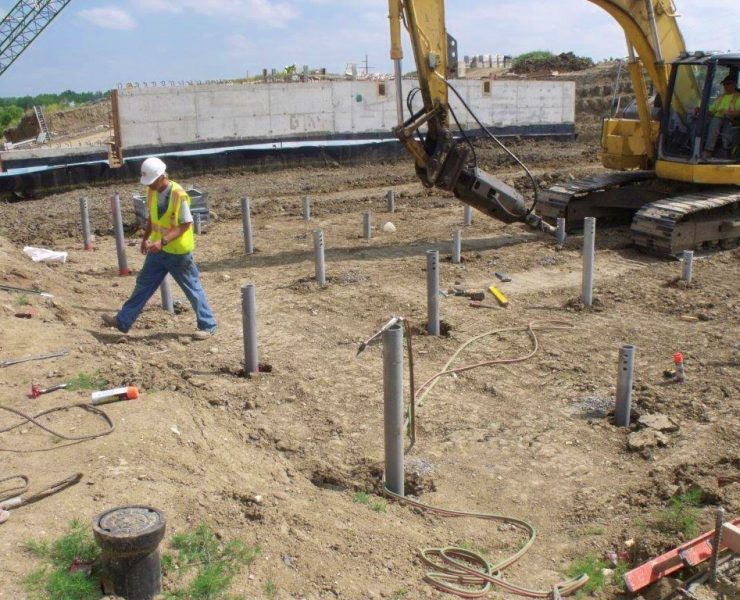

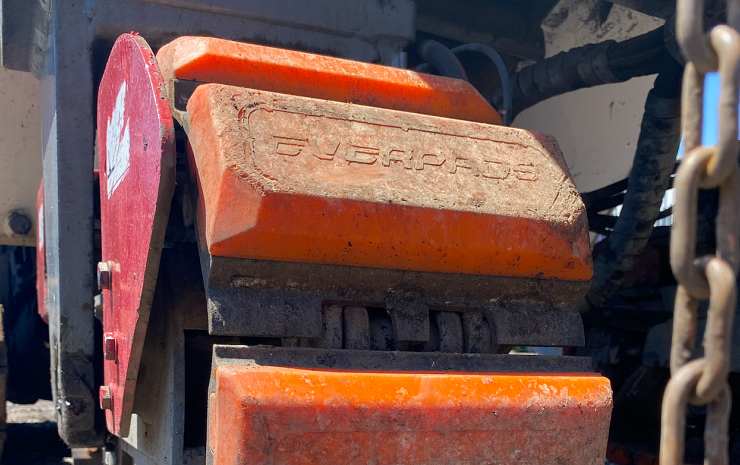
A close-up view of a STELCOR® pile connection and grouting during the installation process. Photo Credit: IDEAL Group
Boosting Pile Installation Speed with STELCOR Drilled-In Displacement Piles (DDM)  

Pile installation speed can shape the entire construction schedule. When deep foundation work takes longer…
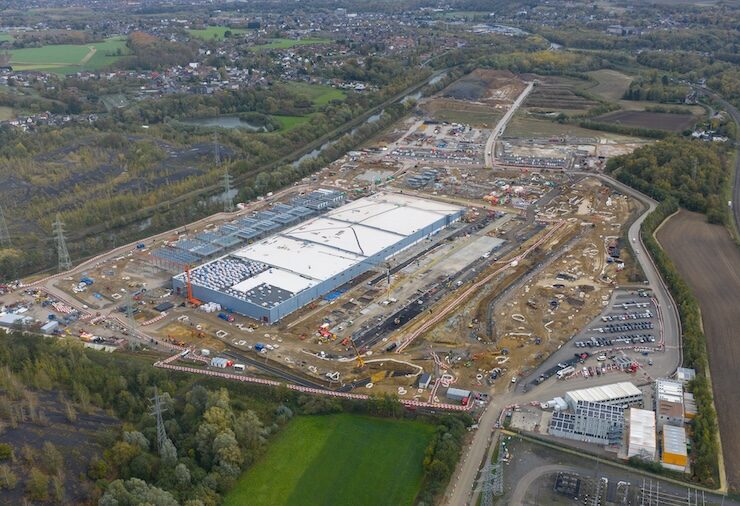
Deep Foundations for Data Centers: Challenges, Opportunities, and How to Compete

More than 700 data centers are currently under construction across the United States, and foundation…

20 Essential Tips for Safe and Efficient Diesel Pile Hammer Operation

Diesel hammers remain one of the most reliable and powerful tools in deep foundations and…

Installation torque is commonly used as a field indicator of axial load capacity for helical deep foundations. Measured torque values help confirm that foundations meet design requirements before construction progresses. Photo Credit: Pier Tech Systems LLC
How Torque Monitoring Improves Load Verification in Helical Deep Foundations

Helical deep foundations are widely used across marine, industrial, and commercial construction because they offer…
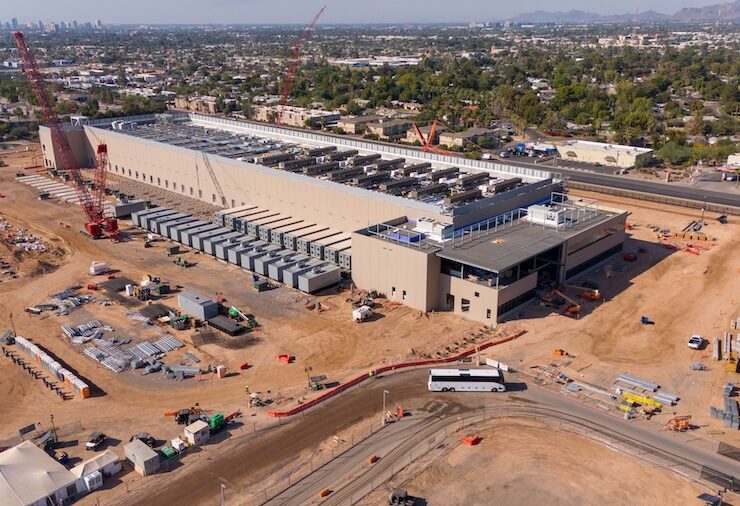
5 Key Considerations When Hiring a Helical Pile Contractor for Large Industrial Projects

View the complete article here. Data centers, solar farms, manufacturing facilities, and other major industrial…
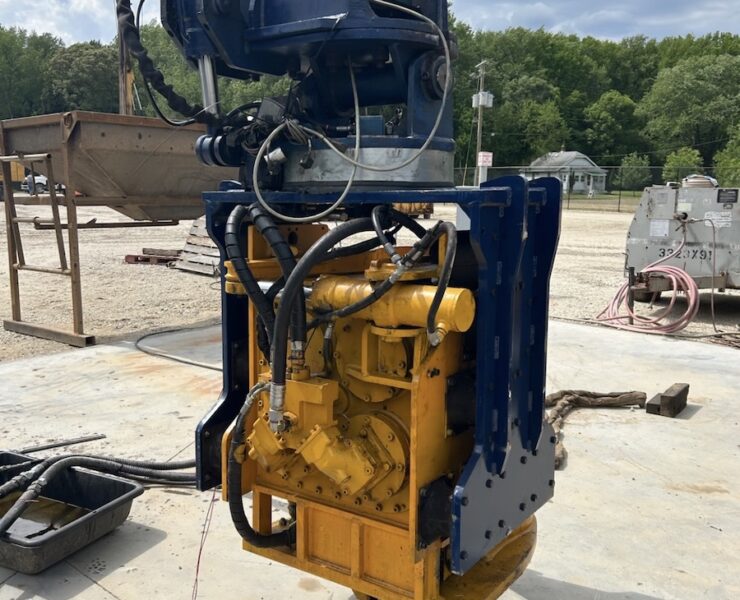
Hammer-Specific Maintenance Schedules: How to Maximize Pile Driving Uptime and Avoid Costly Mistakes

View the complete article here. Pile driving is a high-production, high-stakes operation where every hour…
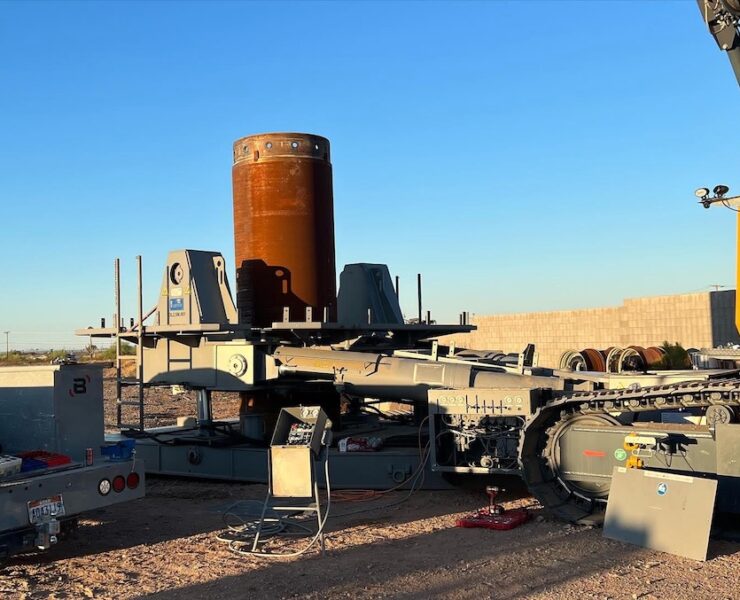
Mastering Temporary Casing Installation in Unstable and Collapsible Ground

  View the complete article here. Collapsible soils such as loess or highly weathered residual…
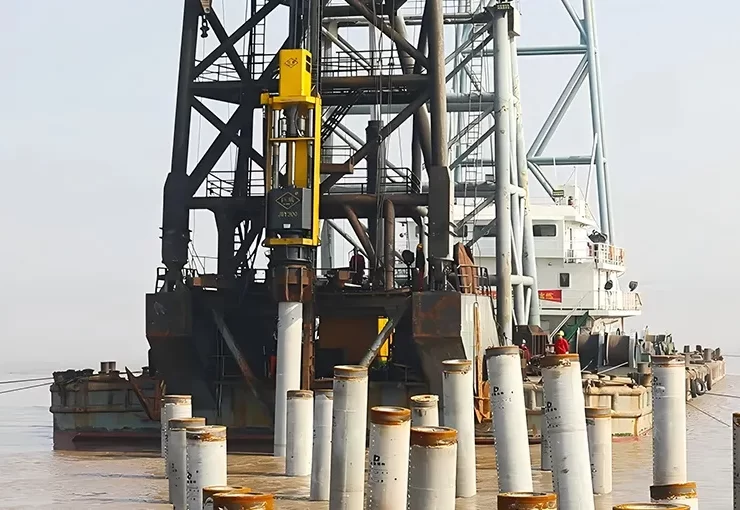
Pile hammers install deep foundations by delivering repeated impact energy that pushes piles into the ground. The amount of energy delivered affects penetration speed and final pile capacity. Photo Credit: JUWEl Machinery
How Engineers Choose the Right Pile Hammer for Different Soil Conditions

Pile driving is one of the most widely used techniques for installing deep foundations in…
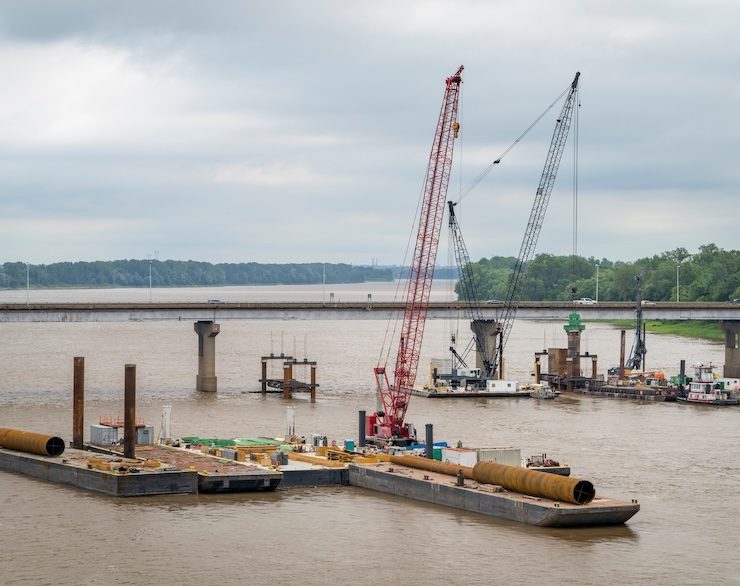
10 Hard Truths About Pile Driving in the Private and Public Sectors

View the complete article here. Pile driving may look the same on the surface—big hammers…
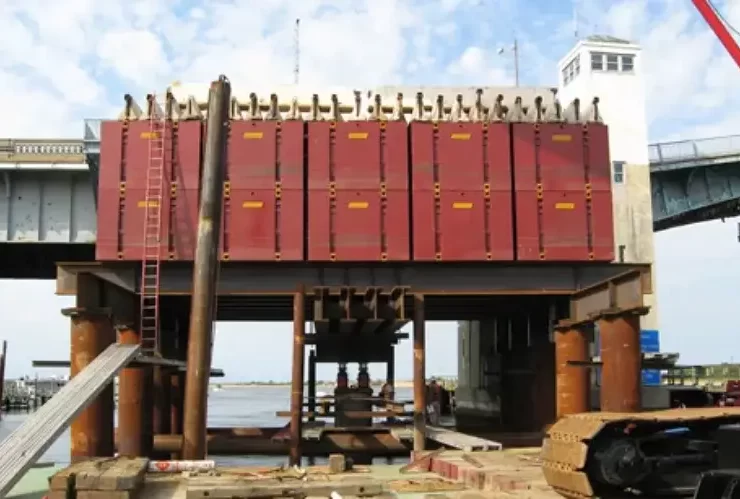
Reaction systems provide the resisting force required to apply load during static pile load testing. Any movement or instability in the reaction system can directly affect test accuracy. Photo Credit: WB Equipment
Why Reaction Systems are the Most Critical Variable in Static Pile Load Testing

Static pile load testing is widely regarded as the most reliable method for verifying foundation…

Mixed ground conditions, such as soil to rock transitions, are one of the most common causes of drilling delays. Planning bit changes based on geotechnical data helps maintain steady drilling progress. Photo Credit: Rock Drill Sales & Service, inc.
Selecting the Right Drill Bits for Efficient Foundation Drilling in Varied Geologies

Foundation drilling rarely follows a single predictable pattern. Soil layers change, rock strengths vary, and…

Soil-to-rock transitions often involve weathered or fractured rock rather than intact bedrock, creating uneven resistance across the borehole. This variability is a primary cause of early deviation during deep foundation drilling. Photo Credit: Center Rock, Inc.
Why Mixed Soil-to-Rock Transitions Are the Most Difficult Phase of Overburden Drilling

Overburden drilling becomes most unpredictable at the point where soil abruptly gives way to rock.…