
| Foundation Drilling Tools & Accessories | Foundation Drilling Tools & Accessories | Foundation Drilling Tools & Accessories |
|---|---|---|
| Center Rock, Inc. | MATRIX Construction Products | Pinnacle Drilling Products |
| More information | More information | More information |
 |
 |
 |
Pile Buck's Top Recommended Foundation Drilling Tools & Accessories Providers
| Foundation Drilling Tools & Accessories | Foundation Drilling Tools & Accessories | Foundation Drilling Tools & Accessories |
|---|---|---|
| Numa Hammers & Bits | Chemgrout | Jeffrey Machine, Inc. |
| More information | More information | More information |
 |
 |
 |
| Foundation Drilling Tools & Accessories |
|---|
| TEI Rock Drills |
| More information |
 |
TABLE OF CONTENTS
What Are Foundation Drilling Tools & Accessories?
Common Types of Foundation Drilling Tools
How to Select Foundation Drilling Tools
Matching Drilling Tools to Ground Conditions
Inspecting and Maintaining Foundation Drilling Tools
Pile Buck’s Top Recommended Foundation Drilling Tools & Accessories Providers
What Are Foundation Drilling Tools & Accessories?
A foundation drilling rig may provide the torque, crowd force, and lifting capacity, but the tool at the end of the drill string does the actual work in the ground. Choosing the right drilling tool is therefore a critical part of constructing drilled shafts, bored piles, micropiles, and other deep foundation elements. Foundation drilling tools include augers, drilling buckets, core barrels, drilling bits, down-the-hole hammers, casing tools, and other equipment used to excavate soil and rock.
Supporting equipment and accessories can include Kelly bars, adapters, cutting teeth, holders, drilling fluids, slurry equipment, and grouting systems. The appropriate combination depends on the drilling method, bore diameter, depth, geology, groundwater conditions, and capabilities of the drilling rig. A tool that performs efficiently in clay may struggle in dense sand, while an auger that moves quickly through soil may make little progress once it reaches competent rock.
Foundation drilling contractors may therefore use several different tools on the same project. A bore may begin with an auger, transition to a drilling bucket as conditions change, and eventually require a core barrel or rock drilling system when harder material is encountered. Understanding what each tool is designed to do makes it easier to select tooling that can improve penetration, control wear, efficiently remove excavated material, and keep drilling operations moving.
Foundation Drilling Tools & Accessories
Common Types of Foundation Drilling Tools
Foundation drilling tooling ranges from relatively simple earth augers to specialized systems designed to penetrate hard rock. Some tools excavate material mechanically and carry it to the surface, while others break rock through impact. Certain tools are designed specifically for cleaning the bottom of a drilled shaft, advancing casing, or operating in difficult ground conditions.
The most common categories include augers, drilling buckets, core barrels, down-the-hole hammers and bits, casing tools, Kelly bars, adapters, and replaceable cutting components. The tooling selected should be compatible with both the drilling rig and the conditions below the surface. Because subsurface conditions can change significantly with depth, contractors may need multiple tools available to complete a single bore efficiently.
Augers
Augers are among the most recognizable foundation drilling tools. They use flights wrapped around a central stem to cut into the ground and collect excavated material. As the auger rotates, teeth or cutting edges at the bottom loosen the soil, allowing material to move onto the flights and remain there while the tool is withdrawn from the bore.
Several auger designs are available for different ground conditions. The diameter, flight configuration, cutting head, teeth, and overall construction can vary depending on the material being drilled and the foundation system being installed.
Dirt Augers
Dirt or soil augers are primarily intended for cohesive and relatively easy-to-drill soils. The flighting provides space for excavated material while cutting teeth at the bottom of the tool loosen the ground and allow it to load onto the auger.
Tooth configuration should be selected according to the anticipated soil conditions. Contractors may encounter anything from soft clay and silt to stiff clay and dense soils, and the cutting arrangement can significantly affect penetration, loading, and unloading of the auger.
Rock Augers
Rock augers are heavier-duty tools designed for harder formations. Instead of relying on cutting arrangements intended primarily for soil, rock augers generally use more aggressive cutting teeth and stronger construction to withstand greater drilling forces and abrasion.
Rock strength, abrasiveness, weathering, and fracture characteristics can all affect performance. A rock auger may work effectively in weathered or fractured rock but become inefficient in very hard, competent formations. In those conditions, contractors may need to transition to a core barrel, down-the-hole hammer, or another rock drilling system.
Continuous Flight Augers
Continuous flight augers, commonly called CFA augers, extend along the drilling string rather than being repeatedly removed to empty individual loads of soil. During CFA pile construction, the auger is drilled to the required depth and concrete or grout is pumped through the hollow stem as the auger is withdrawn.
Because drilling and pile construction are closely connected in this method, the condition and configuration of the auger can affect the entire installation process. Auger diameter, flight design, cutting head condition, hollow-stem components, and the concrete or grout delivery system all need to work together.
Drilling Buckets
Drilling buckets are widely used for excavating and removing material from drilled shafts. Unlike an auger, which retains excavated material on its flights, a drilling bucket collects material inside its cylindrical body. Cutting teeth or blades loosen the ground as the bucket rotates, and openings in the bottom allow excavated material to enter.
Once the bucket has collected enough material, it is withdrawn from the bore and emptied at the surface. Different bucket configurations are available for clay, sand, gravel, and mixed ground, with the cutting arrangement and bottom design selected according to the material being excavated.
Buckets can be particularly useful when loose material needs to be collected rather than carried upward on auger flights. They are also commonly used during drilling under slurry. Clean-out buckets provide another important function by removing loose cuttings and sediment from the bottom of a bore before reinforcement and concrete placement.
Core Barrels
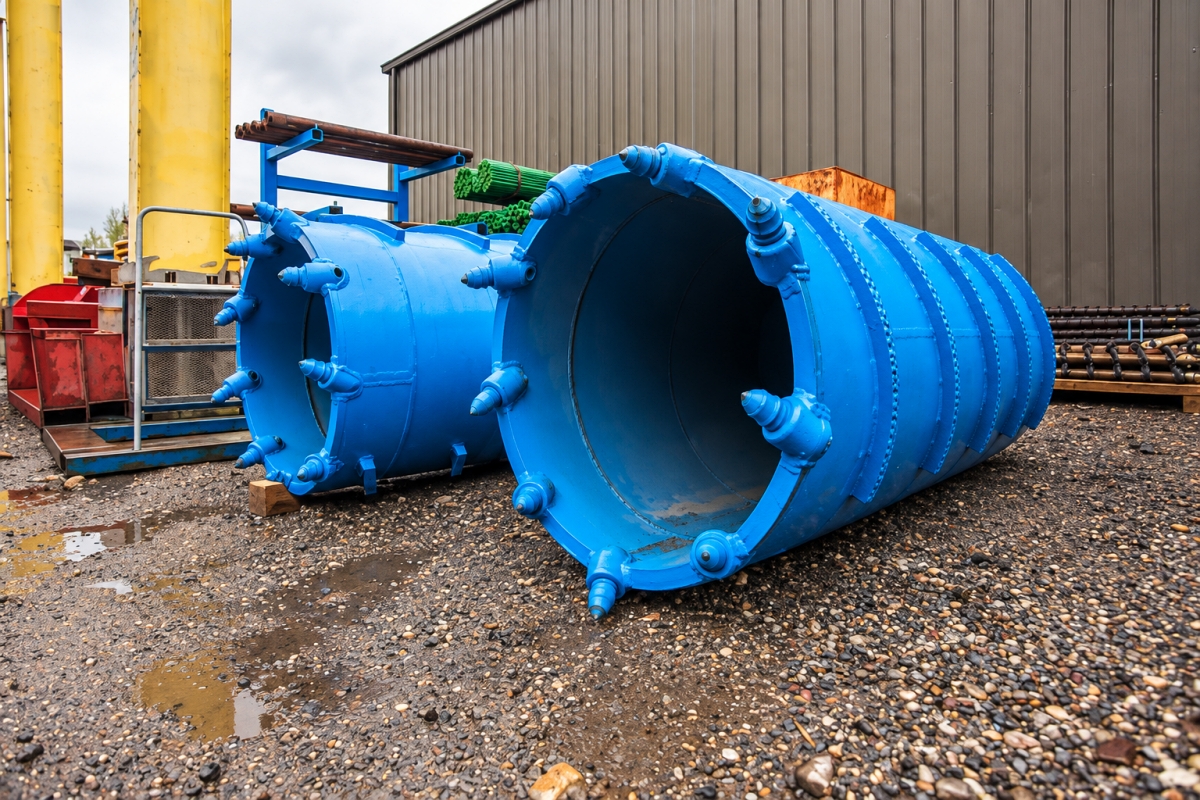
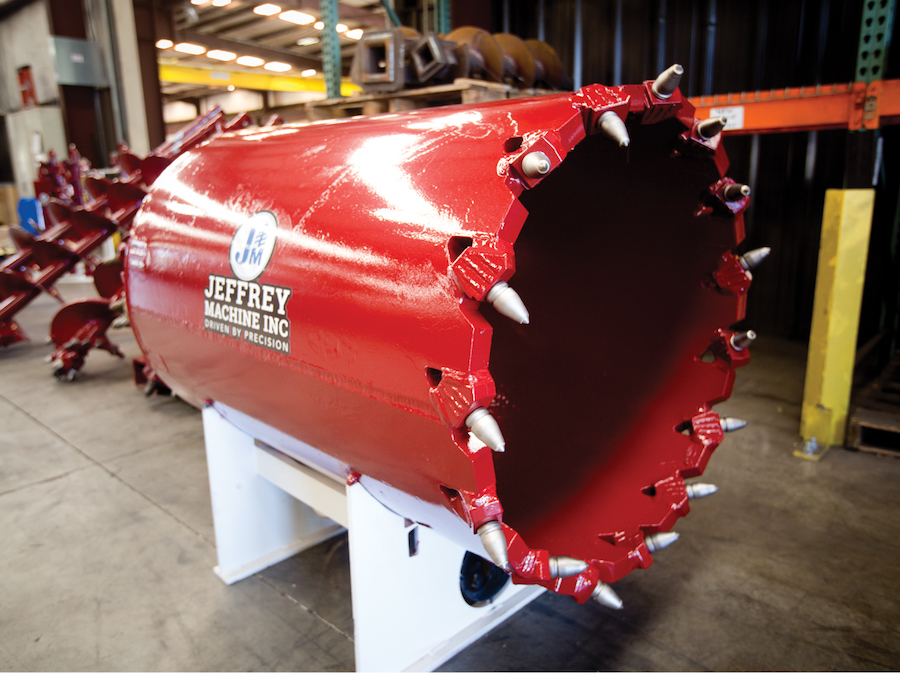
Core barrels are cylindrical drilling tools primarily used when harder material makes conventional soil tooling less effective. Instead of excavating the entire face of the bore at once, cutting elements are concentrated around the perimeter of the barrel. This concentrates the available drilling force on a smaller cutting area.
As the barrel advances, it cuts an annular groove around a section of rock. The resulting core can then be broken or separated along fractures or other discontinuities and removed from the bore. The effectiveness of this process depends heavily on the strength and structure of the rock.
Core barrels can use different cutting systems depending on the formation. Teeth suitable for softer rock may not perform well in hard, abrasive material, while harder formations can require carbide cutting elements, roller-type systems, or other specialized arrangements. Single-wall and double-wall configurations are available, and some systems use air or fluid circulation to assist with cuttings removal.
Down-the-Hole Hammers and Bits
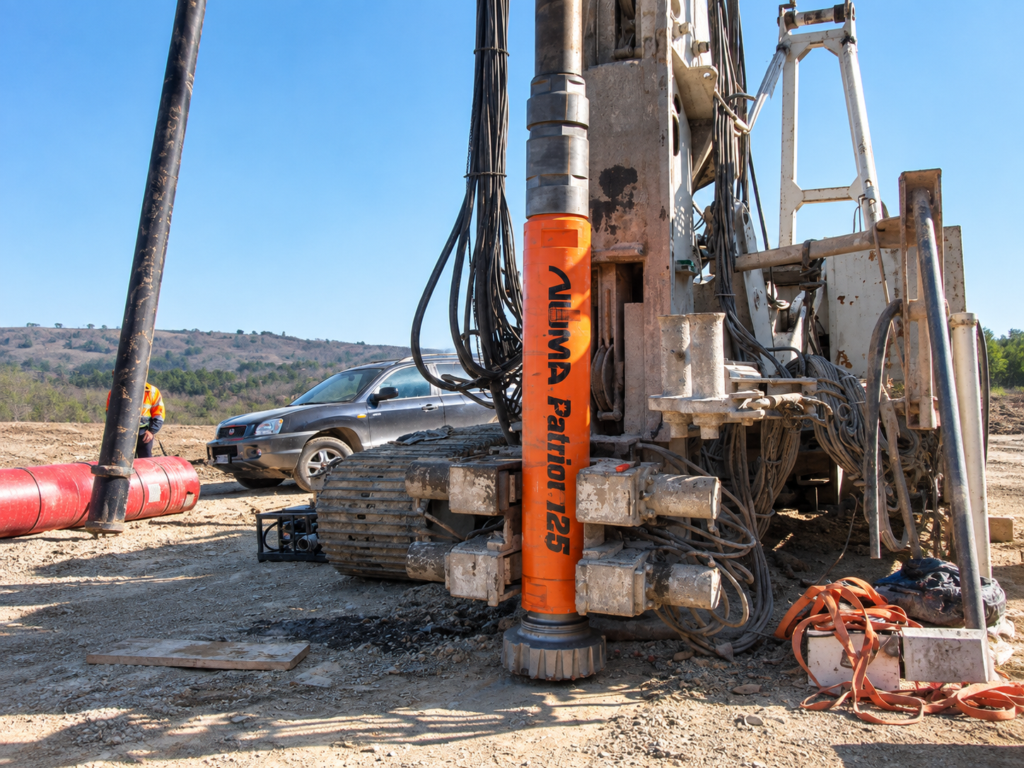
Down-the-hole, or DTH, drilling combines rotation with repeated percussion delivered close to the bottom of the bore. The hammer operates directly behind the drill bit, allowing impact energy to be transferred to the rock face without traveling through the entire length of the drill string.
Compressed air commonly powers the hammer and helps remove rock cuttings from the bit face and bore. This method can be particularly useful when drilling through competent rock, boulders, and other formations that are difficult to penetrate efficiently with conventional rotary tools.
The hammer and bit should be matched to the required hole diameter, available air supply, drilling equipment, and rock conditions. Bit face design, button arrangement, and flushing configuration can influence penetration and cuttings removal. Adequate air volume and pressure are also important because insufficient airflow can reduce hammer performance and allow cuttings to accumulate around the bit.
Casing Systems and Tools
Loose soils, groundwater, and unstable formations can make it difficult to maintain an open bore during foundation drilling. Temporary or permanent casing can be used to support the sides of the excavation and reduce the risk of material collapsing into the hole.
Segmental casing allows additional sections to be connected as drilling progresses. Depending on the construction method and ground conditions, casing can be advanced using the drilling rig’s rotary system, a casing oscillator, a casing rotator, or other specialized equipment. Casing shoes installed at the bottom of the casing help protect the leading edge as it advances through the ground.
Casing drive adapters and related components connect the casing to the equipment applying rotational or driving force. In difficult overburden, specialized casing advancement systems can allow drilling and casing installation to progress together. Such systems can be useful in loose soil, gravel, cobbles, boulders, and other conditions where maintaining an unsupported bore is challenging.
Kelly Bars and Adapters
The Kelly bar transfers torque and crowd force from the drilling rig’s rotary drive to the drilling tool. Telescopic construction allows deep holes to be drilled without requiring the entire length of the drill string to remain above ground.
Friction and interlocking Kelly bars are two common designs. Friction Kelly bars transfer force through contact between their telescoping sections and can provide efficient operation in suitable soil conditions. Interlocking Kelly bars use locking sections that allow greater crowd force to be transferred through the bar, making them useful where harder ground requires greater downward force.
Kelly bars should be matched to the drilling rig, rotary drive, required depth, and anticipated drilling loads. At the lower end of the system, Kelly boxes, drive stubs, adapters, and related connections transfer forces to the drilling tool. Excessive wear or an improperly matched connection can introduce unwanted movement and reduce the efficient transfer of torque and crowd force.
Cutting Teeth, Bits and Wear Parts
Cutting teeth, picks, pilot bits, holders, and other wear components operate directly against soil and rock, making them some of the most heavily stressed parts of a foundation drilling system. These components are designed to wear over time and should be treated as consumable parts of the drilling operation.
Different cutting systems are designed for different materials. Teeth that perform efficiently in soil may wear rapidly or fail when used in rock, while aggressive rock-cutting components may be unnecessary in softer ground. Tooth arrangement also matters because the cutting pattern influences how material is broken and how evenly the drilling tool engages the bottom of the bore.
Pilot bits can help guide certain drilling tools and initiate cutting near the center of the hole, while holders secure replaceable cutting components to the tool body. Wear protection, including hard-facing and replaceable wear components, can also be applied to high-contact areas of augers, buckets, and other tools to protect more expensive structural components.
Cutting components should be inspected regularly rather than being used until complete failure. Missing or severely worn teeth can alter how drilling forces are distributed across the tool, reduce penetration rates, increase vibration, and accelerate wear on surrounding components.
Drilling Fluids and Slurry Equipment
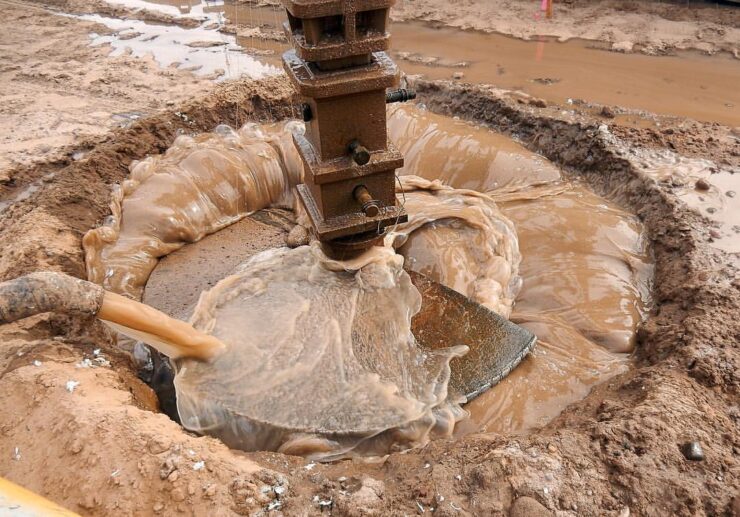
Drilling fluids can be used to stabilize an open excavation when soil and groundwater conditions make an unsupported bore unreliable. The fluid provides pressure against the walls of the excavation, helping maintain bore stability and limiting the movement of groundwater and soil into the hole.
Bentonite and polymer-based drilling fluids are commonly associated with drilled shaft construction. Using slurry effectively requires more than simply introducing fluid into the excavation. Mixing, storage, circulation, cleaning, and testing equipment may all be needed to maintain suitable fluid properties throughout drilling and concrete placement.
Depending on the slurry system and project requirements, contractors may monitor characteristics such as density, viscosity, sand content, and pH. Slurry carrying excessive suspended solids or otherwise falling outside project requirements can create problems during drilling and construction. For this reason, the slurry system should be treated as an integrated part of the foundation drilling operation.
Grouting Equipment and Accessories
Grout is used in a variety of deep foundation and geotechnical applications, including micropiles, anchors, and other systems where cementitious material must be delivered into the ground. A typical grouting setup may include mixers, agitators, pumps, hoses, valves, gauges, and related delivery components.
The appropriate equipment depends on the grout mixture, required production rate, pumping distance, and pressure. Mixing equipment should produce a consistent material, while agitation may be used to help maintain uniformity until the grout is pumped. Pumps must be suitable for the material being handled and capable of meeting the pressure and output requirements of the application.
Hoses, fittings, valves, and other accessories should also be rated for the pressures they will experience and inspected regularly for wear or damage. Cleaning is particularly important with grouting equipment because cementitious material allowed to harden inside mixers, pumps, hoses, and valves can restrict flow and damage equipment.
Customizable Drilling Core Barrel
How to Select Foundation Drilling Tools
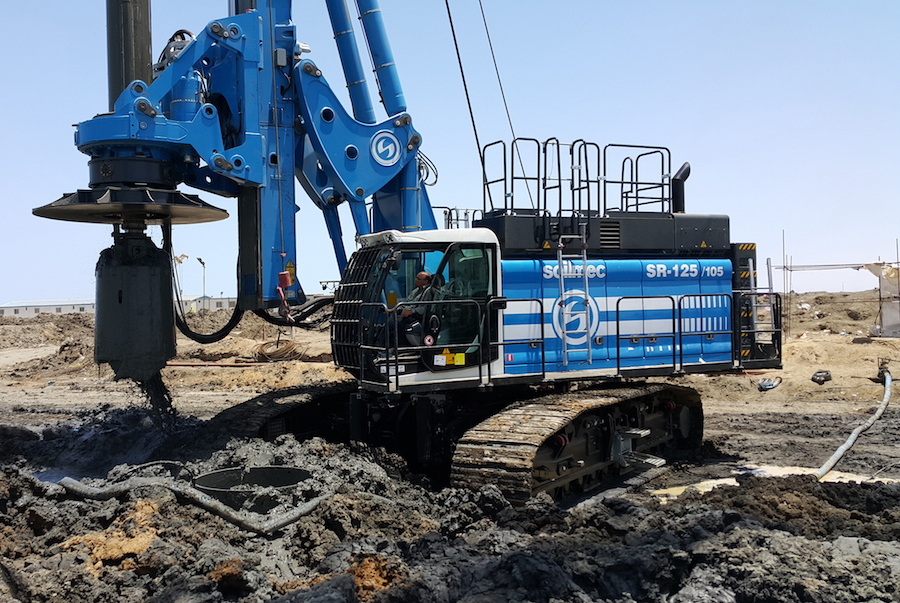
Selecting foundation drilling tooling begins with understanding the conditions below the surface. Soil and rock determine what the tool needs to cut, break, collect, or penetrate, while the project specifications determine the required diameter and depth. At the same time, the drilling rig determines how much torque, crowd force, pullback, lifting capacity, and rotational speed are available.
Tool selection therefore involves more than choosing an auger, bucket, or bit of the correct diameter. The complete drilling system must be considered, including the rig, Kelly bar or drill string, connections, cutting components, spoil-removal method, casing requirements, and any fluids or supporting equipment used during drilling.
Bore Diameter
The required shaft or pile diameter immediately narrows the available tooling choices. Larger drilling tools require more torque and can weigh substantially more than smaller tools, particularly when loaded with soil or rock.
The drilling rig must be capable of rotating, crowding, lifting, and controlling the selected tool throughout the drilling cycle. The weight of the empty tool alone does not represent the maximum load because an auger or bucket carrying excavated material can add significant weight.
Drilling Depth
Drilling depth affects both the configuration of the drilling system and the efficiency of material removal. As holes become deeper, cycle times can increase because tooling must travel farther between the cutting face and the surface.
Kelly bar length, drill string configuration, casing requirements, slurry systems, and cuttings removal can all be influenced by depth. Contractors should consider the complete drilling cycle rather than simply whether a particular tool can physically reach the required elevation.
Rig Capabilities
Tooling should be matched to the capabilities and limitations of the drilling rig. Torque, crowd force, extraction force, rotary speed, lifting capacity, and the specifications of the rotary drive can all influence which tools can be used effectively.
A larger or more aggressive tool does not necessarily result in faster drilling. If the rig cannot provide the required torque or crowd force, an oversized tool can reduce productivity and place unnecessary loads on the machine and drill string.
Ground Conditions
Ground conditions are among the most important factors in tool selection. Soil classification, density, cohesion, groundwater, rock strength, abrasiveness, weathering, fractures, cobbles, and boulders can all affect drilling performance.
The geotechnical investigation provides an important starting point for selecting tooling, but actual conditions encountered during drilling should also be monitored. Subsurface conditions can vary between borings and across a site, making tool changes during a project a normal part of foundation drilling.
Spoil Removal
Cutting the ground is only part of the drilling process. The excavated material must also be removed from the bore efficiently, and different materials behave differently during extraction.
Cohesive clay may remain on auger flights but become difficult to unload at the surface. Loose sand may fall from an auger before it reaches the top of the bore, making a drilling bucket more appropriate. Rock fragments can become trapped in tooling or interfere with cutting. The way a tool loads, retains, transports, and releases material can have a major effect on overall drilling cycle time.
Rig Capabilities
Matching Drilling Tools to Ground Conditions
Foundation drilling rarely takes place in perfectly uniform ground. A single bore can pass through fill, sand, clay, gravel, cobbles, weathered rock, and competent rock before reaching its final depth. Contractors therefore need to match the drilling tool to the material currently being encountered rather than expecting one tool to perform efficiently throughout the entire bore.
Changes in penetration rate, vibration, spoil characteristics, and the material brought to the surface can provide useful information about changing ground conditions. These observations can help the drilling crew determine when switching tools may improve performance.
Clay and Cohesive Soil
Augers can be highly effective in cohesive soils because the excavated material can remain on the flights while the tool is withdrawn. Tool geometry, flight spacing, cutting configuration, and rotational speed can influence how effectively the material loads onto the auger.
Very sticky clay can create a different problem because the material may be difficult to remove from the flights at the surface. Tool selection should therefore consider both how easily the material can be excavated and how efficiently the auger can be cleaned between drilling cycles.
Sand and Loose Soil
Loose sand can be difficult to retain on conventional auger flights, particularly when groundwater is present. Drilling buckets may provide better material retention because excavated soil is collected inside the tool body before being brought to the surface.
Bore stability can also become an important concern in loose granular soils. Depending on site conditions and the construction method, casing or drilling slurry may be required to support the excavation while drilling continues.
Gravel and Cobbles
Gravel and cobbles can produce highly variable drilling conditions. Larger particles can interfere with cutting, prevent tooling from engaging the bottom evenly, and increase impact and abrasion on teeth and other components.
The appropriate tool depends on the size, concentration, and strength of the particles as well as the surrounding soil matrix. Casing may also be required if the surrounding formation is unstable or if removing cobbles causes material to collapse into the bore.
Weathered and Fractured Rock
Rock augers and specialized drilling buckets can be effective in weak, weathered, or heavily fractured rock. The cutting system must be strong enough to break the material while allowing the resulting fragments to be collected and removed efficiently.
As rock becomes harder and more competent, conventional rotary excavation can become progressively slower. At that point, a contractor may transition to a core barrel, down-the-hole hammer, or another specialized rock drilling system.
Hard Rock
Hard, competent rock can dramatically reduce penetration rates when tooling intended primarily for soil or weak rock is used. Core barrels address this challenge by concentrating cutting force around the perimeter of the bore rather than across the entire face.
DTH hammers provide another approach by combining rotation with percussion directly at the bottom of the hole. Selecting between these and other rock drilling methods requires more than simply knowing the compressive strength of the rock. Abrasiveness, weathering, fracture spacing, mineral composition, and other geological characteristics can also influence drilling performance and tool wear.
Polymer and Bentonite Drilling Fluids
Inspecting and Maintaining Foundation Drilling Tools
Foundation drilling tools operate in an extremely demanding environment. Soil, water, slurry, grout, rock, high torque, impact, and abrasion can all contribute to wear, making regular inspection and maintenance an important part of drilling operations.
Tooling should be inspected before being placed into service and periodically throughout the project according to manufacturer recommendations and the severity of the application. Identifying wear early can prevent relatively inexpensive maintenance issues from developing into damage to major tool components.
Check Cutting Components
Teeth, picks, pilot bits, cutting edges, and holders should be inspected for wear, cracks, damage, and missing components. Replaceable teeth should remain properly secured in their holders, and worn components should be replaced before they begin to affect surrounding parts of the tool.
Uneven wear can also provide useful information. It may indicate that the tool is not engaging the ground uniformly, that certain cutting components are carrying excessive loads, or that the tooling is not well suited to the material being drilled.
Inspect Tool Bodies and Welds
Augers, drilling buckets, core barrels, and other fabricated tools should be checked for cracks, deformation, and excessive wear. High-stress areas, welded connections, cutting edges, flighting, bucket bottoms, and other surfaces exposed to repeated abrasion deserve particular attention.
Auger flighting can gradually become thinner, while bucket openings and cutting edges can lose material through abrasion. Core barrels can experience substantial wear around the cutting end. Repairing or protecting these areas before severe deterioration occurs can extend the useful life of the tool.
Inspect Connections
Kelly boxes, adapters, pins, drive stubs, and other connections transfer significant forces between the drilling rig and the tool. Wear in these areas can introduce excessive movement, reduce efficient force transfer, and eventually damage connected components.
Connections should fit correctly and be compatible with the equipment being used. Components should not be forced together simply because their dimensions appear similar. Contractors should use connections designed and rated for the applicable drilling loads.
Monitor Wear Parts
Replaceable wear components are intended to protect more expensive parts of the drilling tool. Allowing these components to wear beyond their useful limits can expose the structural portions of an auger, bucket, barrel, or other tool to unnecessary abrasion and damage.
Commonly used teeth, holders, pilot bits, and other wear parts can be kept available on the job site to reduce downtime. Replacement decisions should consider manufacturer recommendations and actual wear rather than waiting for a component to fail completely.
Clean Tooling and Equipment
Removing accumulated soil, slurry, grout, and drill cuttings makes inspection easier and helps prevent material from concealing cracks, wear, or damaged connections. Regular cleaning is especially important where abrasive material accumulates around moving or connecting components.
Grouting equipment requires additional attention because cementitious material can harden inside mixers, pumps, hoses, valves, and fittings. Appropriate cleaning procedures should be performed before the material has an opportunity to set and obstruct the system.
Follow Manufacturer Requirements
Foundation drilling tools vary significantly in construction and operating limits. Inspection intervals, wear limits, lubrication requirements, replacement procedures, operating parameters, and repair methods should therefore follow the applicable manufacturer’s documentation.
The objective is not to find a single drilling tool capable of handling every formation. Productive foundation drilling depends on having a compatible set of tools and accessories that can be changed as ground conditions and construction requirements change. Matching the tool to the formation, operating it within the capabilities of the drilling rig, and maintaining critical cutting and wear components can improve drilling efficiency while protecting both the tooling and the equipment operating it.
Drilling Tools Maintenance
PILE BUCK’S TOP RECOMMENDED FOUNDATION DRILLING TOOLS & ACCESSORIES PROVIDERS
Description
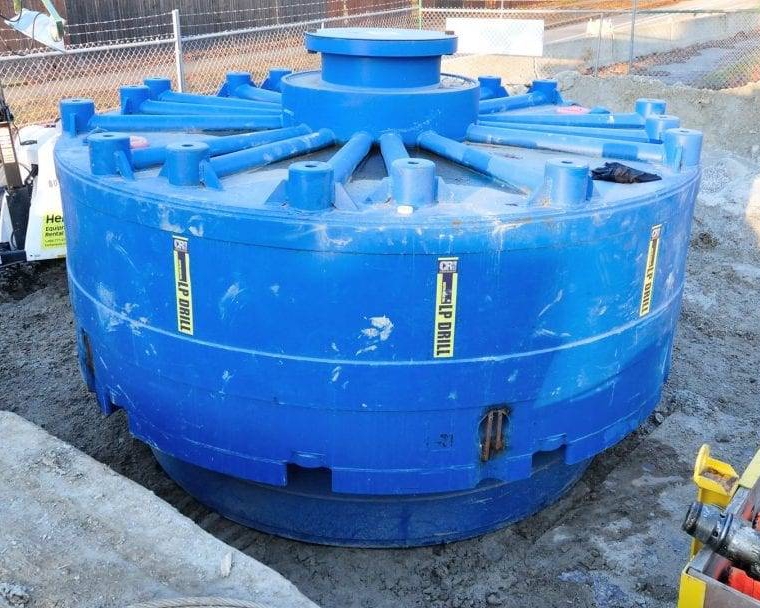
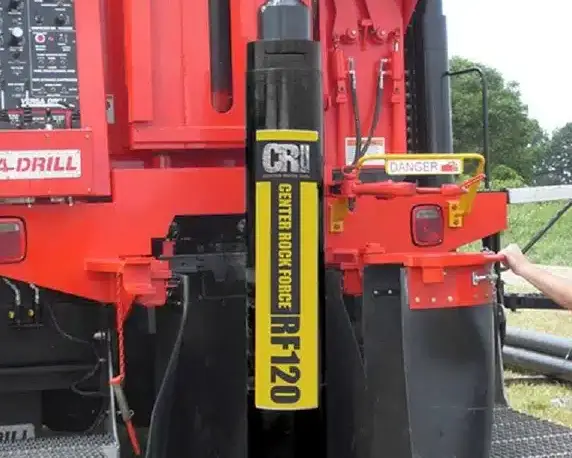
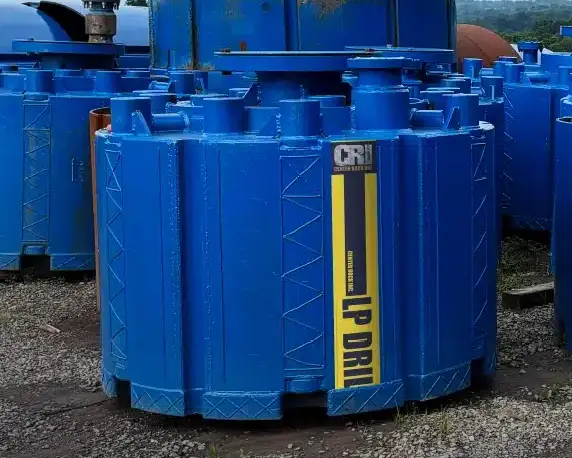
Center Rock Inc. designs and manufactures rock drilling tools for construction, foundation drilling, mining, quarrying, geothermal, utilities, oil and gas, and other drilling applications. Founded in 1998 in Berlin, Pennsylvania, the company manufactures DTH hammers, bits, LP Drills, casing advancement systems, and related drilling equipment.
For foundation and construction drilling, Center Rock offers DTH hammers and bits, LP Canister Drills and hole openers, ROTO LOC casing advancement systems, and drilling support equipment. Its DTH hammers and bits are available for foundation and geotechnical drilling applications, while its LP Drills provide large-diameter rock drilling capabilities. Center Rock also offers support equipment including water and oil injection systems, air manifolds, and HYDRO-JAW breakout/make-up systems.
Products
- DTH Hammers
- DTH Bits
- LP Canister Drills
- Hole Openers
- ROTO LOC Casing Advancement Systems
- Drill Pipe
- Water Injection Systems
- Oil Injection Systems
- Air Manifolds
- HYDRO-JAW Breakout/Make-Up Systems
- Drilling Support Equipment
Center Rock Inc.

Description
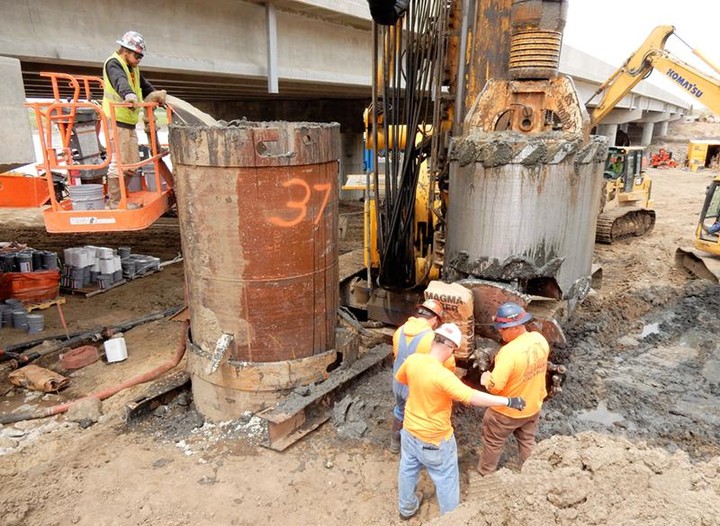
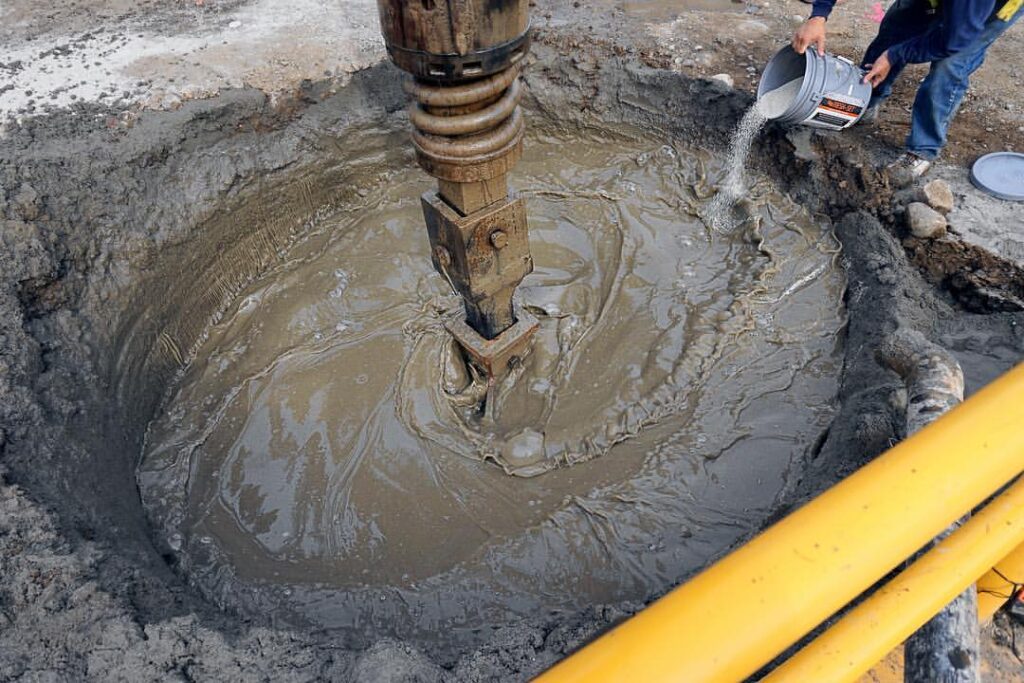
MATRIX Construction Products, LLC provides polymer and bentonite drilling fluids, additives, chemicals, and equipment for foundation drilling and heavy civil construction. Founded in 2013 and based in Marquette, Michigan, MATRIX focuses on slurry drilling products and technical support for deep excavations, including foundation drilled shafts, diaphragm slurry walls, tunneling, soil mixing, and micropiles.
Its foundation drilling products include polymer and bentonite drilling fluids designed to support excavations, along with additives and chemicals for controlling slurry properties and addressing site-specific drilling conditions. MATRIX also supplies slurry testing and mixing equipment used to monitor and prepare drilling fluids in the field.
Products
- BIG-FOOT® Polymer Slurry
- BLACK-BEAR™ Biodegradable Drilling Fluid
- MATRIX-GEL® Premium Grade Bentonite
- MEGA-GEL® High Yield Premium Bentonite
- MO’S-MUD® Strong Viscosity Booster
- BLOCK-AID® Plugging Mineral Chips
- CRISS-CROSS® Thinner for Mineral Slurry
- DIUTAN-GUM® Biopolymer Viscosity Modifying Agent
- FAST-FLOC® Rapid Acting Liquid Flocculent
- FORTIFY® Slurry Loss Additive
- BASE-X® Mix Water Conditioner
- BICARBONATE® Sodium Bicarbonate
- CHLOR-AWAY® Dry Chlorine Neutralizer
- M-BOOSTER® Dry pH Adjuster
- NEUTRALIZER® BIG-FOOT Slurry Breaker
- ENZYME BREAKER® Universal Breaker for Biopolymer Fluids
- Slurry Test Kits
- Slurry Samplers
- Mud Balances
- Marsh Funnel Viscometers
- Sand Content Kits
- pH Test Strips
- Hardness Test Strips
- Chlorine Test Strips
- 3” MATRIX Hydro-Mixer
MATRIX Construction Products, LLC
Description
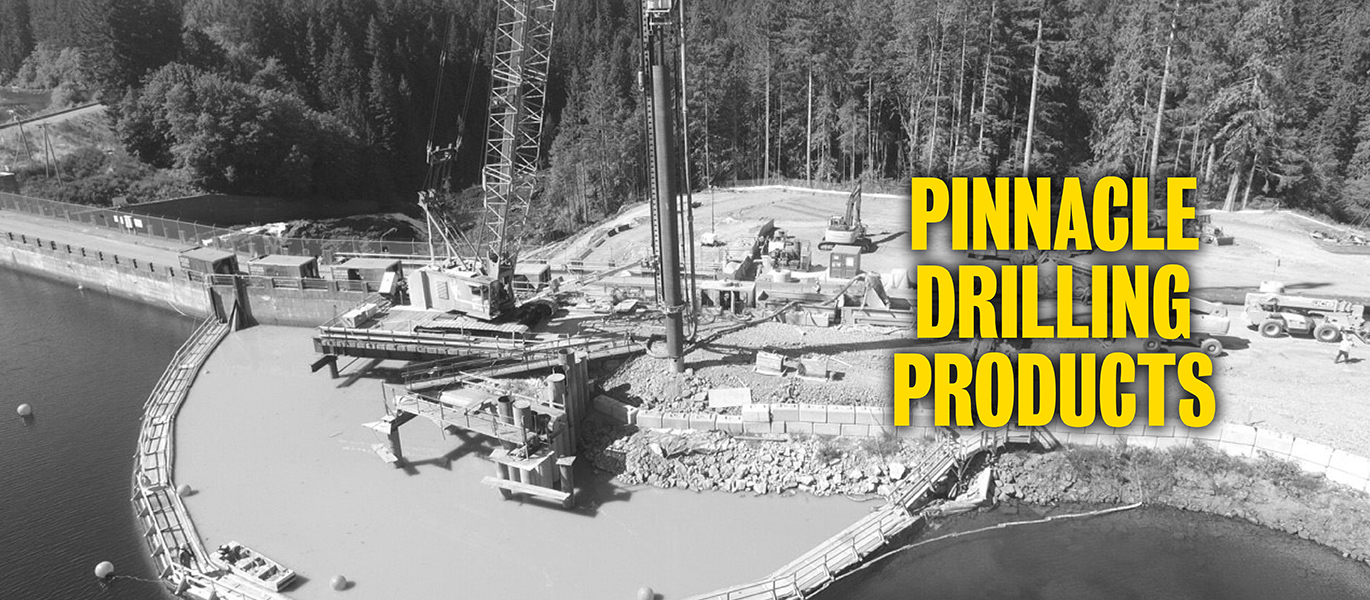
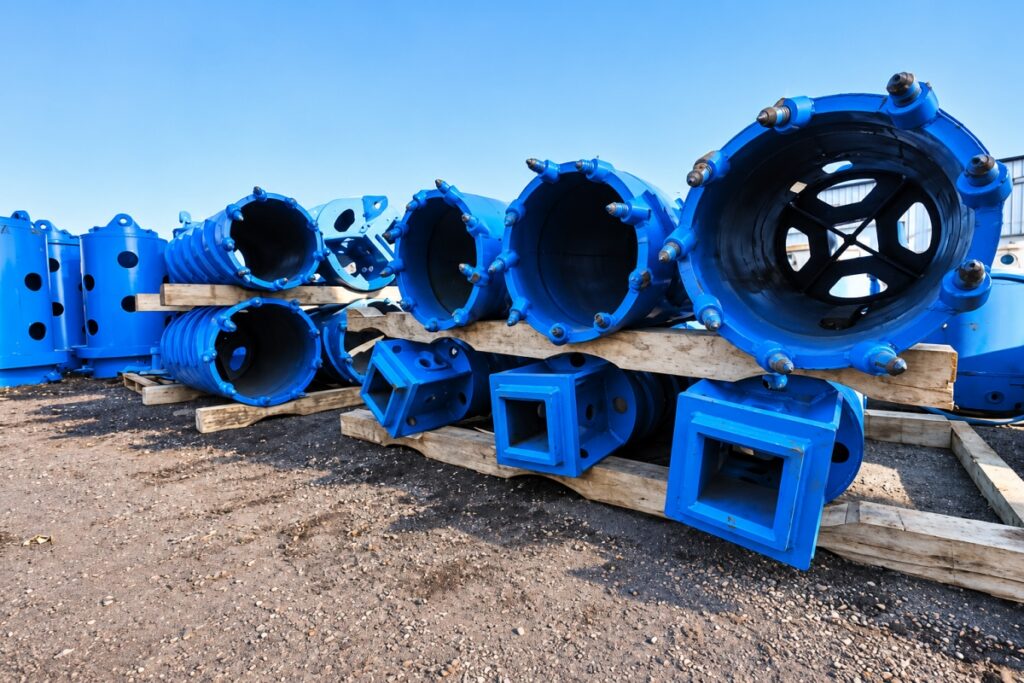
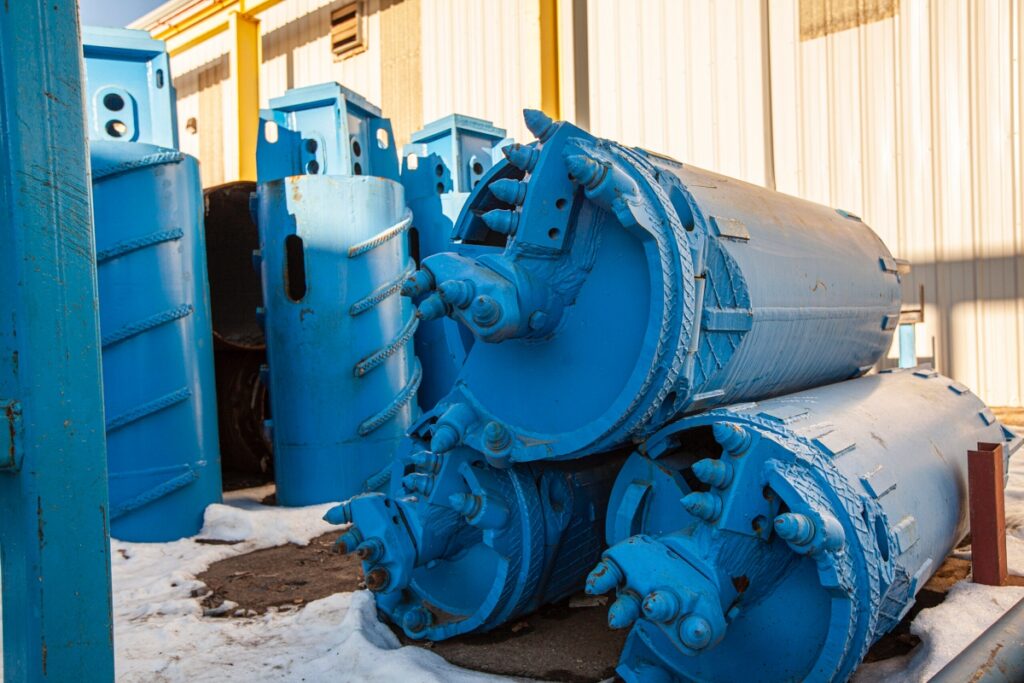
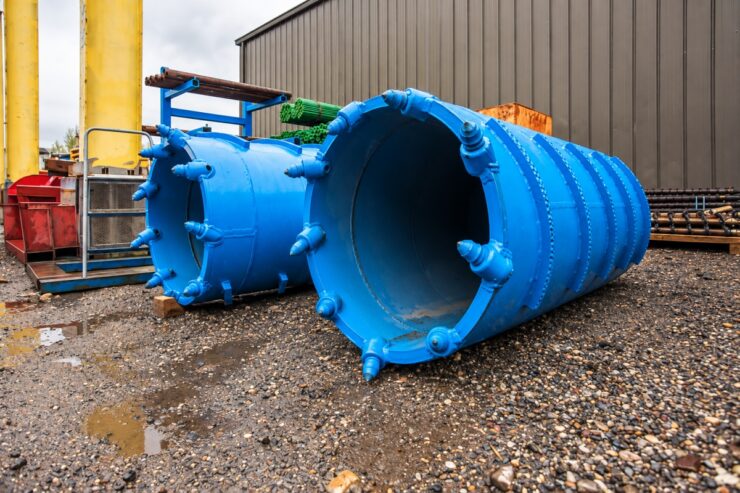
Pinnacle Drilling Products is a drilling equipment manufacturer and supplier serving construction, mining, water well, and geotechnical applications throughout North America. The company provides drilling products ranging from foundation drilling tooling and wear components to DTH equipment, casing systems, drill rods, and support equipment. Pinnacle also provides engineering, custom manufacturing, and design support.
For foundation drilling, Pinnacle offers rock and dirt augers, core barrels, drilling and cleanout buckets, segmented casing and casing drivers, and replaceable wear components. Its broader drilling product line also includes DTH hammers and bits, casing advancement systems, drill rods, shock absorbers, swivels, and related drilling equipment.
Products
- Rock Augers
- Dirt Augers
- Core Barrels
- Rock Drilling Buckets
- Dirt Drilling Buckets
- Cleanout Buckets
- Segmented Casing
- Casing Drivers
- Wear Components
- DTH Hammers
- DTH Bits
- Casing Advancement Systems
- Drill Rods
- Threaded Casing
- Shock Absorbers
- Swivels
- Breakout Tools
- Manifolds
- Drilling Support Equipment
Pinnacle Drilling Products
Description
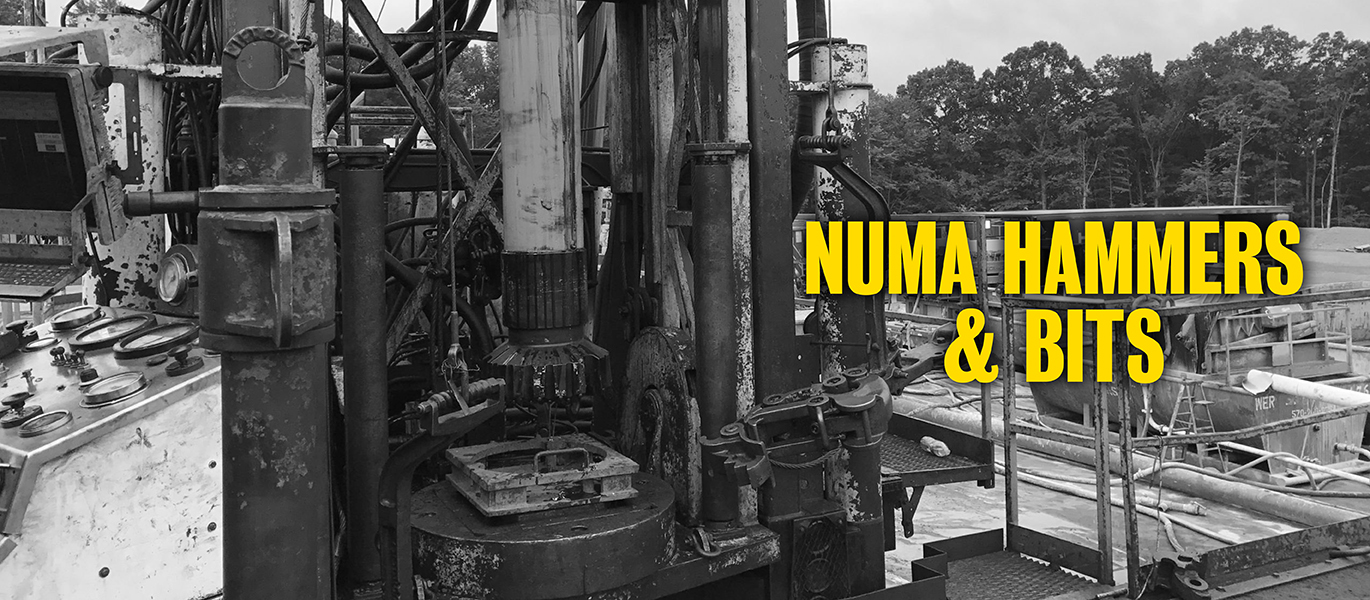
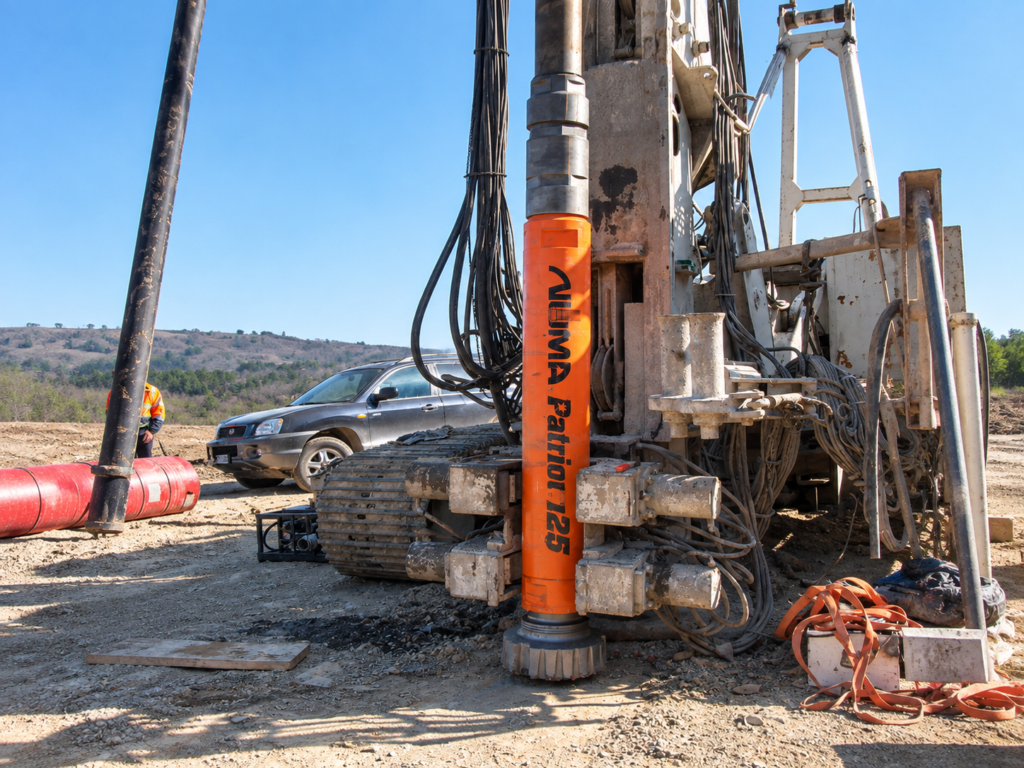
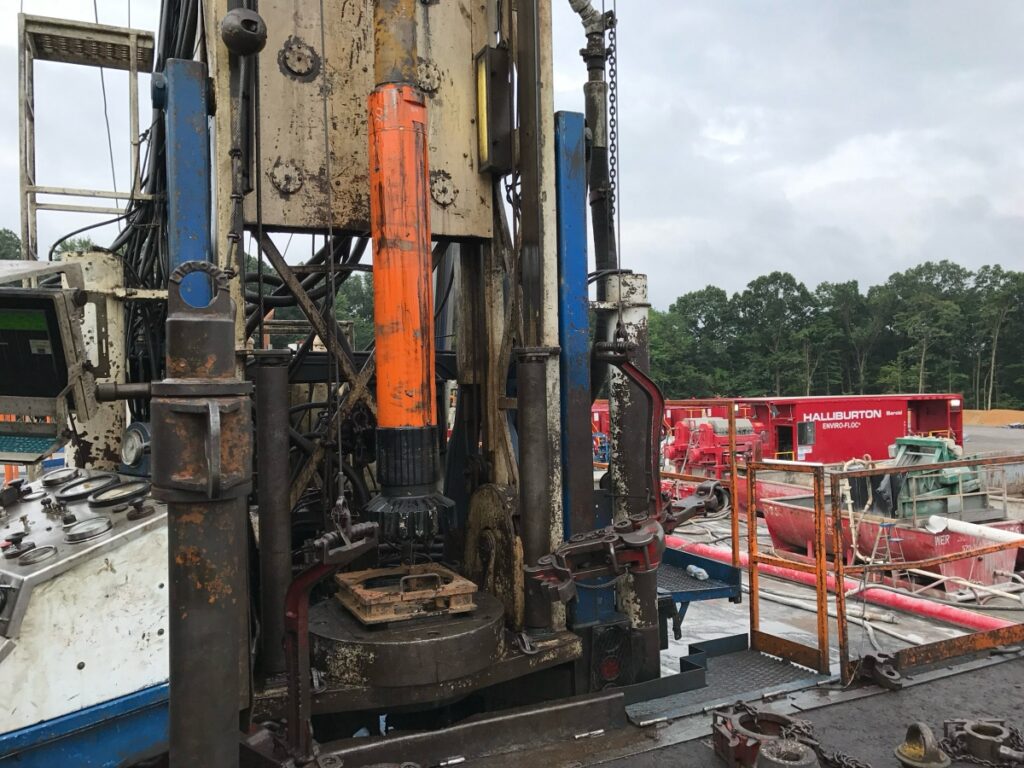
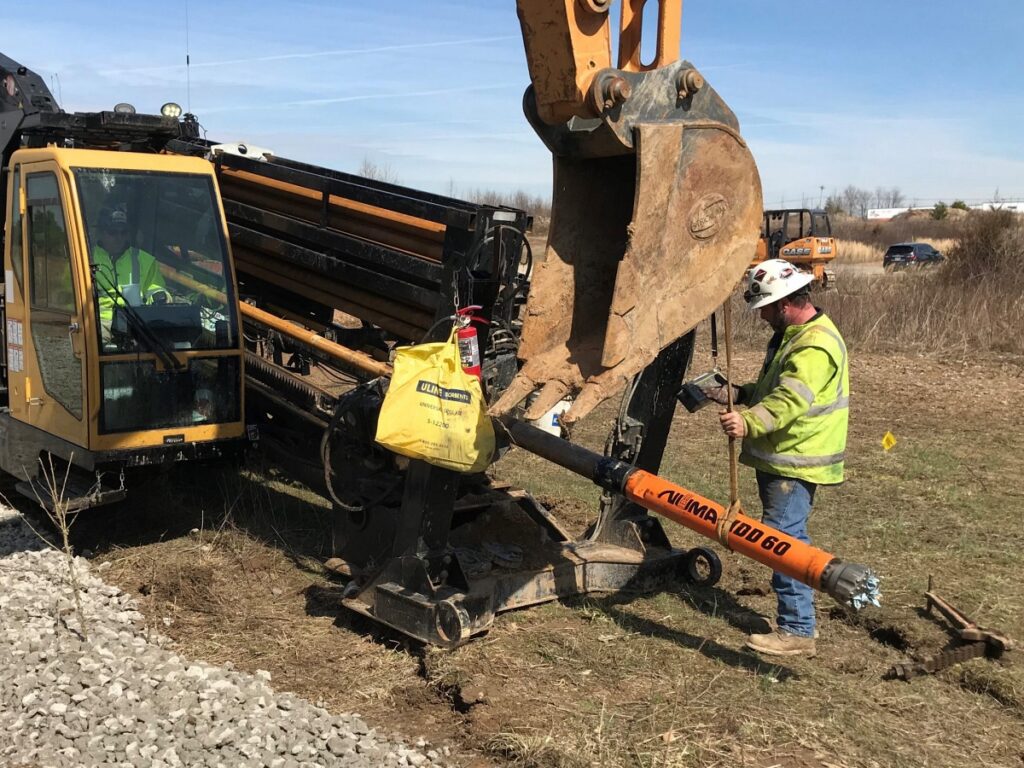
Numa designs and manufactures rock drilling products for construction, foundation drilling, mining, quarrying, geothermal, water well, and other drilling applications. With more than 40 years of rock drilling experience, the company manufactures its products in the United States and offers drilling systems for a wide range of hole sizes and ground conditions.
For piling and foundation drilling, Numa provides conventional and reverse circulation hammers and bits, overburden drilling systems, hole openers, casing ring bits, impact ring bits, and related rock drilling products. Its foundation drilling products are used for applications including piles, caissons, micropiles and mini-piles, tiebacks, soil nails, piers, shafts, and anchors.
Products
- Small Conventional Hammers and Bits
- Large Conventional Hammers and Bits
- Reverse Circulation Hammers and Bits
- Super Jaws® Overburden Bits
- Hole Openers
- Casing Ring Bits
- Impact Ring Bits
- Utility Pole Rock Drills
Numa Hammers & Bits
Description
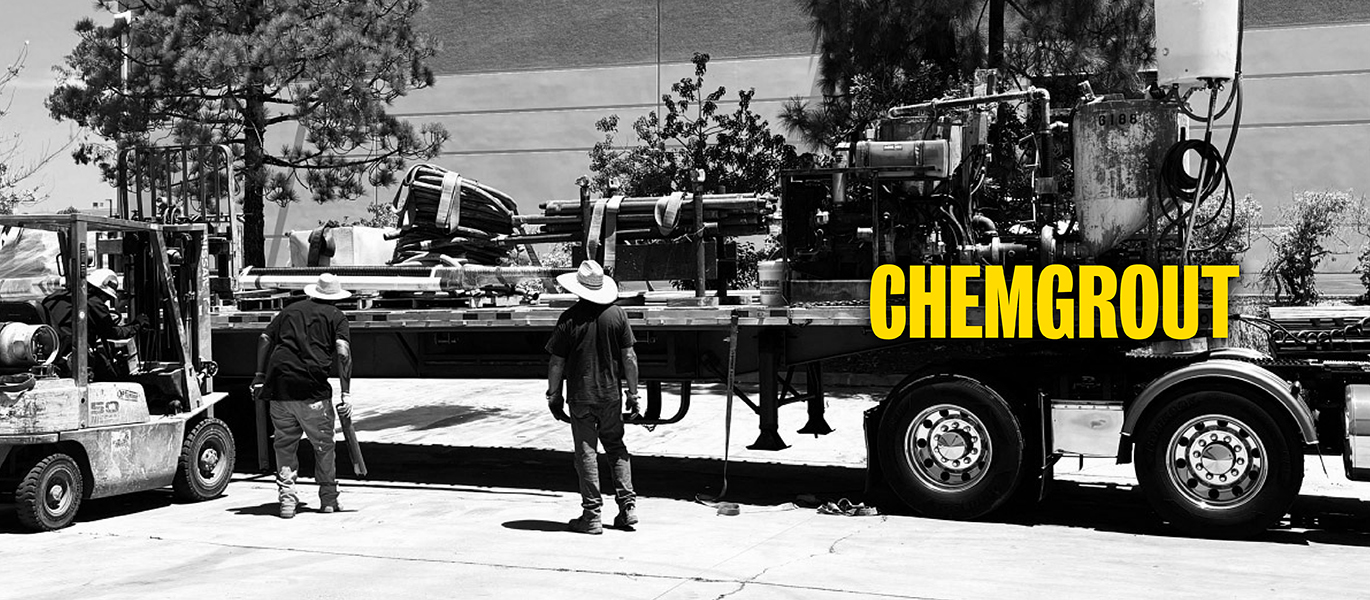
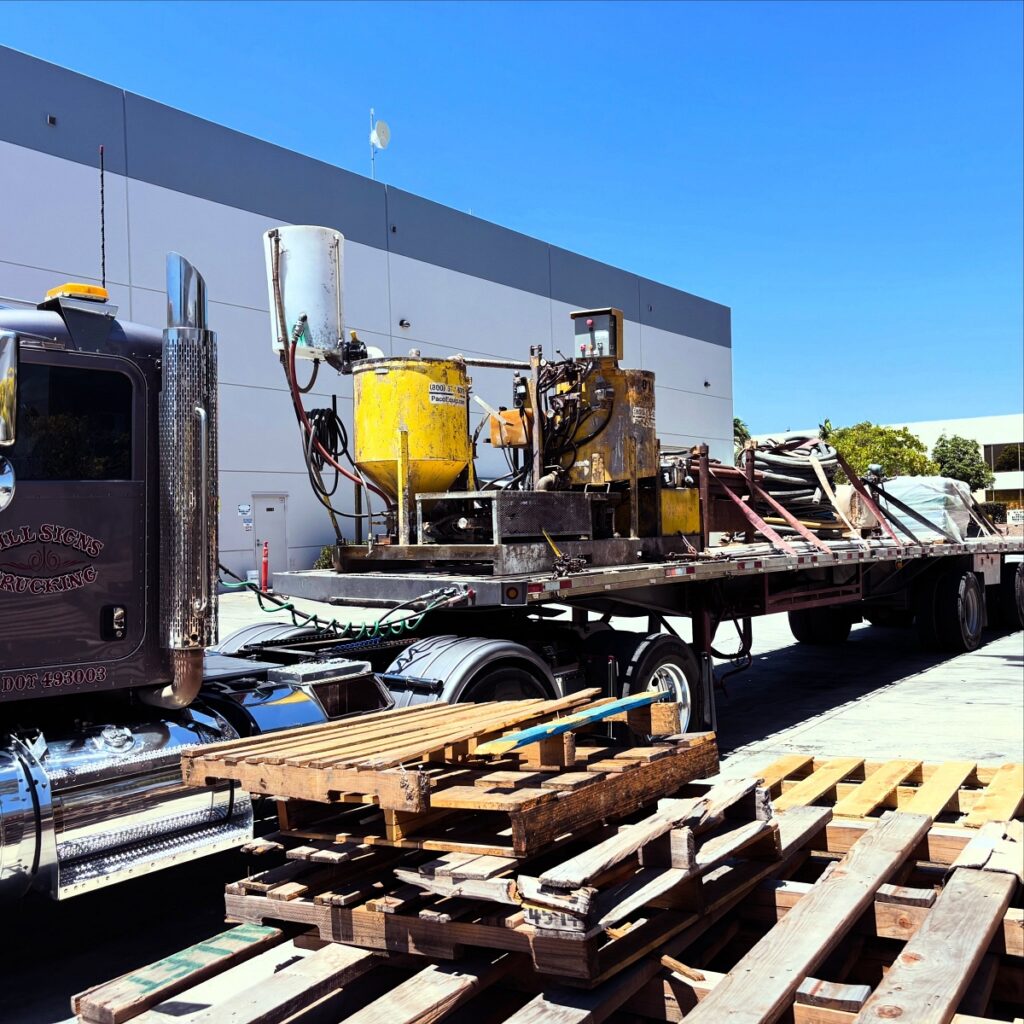
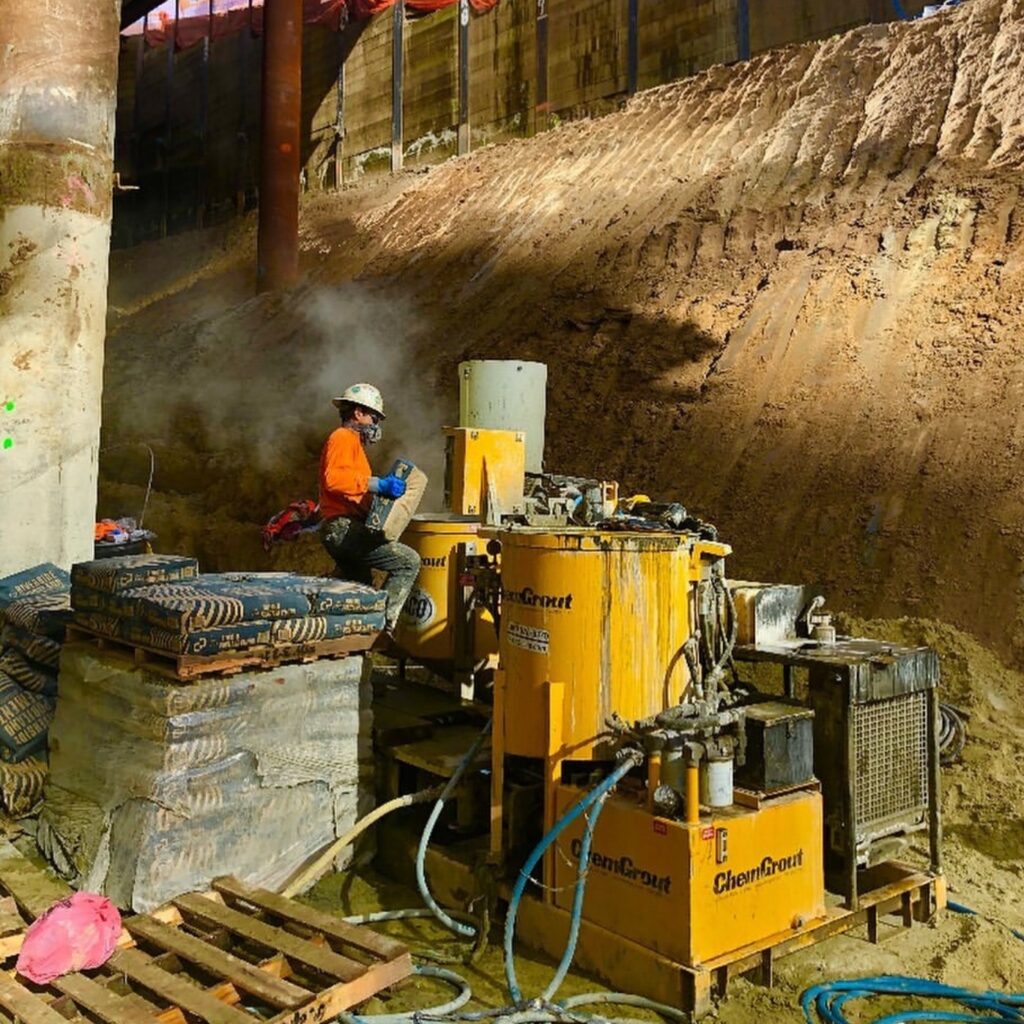
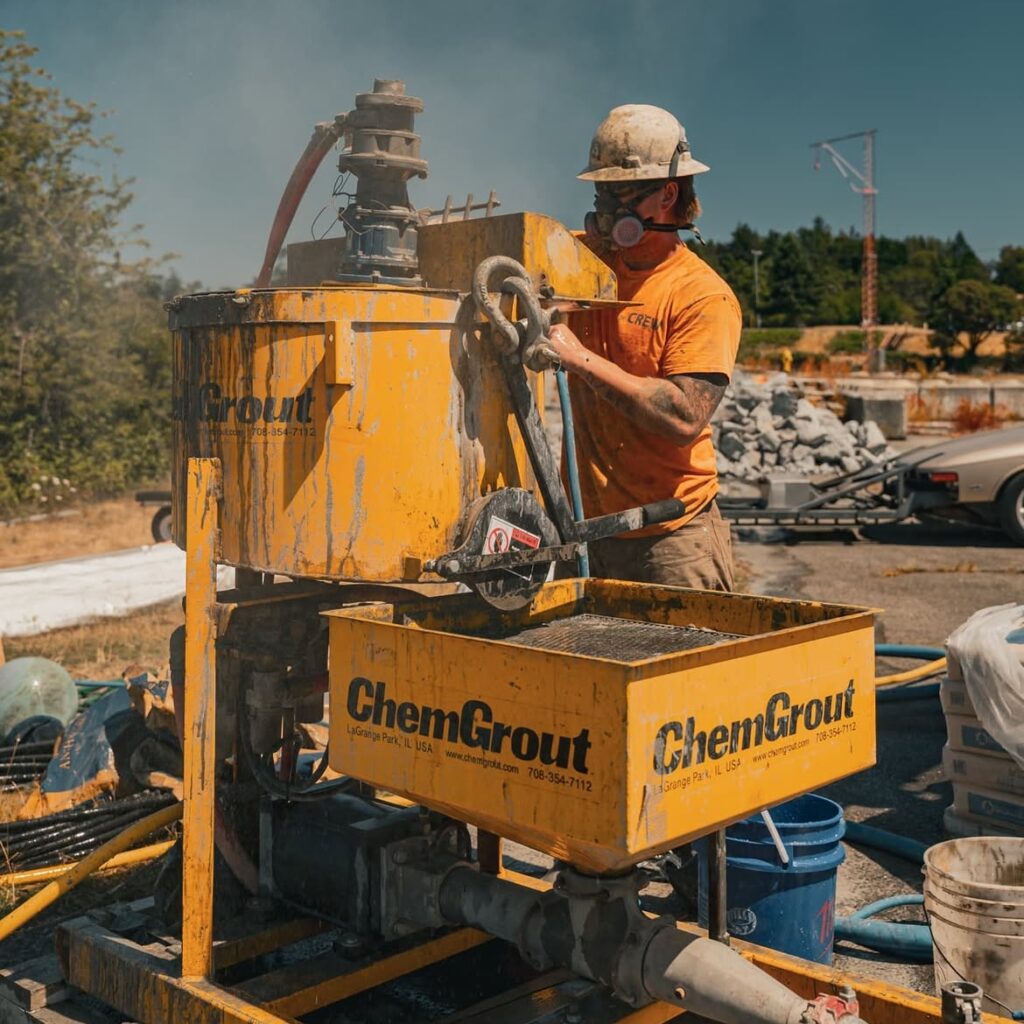
ChemGrout manufactures grouting equipment for geotechnical, heavy construction, tunneling, mining, utilities, and other construction applications. Founded in 1963 as a grouting contractor, the company later focused entirely on designing and manufacturing grouting equipment and today produces standard and custom systems for a wide range of grout materials, capacities, and pressures.
For foundation and geotechnical applications, ChemGrout offers grout pumps, colloidal and paddle mixing equipment, complete grout plants, mixers and agitators, and grouting accessories. Its equipment supports applications such as micropiles, soil anchors, tiebacks, foundations, soil and rock grouting, rock bolts, and other ground improvement and stabilization work.
Products
- Grout Pumps
- Colloidal Mixing Equipment
- Paddle Mixing Equipment
- Geotechnical Grout Plants
- High-Pressure Grout Pumps
- Mixers and Agitators
- Piston Grout Pumps
- Plunger Grout Pumps
- Progressing Cavity Grout Pumps
- Grout Hoses
- Water Batchers
- Pressure Gauges
- Packers
- Grouting Accessories
Chemgrout
Description
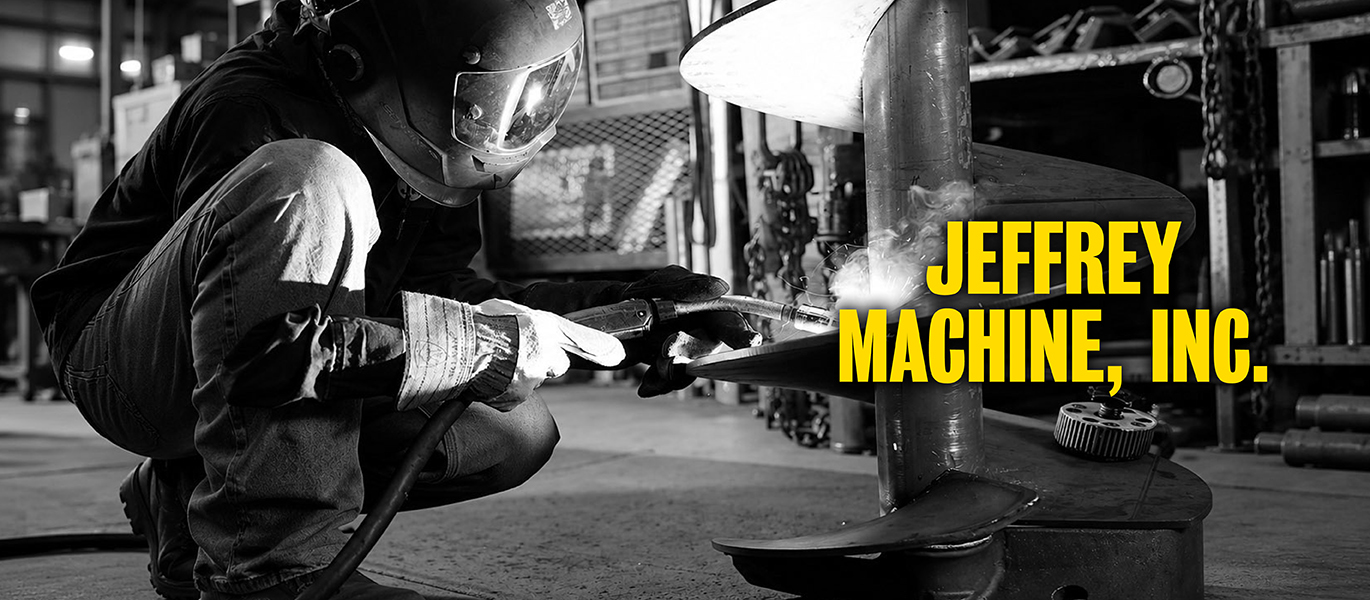
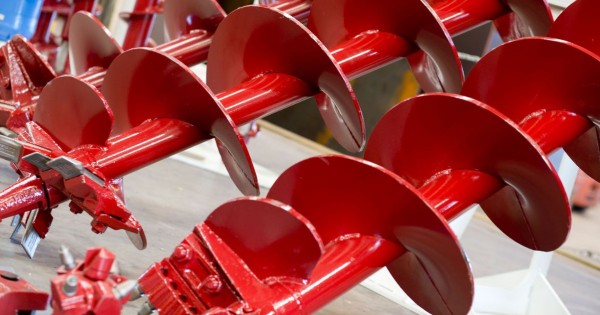
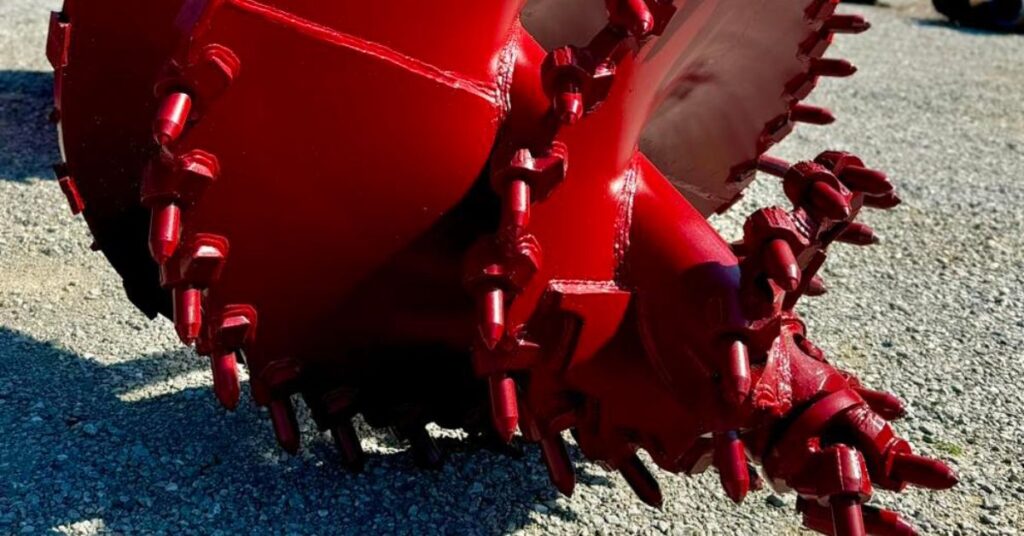
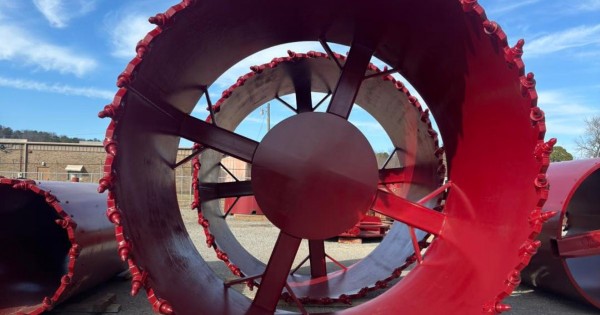
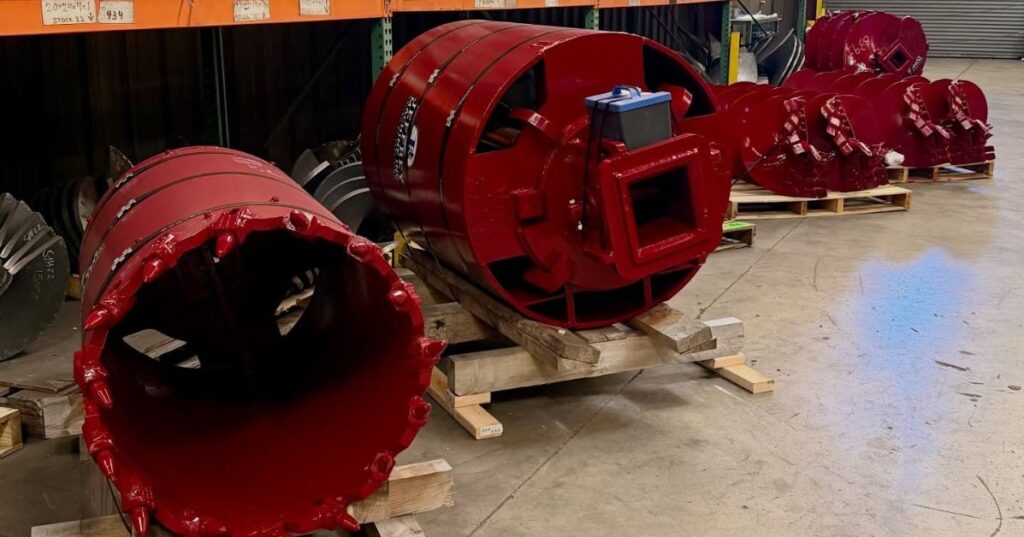
Jeffrey Machine, Inc. manufactures auger tooling and a wide range of drilling tools for foundation, utility, heavy, and light construction applications. The company has been repairing, rebuilding, and manufacturing augers since 1983 and manufactures its foundation drilling tools at its facility in Birmingham, Alabama. Jeffrey Machine also offers custom drilling tools and maintains a second location in Haltom City, Texas.
For foundation drilling, Jeffrey Machine offers dirt and rock augers, continuous flight augers, casing twister augers, core barrels, drilling and cleanout buckets, casing twisters, and related tooling. The company also supplies Kelly adapters, Kelly boxes, cutting teeth and holders, pilot bits, couplers, and other wear parts and accessories.
Products
- Dirt Augers
- Rock Augers
- Pilotless Rock Augers
- Multi-Purpose Augers
- Casing Twister Augers
- Continuous Flight Augers
- Core Barrels
- Drilling Buckets
- Cleanout Buckets
- Retrieval Buckets
- Belling Tools
- Rock Mills
- Casing Twisters
- Kelly Adapters
- Kelly Boxes
- Spline Couplers
- CFA Hex Couplers
- CFA Threaded Couplers
- Cutting Teeth and Holders
- Pilot Bits
- Wear Parts