
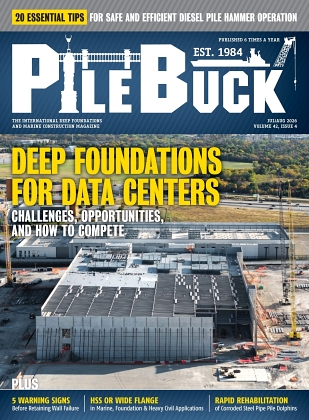

Deep Foundations for Data Centers: Challenges, Opportunities, and How to Compete
View the complete article here.
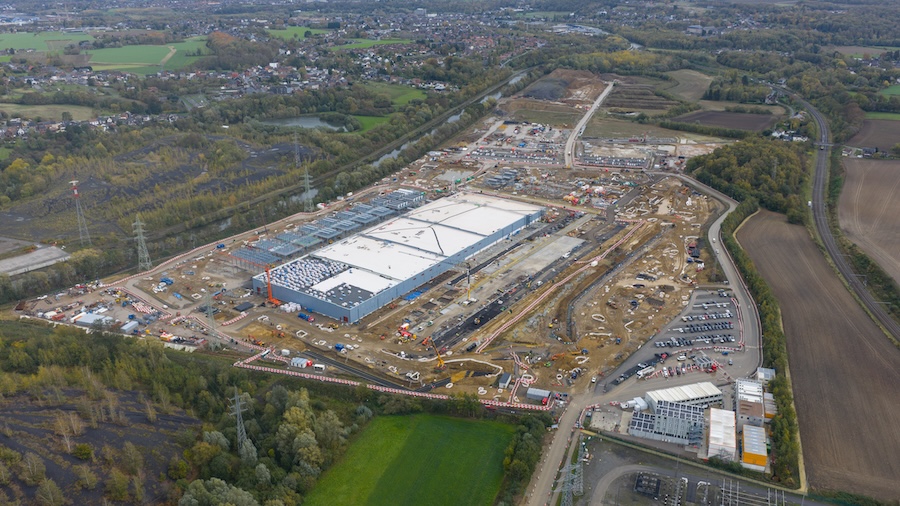
More than 700 data centers are currently under construction across the United States, and foundation contractors are feeling the impact.
Data center construction has become one of the busiest segments in the commercial and industrial market. Hundreds of new facilities are under construction across the United States right now, with strong pipelines of additional projects in planning and development. Construction spending on these buildings has climbed sharply in recent years, and the pace shows little sign of slowing.
These are not ordinary warehouse or office projects. Data centers are large, heavy structures packed with sensitive equipment that cannot tolerate much settlement or movement. The combination of high loads and tight settlement limits puts real pressure on the foundation system and creates steady demand for experienced deep-foundation contractors, drillers, pile drivers, and geotechnical partners.
This article is for foundation contractors of every size, specialty subcontractors, engineers, and the suppliers who support them. Data center projects present both challenges and real opportunities—and understanding the foundation demands, jobsite realities, and practical ways to compete can help firms of all sizes get involved.
Why Data Centers Need Strong Deep Foundations
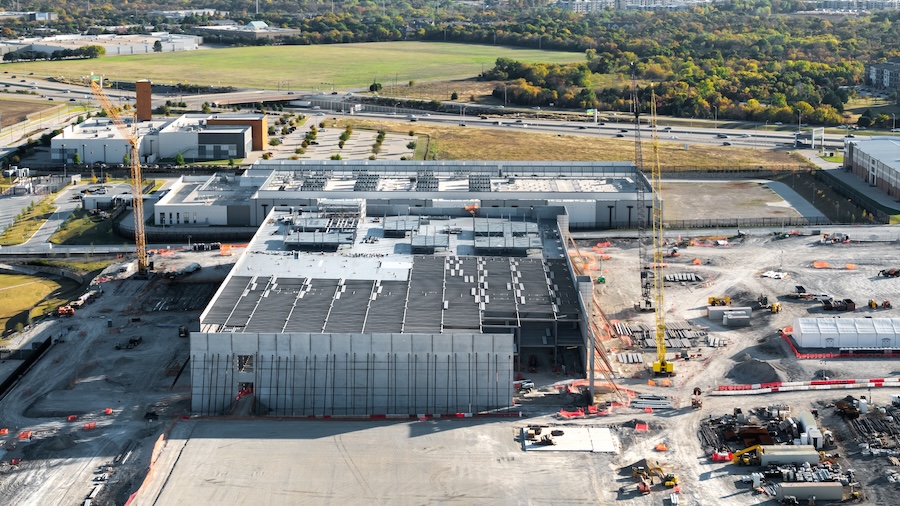
Data centers put unusually high loads on the ground. Individual columns often carry loads well over 1,000 kips, and floor slabs must support heavy equipment and dense rack layouts. Because the equipment inside is sensitive, differential settlement must be tightly controlled. Even modest movement can create problems with raised floors, equipment alignment, and long-term performance.
On many sites, the near-surface soils simply are not strong or consistent enough for conventional shallow foundations. Soft clays, loose sands, high water tables, or expansive soils are common in the regions where these facilities are being built. In those conditions— driven piles, drilled shafts, continuous-flight-auger piles, or helical piles become the practical solution. They transfer the loads to deeper, more reliable material and give the structural engineer the settlement control the project requires.
Uplift and lateral loads from generators, cooling equipment, and outdoor structures add another reason deep foundations are frequently specified. In short, these buildings need foundations that perform under heavy, concentrated loads with very little tolerance for movement.
Key Challenges on Data Center Foundation Projects
Data center foundation work comes with a distinct set of pressures that set it apart from typical commercial or industrial projects. Tight schedules, variable soils, vibration limits, and heavy coordination demands all stack up—and delays in the foundation package can quickly affect the entire job.
Tight schedules are one of the most significant pressures on these projects. Owners and developers push hard to get buildings online as quickly as possible, which leaves limited float in the foundation package. When piling, drilling, or ground improvement falls behind—it often delays structural steel, elevated decks, and equipment installation. Contractors are expected to maintain production even when weather, soil conditions, or site access create obstacles.
Variable soils add another layer of difficulty. Many data center sites sit on soft clays, loose sands, high water tables, or expansive materials that look manageable at the surface but change once installation begins. Unexpected low blow counts, artesian conditions, or abrupt soil transitions can force changes in pile length, diameter, or installation method mid-project. Having flexible equipment and crews that can adapt without major delays becomes a real advantage.
Vibration and noise limits can restrict the use of impact-driven piles. Existing facilities, nearby residential areas, or sensitive equipment on site can make high vibration levels a legitimate concern. In those situations—many projects shift toward continuous-flight-auger piles, drilled shafts, or helical piles. Each of these methods brings different production rates, quality-control needs, and equipment requirements—so contractors who can move between systems efficiently are better positioned.
Large concrete volumes are a major part of the work. Thick pile caps, grade beams, and structural slabs demand carefully controlled placement—often with aggressive early-strength requirements. Close coordination between the foundation contractor, ready-mix supplier, and testing lab is essential to avoid cold joints or strength problems that can delay the rest of the structure.
Labor and equipment pressure is a real constraint on many data center jobs. Experienced pile-driving and drilling crews are already stretched thin—and lead times for large hydraulic hammers, high-torque drill rigs, and specialty casings can run longer than the project schedule allows. When several data centers are under construction in the same region at once, the competition for both skilled operators and heavy equipment intensifies. Contractors who keep their fleets well-maintained and cross-train crews so they can move between driven piles, CFA, and helical work are better able to stay productive under these conditions.
Coordination with other trades creates more friction on data center projects than on most industrial work. Foundations have to line up precisely with dense networks of underground duct banks, storm and sanitary lines, and future equipment pads. When electrical or mechanical teams make late changes, pile caps and grade beams often need to be redesigned. Early and consistent communication with the general contractor and design team is one of the best ways to catch these conflicts before they turn into expensive rework.
Permitting and local pushback introduce schedule uncertainty on some sites. A growing number of communities have slowed or paused new data center projects, which can delay notice to proceed or force last-minute adjustments to foundation plans. Contractors who stay flexible and maintain strong relationships with local inspectors and engineers are better able to navigate these situations when they arise.
Room for Large, Mid-Size, and Smaller Contractors
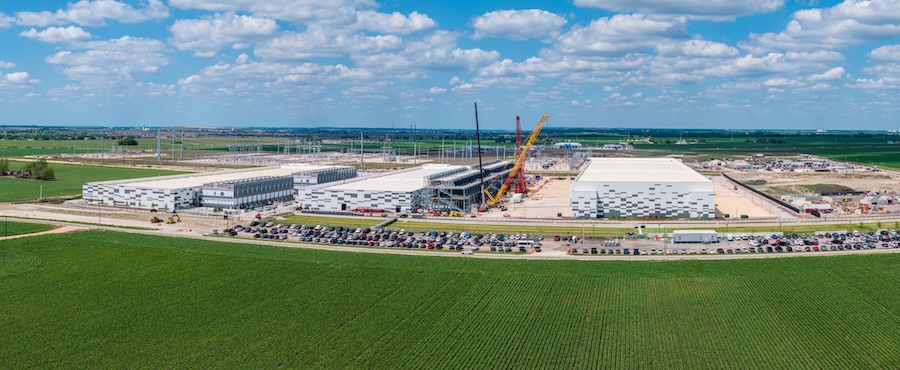
The general contractors that lead the largest data center campuses are usually big national or strong regional firms. These companies often hold the master contracts and manage overall coordination, but that does not mean smaller and mid-size foundation contractors are shut out of the work.
In practice—foundation, earth-retention, and ground-improvement packages are regularly subcontracted. Many data center projects are built as multi-building campuses constructed in phases. This structure creates repeated opportunities for specialty crews to come in on individual buildings, equipment yards, or later phases once the initial work is underway.
A significant amount of the foundation scope also falls outside the main building footprint. Equipment pads, generator foundations, cooling structures, transformer yards, and utility buildings frequently use helical piles or smaller-diameter drilled systems. These packages are often well-suited to regional specialists who can mobilize quickly and work efficiently on discrete areas of the site.
Firms that already perform heavy industrial, power plant, or large warehouse foundations usually have relevant experience and equipment that transfers well. What ultimately matters most is not the overall size of the company—but the ability to demonstrate consistent performance on schedule, strong quality control, and the capacity to handle the specific demands of these projects.
How to Position Your Firm for Data Center Foundation Jobs
Winning data center foundation work takes more than competitive pricing. Contractors who consistently show up prepared with the right experience, systems, and relationships put themselves in a stronger position to earn the work.
Building relationships early remains one of the most effective steps contractors can take. The general contractors and developers who repeatedly win data center work tend to rely on a relatively small group of trusted foundation subcontractors. Introducing your firm with a clear capability statement that highlights load capacity, settlement performance, and schedule reliability helps put you on their radar before bids are released. Consistent follow-up and a willingness to review early foundation packages or provide conceptual pricing can further strengthen those relationships.
Documenting relevant experience carries more weight than many firms realize. Owners and general contractors want evidence that a foundation contractor has successfully handled high column loads, tight settlement criteria, and vibration-sensitive sites. Projects involving heavy industrial facilities, power plants, or large warehouse structures with demanding performance requirements often translate well. Presenting this experience clearly—with specific details on loads, pile types, testing methods, and outcomes—makes it easier for decision-makers to see the fit.
Strengthening testing and quality systems is increasingly expected on these projects. Dynamic testing with the Pile Driving Analyzer, static load tests, and integrity testing are common requirements. Contractors who can self-perform or tightly manage these services—and who deliver clean, well-organized documentation—reduce risk for the general contractor and design team. A documented quality control plan that addresses installation tolerances, concrete placement, and as-built records further improves credibility.
Offering low-vibration foundation options gives contractors more flexibility when impact driving is restricted. Continuous-flight-auger piles, drilled shafts, and helical piles are frequently specified or preferred on sites near existing facilities or residential areas. Firms that maintain the equipment and crew experience to switch between these systems without major disruption are better able to adapt to project-specific constraints and remain competitive across a wider range of jobs.
Partnering with experienced geotechnical firms helps reduce redesign risk and strengthens proposals. Early collaboration on pile capacity, settlement analysis, and ground-improvement options allows foundation recommendations to be refined before final design. General contractors and owners generally view teams that bring strong geotechnical support as lower risk, especially on sites with variable or marginal soils.
Maintaining strong safety and schedule performance continues to influence selection. Data center projects place heavy emphasis on safety metrics and the ability to meet aggressive timelines. An excellent EMR, clean incident history, and a track record of finishing foundation packages on time provide tangible proof that a contractor can perform under pressure.
Reviewing bonding and insurance capacity is a practical step many mid-size firms overlook until it becomes a barrier. Larger foundation packages on multi-building campuses can require higher bonding limits than typical commercial work. Addressing this in advance prevents last-minute obstacles when opportunities arise.
Staying current with equipment and installation methods also matters. Modern high-capacity hydraulic hammers, torque-monitored helical systems, and drill rigs with automated data recording improve both production and the quality of submittals. Contractors who invest in reliable equipment and keep operators trained on multiple systems are better prepared to meet the technical and schedule demands these projects impose.
Key Equipment and Materials for Data Center Foundation Work
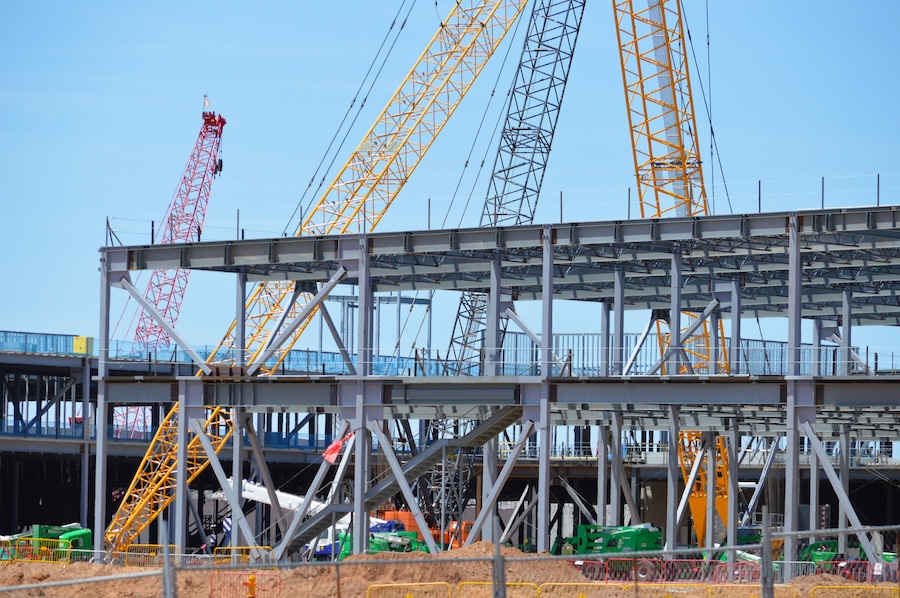
Data center foundation work relies on many of the same tools and materials used on other heavy construction projects. The difference usually comes down to scale, performance demands, and the need to adapt quickly when soil conditions or vibration limits change.
Driven piles remain a common solution for high-capacity applications. Steel H-piles, pipe piles, and precast concrete piles are frequently specified when the design calls for significant axial and lateral resistance. Hydraulic and diesel hammers, along with properly sized leaders and vibratory drivers, need to be capable of handling the required capacities while maintaining production under tight schedules.
Drilled shafts and continuous-flight-auger piles are widely used when vibration must be limited or when high capacities are needed in certain soil profiles. Large-diameter shafts and CFA systems allow contractors to reach competent bearing layers with less disturbance to surrounding areas. Modern drill rigs with automated monitoring and data recording help meet the documentation standards these projects often require.
Helical piles have found a growing role on data center sites—especially for equipment pads, generator foundations, cooling structures, transformer yards, and other secondary structures. They install quickly, produce minimal spoil, and can be load-tested immediately through torque monitoring. On suitable soils, they also appear in primary foundation systems when speed and low vibration are priorities.
Steel supply is a critical supporting element. High-strength pile sections, casings, rebar cages, and structural steel for pile caps and platforms all need to arrive on time and meet the project specifications. Reliable relationships with steel suppliers help prevent delays when multiple large projects are competing for the same materials.
Ground improvement methods such as vibro-stone columns, controlled modulus columns, and deep soil mixing are often used alone or in combination with deep foundations. These techniques can improve weak near-surface soils, reduce pile lengths, or provide a more economical solution on certain sites. Contractors who understand when and how to integrate ground improvement gain additional flexibility in both design and pricing.
Earth retention systems, including sheet piles and soldier pile walls, are frequently required for utility trenches, grade changes, and deeper excavations around the buildings. These systems must be coordinated carefully with the permanent foundation work to avoid conflicts and keep the overall schedule intact.
Looking Ahead
Data center construction is expected to remain strong for several more years. As the equipment inside these buildings continues to get denser and heavier, column and slab loads will keep rising, which means foundation systems will stay critical. Owners and developers are also looking for faster installation methods and lower-impact solutions. Approaches that reduce spoil, shorten schedules, or limit vibration—such as helical piles or optimized ground improvement—are likely to see more use.
These projects create steady, high-value foundation work across many regions. They demand the ability to handle high loads, control settlement, work to aggressive schedules, and adapt when soils or site conditions change. Whether you are a large foundation contractor, a mid-size specialty firm—or a supplier of pile-driving equipment, helical systems, drilling rigs, steel, or geotechnical services—the opportunity is real. The contractors who prepare now—by building relationships, documenting relevant experience, and offering flexible foundation solutions—will be best positioned to win their share of the work.
View the complete article here.
SOURCES:
- Lawrence Berkeley National Laboratory – 2024 United States Data Center Energy Usage Report (December 2024) and United States Data Center Energy Usage Report: 2025 Update (June 2026)
- S. Energy Information Administration – “Data center server energy use grows across the commercial building stock” (Today in Energy, May 19, 2026) and Annual Energy Outlook 2026
- Congressional Research Service – Data Centers and Their Energy Consumption: Frequently Asked Questions (Report R48646, updated May 2026)
- National Conference of State Legislatures – “Which States Are Banning Data Centers?” (updated July 2026)
- S. Census Bureau – Construction Spending data (monthly and annual private nonresidential construction statistics)
- S. Department of Energy – Office of Electricity / Grid Deployment Office documents on data center electricity demand and grid infrastructure needs
