


5 Signs of Retaining Wall Failure Caused by Hydrostatic Pressure
View the complete article here.
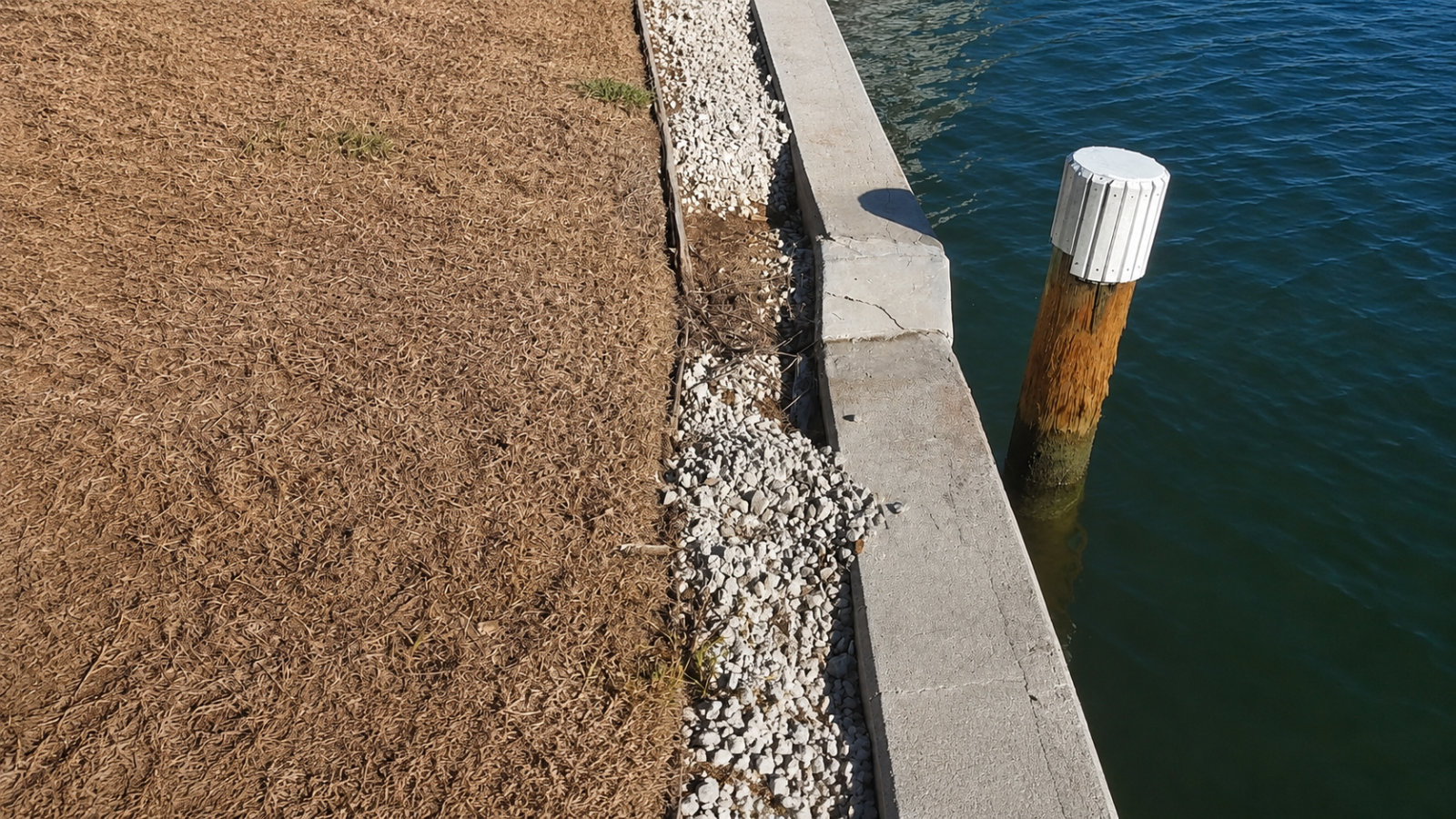
Hydrostatic pressure is a leading cause of retaining wall failure, but it is also one of the most preventable. Water can build up silently behind a wall when drainage stops working. As pressure increases, the wall may begin to crack, bow, tilt, or experience soil loss.
The warning signs often appear before a major failure occurs. Identifying them early can help engineers, contractors, and project owners address drainage problems before the damage becomes more severe.
1. Weep Holes Stay Dry After Rain
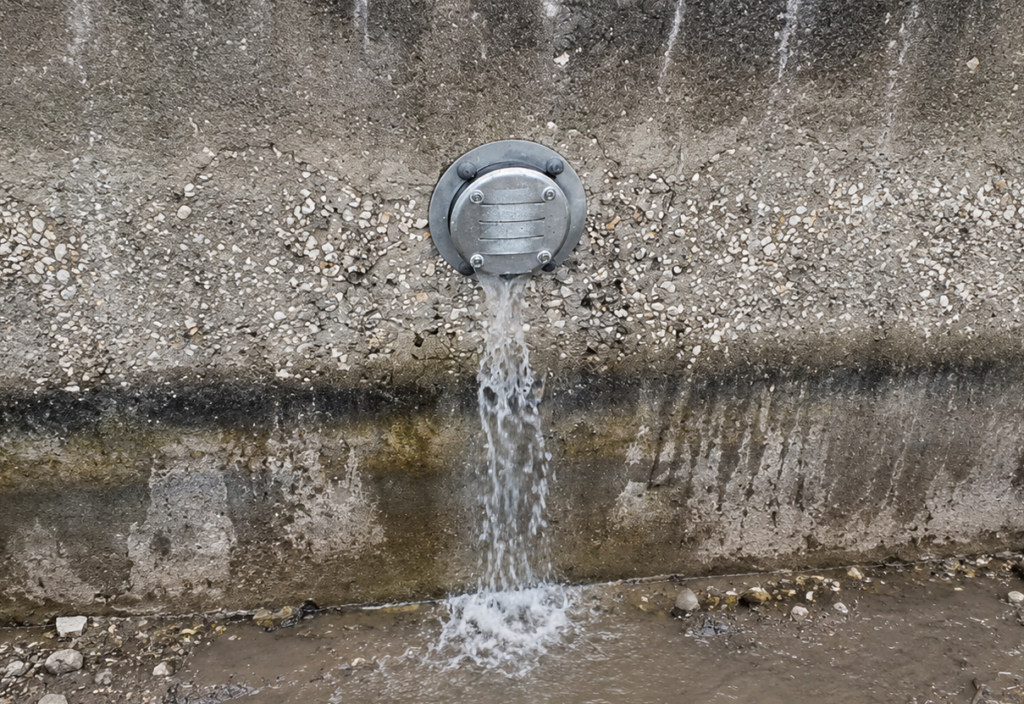
Weep holes should normally show visible moisture seepage after rainfall. When they remain completely dry or have never discharged water, the drainage system may no longer be working properly.
Traditional weep hole geotextiles can become clogged by sediment. Once clogged, water flow may drop to almost zero while the soil behind the wall continues to become saturated. The trapped water then increases pressure against the structure.
2. White Staining Appears on the Wall
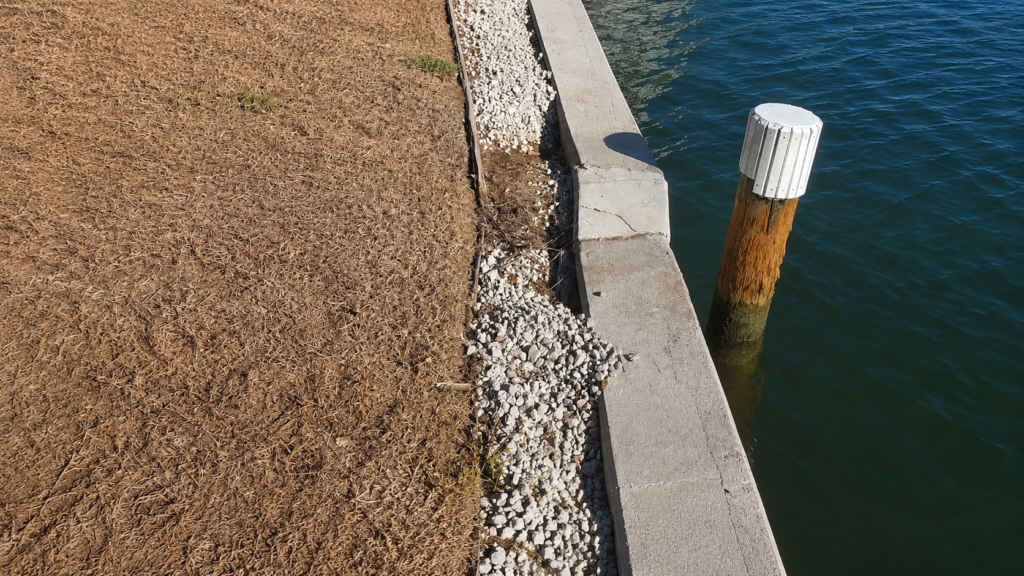
White, chalky deposits on concrete or masonry are known as efflorescence. These deposits show that water is moving through the wall and leaving minerals behind.
This can indicate that moisture is accumulating behind the wall instead of being released through the drainage system. Continued moisture movement can also contribute to deterioration of the wall material over time.
3. Horizontal Cracks Form at Mid-Wall Height
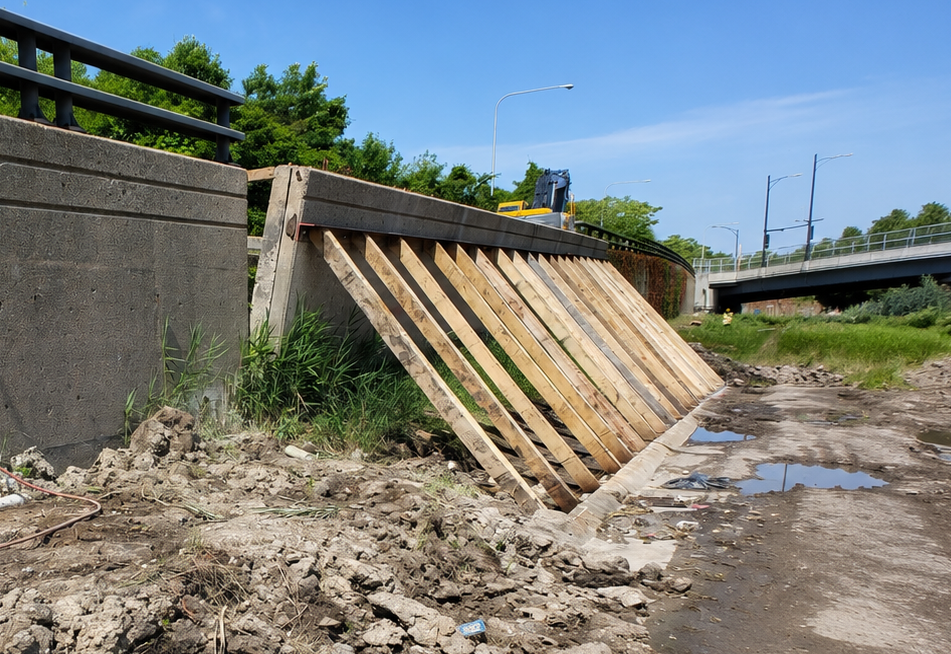
Horizontal cracks along the middle section of a retaining wall can indicate excessive lateral pressure. The wall may be bending under the weight of saturated soil and trapped water behind it.
According to the source article, vertical cracks are more commonly associated with settlement, while horizontal cracking at mid-height may indicate that hydrostatic pressure is exceeding the wall’s structural capacity. A licensed structural or geotechnical engineer should be contacted promptly.
4. The Wall Bows, Tilts, or Moves
Visible forward movement, outward bowing, or tilting is a serious sign of structural distress. The wall may already be experiencing active failure.
A retaining wall under continuous hydrostatic pressure can remain deformed for some time and then fail suddenly. Heavy rainfall may increase soil saturation and accelerate the problem. Access to the area should be restricted until a licensed geotechnical engineer evaluates the structure.
5. Settlement or Sinkholes Develop Behind the Wall
Depressions or sinkholes behind a retaining wall can indicate that fine soil particles are being carried away by water. This soil migration creates voids behind the structure and may eventually lead to undermining.
The article identifies soil migration as a major cause of failure in retaining walls, seawalls, and bulkheads. Filling the visible depression alone does not address the drainage problem that allowed the soil to escape.
Why Traditional Weep Holes Can Fail
Traditional weep holes use flat openings backed by geotextile fabric. Sediment can clog the fabric over time, reducing water flow and limiting the system’s ability to relieve pressure.
Once the system becomes clogged, it may be difficult to service without excavation or structural disruption. This makes long-term maintenance an important consideration when selecting a drainage system.
JET Filter™ as a Maintainable Solution
JET Filter™ uses a three-dimensional conical geotextile cartridge designed to provide more filtration surface area than a traditional weep hole. The cartridge can be inspected and replaced directly from the wall face without excavation.
According to the article, the JET Filter™ JF4SS achieved a flow rate of 77.1 gallons per minute at 1 psi under no-soil test conditions. A traditional 4-inch weep hole recorded 40.2 gallons per minute under the same stated conditions.
The system uses a 316L stainless steel housing and is designed for retaining walls, seawalls, bridge abutments, and sheet piling applications. JET Filter™ also states that its cartridge can stop up to 99 percent of soil particle migration.
Addressing the Problem Early
Dry weep holes, white staining, horizontal cracks, visible wall movement, and settlement behind the wall can all indicate a hydrostatic pressure problem.
These warning signs should not be ignored. Inspecting the drainage system and involving a qualified engineer early may help prevent more serious structural damage. Maintainable drainage systems such as JET Filter™ can also make it easier to inspect and service wall drainage over the life of the structure.
View the complete article here.
What are the signs of hydrostatic pressure behind a retaining wall?
Dry weep holes, efflorescence, horizontal cracks, wall movement, and settlement behind the wall are common warning signs.
Why do retaining wall weep holes stop draining?
Weep holes often stop draining because sediment clogs the filter fabric, trapping water behind the wall.
