

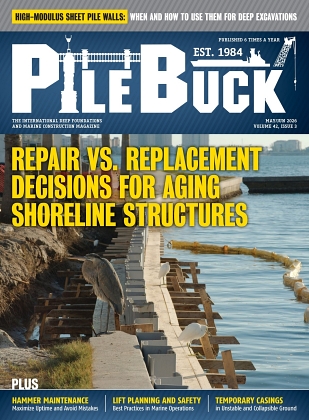
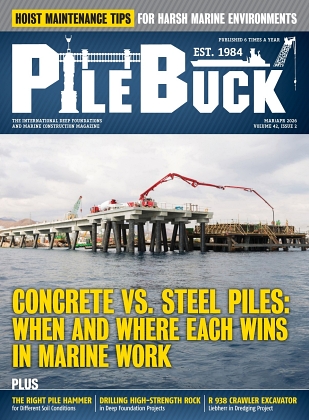


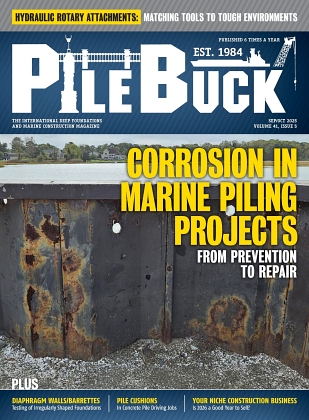
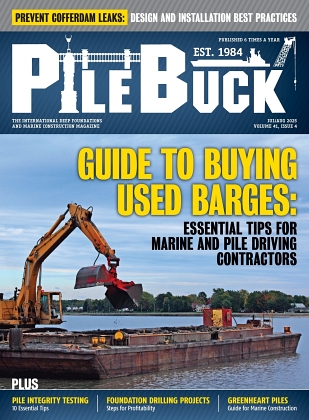
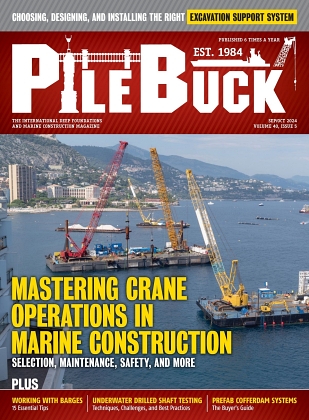

Lift Planning and Safety Best Practices for Waterfront and Barge Crane Operations
View the complete article here.
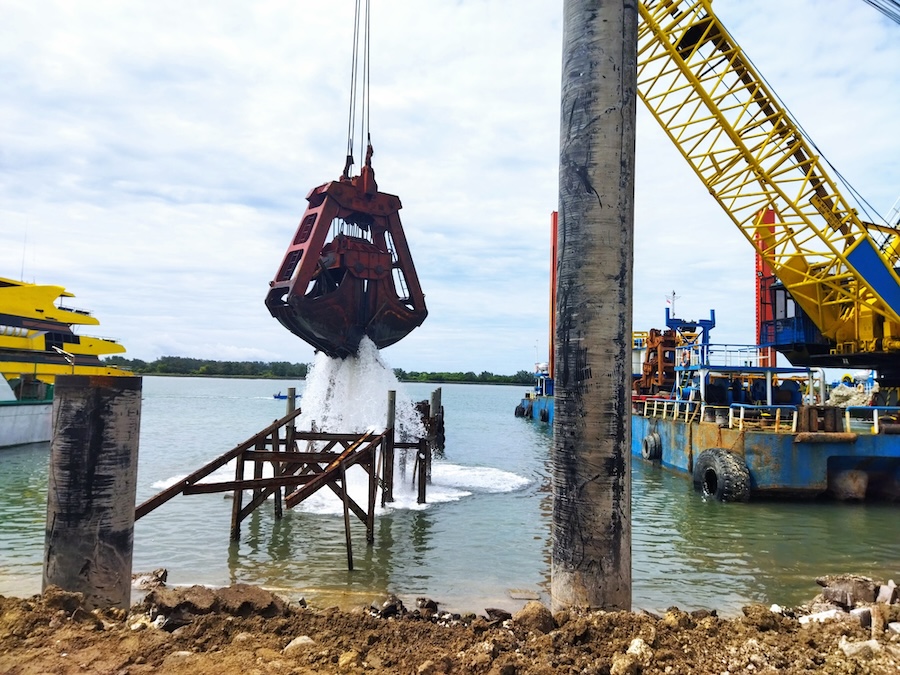
Over-water crane lifts are among the most demanding and high-risk operations in marine construction. Whether a crawler crane is positioned on a barge, working along a seawall or bulkhead, or performing lifts over open water in a port, marina, or waterfront project—one wrong move can lead to dropped loads, equipment damage, injuries, or costly project delays.
Successful lift planning goes far beyond basic rigging charts. It accounts for the dynamic marine environment—tide, current, wind, barge movement, and soft or uneven ground—and builds in multiple layers of safety. This guide will address the practical framework experienced marine crews use to keep lifts safe and productive.
Understanding the Unique Risks of Over-Water Lifts
Water adds variables that land-based lifts rarely face. A swinging load over water can create dangerous pendulum motion amplified by wave action, barge surge, or tidal currents. Tide changes can alter crane stability or load clearance in minutes, while soft soils near seawalls or bulkheads can cause outrigger settlement. Barge-mounted cranes must also contend with free-surface effects that reduce stability as the barge heels or shifts.
Contractors who recognize these risks early build better plans. The best practice is to treat every over-water lift as a “critical lift” requiring extra scrutiny, even if the weight is well below the crane’s capacity.
Pre-Lift Planning: The Foundation of Safety
Lift planning begins well before the crane arrives on site. Review the lift plan with the entire crew—including the crane operator, signal person, rigger, and superintendent. Verify the crane’s load chart for the exact configuration, radius, and boom length. Calculate the total weight of the load plus rigging, and add a safety factor appropriate for marine conditions.
Map the lift path carefully. Identify any obstructions, power lines, or areas where the load will pass over workers or vessels. Check tide tables and current predictions for the exact time of the lift. For barge-mounted operations, confirm the barge’s stability and ballast plan. On seawall or bulkhead setups, verify soil bearing capacity and outrigger pad placement to prevent settlement.
Key Safety Protocols During the Lift
Once the lift begins, strict protocols keep everyone safe. Maintain constant, clear communication between the operator and the designated signal person using standardized hand signals or radio. Never allow the load to swing over personnel or occupied vessels. Keep the load as low as practical and move it slowly to minimize swing.
Monitor environmental conditions continuously. Stop the lift immediately if wind speed exceeds the crane manufacturer’s limit or if wave action increases unexpectedly. On barges, watch for any change in heel or trim. Use tag lines when necessary to control load rotation, but ensure riggers stay clear of the pinch points.
Equipment and Rigging Considerations for Marine Environments
Marine conditions accelerate wear on rigging and crane components. Use only rigging hardware rated for the environment—synthetic slings should be inspected for UV damage and abrasion, while wire rope needs extra attention to corrosion. Choose shackles and hooks with safety latches and verify all connections before each lift.
Crane setup is equally critical. On barges, ensure proper cribbing and dunnage under outriggers or tracks. Near seawalls, use wide mats or engineered pads to distribute loads and prevent edge failure. Modern load moment indicators, anti-two-block devices, and wind-speed sensors should be calibrated and operational. Many contractors now add real-time boom angle and radius monitors for added safety.
Emergency Procedures and Contingency Planning
Even the best plans can encounter surprises. Develop a clear emergency response plan before the lift starts. Identify the nearest safe drop zone for the load if it must be released. Ensure all personnel know the stop-work authority signal and understand that any crew member can call a halt to the lift.
Have a rescue plan ready for man-overboard situations, and keep a properly equipped rescue boat or skiff on standby when working over deep water. Review the plan in the pre-lift meeting so everyone knows their role if things go wrong.
Practical Tips for Safer Over-Water Crane Lifts
Experienced marine contractors rely on these practical, field-tested tips to turn solid lift plans into consistently safe and efficient over-water operations:
- Always conduct a job hazard analysis (JHA) specific to the marine environment before the first lift.
- Double-check tide and weather forecasts within one hour of starting the lift.
- Use extra tag lines on any load that could rotate or swing near the water.
- Place spotters on the barge or seawall to monitor ground or deck settlement in real time.
- Keep the crane’s outriggers or tracks fully extended whenever possible.
- Test communication radios and backup hand signals before lifting begins.
- Never exceed 75% of the crane’s rated capacity on a barge or near the water’s edge.
- Document every lift with photos or video for future reference and training.
Sources:
Occupational Safety and Health Administration (OSHA). 29 CFR 1926 Subpart CC – Cranes and Derricks in Construction (including §1926.1437 – Floating Cranes/Derricks and Land Cranes/Derricks on Barges).
ASME B30.8-2020 – Floating Cranes and Floating Derricks. American Society of Mechanical Engineers.
U.S. Army Corps of Engineers. EM 385-1-1: Safety and Health Requirements Manual (Section 16 – Load Handling Equipment).
Occupational Safety and Health Administration (OSHA). Crane and Derrick Safety Overview and Compliance Directive CPL 02-01-063.
View the complete article here.
What are the biggest safety risks during over-water crane lifts?
The primary risks include load swing, changing tides, wind, barge movement, ground instability, and dropped loads that can endanger workers and equipment.
What should be included in an over-water crane lift plan?
An over-water lift plan should include load calculations, crane configuration, weather and tide assessments, communication procedures, rigging details, and emergency response measures.
