

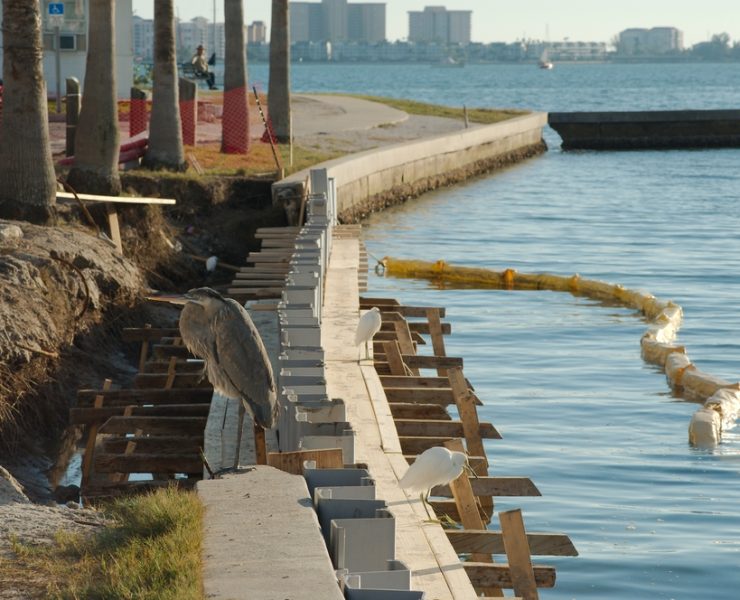
Saltwater intrusion accelerates corrosion in reinforced concrete and steel seawalls by introducing chlorides into structural elements. Effective waterproofing systems slow this process and extend service life in coastal environments.
Waterproofing Strategies for Seawalls and Bulkheads in Coastal Projects

Coastal seawalls and bulkheads operate in one of the most aggressive environments in civil construction,…
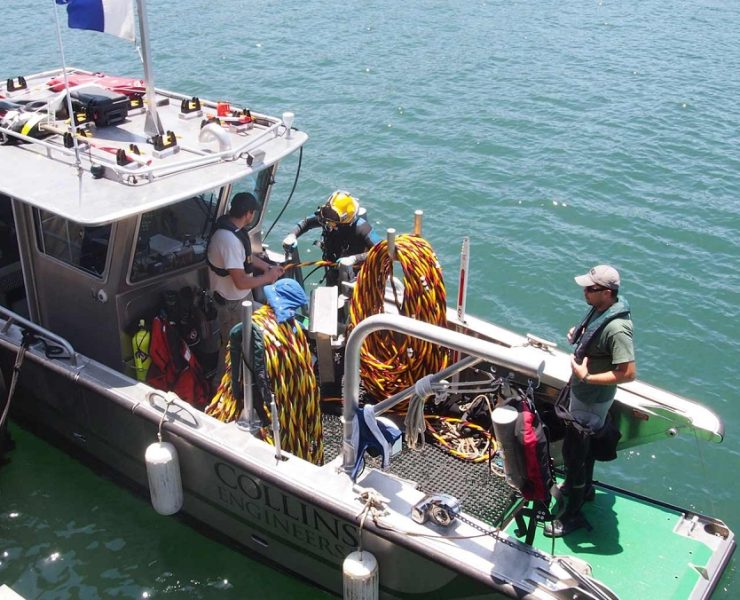
Dive and inspection support vessels are commonly used to deploy divers and inspection equipment for evaluating the condition of timber, steel, and concrete piles below the waterline. These vessels allow inspections to be performed safely in currents, tidal zones, and confined marine environments. Photo Credit: Munson Boats
Dive and Inspection Support Vessels: Essential Tools for Underwater Piling Assessments and Maintenance

Underwater piling systems form the structural backbone of docks, bridges, terminals, and marine facilities, yet…
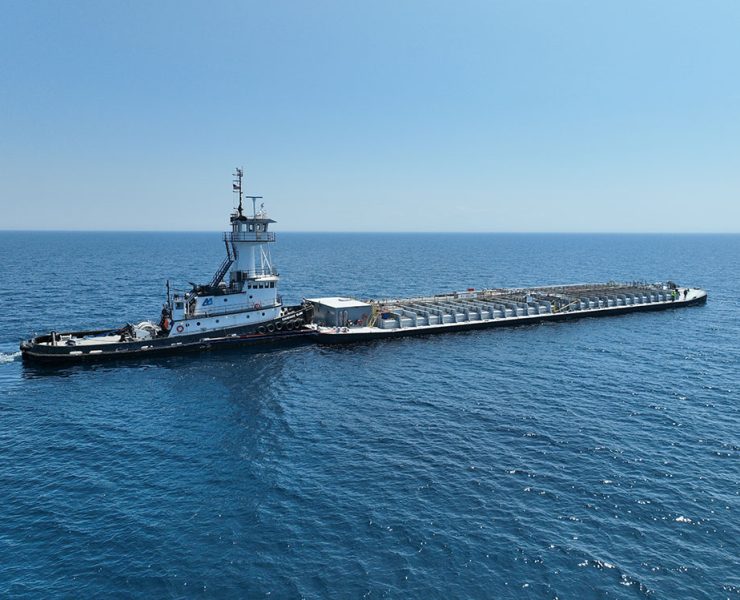
Tugboats enable the movement of oversized and heavy foundation materials that exceed road and rail transport limits. This makes marine transport essential for coastal projects involving piles, precast concrete, and structural steel. Photo Credit: Ashton Marine
Role of Tugs in Transporting Heavy Foundation Materials Over Water for Coastal Construction

Coastal construction projects depend on the efficient movement of heavy foundation materials such as piles,…
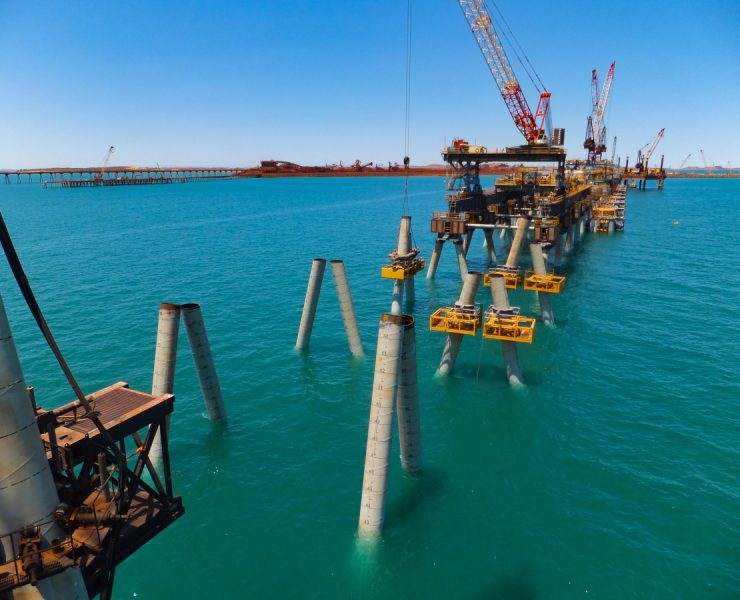
Fall protection is critical in piling operations where crews work at height and over water. The right systems reduce risk and keep projects moving safely.
Fall Protection in Piling Operations: Integrating Rigging Gear for Worker Safety on Elevated Sites

Working at height is unavoidable in modern piling operations, whether crews are installing deep foundations…
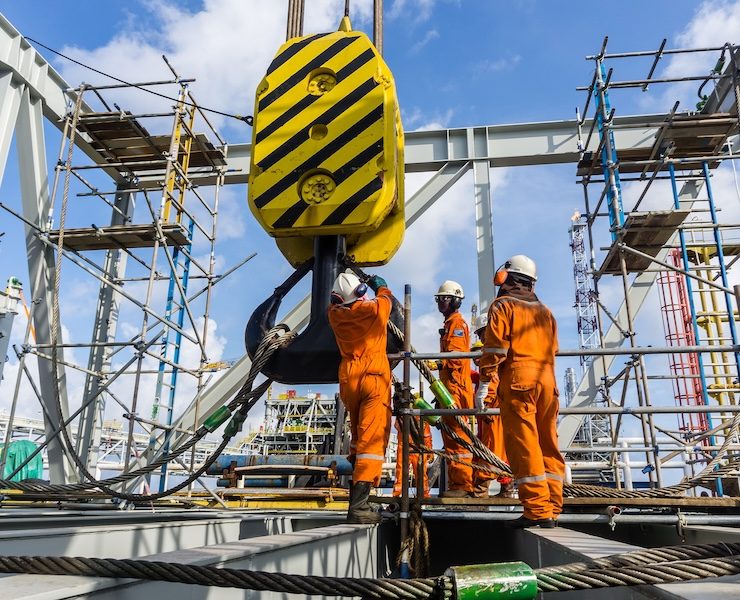
Corrosion Resistance in Marine Rigging: Choosing the Right Wire Rope for Coastal Foundation Projects

Marine and coastal foundation projects place extreme demands on rigging systems, particularly wire rope used…
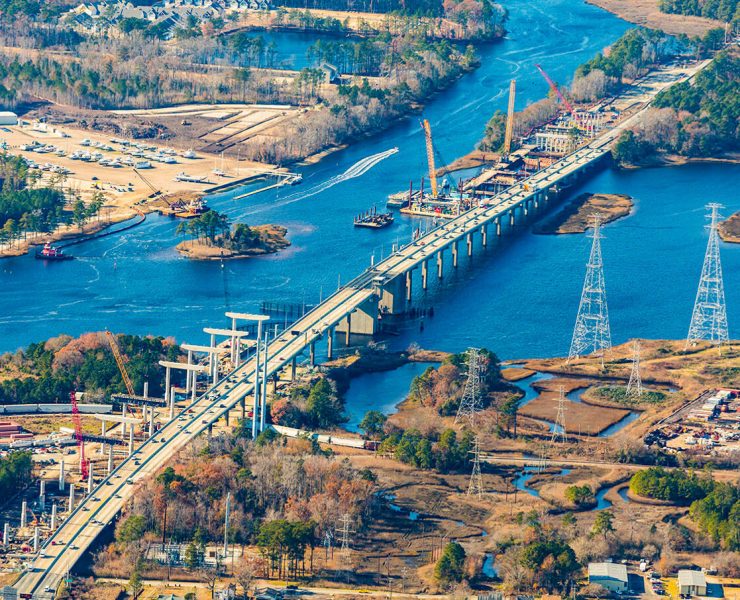
Steel reinforcement enables concrete bridges and marine structures to resist tensile and flexural stresses caused by traffic loads, wind, and water movement. Without reinforcement, concrete elements would be far more vulnerable to cracking and structural failure. Photo Credit: D.T. Read Steel
The Role of Steel Reinforcement in Long-Lasting Coastal and Marine Structures

Coastal and marine structures operate in some of the most demanding environments faced by civil…
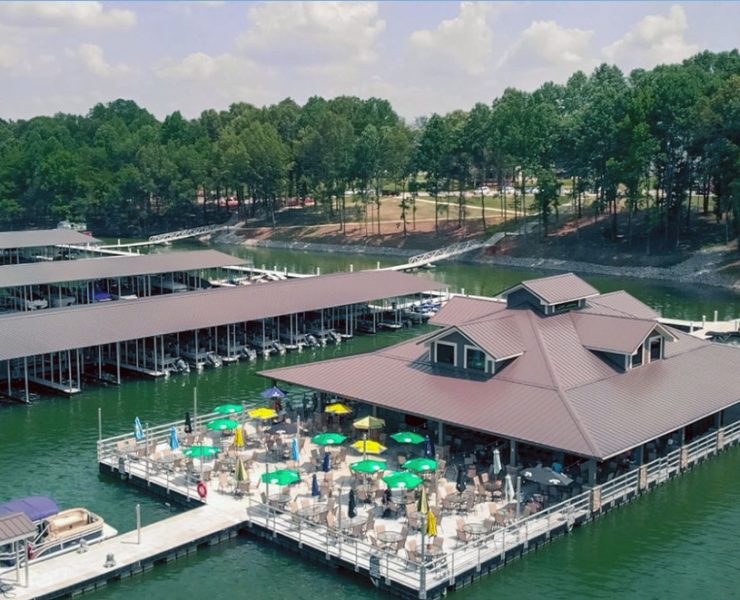
Dock material selection plays a major role in long term maintenance costs for marine facilities. Timber, steel, aluminum, and composite systems each respond differently to moisture, biological activity, and mechanical wear. Photo Credit: Meeco Sullivan
Best Practices for Dock Selection and Repair in Aging Marine Facilities

Marine facilities are essential parts of coastal communities and waterfront industries. Aging docks and piers…
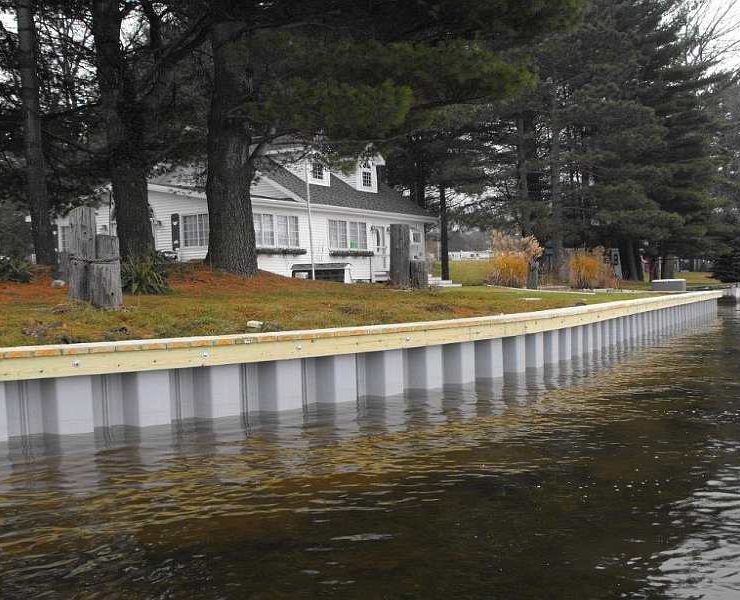
Vinyl seawalls are resistant to rot, corrosion, and marine borers, which makes them well suited for saltwater and brackish environments. This resistance helps extend service life compared to wood or unprotected steel systems. Photo Credit: Tidewall
5 Benefits of Choosing Vinyl Seawalls for Long-Term Coastal Protection

Coastal infrastructure faces constant pressure from erosion, fluctuating water levels, and harsh environmental exposure. As…
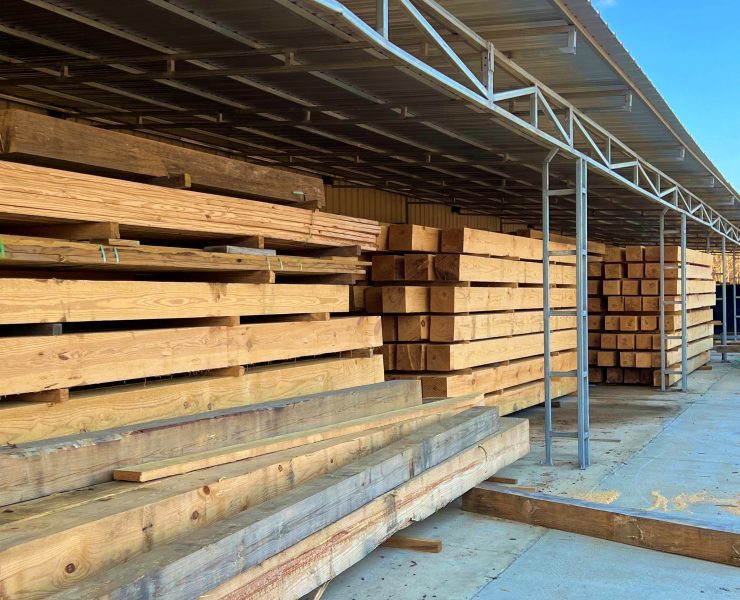
AWPA UC4B-rated lumber is commonly used for docks, bulkheads, and access mats exposed to high moisture and decay risk. The lumber used in these applications must meet minimum preservative retention levels to slow rot and biological degradation. Photo Credit: Clear Creek Wood Products
Essential Guide to Saltwater-Resistant Timber: AWPA UC4B Retention Basics for Docks, Bulkheads, and Mats

Saltwater construction places extreme demands on timber materials used in docks, bulkheads, and temporary access…
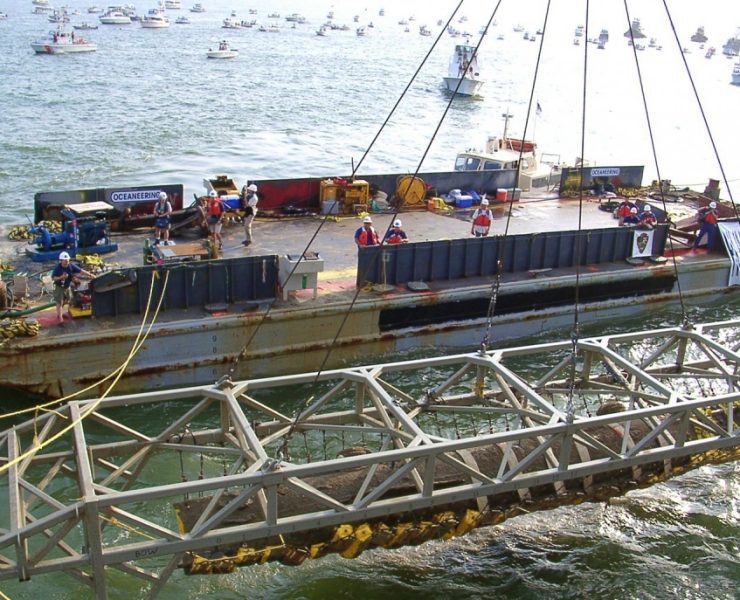
Marine crane rigging systems must account for dynamic forces caused by waves, wind, and vessel movement. These forces can significantly increase loading compared to static land-based lifts. Photo Credit: Charleston's Rigging
Essential Guide to Crane Rigging Components: From Wire Rope to Hardware for Marine Construction Success

Marine construction projects depend heavily on safe and reliable crane rigging systems. From lifting piles…
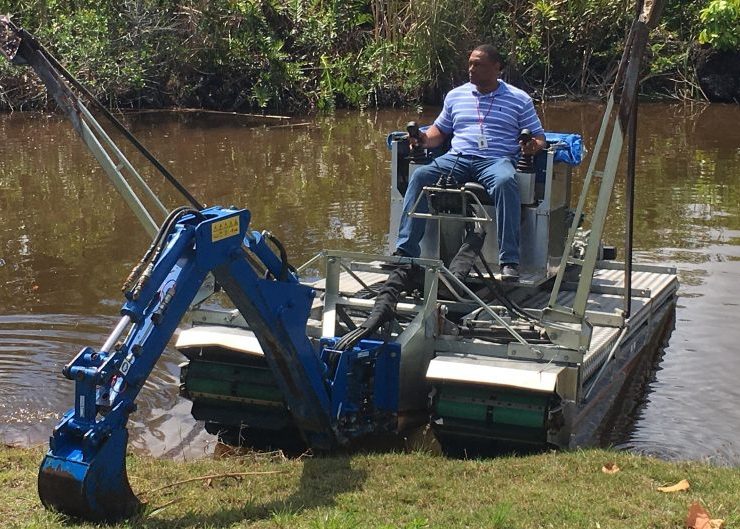
Amphibious construction machines are designed with low ground pressure systems that allow them to operate on saturated soils without sinking. This makes them suitable for waterfront piling projects where conventional equipment cannot maintain stability. Photo Credit: Mobitrac-USA
Overcoming Soft Soils: Amphibious Machines in Waterfront Piling Access

Construction in waterfront environments often confronts engineers with the daunting task of accessing soft soils…
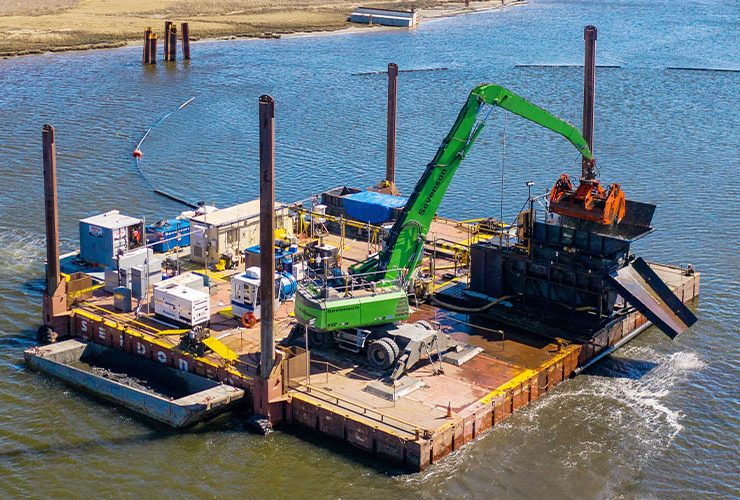
Hydraulic dredging moves sediment as a slurry through pipelines, making it effective for large volumes of fine-grained material in open waterways. It is widely used for navigation channel maintenance and beach nourishment projects. Photo Credit: Sevenson Environmental Services
Hydraulic vs. Mechanical Dredging: Options for Harbor and Coastal Cleanups

Harbors, navigation channels, and coastal waterways require regular dredging to maintain depth, manage contamination, and…