



Why Temporary Access Solutions Depend on Properly Specified Construction Timber
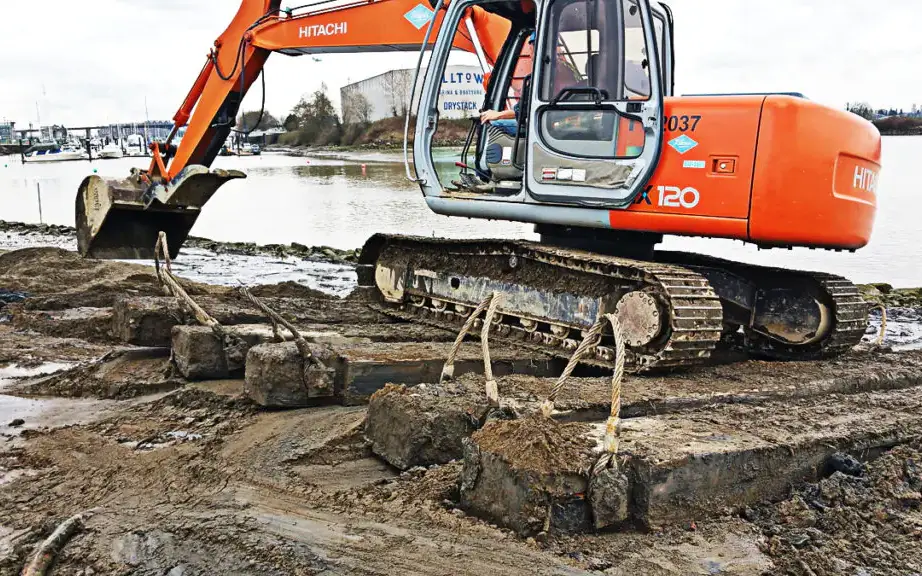
Temporary access systems are a foundational part of modern construction projects, especially in piling, marine, and heavy civil work. From crane access routes to working platforms, these systems must safely support repeated equipment movement while protecting underlying ground conditions. Although steel and composite options exist, properly specified construction timber remains one of the most widely used materials for temporary access solutions due to its load distribution capability, adaptability, and availability. Understanding why timber specification matters is critical for project safety, cost control, and long-term site performance.
Temporary Access Demands in Modern Construction
Temporary access routes are rarely simple roadways. They must accommodate heavy equipment, variable ground conditions, and changing site layouts while remaining installable and removable within tight schedules. On piling and marine jobsites, access systems are often installed over soft soils, wetlands, or disturbed ground where bearing capacity is limited.
Properly specified construction timber plays a central role in these environments because it provides predictable structural behavior under load. When engineered and selected correctly, temporary access mats made from structural timber can spread equipment loads across a larger footprint, reducing ground pressure and minimizing settlement. This function is especially important when access systems must remain in place for extended periods during foundation installation or marine construction activities. One common approach involves using industrial timber products designed for heavy-duty construction access, which are manufactured to consistent dimensional and strength standards.
Timber Load Distribution and Ground Protection
The primary function of temporary access systems is load distribution. Heavy equipment such as cranes, pile drivers, and drilling rigs can exert significant ground pressures that exceed soil bearing capacity. Timber mats and timber access platforms reduce these pressures by transferring loads laterally through the timber structure rather than vertically into the soil.
The effectiveness of this load distribution depends heavily on timber quality, section size, and species characteristics. Structural softwoods commonly used in construction offer favorable strength-to-weight ratios and predictable mechanical properties. When timber is improperly specified or inconsistently graded, access systems may experience excessive deflection, localized crushing, or uneven settlement that compromises equipment stability.
Proper specification ensures that timber elements work together as a structural system rather than as isolated members. This system behavior is one reason timber remains widely used in temporary access applications across piling, marine, and infrastructure projects.
Species Selection and Performance Considerations
Not all construction timber performs the same under temporary access conditions. Species selection influences bending strength, stiffness, durability, and resistance to moisture-related degradation. In wet or coastal environments, timber is frequently exposed to prolonged moisture, making species performance characteristics particularly important.
Structural softwoods with established engineering design values are commonly selected for access systems because their properties are well documented in building codes and engineering standards. These values allow contractors and engineers to estimate load capacity, deflection behavior, and service performance with confidence. Properly specified timber also allows for safer reuse across multiple projects, which improves lifecycle value without compromising performance.
Fabrication and Dimensional Consistency
Temporary access systems depend on consistent contact between timber elements. Uneven thickness, poor fabrication tolerances, or inconsistent moisture content can lead to point loading and reduced system effectiveness. Industrial fabrication processes help ensure dimensional accuracy and repeatability, which are critical when assembling access platforms under field conditions.
Timber mats fabricated for construction access are typically assembled using controlled fastening methods and standardized layouts that enhance load sharing between members. This approach improves structural reliability while allowing rapid installation and removal. When access systems must support equipment staging or frequent traffic, dimensional consistency becomes a safety requirement rather than a convenience.
Adaptability in Confined and Remote Sites
Construction projects rarely occur on ideal terrain. Confined urban sites, remote marine locations, and environmentally sensitive areas all present access challenges that demand adaptable solutions. Timber-based access systems offer flexibility that rigid alternatives often lack.
Timber mats can be installed incrementally, adjusted to fit irregular site geometry, and repositioned as construction phases change. This adaptability is particularly valuable on piling projects where work fronts move and access requirements evolve over time. Properly specified timber ensures that this flexibility does not come at the expense of load capacity or safety.
Durability and Reuse in Temporary Systems
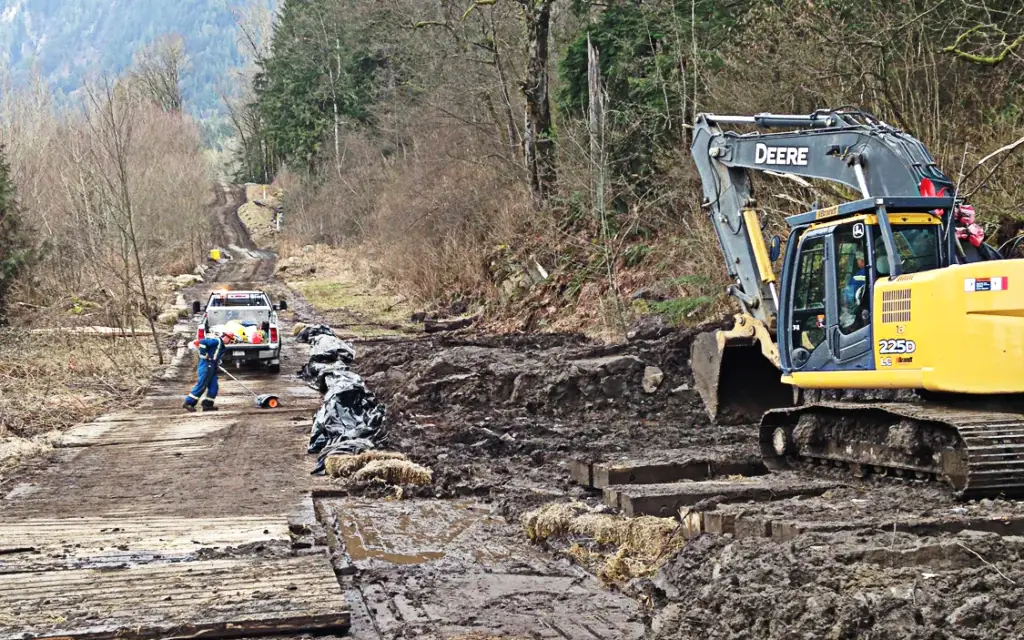
Although temporary access systems are not permanent structures, durability remains a key performance factor. Repeated equipment traffic, environmental exposure, and handling during installation place significant demands on timber components. When specified correctly, construction timber can withstand these demands while maintaining structural integrity across multiple uses.
Reuse is common in access mat systems, but only when timber quality and fabrication standards support it. Timber that is improperly graded or poorly fabricated may degrade quickly, increasing replacement costs and introducing safety risks. For this reason, contractors increasingly rely on ground protection mats fabricated from structural timber designed specifically for heavy construction environments.
Integration with Project Planning and Risk Management
Temporary access systems influence more than equipment movement. They affect project sequencing, safety planning, and risk management strategies. Access failures can halt operations, damage equipment, or cause ground disturbance that requires remediation.
Proper timber specification reduces these risks by delivering predictable performance under known loading conditions. Engineers and contractors can plan access routes with confidence, knowing that timber access systems will behave as expected throughout the construction phase. This predictability is a key reason timber remains integral to access planning on piling and marine projects worldwide.
Long-Term Value of Proper Specification
The cost of temporary access systems is often evaluated narrowly based on initial material price. However, improperly specified timber can lead to increased maintenance, premature replacement, and operational delays. In contrast, well-specified construction timber supports safe access, efficient operations, and extended service life across multiple projects.
As construction sites become more constrained and equipment loads continue to increase, the importance of properly specified timber in temporary access solutions will only grow. Selecting timber based on verified structural properties, fabrication quality, and application-specific requirements remains essential to safe and efficient construction operations.
Why is properly specified timber important for temporary access systems?
Properly specified timber spreads heavy equipment loads, reduces ground pressure, and improves stability on soft or marine soils.
Can timber access systems be reused safely on multiple projects?
Yes, when fabricated and graded correctly, timber mats maintain structural integrity for safe reuse across projects.
