

When Renting or Buying Pile Installation Equipment Makes Sense for Different Project Types
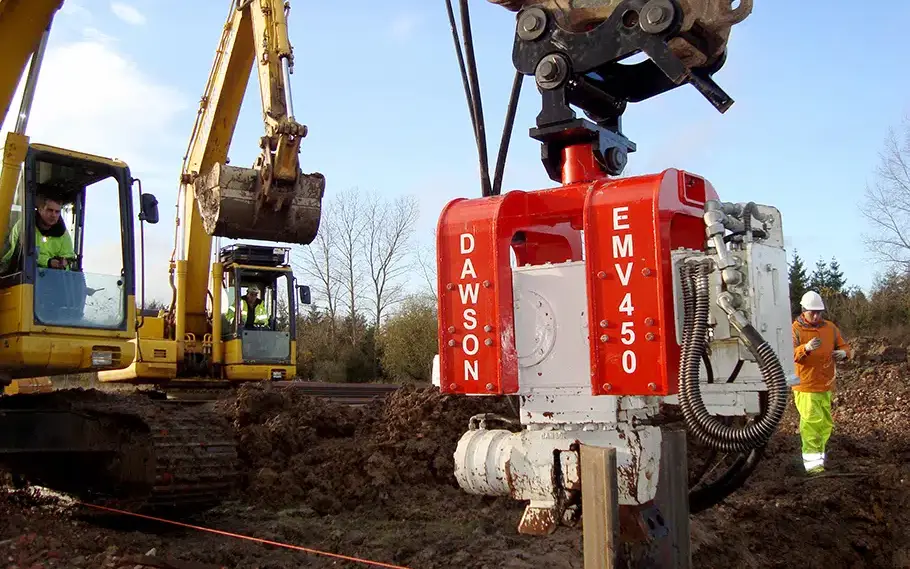
Pile installation projects vary widely in duration, access, pile type, and site constraints. Because of that, contractors rarely make equipment decisions based on one factor alone. Choosing whether to rent or buy pile installation equipment often comes down to project length, workload predictability, logistical constraints, and long-term ownership costs. Understanding how different project types influence that decision can help contractors control costs, avoid downtime, and maintain flexibility across diverse jobsites.
Project Duration and Workload Predictability
One of the most important factors in deciding whether to rent or buy pile installation equipment is how long the equipment will be needed and how predictable future work may be. Short-term projects, such as temporary access trestles, cofferdams, or limited-scope marine works, often do not justify the capital expense of purchasing equipment. In these cases, contractors frequently turn to pile installation equipment rentals to match equipment availability with project timelines while avoiding long-term ownership obligations.
For contractors with steady, repeat piling work across multiple projects, purchasing equipment may provide better long-term value. Ownership allows crews to standardize operations, reduce mobilization delays, and avoid rental availability constraints during peak construction seasons. However, even for established contractors, workload gaps or seasonal slowdowns can make ownership less efficient than anticipated.
Capital Costs and Cash Flow Management
Managing Upfront Investment
Purchasing pile installation equipment requires a significant upfront investment. Beyond the purchase price, ownership also includes financing costs, insurance, storage, and ongoing maintenance. For contractors working on fixed-price contracts, tying up capital in equipment can limit financial flexibility and increase exposure if project schedules shift or scopes change.
Renting allows contractors to preserve cash flow and align equipment costs directly with project revenue. This approach is especially common on projects with uncertain start dates, changing scopes, or permitting delays. By using pile driving equipment rentals, contractors can reduce financial risk while still accessing equipment suited to specific pile types and site conditions.
Depreciation and Long-Term Value
Equipment depreciation plays a central role in buy versus rent decisions. Pile installation equipment experiences wear based on soil conditions, pile materials, and operating hours. Contractors who purchase equipment must account for resale value and market demand when planning long-term ownership. In contrast, rental arrangements shift depreciation risk away from the contractor, making cost forecasting more predictable for individual projects.
Project Complexity and Site Constraints
Access and Headroom Limitations
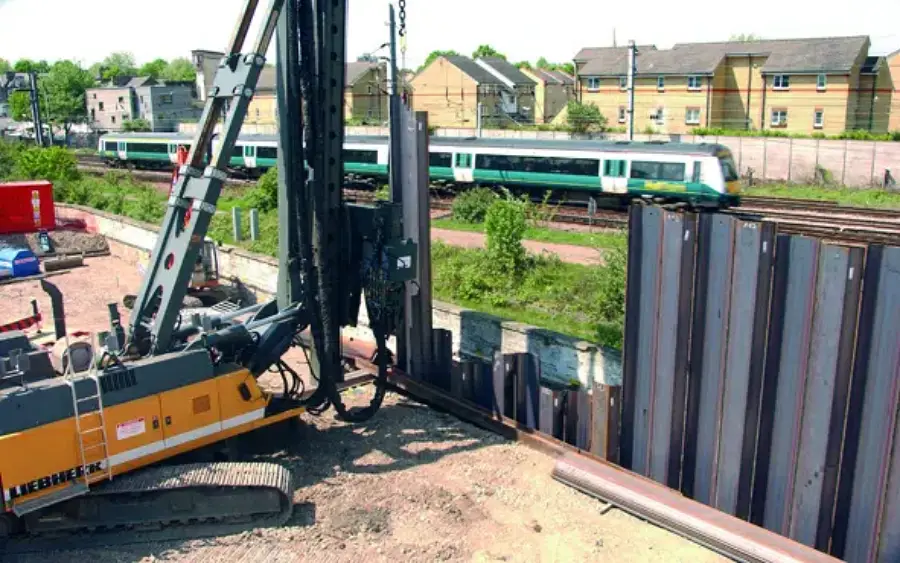
Many modern pile installation projects are located in restricted environments such as urban corridors, bridges, rail alignments, or waterfronts. These sites often require specialized equipment configurations, including compact setups or low-headroom solutions. Renting allows contractors to select equipment tailored to each site rather than committing to a single configuration that may not suit future projects.
Buying equipment may make sense for contractors who consistently work in similar environments and require the same setup repeatedly. In contrast, projects with varying access constraints often benefit from rental strategies that provide flexibility across multiple equipment types.
Noise and Vibration Considerations
Noise and vibration restrictions increasingly influence pile installation methods, particularly in urban and waterfront projects. Contractors may need different equipment depending on proximity to existing structures, utilities, or sensitive environments. Renting allows teams to match equipment to regulatory requirements without maintaining multiple owned systems that may see limited use.
Pile Types and Installation Methods
Mixed Profile Jobsites
Projects involving multiple pile profiles, such as sheet piles, tubular piles, H piles, timber piles, and concrete piles, often demand adaptable equipment strategies. Renting enables contractors to switch between installation methods without overinvesting in specialized equipment for a single pile type. This flexibility can be especially valuable on marine and civil projects where pile requirements evolve during construction.
Ownership may be more suitable for contractors specializing in a narrow range of pile types with consistent installation methods. In those cases, purchasing equipment designed for repeated use on similar profiles can improve efficiency and crew familiarity.
Maintenance, Storage, and Logistics
Equipment Availability and Readiness
Owned equipment requires ongoing maintenance to remain reliable and compliant with safety standards. Contractors must also plan for storage, transport, and periodic inspections. These logistical considerations can add hidden costs, particularly for contractors operating across multiple regions or countries.
Renting shifts much of this responsibility to the equipment provider. Equipment is typically delivered ready for use and returned after completion, reducing downtime and administrative burden. This approach can be especially advantageous for contractors managing multiple overlapping projects with limited yard space.
Planning for Project End and Equipment Exit
Resale and Buy-Back Considerations
For contractors who choose to purchase equipment, planning for resale or buy-back is an essential part of the decision process. Market demand for used pile installation equipment depends on condition, age, and compatibility with common pile profiles. Contractors working on finite project pipelines may find that renting or purchasing with a clear exit strategy reduces long-term financial exposure.
Access to established markets for used pile driving equipment can help contractors recover value at the end of a project cycle, but resale timing and pricing remain subject to market conditions. Renting avoids these uncertainties altogether, making it an attractive option when future workloads are unclear.
Matching Strategy to Project Type
There is no single answer to whether renting or buying pile installation equipment is the better choice. Short-duration projects, variable scopes, restricted access sites, and mixed pile profiles often favor rental strategies that prioritize flexibility and risk management. Long-term, repetitive work with predictable demand may justify ownership, particularly when crews and processes are standardized around specific equipment.
The most effective contractors evaluate each project individually, balancing cost, flexibility, logistics, and long-term planning. By aligning equipment strategy with project type, contractors can reduce risk, control costs, and maintain the adaptability required in today’s construction environment.
When is it better to rent pile installation equipment instead of buying?
Renting is better for short-term, variable, or restricted-access projects where future workload is uncertain.
What are the main advantages of renting pile driving equipment?
Renting reduces upfront costs, depreciation risk, maintenance, and storage responsibilities while providing flexible equipment options.
