







Building on Soft Ground: How Engineers Make Marginal Sites Buildable
Developable land is becoming harder to find, especially near ports, industrial corridors, and urban centers. As a result, many projects are forced onto sites with soft, compressible, or highly variable soils that were once considered unsuitable for construction. Building on soft ground presents real risks, including excessive settlement, instability, and long-term maintenance problems. Modern geotechnical engineering, however, has made it possible to transform marginal sites into reliable building platforms through careful investigation, design, and engineered ground improvement solutions.
Why Soft Ground Creates Construction Challenges
Soft ground typically includes soils such as loose sands, soft clays, organic deposits, or uncontrolled fill. These materials often have low shear strength, high compressibility, and poor drainage characteristics. When loads from buildings, tanks, or pavements are applied, the ground may deform unevenly or continue to settle over time. This behavior can damage foundations, disrupt operations, and shorten the service life of structures.
In many cases, the risk is not immediate failure but gradual movement. Differential settlement between adjacent foundation elements can crack slabs, misalign equipment, and overstress structural connections. These issues are especially problematic for industrial and marine facilities where tight tolerances and long-term performance are critical.
Understanding What Makes a Site Marginal
Soil Variability and Inconsistency
One of the defining features of marginal sites is variability. Soft ground conditions often change dramatically across short distances due to natural deposition processes or past human activity. Reclaimed land, former industrial sites, and waterfront areas frequently contain layers of fill placed over weak native soils. Without detailed investigation, these variations remain hidden until construction begins.
Groundwater Influence
High groundwater levels are common in soft soil environments. Elevated pore water pressures reduce effective stress in the soil, lowering its load-bearing capacity. Groundwater also complicates excavation and foundation installation, increasing the risk of instability and construction delays.
The Role of Geotechnical Investigation
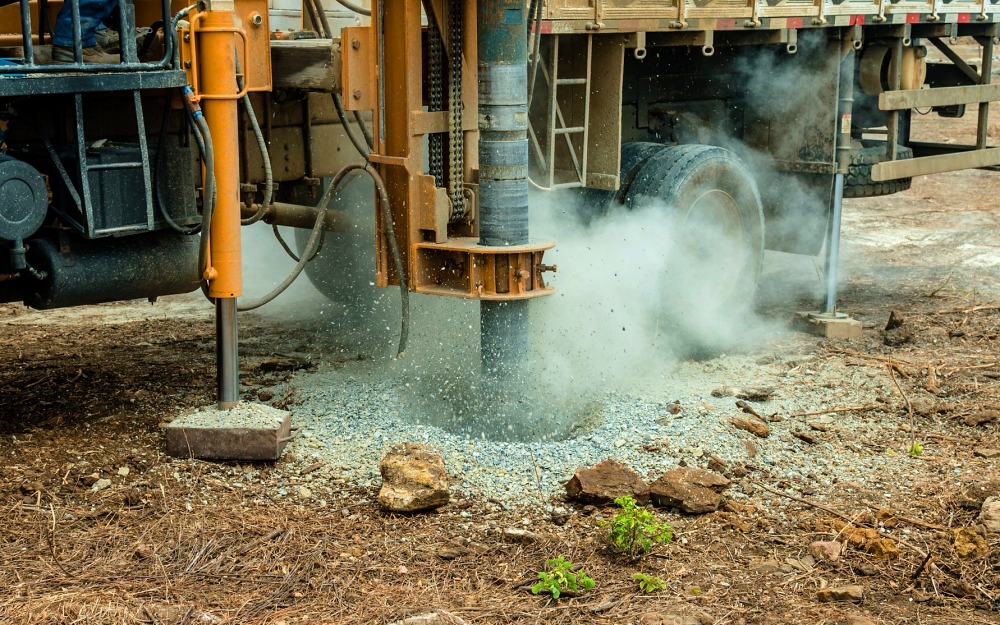
Before any solution is selected, engineers rely on geotechnical investigations to understand subsurface conditions. Borings, cone penetration tests, laboratory analysis, and groundwater monitoring provide the data needed to assess strength, compressibility, and drainage behavior. This information allows engineers to predict settlement, evaluate failure mechanisms, and determine whether shallow foundations, deep foundations, or ground improvement methods are appropriate.
Early investigation also supports value engineering. When ground conditions are clearly defined, designers can avoid overly conservative foundation systems and instead focus on solutions that meet performance requirements efficiently.
How Ground Improvement Makes Soft Sites Buildable
Improving Soil Strength and Stiffness
Ground improvement techniques modify existing soils so they can safely support structural loads. Methods such as soil mixing, stone columns, and rigid inclusions increase strength and stiffness within weak soil layers. By reinforcing the ground rather than bypassing it, engineers can reduce reliance on deep foundations and improve overall site performance.
These engineered soil reinforcement systems are widely used beneath slabs, embankments, tanks, and low to mid-rise structures where settlement control is a primary concern. Projects that apply modern ground improvement solutions early in design often see reduced foundation costs and improved constructability.
Controlling Settlement and Differential Movement
One of the primary goals of ground improvement is settlement control. By increasing soil stiffness and redistributing loads, improved ground responds more uniformly under applied loads. This reduces differential settlement, which is often more damaging than total settlement.
Settlement prediction models based on verified soil parameters allow engineers to design improvement systems that meet project-specific tolerances. In many cases, settlement performance can be confirmed through load testing and monitoring during construction.
Alternatives to Excavation and Replacement
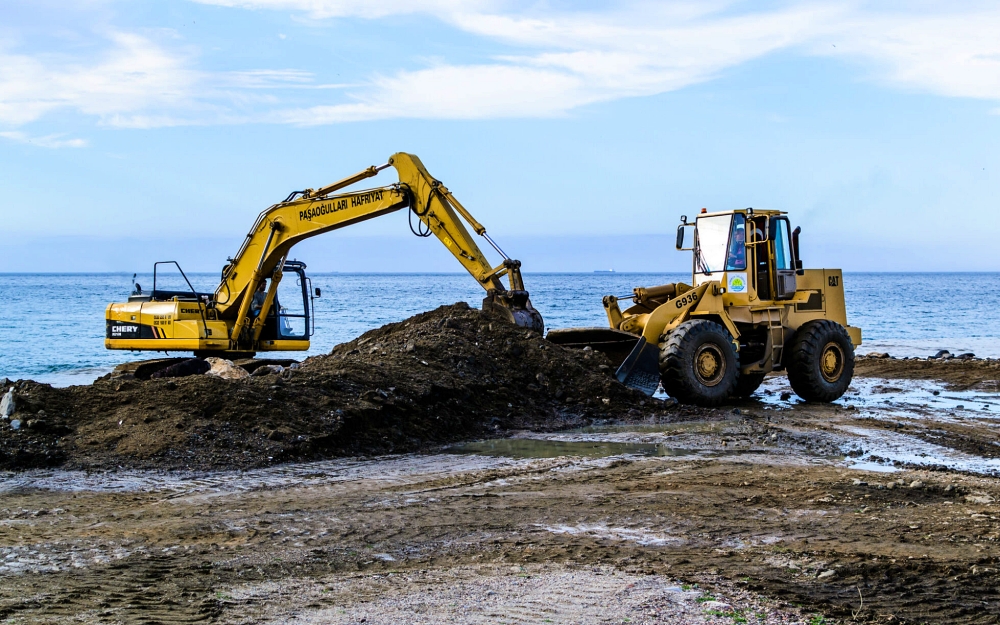
Traditional approaches to soft ground often involved removing unsuitable soils and replacing them with engineered fill. While effective in some situations, large-scale excavation can be expensive, disruptive, and environmentally challenging. Disposal of weak soils and import of suitable material adds cost, schedule risk, and truck traffic.
In situ improvement methods allow engineers to treat soils in place, minimizing excavation and reducing environmental impact. This approach is particularly valuable on constrained sites or where contaminated soils are present.
Performance-Based Design for Marginal Sites
Defining Acceptable Ground Behavior
Modern projects increasingly rely on performance-based design rather than prescriptive foundation rules. Instead of specifying a particular foundation type, engineers define acceptable limits for settlement, bearing capacity, and deformation. Ground improvement systems are then designed to meet those criteria.
This approach provides flexibility and encourages innovation. It also aligns well with owner priorities, as performance-based designs focus on long-term behavior rather than short-term construction convenience.
Verification and Quality Control
Verification is a critical part of building on soft ground. Load testing, settlement monitoring, and quality control procedures ensure that ground improvement systems perform as intended. These measures reduce uncertainty and give owners confidence that marginal sites can support their intended use over the long term.
When Ground Improvement is Preferred Over Deep Foundations
Deep foundations remain necessary in some conditions, especially where very soft soils extend to significant depths. However, for many projects, ground improvement offers a more economical and constructible alternative. By improving the near-surface soils, engineers can support shallow foundations or mat systems while maintaining acceptable settlement performance.
Projects that incorporate engineered ground improvement techniques early often avoid costly redesigns later in construction. This proactive approach allows marginal land to be developed safely and predictably.
Long-Term Value of Improving Soft Ground
Building on soft ground is not just a construction challenge but a lifecycle decision. Poor ground performance can lead to ongoing maintenance, operational disruptions, and reduced asset value. Ground improvement addresses these risks at the source by enhancing the soil itself.
As developable land becomes scarcer, the ability to transform marginal sites into reliable building platforms will continue to shape infrastructure and industrial development. With proper investigation, design, and verification, soft ground no longer has to be a limiting factor in project feasibility.
Why is ground improvement important for building on soft soils?
Ground improvement increases soil strength and stiffness, controlling settlement and making soft sites safe for construction.
Can marginal or soft sites be developed without deep foundations?
Yes, engineered ground improvement methods often allow shallow foundations to perform reliably, avoiding costly deep foundations.
