












Advanced, Comprehensive QA/QC Programs: Aiding Accelerated Construction Schedules
by Travis Coleman, P.E. and Brandon Phetteplace, P.E.
The United States faces an aging energy infrastructure while electricity demand continues to grow rapidly. According to the U.S. Department of Energy, electricity demand from data centers alone could double by the end of the decade and nearly 50 percent of U.S. transmission and distribution assets are at or beyond their design life. Data centers, battery energy storage systems (BESS), substations, and transmission upgrades are being planned and constructed in parallel to support surging electricity demands. The delivery schedule for this infrastructure has become as critical as the infrastructure itself. Delays can postpone grid capacity and create impacts throughout interconnected systems. As a result, the key question for many projects has shifted from how they can be built to how quickly they can be delivered.
This push for accelerated construction schedules influences strategy across the entire project team. Developers, engineers, contractors, and testing firms must all adapt to tighter timelines. In this environment, deep foundation quality assurance and quality control (QA/QC) programs should not be viewed as a simple compliance requirement, or “box to check.” Instead, a comprehensive testing program that leverages advanced technologies can help deliver high-quality foundations while keeping projects on schedule. These technologies can identify issues with means and methods, material deficiencies, and unexpected geotechnical conditions by testing and assessing rapidly during production/installation.
Foundation performance is critical to the long-term reliability of energy infrastructure. However, these elements cannot be visually inspected or easily accessed after installation. The consequences of inadequate or poorly performing foundations are severe – if anomalies are identified. The resulting next steps are typically intrusive coring, large scale excavation or performing additional NDT testing. On a large infrastructure project, a small delay to one foundation installation can have major ripple effects throughout the project schedule. The ability to identify issues during installation helps maintain schedule certainty. Advanced QA/QC technologies provide real-time information, enabling project teams to make informed decisions without slowing construction progress.
Some of the QA/QC technologies employed on accelerated construction schedules include:
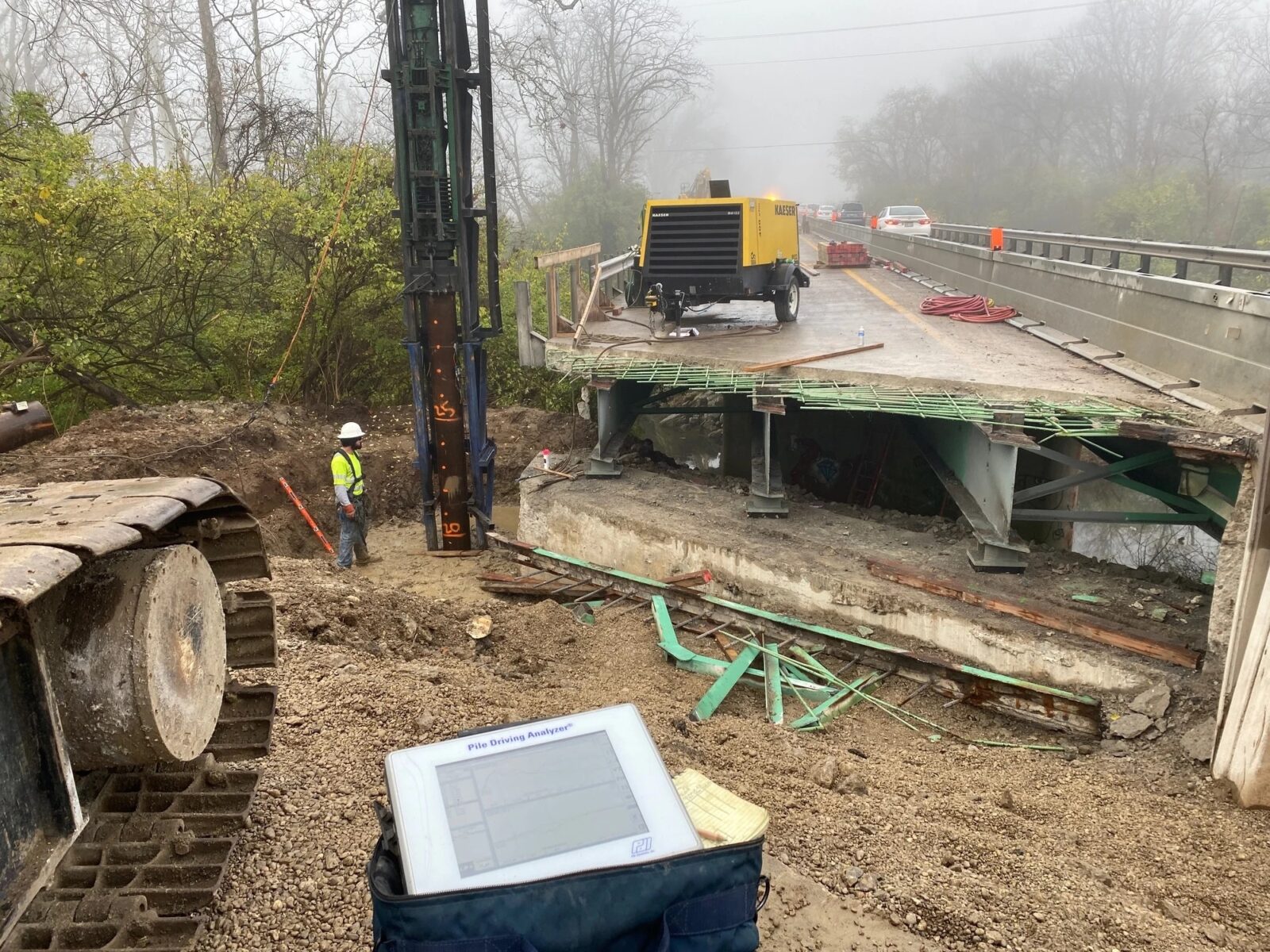
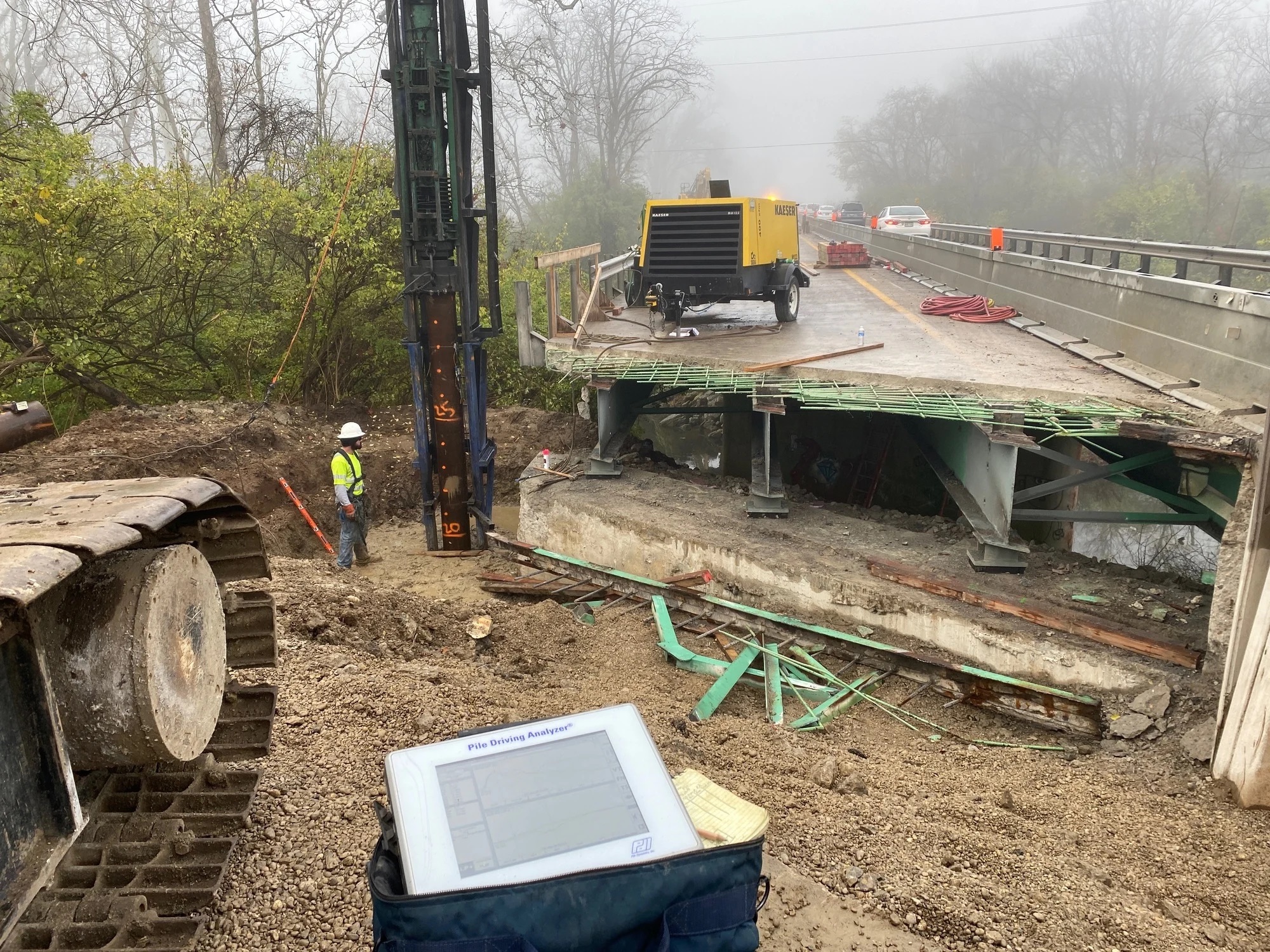
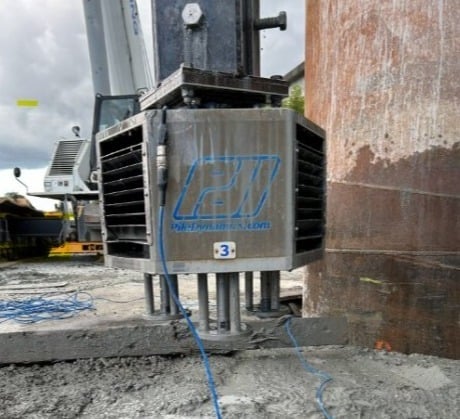
- Pile Driving Analyzer® (PDA): The PDA evaluates driven pile capacity, hammer performance and structural integrity during installation of driven piles with strain gages and accelerometers attached to the pile. The dynamic testing method provides reliable capacity measurements and integrity assessment as the pile is driven, with further capacity evaluation at restrike. With PDA testing a project can avoid or reduce static load testing which is a completely separate operation that requires days to set up reaction systems and perform the tests. Dynamic testing is also an option utilized for drilled foundations, using a drop weight to deliver the required impact energy.
- Shaft Area Profile Evaluator (SHAPE®) and Shaft Quantitative Inspection Device (SQUID™): These tools confirm drilled shaft geometry, verticality, and base cleanliness prior to concrete placement. Both tools are stationed onsite and rapidly deployed following excavation or final clean out, with objective results provided instantly. By assessing these critical parameters before concrete placement, contractors can identify and correct issues early, avoiding costly rework after construction. This is particularly relevant for assessing shaft base cleanliness with the SQUID system, as “soft toe” conditions are the most common anomaly in drilled shaft construction.
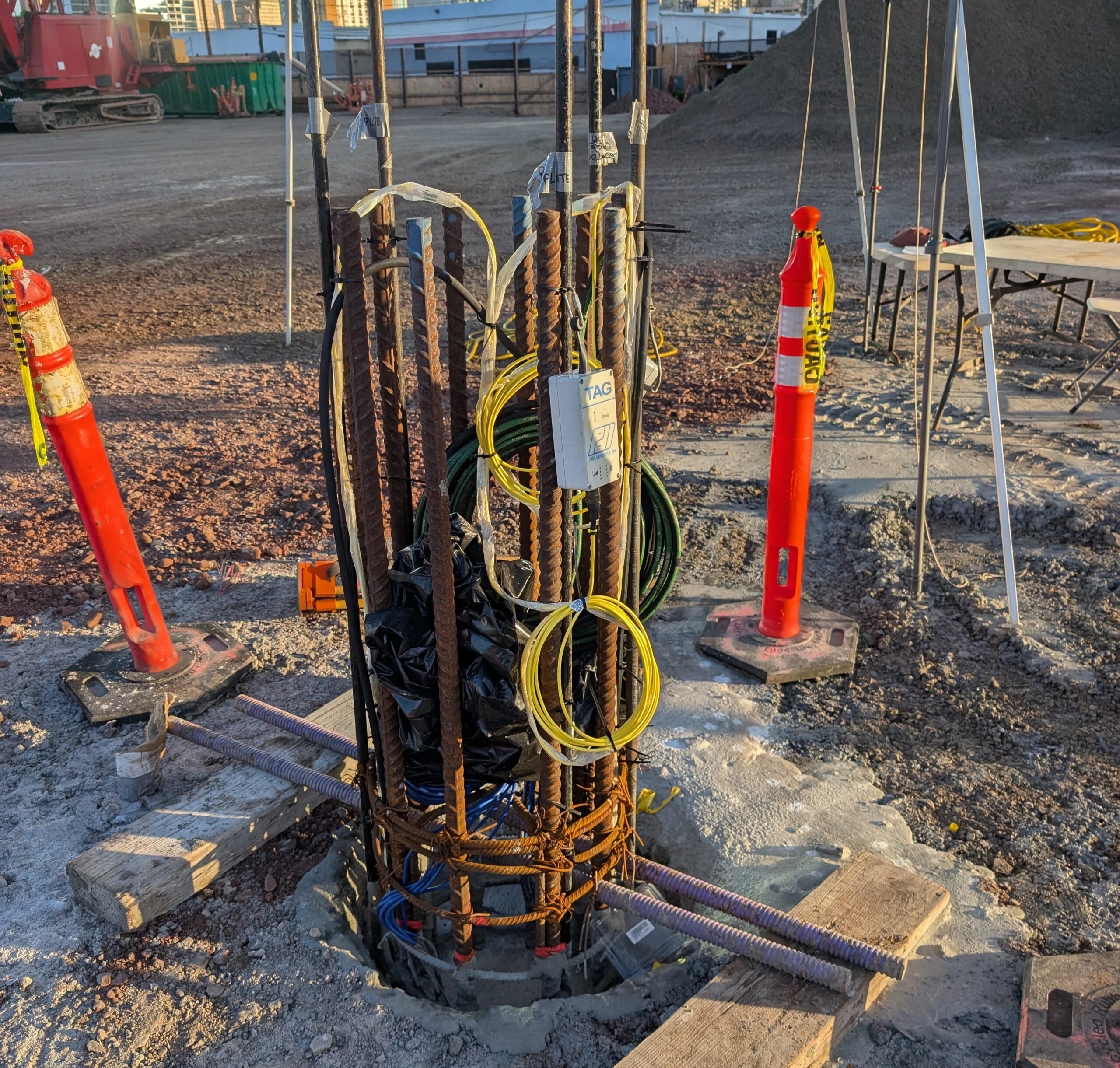
- Thermal Integrity Profiling (TIP): TIP evaluates drilled shaft integrity by analyzing the heat generated during concrete curing, using Thermal Wire® cables tied to the reinforcing cage. Variations in the temperature profile can reveal voids, inclusions, or necking, as well as bulges or misalignment of the reinforcing cage. The temperatures are measured beginning at concrete placement up through peak temperature, which generally occurs 12 to 24 hours after placement. This allows for rapid identification of anomalies, and for appropriate rapid adjustments to be made on remaining shafts with minimal effect on the foundation installation schedule. Typically, the analysis is complete, and results are provided before the shaft would be suitable for comparable integrity tests. The TIP test method reduces uncertainty while accelerating the foundation inspection and approval processes.
When implemented as part of a coordinated QA/QC program, these advanced technologies allow project teams to verify foundation performance while maintaining aggressive construction schedules. Rather than treating testing as a final verification step, the QA/QC should be considered part of the construction workflow. Engineers, contractors, and testing specialists collaborate to determine the tests, testing quantity, and specific locations that provide the greatest project value without disrupting accelerated construction schedules.
