








Dynamic Pile Testing Supports 26 Bridges on Florida’s First Coast Expressway
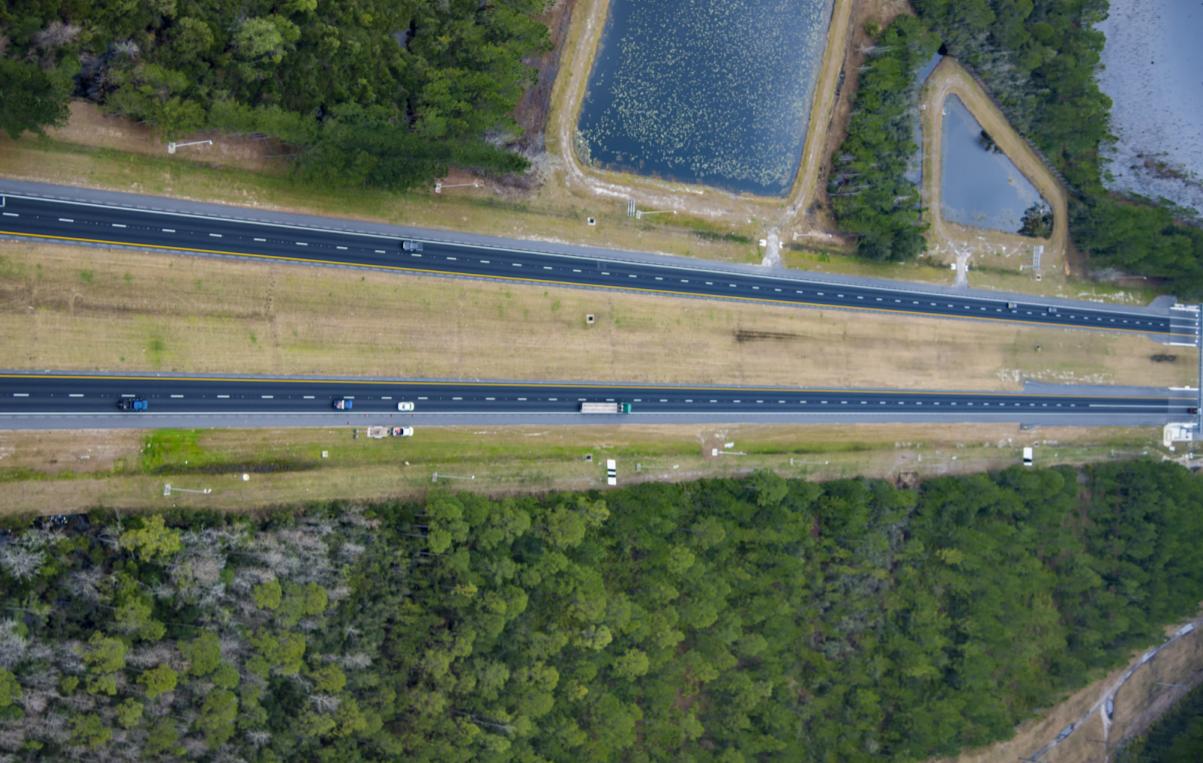
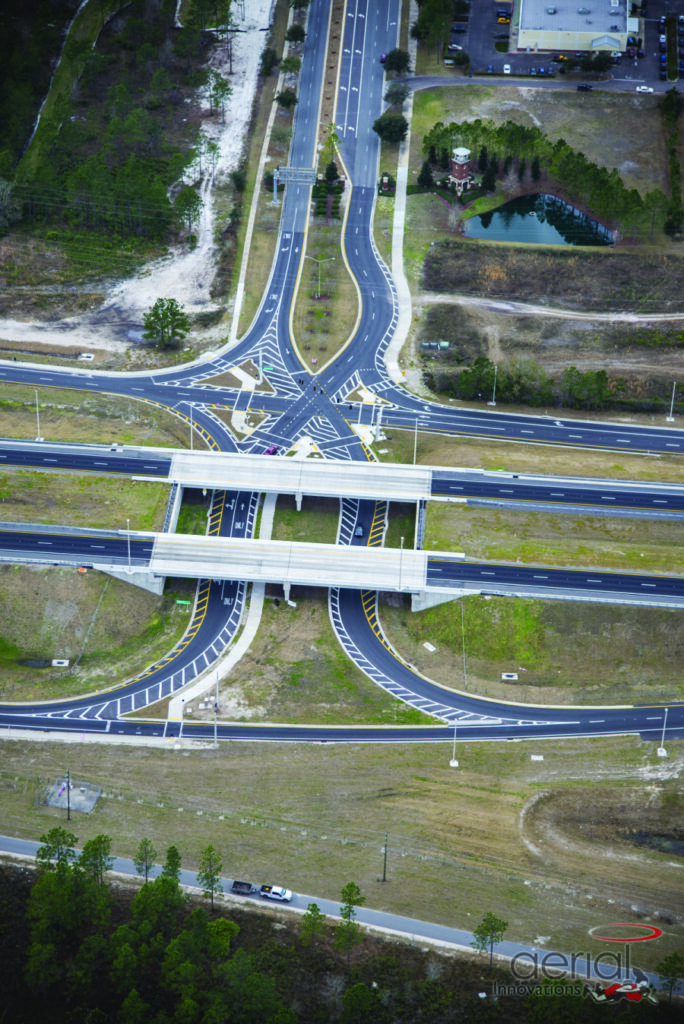
GRL Engineers, Inc. (GRL) was contracted by the Florida Department of Transportation (FDOT) through ECS Florida, LLC in 2019 to perform dynamic pile testing and related services for the SR23 First Coast Expressway project.
GRL served as the project Dynamic Testing Engineer (DTE) for the 26 bridges spanning 10.5 miles of new multi-lane limited access toll roadway on State Road 23. The $229 million project is part of the overall $1.5 billion, 46-mile-long First Coast Expressway, developed through a partnership between the FDOT and Florida’s Turnpike Enterprise. The overall project is intended to create a new regional evacuation route, provide a direct access connection from I-10 to I-95, and help alleviate traffic congestion on SR 23.
Pile Testing and Monitoring
Before construction began, GRLWEAP pile drivability studies were performed to support the initial hammer system selection.
Using a Pile Driving Analyzer® (PDA), GRL engineers monitored pile driving operations onsite and provided real-time recommendations regarding hammer system performance, pile driving stresses and integrity, driving resistance, and load bearing capacity. CAPWAP and refined GRLWEAP analyses were completed to establish production pile driving criteria. At some bridge locations, 100 percent PDA pile testing was implemented.
Addressing Construction Challenges
The project encountered challenges related to pile drivability and geotechnical conditions at several bridge locations.
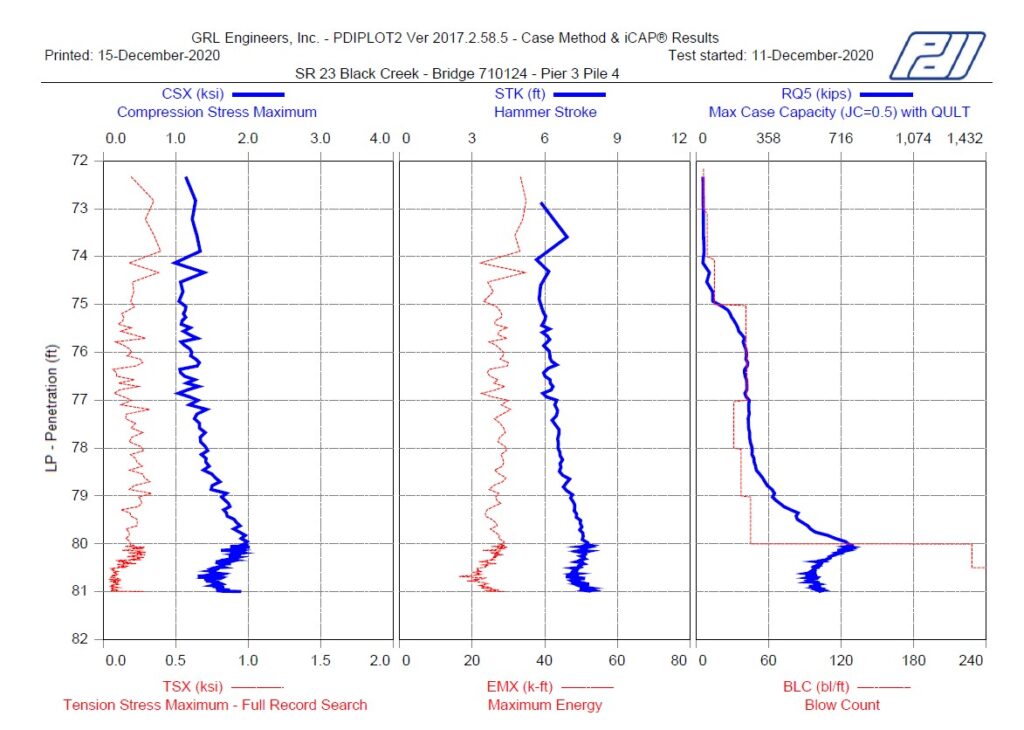
Near the end of initial driving, the prestressed concrete 24-inch square piles experienced high elastic soil rebound. Although the piles reached practical refusal blow counts of 20 blows per inch, the testing data indicated relatively low static load bearing capacity and high pile tension driving stresses.
Because the conditions did not allow for the development of typical pile driving criteria, GRL and the client implemented 100 percent PDA testing. This approach enabled complete monitoring and control of pile drivability. Restrike testing was also performed to evaluate and account for time effects, or soil setup, on the long-term pile load bearing capacity.
Project Results
Results from the project included data from both initial driving and restrike tests. During the project, the Florida Department of Transportation conducted an audit and found no deficiencies.
