




Deck-Mounted Propulsion Packages for Self-Propelled Pile Driving Barges
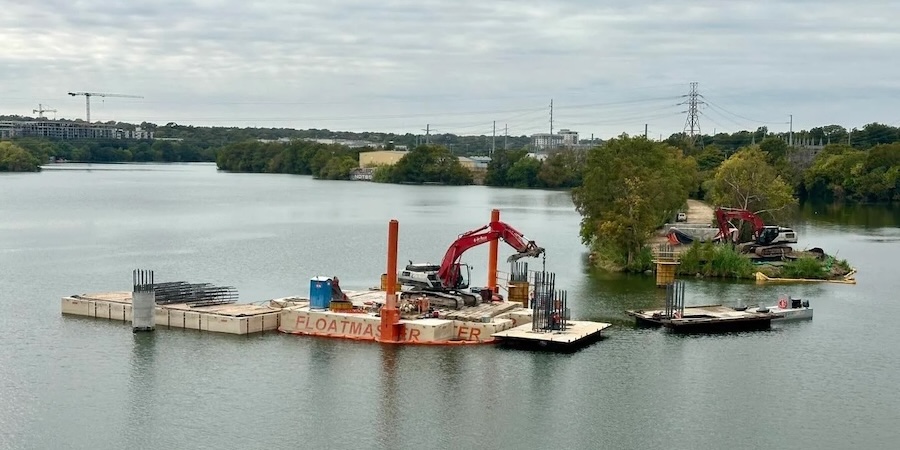
Deck mounted propulsion packages have become an essential solution for operators who need pile driving barges to move independently during construction work. As projects expand into shallow, remote, or high traffic waterways, the ability to reposition barges without tug support improves efficiency and minimizes cost. These propulsion systems offer reliable thrust and flexible installation options for a wide range of barge designs, making them well suited for self propelled marine construction platforms.
Role Of Deck Mounted Propulsion Packages In Marine Construction
Growing Need For Self Propelled Barges
Pile driving barges have traditionally relied on tugboats for transportation and positioning. This approach can slow project schedules, especially when tug availability is limited or when frequent repositioning is required. Deck mounted propulsion packages provide a practical alternative by allowing barges to maneuver on their own, even in narrow waterways or construction zones where external vessels are difficult to coordinate.
Advantages In Shallow Water Operations
Many pile driving projects occur in shallow rivers, estuaries, or coastal zones where tugboats cannot operate efficiently due to draft limitations or restricted turning space. Deck mounted propulsion packages position the drive components near the surface, allowing the barge to navigate in areas where deeper draft vessels cannot enter. This capability enables construction teams to install piles in remote or inland regions while maintaining control of the barge at all times.
Technical Features Of Deck Mounted Propulsion Systems
Modular Installation For Barge Platforms
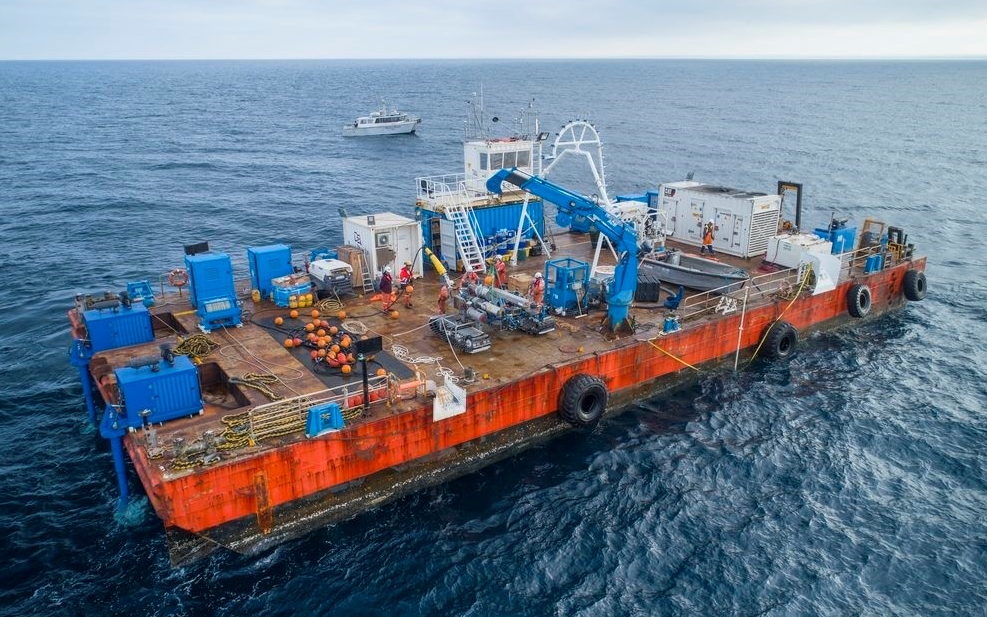
Most deck mounted propulsion systems are designed as modular units that sit on the deck without requiring alterations to the barge hull. This allows contractors to convert standard barges into self propelled platforms quickly. The units include a base frame, hydraulic or mechanical drive components, a shaft arrangement, and a propeller or impeller system. Their modular nature also makes them suitable for rental fleets or temporary project use.
Hydraulic Drive For Versatile Control
Hydraulic propulsion is widely used in these systems because it supports variable loads and provides stable thrust. Operators can control direction and thrust output from a single console, which improves precision during pile placement. Hydraulic systems are also compatible with shallow water environments, where debris or sediment can interfere with traditional propulsion arrangements.
Thrust Output Suitable For Heavy Equipment
Pile driving barges often carry significant weight from cranes, hammers, and structural components. Deck mounted propulsion systems are engineered to provide slow speed maneuvering power for heavy loads. Available output ranges across the marine equipment industry allow barges of many sizes to be outfitted with propulsion that meets their project demands.
Operational Benefits For Pile Driving Projects
Improved Positioning During Foundation Work
Pile installation requires small, controlled adjustments to maintain alignment. Self propelled barges allow operators to move between pile locations with greater accuracy than when relying on tugs. This precision reduces downtime and supports more consistent driving quality.
Reduced Mobilization And Demobilization Costs
Contractors who rely on external towing services often face delays or scheduling conflicts. Self propulsion allows barges to travel on demand without waiting for support vessels. This independence improves productivity and simplifies daily planning for construction crews. It also helps manage project budgets by limiting the cost of tug services.
Enhanced Safety During Construction
Operating multiple vessels in a confined construction area introduces collision risks and communication challenges. A self propelled barge reduces vessel traffic around the job site. Many propulsion systems also include safety features such as protected propeller housings, emergency shutdown functions, and reinforced mounting structures to support safe daily use.
Integration Considerations For Barge Owners
Matching Propulsion To Barge Dimensions
Determining the correct propulsion capacity requires understanding barge dimensions, displacement, and expected current conditions. Choosing a system with insufficient thrust can limit maneuverability or make it difficult to maintain position during pile driving. Reviewing verified performance specifications ensures operators select a unit that supports stable and predictable movement.
Electrical And Hydraulic Compatibility
Deck mounted propulsion systems often rely on onboard generators or hydraulic power units. Compatibility with the barge’s existing systems is essential for reliable operation. Some barges may require additional generators or power modules to support continuous propulsion. Proper integration helps maintain steady thrust output and reduces the chance of system overload.
Maintenance Needs In Marine Conditions
Marine construction environments expose propulsion equipment to corrosion, sediment, and debris. Many deck mounted systems include protective coatings, stainless steel components, and replaceable wear parts to withstand these conditions. Regular inspection of propellers, hydraulic hoses, and mounting bolts is important for maintaining uptime.
Future Direction Of Deck Mounted Propulsion Technology
Advancements In Fuel Efficiency
Design improvements in propeller geometry, gear systems, and hydraulic controls continue to increase fuel efficiency. These enhancements reduce operating costs for contractors who run barges for extended shifts.
Integration Of Electric Propulsion
Electric propulsion is emerging as a possible option for certain marine applications as battery technology improves. While not yet common for heavy pile driving barges, hybrid systems may become more practical in the future, especially in areas with emissions or noise restrictions.
Digital Monitoring For Operational Precision
Many modern propulsion packages integrate digital monitoring tools that track thrust output, temperature, hydraulic pressure, and fuel use. These systems help operators detect issues early and adjust performance during pile placement. Over time, digital tools may support predictive maintenance and more automated maneuvering sequences.
They allow barges to maneuver independently, improving positioning and efficiency without relying on tugboats.
They provide precise, stable thrust for heavy loads in shallow or debris-filled waters and are easy to control from a single console. What is the purpose of deck mounted propulsion packages on pile driving barges?
What are the advantages of hydraulic deck mounted propulsion systems?
