

Tire and Wheel Selection for Port Equipment: Reducing Downtime in High-Load Environments
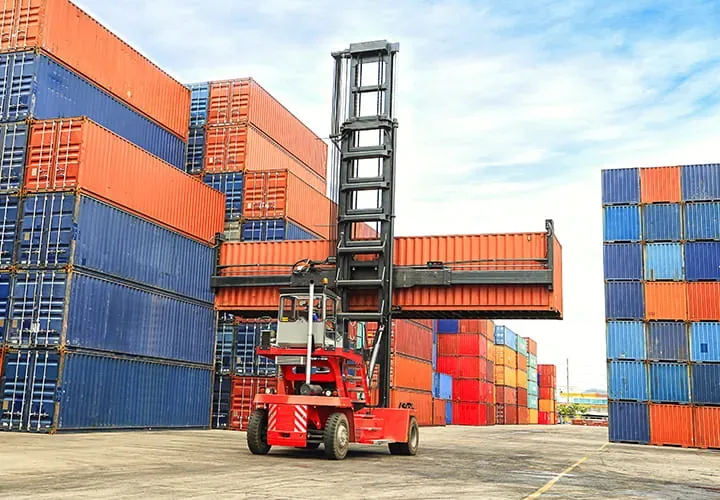
Ports operate under constant pressure to move heavy loads efficiently while minimizing delays. Equipment such as reach stackers, straddle carriers, and terminal tractors must perform continuously in demanding environments where even minor failures can disrupt operations. While engines and hydraulics often receive the most attention, tire and wheel selection plays a critical role in maintaining uptime and ensuring consistent performance across port operations.
Operating Conditions in Port Environments
Port equipment operates under unique conditions that differ from standard construction sites. Surfaces are often a mix of concrete, asphalt, and reinforced ground designed to support heavy loads. Equipment must handle repeated lifting, stacking, and transport cycles throughout the day, often without extended downtime.
In addition to load intensity, environmental factors such as heat buildup from continuous operation and exposure to moisture or debris can influence tire performance. These conditions require tire and wheel systems that can withstand both mechanical stress and environmental challenges over long operating periods.
Load Capacity and Structural Stability Requirements
Load capacity is one of the most critical considerations in port operations. Equipment frequently handles heavy containers and bulk materials, placing significant stress on both tires and wheels. Selecting components that are designed to support these loads helps maintain stability and reduces the risk of failure during operation.
Structural integrity is equally important. Wheels must be able to support repeated load cycles without deformation, while tires must maintain consistent contact with the surface to ensure safe handling. Choosing the right port equipment tire and wheel solutions for heavy loads can help operators maintain stability and reduce the likelihood of unplanned downtime.
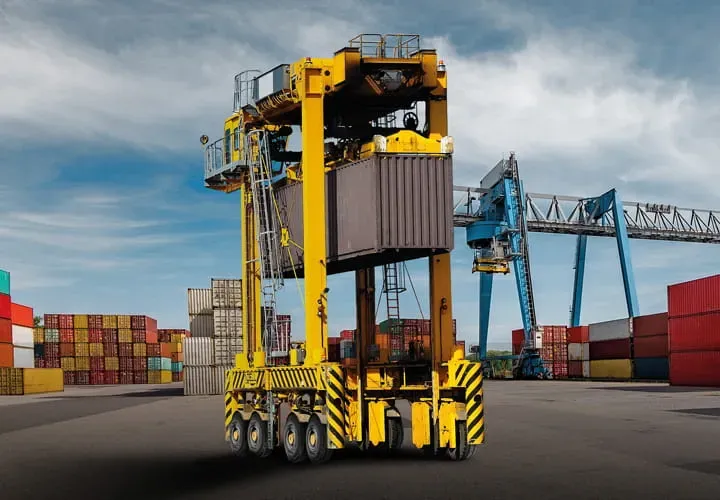
Tire Types Used in Port Applications
Different tire types are used depending on the specific role of the equipment. Pneumatic tires are commonly used where some level of cushioning is required, offering improved comfort and flexibility on uneven surfaces. However, their air-filled design makes them more vulnerable to punctures and pressure-related issues.
Solid tires are often preferred in high-risk environments where debris or sharp objects are present. Their puncture-resistant construction allows equipment to operate continuously without interruption from flats. Advances in tire design have improved their ability to manage heat and provide a more balanced performance profile.
Selecting the appropriate tire type requires understanding the operating environment and the specific demands placed on each piece of equipment.
Wheel Configurations and Their Impact on Performance
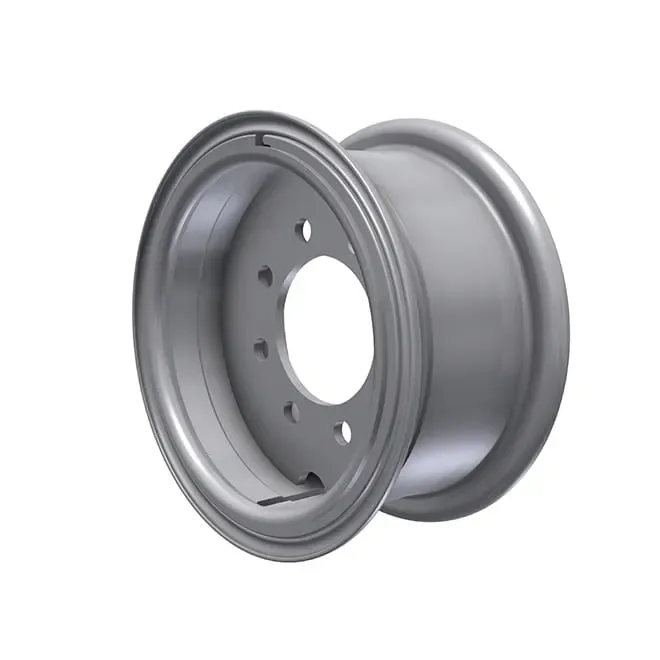
Wheels are often overlooked, yet they play a central role in supporting tire performance. In port environments, wheels must withstand repeated stress from heavy loads and continuous movement. Proper wheel design helps distribute weight evenly and maintain structural integrity over time.
Compatibility between tires and wheels is essential. Mismatched configurations can lead to uneven wear, reduced stability, and increased maintenance requirements. Ensuring that both components are aligned with the operational demands of port equipment helps improve overall efficiency and reliability.
Common Causes of Downtime Related to Tires and Wheels
Downtime in port operations is often linked to preventable issues related to tires and wheels. Blowouts, excessive wear, and structural failures can halt equipment unexpectedly, leading to delays in cargo handling and increased operational costs.
Improper tire selection is a common contributing factor. Using components that are not suited to heavy-load environments can accelerate wear and increase the likelihood of failure. Maintenance practices also play a role, as inadequate inspection routines can allow minor issues to develop into major problems.
Reducing downtime requires both proper selection and consistent monitoring of tire and wheel performance.
Strategies to Improve Uptime and Efficiency
Improving uptime begins with selecting components that match the demands of port operations. Tires designed for heavy loads and continuous use can reduce the risk of failure and extend service life. Wheels that are engineered for durability help maintain structural stability under repeated stress.
Regular maintenance is equally important. Routine inspections, monitoring of wear patterns, and timely replacements can prevent unexpected breakdowns. Operators also benefit from understanding how equipment usage affects tire performance, allowing them to adjust practices to minimize unnecessary stress.
Supporting Equipment Performance Through Better Selection
Tire and wheel selection is closely tied to overall equipment performance. Stable and reliable components allow machines to operate at their full capacity, improving cycle times and reducing delays. In high-demand environments such as ports, even small improvements in uptime can have a significant impact on productivity.
By focusing on durability, load capacity, and compatibility, operators can ensure that their equipment remains reliable under continuous use. This approach not only reduces downtime but also contributes to safer and more efficient operations across the entire port facility.
