




Maximizing Value from Surplus Steel Sheet Piling: Strategies for Contractors to Sell Excess Inventory Quickly
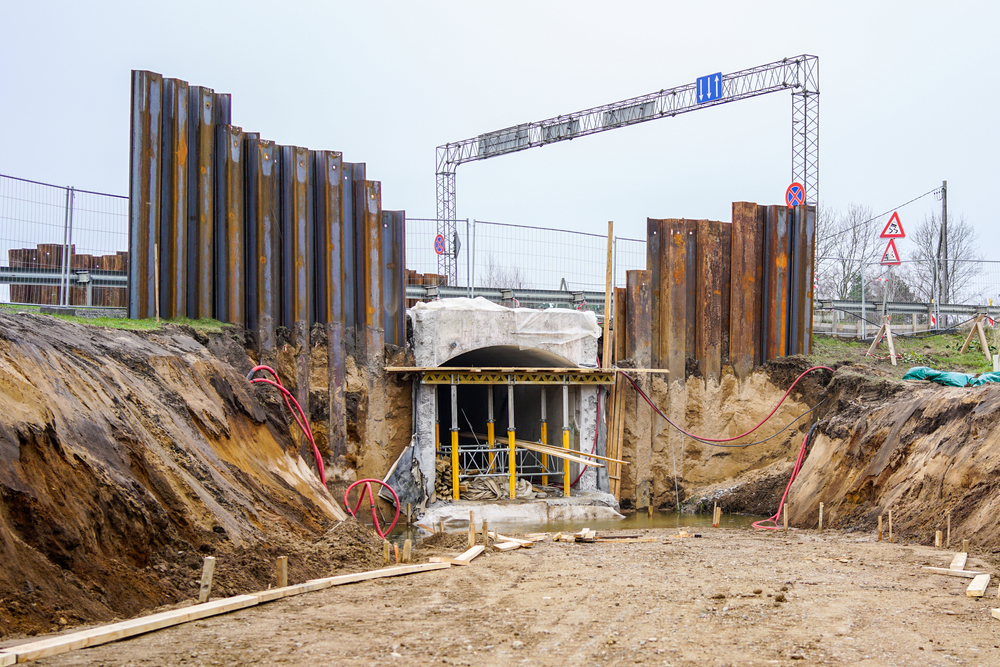
Surplus steel sheet piling is a reality for many marine and heavy civil contractors. Changes in design, project cancellations, over ordering, and specification revisions can leave valuable material sitting in the yard, tying up capital and taking up space. By understanding market demand, pricing dynamics, and proven resale strategies, contractors can turn excess inventory into working cash while strengthening relationships across the marine construction supply chain.
Understanding the Surplus Sheet Piling Market
Why Surplus Material Accumulates
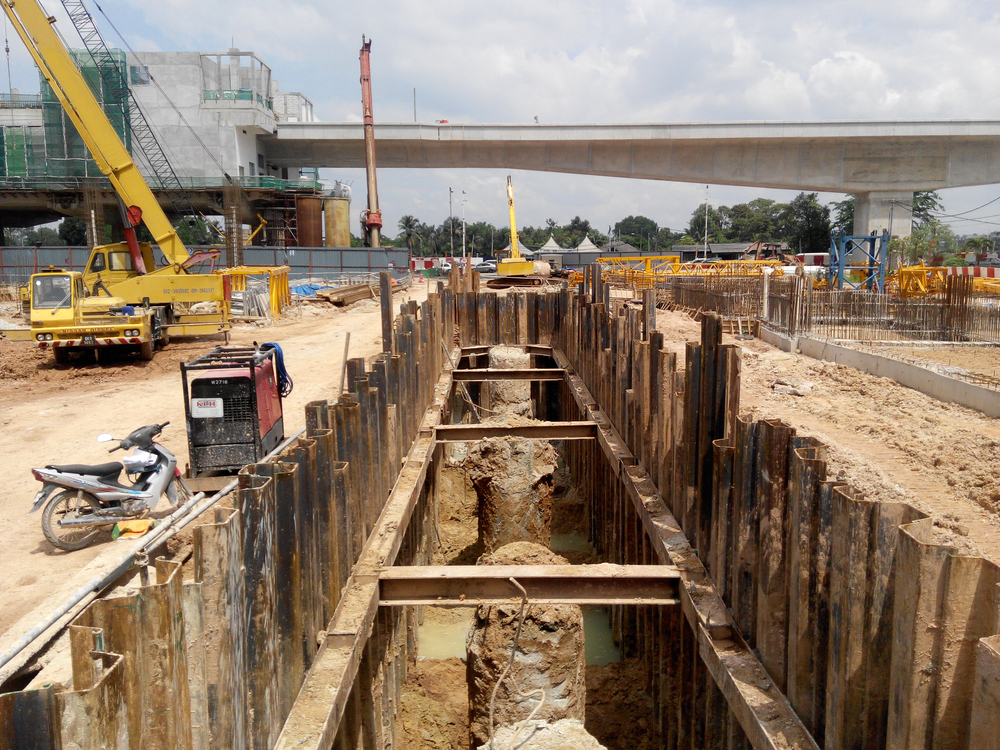
Steel sheet piling is commonly used in cofferdams, bulkheads, seawalls, bridge abutments, and deep excavations. Contractors often purchase additional lengths to account for cutting losses, damage risk, or schedule uncertainty. When final quantities come in lower than expected or a project is redesigned, the remaining sections become surplus.
In some cases, piles are fabricated for a specific wall length or section modulus requirement and then never installed. In other cases, used piles from temporary works are extracted and remain structurally serviceable. Both new surplus and used material can retain significant value if properly documented and marketed.
Demand Drivers in Marine and Civil Work
Demand for sheet piling is closely tied to waterfront development, port expansion, flood control, and transportation infrastructure. Temporary works such as excavation support also create consistent short term demand. Contractors searching for cost savings often consider surplus inventory before ordering new mill production.
This is especially true during periods of volatile steel pricing. When steel prices rise quickly, buyers may look for available inventory in the secondary market rather than waiting for new production. Working with firms that specialize in surplus steel sheet piling resale can help match available stock to projects that need immediate supply.
Evaluating Inventory Before Listing for Sale
Inspecting Condition and Structural Integrity
Before marketing excess inventory, contractors should evaluate the physical condition of each section. For new surplus material, this involves confirming mill certifications, section properties, and coating condition. For used piles, inspection should include visual review of interlocks, straightness, corrosion, and any deformation from driving or extraction.
Sheet piles are designed to interlock and create continuous walls that resist lateral soil and water pressures. Damaged interlocks or severe corrosion can reduce performance and resale value. Documenting the condition with clear photographs and detailed notes improves buyer confidence and supports fair pricing.
Organizing Documentation and Traceability
Buyers often request mill test reports, original purchase records, and section identification. Providing documentation of steel grade, section modulus, and dimensions allows engineers to verify suitability for a specific design. Organized records reduce delays and increase the likelihood of a quick transaction.
Contractors who regularly handle waterfront projects may already maintain digital inventory systems. Updating these records with accurate lengths, quantities, and locations ensures that listings reflect actual available stock.
Pricing Strategies That Reflect Market Conditions
Tracking Steel Price Trends
Steel pricing fluctuates based on global demand, raw material costs, and production capacity. Hot rolled coil pricing is frequently used as a benchmark for general steel market direction. When prices trend upward, surplus sheet piling may command stronger resale values.
Conversely, during periods of oversupply or reduced construction activity, buyers may expect discounted pricing. Contractors should research current market conditions and recent comparable sales to set realistic expectations. Pricing too high can delay a sale and extend carrying costs.
Balancing Speed and Margin
The goal for many contractors is to convert surplus into cash quickly to free up yard space and improve liquidity. A slightly lower price that results in a fast transaction may be more valuable than holding out for a higher number over several months.
Transportation costs also affect pricing decisions. Sheet piling is heavy and often requires specialized trucking or rail. Understanding freight distances and regional demand can guide whether to market inventory locally or nationally.
Marketing Channels for Rapid Resale
Leveraging Industry Networks
Relationships remain central to the marine construction sector. Project managers, estimators, and suppliers often know which contractors are bidding upcoming waterfront or excavation support work. Informing trusted contacts about available inventory can generate immediate leads.
Trade publications, association events, and online industry platforms also provide exposure. In some cases, working with a broker or asset recovery firm that focuses on marine and structural steel can expand reach beyond a contractor’s direct network.
Using Digital Marketplaces and Asset Recovery Services
Online marketplaces for construction materials have grown in recent years. Listing detailed specifications, quantities, and location information increases visibility among buyers seeking immediate availability. Including clear photos and documentation helps reduce back and forth communication.
Specialized firms that handle surplus and secondary steel often provide evaluation, marketing, and logistics coordination. These services can streamline the resale process and connect sellers with contractors searching for immediate supply of sheet piling sections for cofferdams or bulkheads.
Preparing Material for Sale
Staging and Accessibility
Material that is organized and easily accessible is more attractive to buyers. Separating piles by section type and length simplifies loading and reduces time on site. Clear labeling of quantities and section profiles minimizes confusion during inspection.
If piles are stored outdoors, ensuring safe access and stable stacking conditions supports smooth loading operations. Efficient handling reduces costs for both seller and buyer.
Coordinating Logistics and Transportation
Sheet piles are long, heavy, and sometimes coated. Coordinating appropriate trailers, cranes, and loading crews is essential. Early communication about loading capabilities and site constraints prevents delays.
Some buyers prefer to arrange their own transportation, while others request delivered pricing. Being flexible and transparent about loading equipment, operating hours, and yard policies can facilitate quicker deals.

Risk Management and Contract Terms
Clarifying Condition and Liability
Sales agreements should clearly define whether material is sold as new surplus or used. Any known defects or damage should be disclosed in writing. This reduces the risk of disputes after delivery.
Payment terms, transfer of title, and responsibility for loading and transport should be addressed before shipment. Clear documentation protects both parties and builds trust within the industry.
Understanding Regulatory Considerations
In some regions, environmental or coating regulations may affect resale of certain materials. For example, piles previously exposed to contaminated soils or water may require cleaning or certification. Contractors should verify local requirements before marketing used inventory.
Compliance with scrap and resale regulations also varies by jurisdiction. Confirming proper documentation helps avoid delays and penalties.
Long Term Inventory Planning
Improving Forecasting and Procurement
While surplus can often be resold, prevention is more efficient. Improved quantity takeoffs, careful review of design revisions, and closer coordination with engineers can reduce over ordering. Staged deliveries from suppliers may also limit excess accumulation.
However, some surplus is inevitable in complex marine projects. Establishing relationships with buyers and secondary market specialists in advance creates an exit strategy before inventory begins to accumulate.
Building Strategic Resale Partnerships
Contractors that regularly work on temporary works projects may develop ongoing arrangements for resale of extracted piles. Partnering with firms that handle secondary steel products can create a predictable channel for moving excess inventory.
These partnerships not only speed up transactions but also provide insight into regional demand trends. Over time, this information supports smarter purchasing and inventory decisions.
Turning Idle Steel Into Working Capital
Surplus sheet piling does not have to sit idle in a yard. With accurate documentation, realistic pricing, and effective marketing, contractors can convert excess sections into immediate capital that supports future bids and operations. By engaging trusted networks and specialized resale channels, companies can maximize value while strengthening their position in the competitive marine construction market.
How can contractors maximize the resale value of surplus steel sheet piling?
By thoroughly inspecting interlocks and corrosion, organizing mill documentation, pricing based on current steel market trends, and marketing through industry networks or specialized resale firms.
What factors most influence the resale price of used sheet piling?
Market steel prices, material condition, section type and length, documentation availability, and transportation logistics all directly impact resale value.
