




Steel And Armor Stone Breakwalls: When Hybrid Systems Outperform Concrete
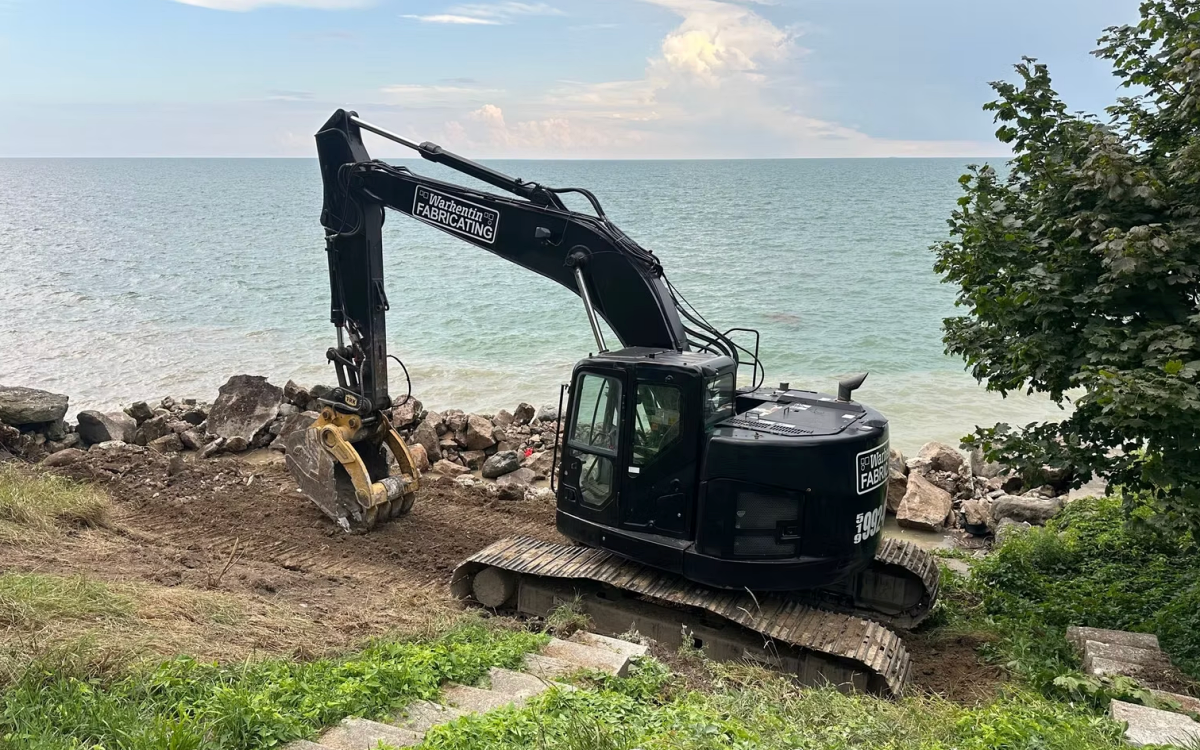
Waterfront property owners and planners constantly balance aesthetics, durability, and cost when protecting shorelines from waves, storms, and long term erosion. Traditional concrete seawalls have been a go to solution for decades, but hybrid systems that combine steel structural walls with armor stone have proven themselves in many real world applications. These systems offer resilience and adaptability that make them attractive for a wide range of projects from residential waterfronts to public marina facilities. Understanding the practical differences between hybrid breakwalls and conventional concrete walls helps decision makers choose the right approach for their conditions. To dive deeper into how these systems are designed and installed, see authoritative guides on marine breakwall design and installation that explain industry standard practices and environmental considerations.
Why Waterfront Protection Matters Today
Coastal and lakeside communities face more frequent intense storms and rising water levels than in previous decades. The forces acting on a shoreline include everyday wave action, storm surge, seasonal changes in water level, and long term erosion from currents and wind. Planners and property owners cannot treat these forces as static. What worked in the past may not be effective for the next 20 to 50 years. A protective structure must not only stop soil loss and overwash, it must also withstand repeated impacts without costly repairs. Concrete walls, while strong, rely mainly on mass and rigidity to block water. Over time, repeated wave impacts create stress that leads to cracking, spalling, and eventual performance decline. Hybrid systems address this by layering protection so that each material plays to its strength.
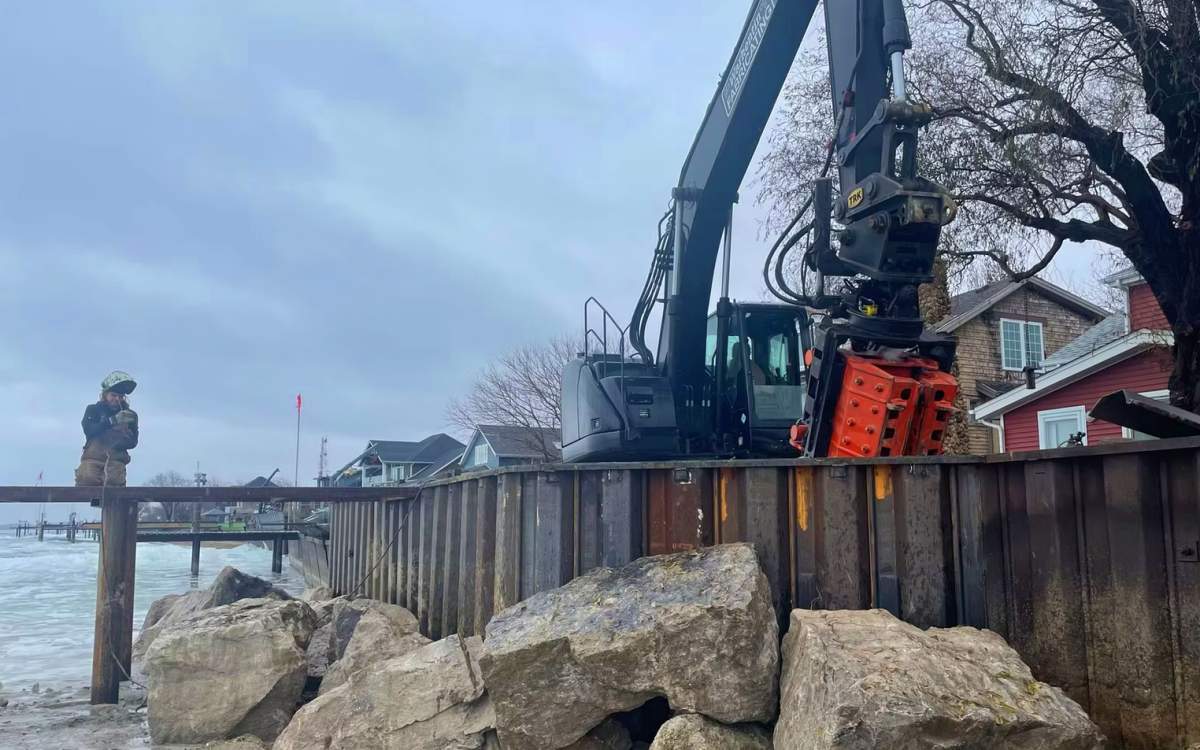
Steel portion of a hybrid breakwall provides a robust vertical element that resists lateral forces from wind driven waves and soil pressure behind the wall. Armor stone, placed on the seaward face or at the base, acts as a buffer that absorbs and dissipates incoming wave energy before it reaches the primary structural element. This arrangement reduces the direct stress on the vertical wall and allows the system to adapt to minor settlement and shifting soils without compromising protection.
What Makes Hybrid Breakwalls Different
Steel and armor stone breakwalls are not simply a combination of materials thrown together. They are engineered systems that recognise how water interacts with a shoreline. The vertical steel elements create a continuous barrier that prevents soil migration and reduces risk of undermining. Steel sheet walls interlock to form a tight weathertight surface that transfers loads into the foundation soils. Behind this wall, engineers often place backfill materials that transition loads evenly and promote drainage to reduce hydrostatic pressure.
Armor stone, on the other hand, is selected based on size, mass, and placement geometry to best match expected wave conditions. These stones are often much larger than typical landscaping rock because they must resist movement under powerful dynamic loads. When waves hit, water pushes through the irregular voids between stones, losing energy as it does so. This energy reduction protects the structural wall and the shoreline behind it. The combination of mass and energy dissipation is what gives hybrid systems an edge over monolithic concrete walls that are designed to take the impact directly.
How Hybrid Systems Perform in Real World Conditions
One of the reasons hybrid breakwalls outperform concrete in many situations is adaptability. Waterfront environments are rarely uniform. Soil conditions change along a shoreline, water levels rise and fall, and storm frequency fluctuates. Hybrid systems allow engineers to tailor each section based on site specific conditions. If a section of shoreline is exposed to higher wave energy, larger stone or deeper sheet elements can be used. If the area is more sheltered, the design can be adjusted accordingly without sacrificing performance.
Concrete walls are inherently rigid and have limited tolerance for differential movement. When soils beneath a concrete wall shift due to changes in moisture content, frost heave, or wave scour, the wall cannot adjust. Small cracks evolve into larger structural problems that require costly repairs or replacement. Steel and stone systems, because of the way they interact with soil and water, tolerate minor shifts without losing protective function. The steel can flex within engineered tolerances, and the stone redistributes loads when placed correctly, reducing focal stress points.
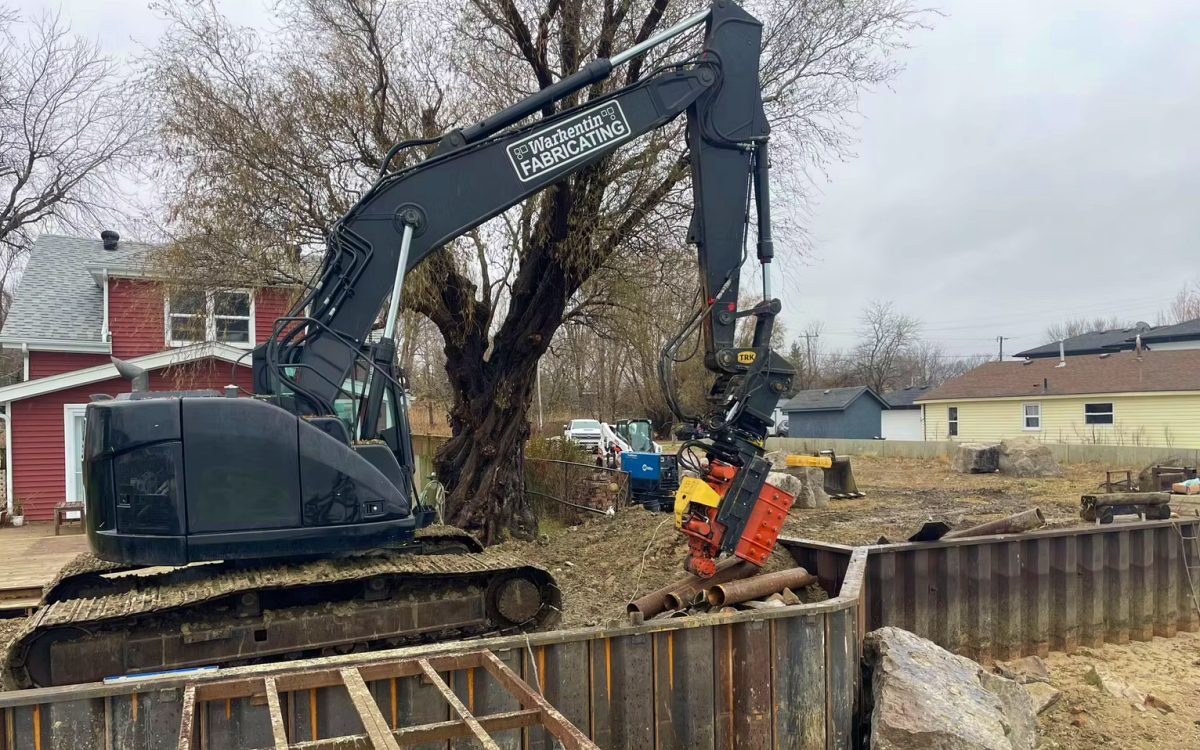
Builders and planners also appreciate that hybrid systems can often be constructed more quickly than large cast in place concrete walls. Steel sheet elements can be driven into position with specialised equipment, and stone can be placed from land or barge mounted cranes depending on access. Shorter construction time means less disruption to existing structures, reduced labour costs, and minimal interruption to waterfront activities.
The Aesthetic and Environmental Impacts
Concrete walls are often criticised for their utilitarian appearance. They create a stark vertical surface that may not fit well with natural landscapes or recreational settings. Steel and armor stone breakwalls, by comparison, present a more natural look that can blend with the shoreline and support adjacent land use. For residential communities and parks, this softer visual impact can be significant.
From an environmental standpoint, properly designed armor stone layers contribute to habitat features along the waterline. The voids between large stones provide microhabitats for small aquatic organisms, encouraging biodiversity in ways a smooth concrete surface cannot. While hybrid systems are still engineered structures, their physical form can complement adjacent natural features when planned with care.
Long Term Maintenance and Adaptability
Maintenance strategies for waterfront protection must be realistic and affordable. Concrete walls often require significant work once cracking begins. Repairs may involve drilling and epoxy injection, adding anchors, or in worst cases removing and replacing sections of wall. These repairs become increasingly expensive over time, sometimes exceeding initial construction costs.
Hybrid systems have different maintenance profiles. The most common maintenance tasks involve repositioning stone displaced by extreme events or renewing protective coatings on steel. These tasks are generally localised and do not require dismantling the entire system. Because stone can be added or adjusted without major disruption, long term upkeep can be more manageable for property owners and municipalities. Steel elements treated for corrosion with modern coatings can last for decades with periodic inspections and touch ups.
Hybrid systems also allow for future adaptability. If water levels rise more rapidly than anticipated or wave conditions change due to upstream development, stone armor layers can be augmented and sheet elements extended without full reconstruction. This flexibility is attractive for long term coastal planning where future conditions are uncertain.
Making The Right Coastal Protection Choice
When evaluating options for waterfront protection, stakeholders should consider both performance and lifecycle costs. Concrete walls remain a viable solution for many situations, especially where mass and rigidity are primary concerns. However hybrid steel and armor stone breakwalls offer a strong alternative that balances strength, energy dissipation, visual compatibility, and long term adaptability. Waterfront planners, property owners, and municipal decision makers should assess site specific conditions such as soil type, expected wave energy, and future water level projections before choosing a system.
In many real projects across lakes, rivers, and coastal zones, hybrid systems deliver effective protection without the drawbacks of purely rigid structures. Their ability to absorb wave energy, tolerate soil movement, and integrate with surrounding land use makes them a compelling option for modern shoreline management strategies. As you explore protective measures for your water edge, consider how hybrid breakwalls have been applied successfully in similar contexts and how best practices in marine breakwall design can guide your planning and execution.
What are the advantages of hybrid steel and armor stone breakwalls over traditional concrete walls?
They absorb wave energy, tolerate soil movement, and reduce structural stress, extending service life.
How is maintenance different for hybrid breakwalls compared to concrete walls?
Maintenance is mostly local, like repositioning stones or coating steel, without full reconstruction.
