

Selecting the Right Drill Bits for Efficient Foundation Drilling in Varied Geologies
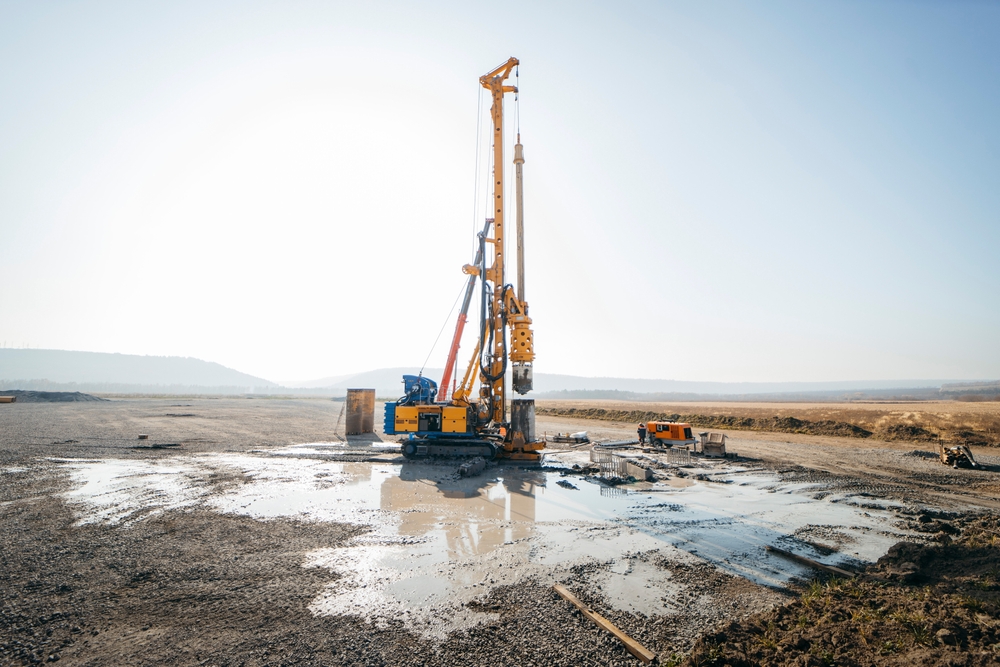
Foundation drilling rarely follows a single predictable pattern. Soil layers change, rock strengths vary, and groundwater conditions introduce additional complexity. Selecting the right drill bit is one of the most important decisions contractors make before mobilizing a foundation drilling operation. The correct choice improves penetration rates, reduces wear on equipment, and lowers the risk of delays caused by tooling failures or unplanned bit changes.
Understanding Geological Variability in Foundation Drilling
Foundation drilling projects often encounter mixed ground conditions within a single bore. Loose sands, stiff clays, weathered rock, and competent bedrock may all appear at different depths. Each material interacts differently with drilling tools, affecting torque requirements, spoil removal, and overall drilling efficiency. Understanding how drill bits engage with these materials is essential for maintaining steady progress and avoiding premature tool damage.
Soil Classification and Drilling Behavior
Granular soils such as sand and gravel typically require cutting structures that promote efficient material flow. Fine-grained soils like clay demand tools that resist clogging while maintaining cutting stability. In cohesive soils, excessive friction along the bit body can slow penetration, making bit geometry a critical factor in maintaining productivity during foundation drilling operations.
Rock Strength and Abrasiveness
Rock formations introduce another layer of complexity. Soft rock such as shale behaves differently than abrasive sandstone or hard igneous formations. Bit wear rates increase significantly in abrasive rock, which can shorten tool life if the cutting structure is not designed for those conditions. Selecting a drill bit matched to rock strength helps control operating costs and maintain predictable drilling performance.
Drill Bit Types Commonly Used in Foundation Work
Different drill bit designs are engineered to address specific ground conditions. No single bit performs optimally across all geologies, which is why foundation drilling often requires multiple tooling changes as subsurface conditions evolve.
Drag Bits for Unconsolidated Materials
Drag bits are commonly used in soft soils, sands, and silts. Their simple cutting edges allow for rapid penetration in loose formations where minimal resistance is present. These bits are often favored in shallow foundation drilling where ground conditions are relatively uniform and free of large obstructions. In projects involving loose or non cohesive soils, contractors often rely on proven foundation drilling methods to pair drag bits with appropriate spoil removal techniques.
Roller Cone Bits in Mixed and Hard Formations
Roller cone bits use rotating cones with hardened teeth to crush and fracture rock. They are well suited for mixed ground conditions where soil transitions into rock. The rolling action reduces friction and helps manage heat buildup during drilling. These bits are frequently selected for foundation shafts that pass through variable strata, especially where rock strength changes gradually with depth.
Fixed Cutter Bits for Competent Rock
Fixed cutter bits, including those with polycrystalline diamond cutters, are designed for consistent engagement with hard and competent rock. Their stationary cutting elements shear rock rather than crushing it, which can improve penetration rates in uniform formations. In foundation drilling, these bits are often reserved for deeper bores where rock quality is well understood from geotechnical investigations.
Matching Drill Bits to Project Objectives
Efficient foundation drilling is not only about penetrating the ground. Contractors must also consider hole quality, alignment tolerances, and spoil management. Drill bit selection plays a direct role in meeting these project requirements.
Maintaining Borehole Stability
Certain formations are prone to collapse or sloughing during drilling. Bit design influences how much disturbance is introduced into the surrounding soil or rock. Selecting a bit that minimizes vibration and excessive cutting forces can help preserve borehole integrity, particularly in sensitive soils or fractured rock zones.
Controlling Penetration Rates and Torque
High penetration rates are desirable, but only when they do not exceed the limits of the drilling rig or tooling. Drill bits that generate excessive torque can strain equipment and increase the risk of mechanical failure. Matching bit aggressiveness to rig capacity helps maintain steady drilling progress while protecting critical components.
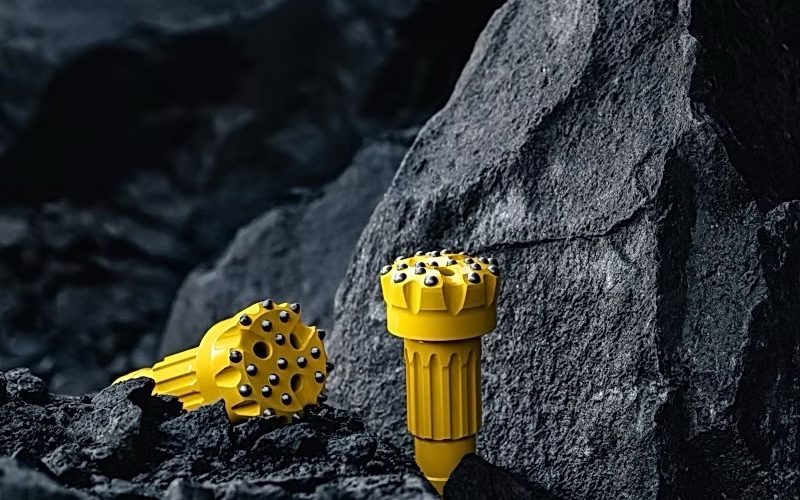
The Role of Geotechnical Data in Bit Selection
Accurate geotechnical data is the foundation of effective drill bit selection. Soil borings, rock cores, and laboratory testing provide insight into subsurface conditions before drilling begins. Contractors who align drill bit choices with these findings are better positioned to adapt as conditions change.
Interpreting Bore Logs and Core Samples
Bore logs reveal soil classifications, moisture content, and density, while core samples offer direct evidence of rock quality and fracture patterns. These data points guide decisions on cutting structures, bit materials, and anticipated wear rates. Integrating geotechnical information into drilling plans reduces uncertainty and improves overall efficiency.
Planning for Transitions Between Materials
Many foundation drilling challenges arise at transitions between soil and rock. Drill bits that perform well in soil may struggle when encountering harder layers. Planning for tooling changes at anticipated transition depths helps minimize downtime and maintain consistent drilling progress across variable geologies.
Operational Considerations During Drilling
Even the best drill bit selection requires proper operational practices to achieve optimal results. Monitoring drilling parameters and responding to changes in ground behavior are essential components of efficient foundation drilling.
Adjusting Drilling Parameters in Real Time
Changes in torque, vibration, or penetration rate often signal a shift in subsurface conditions. Operators who adjust rotational speed, downforce, or flushing methods in response to these indicators can extend bit life and maintain bore quality. Drill bits perform best when operated within their intended design limits.
Managing Wear and Replacement Cycles
Wear is inevitable, especially in abrasive formations. Regular inspection of cutting structures helps identify when performance is declining. Timely replacement prevents excessive damage to the bit body and reduces the risk of costly delays caused by tool failure deep within a borehole.
Balancing Cost and Performance in Bit Selection
Cost considerations extend beyond the initial price of a drill bit. Performance, durability, and the impact on overall project timelines all factor into the true cost of tooling decisions.
Evaluating Lifecycle Costs
A less expensive bit may require frequent replacement, increasing downtime and labor costs. Conversely, a higher quality bit designed for specific geological conditions may offer longer service life and more consistent performance. Evaluating lifecycle costs provides a clearer picture of value in foundation drilling operations.
Minimizing Downtime Through Proper Planning
Unplanned bit changes disrupt workflow and can delay critical construction milestones. Selecting drill bits based on realistic assessments of ground conditions reduces the likelihood of unexpected stoppages. Many contractors rely on established drilling tool selection practices to balance upfront costs with long term operational efficiency.
Selecting the right drill bits for foundation drilling in varied geologies requires a careful balance of geological understanding, tooling knowledge, and operational discipline. By aligning drill bit types with soil and rock conditions, using geotechnical data to anticipate challenges, and monitoring performance throughout the drilling process, contractors can improve efficiency and reduce risk. As foundation drilling projects continue to encounter increasingly complex subsurface environments, thoughtful drill bit selection remains a critical factor in delivering safe, timely, and cost effective foundations.
Why is drill bit selection critical in mixed soil and rock conditions?
Drill bit choice directly affects penetration rates, torque demands, and borehole quality. Using the right bit for each material—soil, weathered rock, or competent bedrock—reduces wear, prevents deviation, and minimizes unplanned downtime during foundation drilling.
How can geotechnical data improve drilling efficiency?
Bore logs and core samples reveal soil types, rock strength, and transition depths. By aligning bit selection and operational adjustments with this data, contractors can anticipate challenges, plan tool changes, and maintain steady drilling progress.
