

The Real Cost of Hydrostatic Pressure Drainage Failure
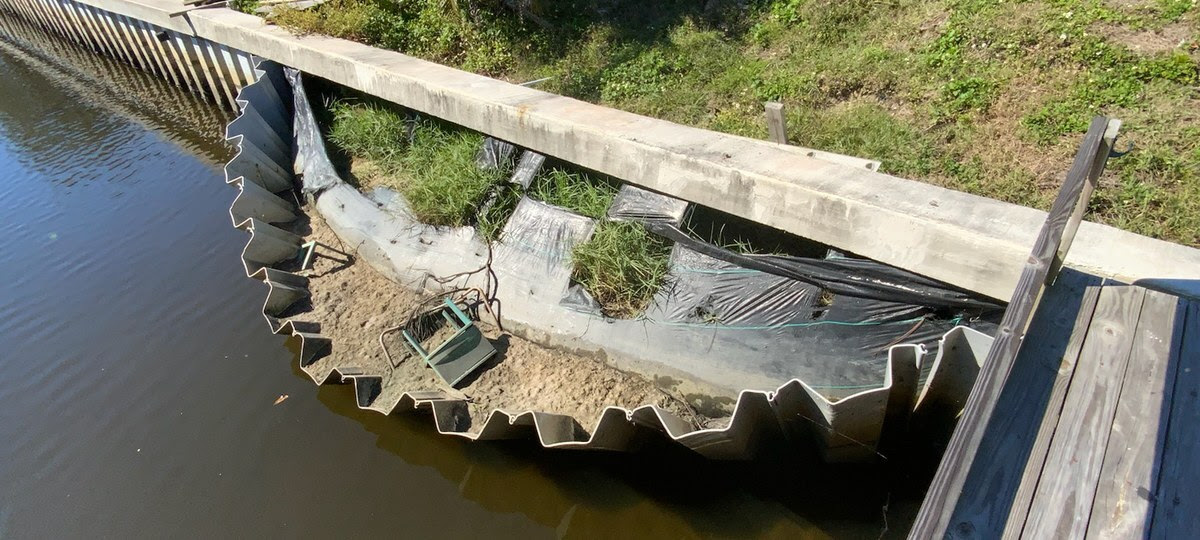
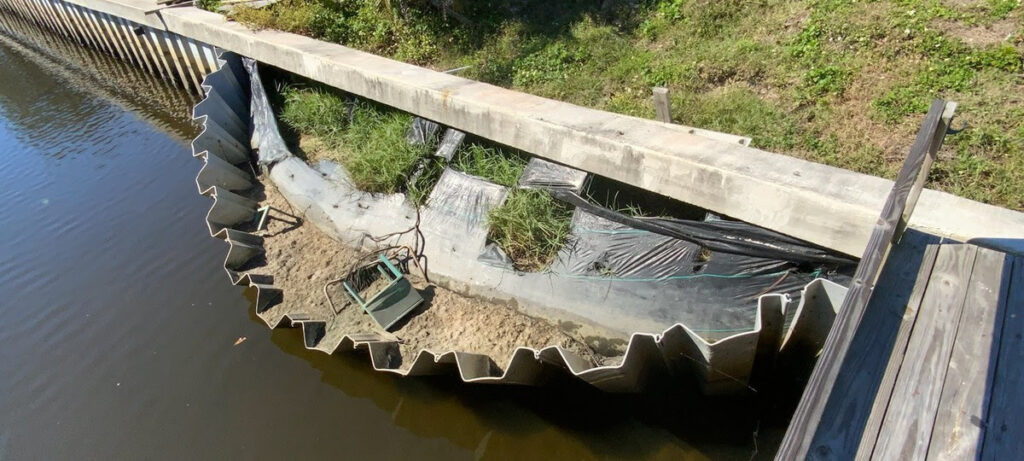
When a drainage system fails, the consequences rarely unfold slowly. In most cases, the structures designed to withstand immense earth and water pressures begin to deteriorate rapidly, leading to extensive repairs, operational disruptions, and significant financial losses. While drainage components are often viewed as minor elements within a larger infrastructure project, their long-term performance can determine whether a structure remains stable for decades—or becomes a costly liability.
Understanding the True Cost of Failure
Hydrostatic pressure is one of the most persistent threats to retaining walls, bridge abutments, flood control systems, and other earth-retaining structures. Effective drainage relieves this pressure by allowing water to escape before it accumulates behind structural elements.
When drainage pathways become clogged or fail entirely, hydrostatic pressure increases, causing cracking, displacement, settlement, and eventual structural failure. The resulting repair costs can be substantial.
Typical Repair Costs Following Drainage Failure
Retaining Walls
- $250–$700 per square foot
Bridge Abutments & Wing Walls
- $500–$1,200 per square foot
Flood Control Channels
- $600–$1,000 per linear foot
These figures represent direct repair costs only. Additional expenses—including engineering evaluations, traffic disruptions, environmental remediation, and reconstruction delays—can significantly increase the overall financial impact.
The Hidden Cost of Traditional Weep Holes
Traditional weep hole systems have long been used to provide drainage relief behind retaining structures. However, their performance is limited by a fundamental issue: they are highly susceptible to clogging from soil particles, sediment, and debris.
Most traditional weep hole systems experience failure within 5 to 15 years. Once clogged, they generally cannot be repaired in place, often requiring invasive and expensive corrective measures.
While the initial installation cost may appear economical, the long-term maintenance and repair burden tells a different story.
A 100-Year Perspective on Total Cost of Ownership
Infrastructure owners increasingly evaluate drainage systems based not only on installation costs but also on lifecycle performance.
A 100-year total cost of ownership analysis reveals a stark contrast between conventional drainage approaches and advanced filtration systems such as JET Filter.
Traditional Weep Holes
- Initial installation cost comparable to modern alternatives
- Typical failure within 5–15 years
- Repeated repair and replacement cycles
- More than $500,000 in cumulative, compounding repair costs over a 100-year period
JET Filter™
- Comparable upfront installation cost
- Engineered to prevent clogging and maintain drainage performance
- Housing designed for a service life exceeding 100 years
- Approximately $25,000 in periodic maintenance costs over the same 100-year period
The most significant difference is not the initial investment—it is what happens over the following century.
Long-Term Performance Matters
Infrastructure assets are expected to perform for generations. Decisions made during design and construction can influence maintenance budgets, operational reliability, and public safety for decades.
By reducing the risk of hydrostatic pressure buildup and eliminating the recurring failure cycle associated with traditional drainage methods, JET Filter™ provides a proactive approach to long-term asset protection.
For engineers, owners, and agencies responsible for critical infrastructure, the question is no longer simply how much a drainage solution costs to install. The more important question is how much it will cost if that solution fails.
When evaluated over the full lifecycle of a structure, the economics become clear: investing in reliable drainage today can prevent hundreds of thousands of dollars in avoidable repairs tomorrow.
See the Full Cost Analysis and explore additional engineering resources in the Engineering Hub.
