





Precision Pile Cutting for Bridge and Wharf Rehabilitation Projects
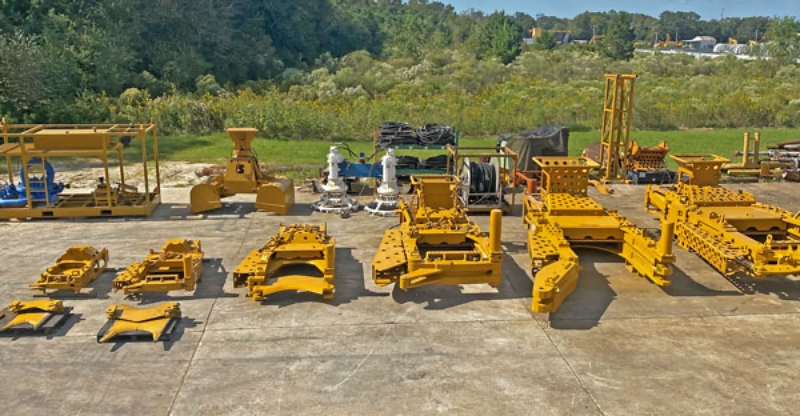
A growing share of bridge and waterfront construction work today involves rehabilitation rather than new builds. Aging infrastructure, evolving load requirements, and environmental regulations are pushing owners to extend the service life of existing structures instead of replacing them entirely. In these projects, pile cutting plays a critical role. Unlike demolition or greenfield installation, rehabilitation demands precise, controlled modification of existing piles to meet tight structural tolerances while minimizing disruption to surrounding elements. As a result, precision pile cutting has become an essential operation in modern bridge and wharf rehabilitation projects.
Why Precision Matters in Rehabilitation Projects
Rehabilitation projects differ fundamentally from new construction. Existing bridges and wharves often remain partially operational during repairs, leaving little room for error. Piles may already be supporting active loads or tied into interconnected structural systems. Any modification must preserve alignment, load transfer, and long-term performance.
Precision pile cutting allows engineers and contractors to adjust pile elevations and lengths without compromising structural integrity. Controlled cutting techniques reduce the risk of overcutting, uneven load distribution, or unintended damage to adjacent components. In marine environments, precision also helps limit vibration, turbidity, and disturbance to surrounding ecosystems.
In new construction, piles are driven or installed to design elevations with allowances for trimming and cap placement. Rehabilitation projects, by contrast, begin with existing conditions that may include settlement, corrosion, marine growth, or undocumented construction tolerances. Cutting piles in these conditions requires careful planning and accurate execution to ensure compatibility with new caps, jackets, or deck systems.
Cutting Piles to Exact Elevations
Achieving precise pile elevations is one of the most common requirements in bridge and wharf rehabilitation. Piles may need to be trimmed to receive new pile caps, support replacement decks, or integrate with retrofit systems. Even small deviations in cut elevation can create challenges during cap installation, leading to shimming, rework, or misalignment of structural elements.
Modern pile cutting approaches emphasize repeatability and accuracy. Controlled cutting methods help contractors achieve consistent elevations across multiple piles, even when working underwater or in confined spaces. This precision supports smoother downstream construction activities and reduces the likelihood of delays caused by corrective work.
In marine rehabilitation projects, cutting piles to elevation often involves dealing with uneven seabeds and variable exposure conditions. Techniques associated with precision pile cutting techniques help ensure that pile tops are prepared correctly despite these challenges, supporting long-term structural performance.
Working Around Existing Structures
Bridge and wharf rehabilitation frequently takes place beneath or alongside existing superstructures. Contractors must cut piles without damaging pile caps, beams, utilities, or fender systems that remain in service. This constraint makes uncontrolled or high-impact cutting methods unsuitable for many rehabilitation projects.
Precision pile cutting methods allow work to be performed in close proximity to sensitive structural elements. By minimizing vibration and avoiding excessive force, controlled cutting reduces the risk of cracking concrete, loosening connections, or disturbing adjacent piles. This is particularly important for older structures where material properties may have degraded over time.
Many rehabilitation projects involve restricted access due to water depth, vessel traffic, or overhead clearances. Precision cutting systems designed for confined environments allow contractors to work efficiently without extensive dismantling of surrounding infrastructure. This capability helps keep projects on schedule while maintaining safety and structural stability.
Managing Tolerances for Caps and Deck Interfaces
Pile cutting accuracy directly affects how new caps and decks interface with existing foundations. Rehabilitation designs often specify tight tolerances to ensure proper load transfer and alignment. If piles are cut unevenly or inaccurately, the resulting gaps or misalignments can compromise structural performance.
Accurate pile cutting supports uniform bearing surfaces for caps and reduces stress concentrations that can accelerate deterioration. By delivering consistent pile elevations, precision cutting contributes to longer service life and improved reliability of rehabilitated structures.
Rework is one of the most costly risks in rehabilitation projects. Correcting pile elevations after caps or decks are installed can require significant additional effort, especially in marine environments. Precision pile cutting reduces the likelihood of such issues by ensuring piles are prepared correctly the first time. This efficiency helps contractors meet project timelines and control costs.
Safety and Environmental Considerations
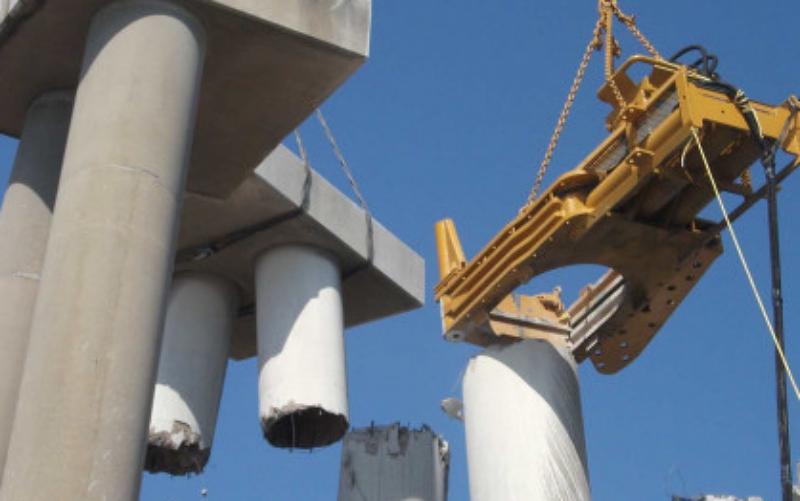
Safety is a primary concern in bridge and wharf rehabilitation, particularly when work is performed underwater or near active infrastructure. Precision pile cutting methods emphasize controlled force application and stable operation, which can reduce hazards for workers and divers.
Environmental considerations are also increasingly important. Cutting methods that limit vibration and sediment disturbance help contractors comply with environmental regulations and protect surrounding waterways. Precision cutting supports these goals by allowing targeted removal of material without unnecessary disruption.
Applications in Bridge Rehabilitation
In bridge rehabilitation, pile cutting is often required when replacing caps, widening decks, or strengthening foundations. Precise cuts ensure that new structural components align correctly with existing piles, maintaining load paths and structural continuity. Precision cutting techniques also help accommodate retrofits such as seismic upgrades or scour countermeasures.
Applications in Wharf and Pier Rehabilitation
Wharf and pier rehabilitation projects frequently involve replacing decking, upgrading fender systems, or reinforcing piles. Precision pile cutting allows contractors to modify pile heights to suit new design requirements while preserving the integrity of the overall structure. In busy ports, controlled cutting methods also help minimize operational disruptions.
Long Term Value of Precision Pile Cutting
Precision pile cutting contributes to the durability and performance of rehabilitated structures. By ensuring accurate pile preparation, contractors help owners achieve reliable load transfer, reduced maintenance needs, and extended service life. These benefits are particularly valuable for infrastructure owners facing budget constraints and increasing performance demands.
As rehabilitation continues to dominate bridge and waterfront construction programs, the role of controlled and accurate pile modification will only grow. The use of controlled pile cutting methods near the end of rehabilitation workflows helps ensure that projects are completed safely, efficiently, and in accordance with engineering intent.
