

Pile Extraction & Cutting: When to Cut vs. Pull in Waterfront Projects
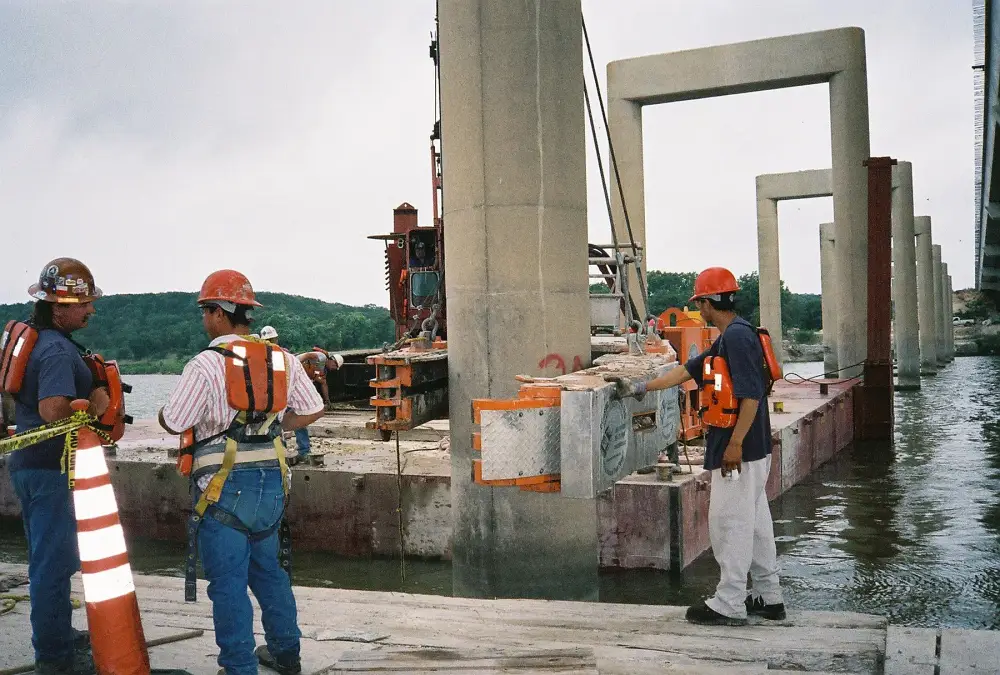
Waterfront construction and demolition projects often involve existing piles that must be removed or modified before new work can move forward. These piles may support docks, piers, bridges, or marine infrastructure that has been in place for decades. Selecting the right removal approach is critical because pile conditions, soil behavior, and environmental constraints can significantly affect project outcomes. Choosing between extraction and cutting requires a clear understanding of technical limitations, regulatory considerations, and long term site goals, especially in active or environmentally sensitive waterfront settings where specialized pile cutting services are frequently required.
Early planning is essential, as pile removal decisions influence project schedules, equipment needs, and permitting requirements. In many cases, contractors must evaluate pile type, embedment depth, and surrounding conditions before determining whether pulling piles intact or cutting them in place offers the safest and most efficient solution.
Understanding Pile Removal Methods in Marine Construction
Pile removal generally falls into two categories: extraction and cutting. Extraction involves pulling piles completely out of the ground using vibratory hammers, cranes, or hydraulic systems. Cutting involves severing piles at a specific elevation, often at or below the mudline, while leaving the embedded portion in place.
Both methods are widely used in marine construction, but each carries different implications for cost, risk, and environmental impact. Understanding these differences helps project teams align removal strategies with site conditions and regulatory expectations.
Common Pile Types Found Along Waterfronts
Waterfront structures rely on several pile types, including steel pipe piles, concrete piles, timber piles, and H piles. These piles are typically driven deep into soils composed of sand, clay, silt, or layered marine sediments. Over time, piles can become difficult to remove due to corrosion, soil consolidation, and increased friction along the pile shaft.
Older marine structures often feature piles installed with design assumptions that did not account for future removal. As a result, many piles resist extraction forces that exceed those used during installation, increasing the likelihood that cutting will be required.
When Pile Extraction Is the Right Choice
Site Clearance and Future Development
Pile extraction is often preferred when complete site clearance is required for future construction or redevelopment. Removing piles entirely eliminates below grade obstructions that could interfere with new foundations, utilities, or dredging activities. For projects that require a clean seabed or riverbed, extraction provides the most comprehensive solution.
Extraction can also reduce long term liabilities associated with abandoned piles. Leaving piles in place may restrict future design flexibility or complicate later construction phases, particularly in high value waterfront developments.
Material Recovery and Sustainability
Pulling piles intact allows for material reuse or recycling, particularly for steel piles that remain structurally sound. Recovered piles can sometimes be reused for temporary works or recycled as scrap steel, supporting sustainability goals and potentially offsetting removal costs.
However, reuse depends on successful extraction without excessive bending or damage. In many marine environments, corrosion and soil setup reduce the likelihood that piles can be recovered in usable condition.
When Cutting Piles is the Better Option
Soil Resistance and Embedment Challenges
Pile cutting is often the preferred solution when extraction proves impractical due to soil resistance or excessive embedment depth. Dense clays, compacted sands, and layered sediments can generate significant resistance, making pulling attempts costly and unpredictable.
Cutting piles at or below the mudline allows contractors to remove the superstructure without disturbing deeply embedded sections. This approach reduces risk and provides greater certainty when dealing with challenging subsurface conditions and older installations.
Working Near Existing Infrastructure
Many waterfront projects take place near active docks, bridges, or utilities where vibration and ground movement must be minimized. Extraction methods can transmit vibrations that pose risks to nearby structures or ongoing operations.
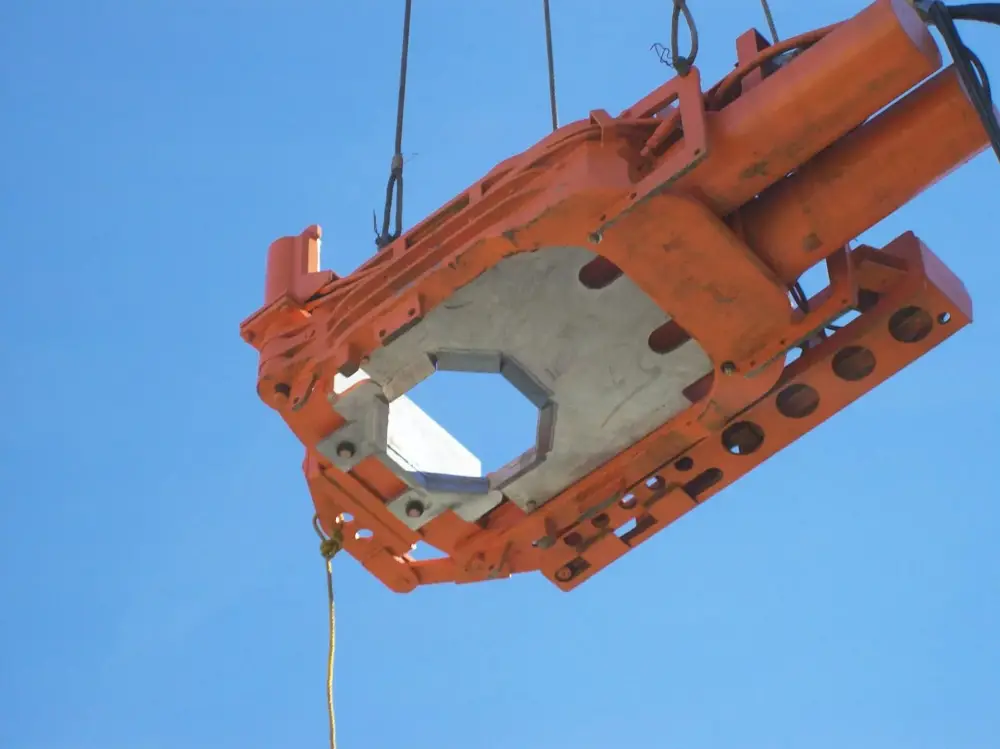
Cutting methods apply localized force and are commonly used in congested or sensitive environments. In these settings, controlled cutting supports safer demolition while maintaining stability of adjacent infrastructure and reducing disruption to port activities.
Cost and Schedule Implications
Equipment and Access Considerations
Pile extraction often requires large cranes, vibratory equipment, and marine support such as barges. Mobilizing this equipment can increase project costs, especially in shallow water or confined sites with limited access.
Cutting operations typically rely on more compact equipment and flexible setups. This can lower mobilization costs and allow work to proceed in tighter spaces where extraction equipment cannot be safely deployed.
Predictability and Risk Reduction
From a scheduling perspective, pile cutting often offers greater predictability than extraction. Pulling piles can fail after significant time and effort, forcing teams to change methods mid project. Cutting operations are generally faster once pile location and depth are confirmed.
Reducing uncertainty is particularly important in marine construction, where weather windows, tides, and permitting constraints already limit available working time.
Environmental and Regulatory Considerations
Environmental regulations play a significant role in determining pile removal methods. Extraction can disturb sediments and release contaminants that have accumulated around older piles. Cutting piles below the mudline minimizes sediment disturbance and is often favored in environmentally sensitive waterways.
Noise and vibration limits may also restrict extraction methods near populated waterfronts or protected habitats. Cutting techniques typically generate lower vibration levels, making them easier to permit in urban or regulated environments.
Selecting the Right Approach for Each Project
There is no universal solution for pile removal in waterfront construction. Each project requires careful evaluation of pile type, soil conditions, environmental requirements, and long term site objectives. In many cases, projects use a combination of extraction and cutting depending on location and constraints.
By understanding when to cut versus when to pull, project teams can improve safety, control costs, and meet regulatory expectations while ensuring successful outcomes through proven marine pile removal solutions.
When should piles be cut instead of extracted in marine construction?
Piles should be cut when embedment is deep, soil resistance is high, or vibration near existing structures must be minimized.
Can pile cutting be done safely below the mudline?
Yes, modern pile cutting systems can operate below the mudline with precise control while minimizing sediment disturbance and risk to nearby infrastructure.
