


Tips for Choosing New vs. Used Steel Pipe in Piling Projects
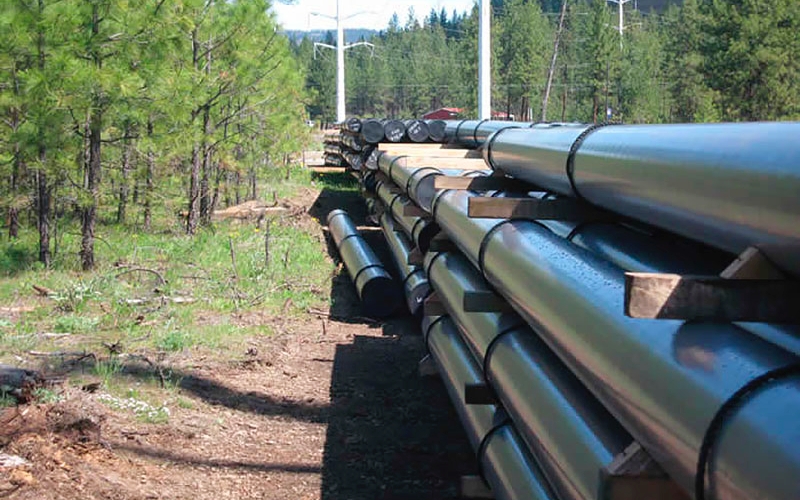
Choosing between new and used steel pipe is one of the most important early decisions in any piling project. The choice affects overall cost, structural reliability, installation efficiency and long term performance. Many contractors evaluate their options by considering specification requirements, availability, inspection needs and market conditions. In the early stages of planning, teams often consult suppliers that specialize in steel pipe supply to understand what grades and diameters are available for their project timeline.
Understanding New Versus Used Steel Pipe
What Constitutes New Steel Pipe
New steel pipe is material that comes directly from mills or distributors with full certification, material traceability and unbroken documentation. It has not been deployed in prior projects and has no exposure to external forces such as driving, lifting or environmental contaminants. In piling projects where structural loads, corrosion resistance or compliance requirements are strict, new pipe often provides the most predictable performance because its condition is uniform and fully verified.
What Constitutes Used or Surplus Steel Pipe
Used or surplus steel pipe refers to material previously installed or stock that may have been purchased for a project but never used. Some surplus pipe has never been driven and remains structurally sound, while other material may have minor surface wear or coating loss from previous storage or handling. Many piling contractors consider used pipe when the project allows flexibility on certification requirements or when budgets call for more economical options. The suitability of used pipe depends heavily on inspection, available documentation and the structural demands of the foundation system.
The Role Of Application in the Decision
The intended application is a major factor in whether new or used pipe is appropriate. High load foundations, marine structures, bridges and industrial facilities often require pipe with specific grades and dimensional tolerances that are easiest to guarantee through new material. Applications such as temporary shoring, utility supports or non critical foundations may allow the use of used or surplus pipe. Evaluating project design loads, soil profiles and environmental exposure helps narrow the best choice between the two categories.
Key Considerations When Choosing Pipe Material
Quality Assurance and Specification Compliance
New steel pipe benefits from consistent manufacturing processes where wall thickness, diameter and grade are verified before shipping. This consistency is valuable in situations involving strict compliance with API, ASTM or AWWA standards. Used or surplus pipe may also be suitable if it meets the project’s dimensional tolerances and passes inspection. Contractors often measure wall thickness, check for straightness variations and confirm that the pipe’s condition aligns with engineering requirements.
Cost and Lead Time Implications
Cost is one of the most common reasons contractors consider used or surplus pipe. Surplus pipe can be significantly less expensive than new material because it is already fabricated and stored. Lead times may also be shorter when choosing used pipe since manufacturing cycles do not apply. New pipe, however, provides specific grade selection, larger diameter options and predictable delivery schedules which are important in large scale projects with strict procurement plans.
Suitability For Piling Loads and Environments
Structural demands vary widely across piling applications. In deep foundations or marine environments, pipe piles must withstand high axial loads, lateral forces and potential corrosion exposure. New pipe is often preferred in these scenarios because of its proven uniformity and material traceability. Used pipe can still perform well but requires careful verification of its previous service conditions and remaining wall thickness to ensure it can handle installation stress and long term loading.
Risk of Unknown History and Maintenance Considerations
One challenge in using surplus pipe is uncertainty about prior handling. Even if pipe appears visually sound, it may have been subjected to bending, impact or corrosive exposure in previous environments. Proper inspection can address these risks, but contractors must consider whether the time and resources spent evaluating used material offset the savings. In contrast, new pipe minimizes concerns about unknown history, although long term maintenance still depends on coating selection, installation quality and exposure conditions.
Sustainability and Material Reuse Benefits
Using surplus steel pipe supports sustainability goals by reducing waste and extending the life cycle of existing material. When specifications allow it, choosing used pipe lowers the embodied carbon associated with manufacturing and reduces disposal of functional steel. Many infrastructure and marine construction firms incorporate surplus pipe as part of a broader strategy to balance performance with environmental responsibility. This approach works best when the project’s load requirements align with the pipe’s condition and available documentation.
Practical Tips For Making The Right Choice
Assess the Structural Specification Requirements
A clear understanding of design loads, soil conditions and structural expectations helps determine whether the project demands new pipe. Engineering plans often specify grade, wall thickness and diameter tolerances, and meeting these standards may require new material. If those requirements allow flexibility, used pipe may still be acceptable as long as it matches the minimum engineering criteria.
Inspect Used Pipe Carefully Before Acceptance
Any contractor considering used or surplus pipe should perform thorough inspections. Visual checks can identify dents, kinks, corrosion or coating failure, while more detailed measurement verifies wall thickness, ovality and straightness. These steps help ensure the pipe can withstand hammer energy during pile driving and maintain long term structural performance.
Compare Lifecycle Costs Rather Than Only Up Front Price
Used pipe may provide immediate savings, but lifecycle considerations should be evaluated. These include potential rework, cleaning, coating repair and additional inspection. New pipe may cost more at the outset but reduce uncertainty, offer predictable longevity and minimize the likelihood of installation issues. This holistic comparison often leads to better decision making.
Evaluate Supply Chain and Fabrication Lead Times
Project schedules frequently influence the choice between new and used pipe. When jobs require rapid mobilization, surplus inventory provides quick access to required sizes. For highly specialized diameters, grades or wall thicknesses, however, new pipe fabrication may still be the only option. Coordinating with suppliers early helps reduce procurement delays.
Consider Coating Requirements and Corrosion Protection
Whether the pipe is new or used, coating selection is essential in environments involving seawater, tidal zones or aggressive soils. When evaluating used pipe, contractors must ensure any existing coating is intact or determine whether refurbishment is needed. New pipe may come with mill applied coatings that meet project specific standards, simplifying the installation process.
When to Choose New Steel Pipe and When Used Works
Situations Favoring New Pipe
New pipe is the preferred option when certification, traceability and uniformity are required. Critical structures, regulated industries and high load foundations often depend on guaranteed material performance that only new pipe can provide. Consistent diameter, wall thickness and grade selection help engineers meet strict design criteria.
Situations Where Used or Surplus Pipe is Suitable
Used or surplus pipe works well in projects where cost, availability and environmental benefit are key factors. When load demands are moderate and dimensional requirements are flexible, inspected surplus pipe can perform reliably. Many contractors rely on this option for temporary works, secondary foundations or projects with compressed budgets.
Choosing between new and used steel pipe requires evaluating performance expectations, budget constraints, schedule pressures and material condition. Each option has legitimate advantages depending on project needs. With proper inspection and planning, both new and used pipe can serve as dependable solutions in foundation and marine construction. Contractors who want dependable high quality steel pipe for their piling work should assess every factor, compare lifecycle costs and align material choices with long term structural goals.
New steel pipe is preferred when projects require strict certification, traceability, uniform material properties, and reliable performance under high structural loads or harsh environments.
Yes, used steel pipe can be suitable when load demands are moderate and the pipe has been properly inspected for wall thickness, straightness, and surface condition. When should new steel pipe be used instead of used or surplus pipe in piling projects?
Is used or surplus steel pipe safe for pile foundations?
