

How Aluminum Sheet Piling Supports Low-Maintenance Seawalls
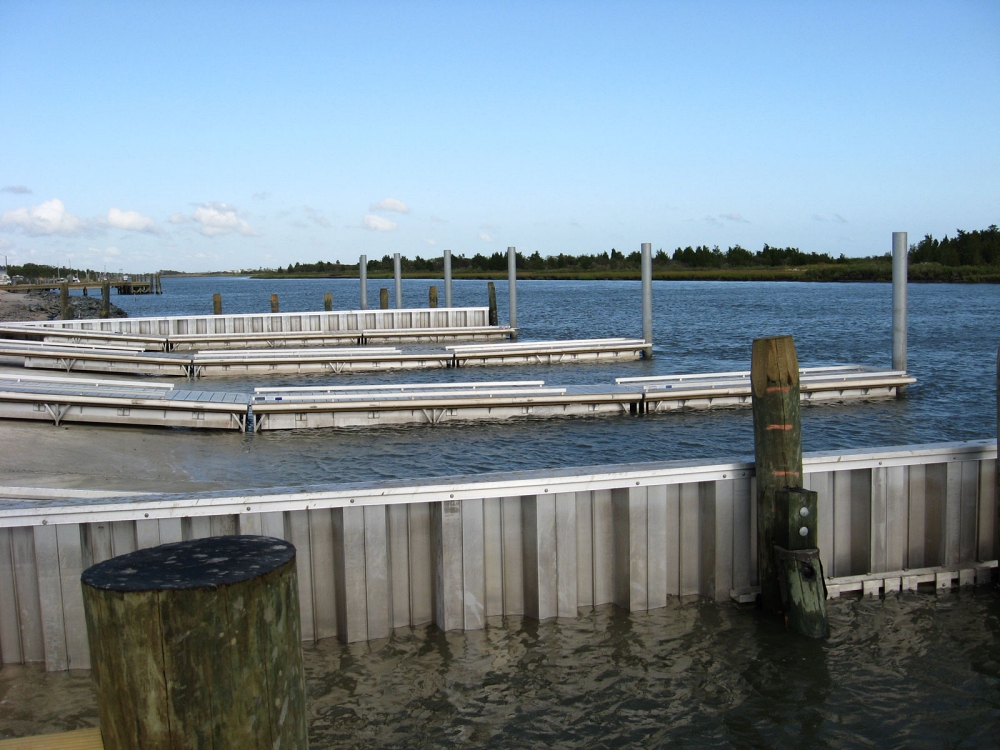
Coastal seawalls are built to withstand constant exposure to saltwater, tidal fluctuations, ultraviolet radiation, and soil pressure. While many systems perform adequately at installation, long-term maintenance often determines whether a seawall remains cost-effective over 20 to 30 years. For property owners and engineers seeking reduced upkeep, aluminum sheet piling has emerged as a durable solution that addresses corrosion, weight, and structural demands in harsh marine environments.
What Drives Long-Term Maintenance Costs
Saltwater Corrosion and Material Degradation
Saltwater contains chlorides that accelerate corrosion in unprotected carbon steel. The splash zone, where seawater repeatedly wets and dries structural surfaces, is particularly aggressive because oxygen availability increases corrosion rates. Over time, section loss in steel components can require recoating, patching, or reinforcement.
Aluminum sheet piling offers a different performance profile in marine environments. Aluminum naturally forms a protective oxide layer when exposed to air, which helps resist further corrosion. In saltwater applications, this inherent corrosion resistance can reduce reliance on coatings and limit the frequency of maintenance interventions compared to unprotected steel systems. Engineers evaluating aluminum sheet piling for seawalls and bulkheads often cite corrosion resistance as a primary factor in lifecycle cost reduction.
Biological Decay and Marine Exposure
Timber bulkheads have historically been used in residential and light commercial waterfronts. However, long-term exposure to moisture, ultraviolet radiation, and marine organisms can lead to rot and structural deterioration. Even treated wood systems require periodic inspection and potential board replacement over time.
Aluminum sheet piling does not rot and is not susceptible to marine borers. This eliminates a common maintenance issue associated with timber structures and reduces the need for recurring component replacement in submerged or splash zone conditions.
Coating and Protection Requirements
Steel seawalls frequently rely on protective coatings or cathodic protection systems to manage corrosion. These systems must be inspected and maintained, particularly in high-salinity environments. Recoating campaigns can represent a significant lifecycle expense.
Because aluminum derives much of its corrosion resistance from its base material properties rather than surface coatings alone, long-term maintenance programs can be simplified. While inspections remain important for any marine structure, the reduced dependence on coating systems can translate into lower routine maintenance requirements.
Material Performance Over 20 To 30 Years
Structural Strength and Stiffness
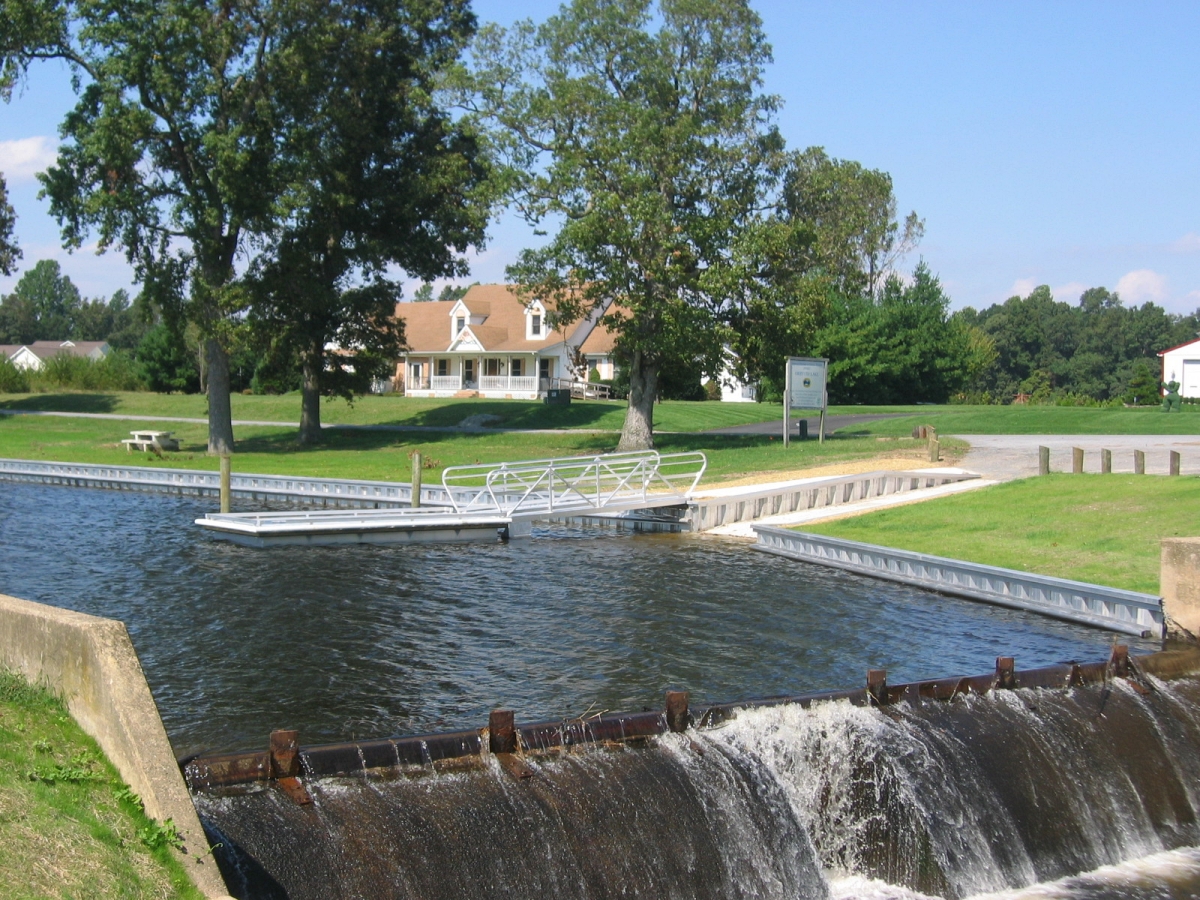
Seawalls must resist both hydrostatic forces and lateral earth pressures from retained soils. Aluminum sheet piling systems designed for marine use provide structural stiffness comparable to traditional metal sheet piles while offering a favorable strength-to-weight ratio. This balance allows the wall to perform structurally without imposing excessive dead load on tiebacks or anchors.
Over a 20 to 30 year period, structural integrity is closely tied to corrosion resistance. If section thickness is preserved, the wall retains its design capacity. By resisting corrosion in saltwater and brackish conditions, aluminum sheet piling helps maintain its structural properties over time, reducing the likelihood of major rehabilitation.
Reduced Weight and Installation Implications
Aluminum sheet piling is significantly lighter than conventional carbon steel sheet piling. The reduced weight can simplify handling and transportation, particularly in residential or limited-access sites. While installation practices still require proper engineering and equipment, lighter components can reduce strain on lifting equipment and improve logistical efficiency.
Although installation cost is not the sole driver of maintenance, proper installation influences long-term performance. Accurate alignment, full interlock engagement, and correct embedment depth all contribute to minimizing future repairs. Lightweight systems that are easier to handle may help support consistent installation quality in constrained environments.
Resistance to Marine and Military-Grade Exposure
Marine-grade aluminum alloys are specifically engineered to perform in corrosive environments. In coastal applications, resistance to saltwater exposure is critical to long-term durability. When properly designed and installed, aluminum sheet piling can provide extended service life with minimal material degradation.
For waterfront infrastructure, including seawalls, bulkheads, and water control structures, durability in aggressive conditions directly affects inspection frequency and repair planning. Over multiple decades, materials that inherently resist corrosion can offer measurable lifecycle advantages.
Inspection and Repair Cycles
Routine Inspections
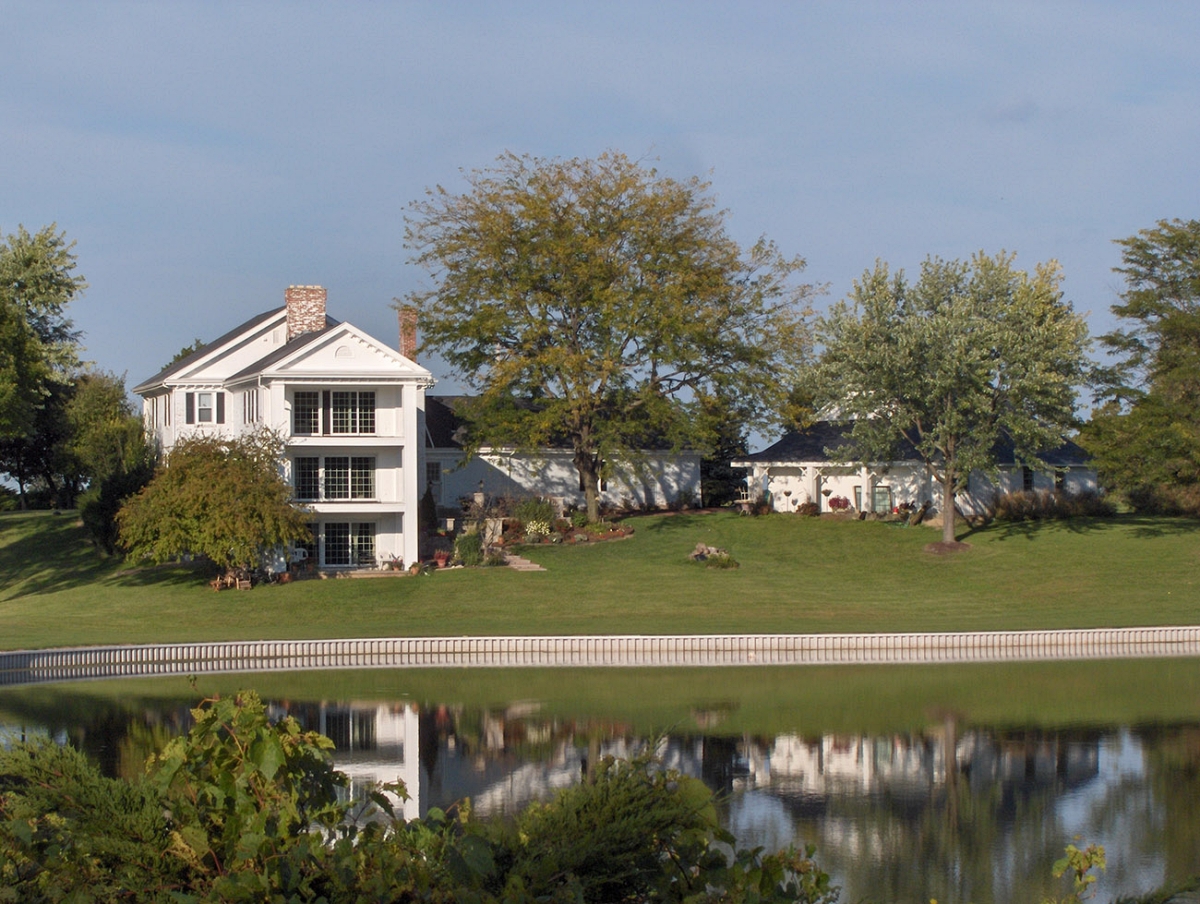
All seawalls require periodic visual inspections to identify movement, settlement, or damage. Property owners commonly inspect annually, while municipalities may follow more formal inspection schedules. Observations typically focus on wall alignment, cap integrity, joint condition, and evidence of soil loss behind the structure.
With aluminum sheet piling, inspection efforts are generally directed toward structural connections and tieback systems rather than surface corrosion remediation. The reduced likelihood of widespread rusting or rot can simplify inspection findings and limit corrective actions.
Long-Term Asset Management
As seawalls age, asset management strategies become more important. Structures approaching 20 years of service may require closer evaluation to confirm structural capacity and anchor performance. In systems where corrosion drives deterioration, thickness loss measurement becomes a routine concern.
Because aluminum sheet piling maintains a protective oxide layer and resists aggressive corrosion, section loss is typically less pronounced than in unprotected steel in similar environments. This characteristic supports longer intervals between major rehabilitation projects and may reduce total ownership cost over the structure’s lifespan.
Why Aluminum Sheet Piling Requires Less Upkeep
Interlocking aluminum sheet piling forms a continuous structural barrier capable of resisting water and soil pressures. Its resistance to corrosion, immunity to biological decay, and reduced reliance on applied coatings contribute directly to lower maintenance demands. Over time, this can mean fewer repairs, less frequent material replacement, and simplified inspection routines.
For coastal property owners evaluating marine-grade aluminum sheet piling systems, the decision often centers on lifecycle value rather than initial price alone. By prioritizing materials that perform reliably in saltwater environments, seawall designers and owners can reduce long-term upkeep while maintaining structural integrity and shoreline protection.
As waterfront development continues and climate-related stressors intensify, durable low-maintenance materials are increasingly important. Aluminum sheet piling provides a solution that aligns structural performance with long-term resilience, supporting seawalls that protect property with reduced ongoing intervention.
