

Large-Diameter Steel Pipe Piles: What Contractors Should Know Before Installation
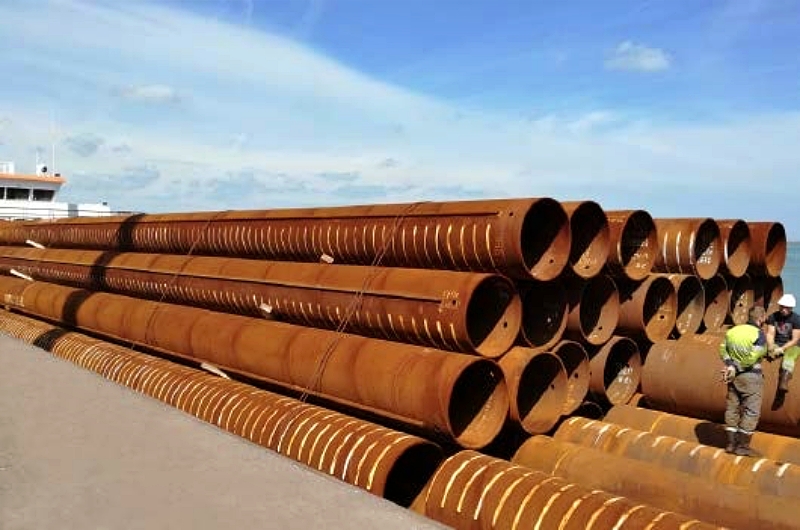
Large-diameter steel pipe piles are widely used in heavy civil and marine construction where deep foundations and high load capacity are required. For contractors, the success of these projects often depends on decisions made well before any pile is driven or drilled. Understanding how these piles are selected, delivered, handled, and staged on site helps reduce delays and prevents avoidable issues during installation. Early coordination around large-diameter steel pipe pile selection and handling supports smoother construction sequencing and better alignment between suppliers and field crews.
Why Large-Diameter Pipe Piles Are Selected Early
Load Capacity and Structural Performance
Large-diameter steel pipe piles are selected because their size and geometry allow them to carry significant axial and lateral loads. Their hollow circular form provides efficient strength distribution and makes them suitable for deep foundations in a range of soil conditions. Contractors often consider these piles early in project planning because diameter and wall thickness influence load resistance, stiffness, and compatibility with installation equipment.
Use in Marine and Heavy Civil Projects
Infrastructure projects such as bridges, ports, and waterfront structures frequently rely on large-diameter pipe piles to reach stable bearing layers below soft or variable soils. These piles are commonly used in overwater and coastal construction where foundations must extend below anticipated scour depths. Their widespread use in marine environments reflects established engineering practice for long-term structural support.
Diameter Wall Thickness and Length Considerations
Balancing Structural Needs and Practical Limits
Contractors must balance structural requirements with handling and transport limitations when selecting pipe pile dimensions. Increasing diameter and wall thickness improves strength but also increases weight, which affects crane capacity and site logistics. Reviewing these factors early allows project teams to align material specifications with jobsite capabilities.
Planning for Longer Pipe Lengths
Longer pipe pile sections can reduce the number of field joints, which may simplify installation sequencing. However, longer lengths also require careful planning for transport and site storage. Contractors should confirm that selected lengths can be safely delivered and staged without causing congestion or access issues on site.
Transport Handling and Site Staging
Delivery Coordination and Laydown Planning
Large-diameter steel pipe piles require dedicated laydown areas with adequate space and ground support. Delivery schedules should be coordinated to match site readiness and crane availability. Proper staging minimizes unnecessary handling and helps maintain pile condition prior to installation.
Preventing Damage During Handling
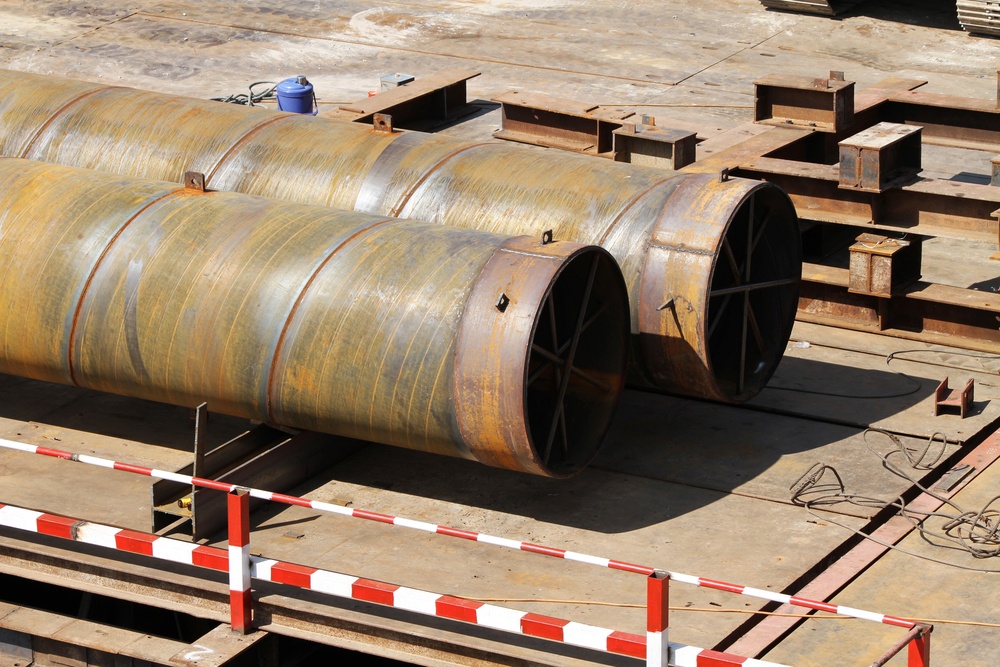
Handling large pipe piles involves managing lifting points and rigging methods to avoid deformation or surface damage. Clear handling procedures established before delivery reduce the risk of delays caused by repairs or rejected materials. Contractors often work with suppliers to confirm appropriate handling features and lifting guidance.
Pipe End Condition and Readiness
Common End Preparations
Pipe piles are typically delivered with end conditions suitable for field joining or installation. Contractors should review end preparation requirements early to ensure compatibility with project specifications and planned installation methods.
Pre-Installation Inspection
Before installation begins, visual inspection of pipe piles helps confirm dimensional accuracy and overall condition. Identifying issues during staging rather than during installation reduces disruption and supports quality control expectations.
Coordination Between Supplier and Contractor
Communication on Specifications and Tolerances
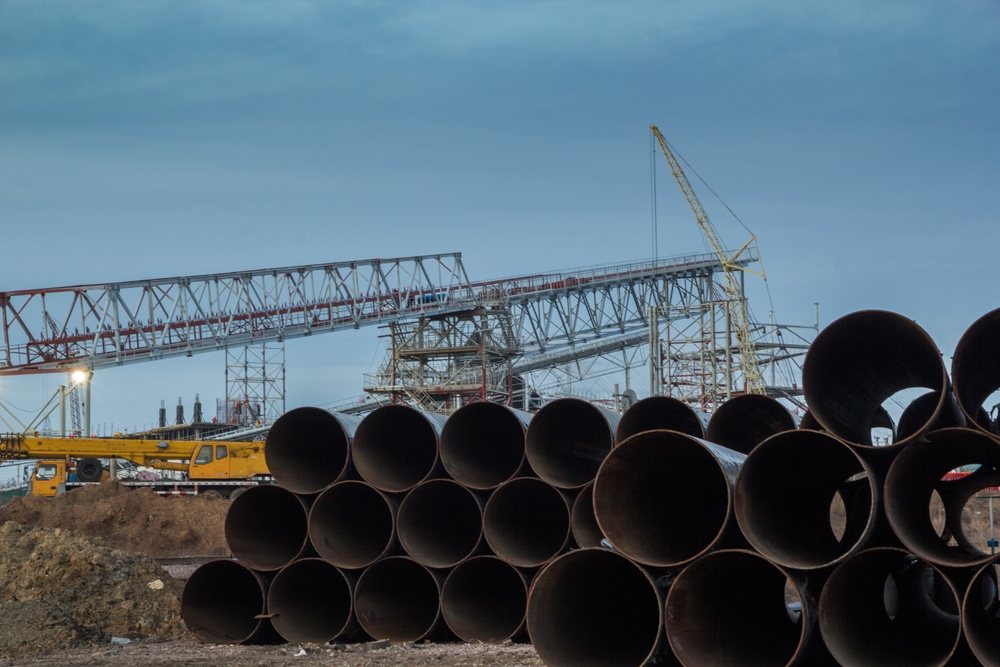
Clear communication between contractors and material suppliers is essential for aligning expectations on pile dimensions, fabrication tolerances, and delivery sequencing. Early coordination supports accurate procurement and reduces the risk of mismatched materials arriving on site.
Documentation and Traceability
Project documentation such as material certifications and inspection records should be reviewed as part of the acceptance process. Maintaining traceability helps contractors demonstrate compliance with project requirements and supports efficient quality management throughout construction.
Understanding large-diameter steel pipe pile transport and staging considerations is a critical part of pre-installation planning. Contractors who address selection, handling, logistics, and coordination early are better positioned to avoid delays and installation challenges. Careful preparation before installation begins creates a strong foundation for successful deep foundation construction and long-term structural performance.
Their size and geometry determine load capacity, stiffness, and compatibility with installation equipment, impacting foundation performance.
Adequate laydown space, proper lifting methods, and coordinated delivery schedules prevent damage and installation delays. Why are large-diameter steel pipe piles selected early in construction planning?
What considerations are important for handling and staging large-diameter pipe piles on site?
