

Reducing Material Use Through High-Efficiency Sheet Pile Design
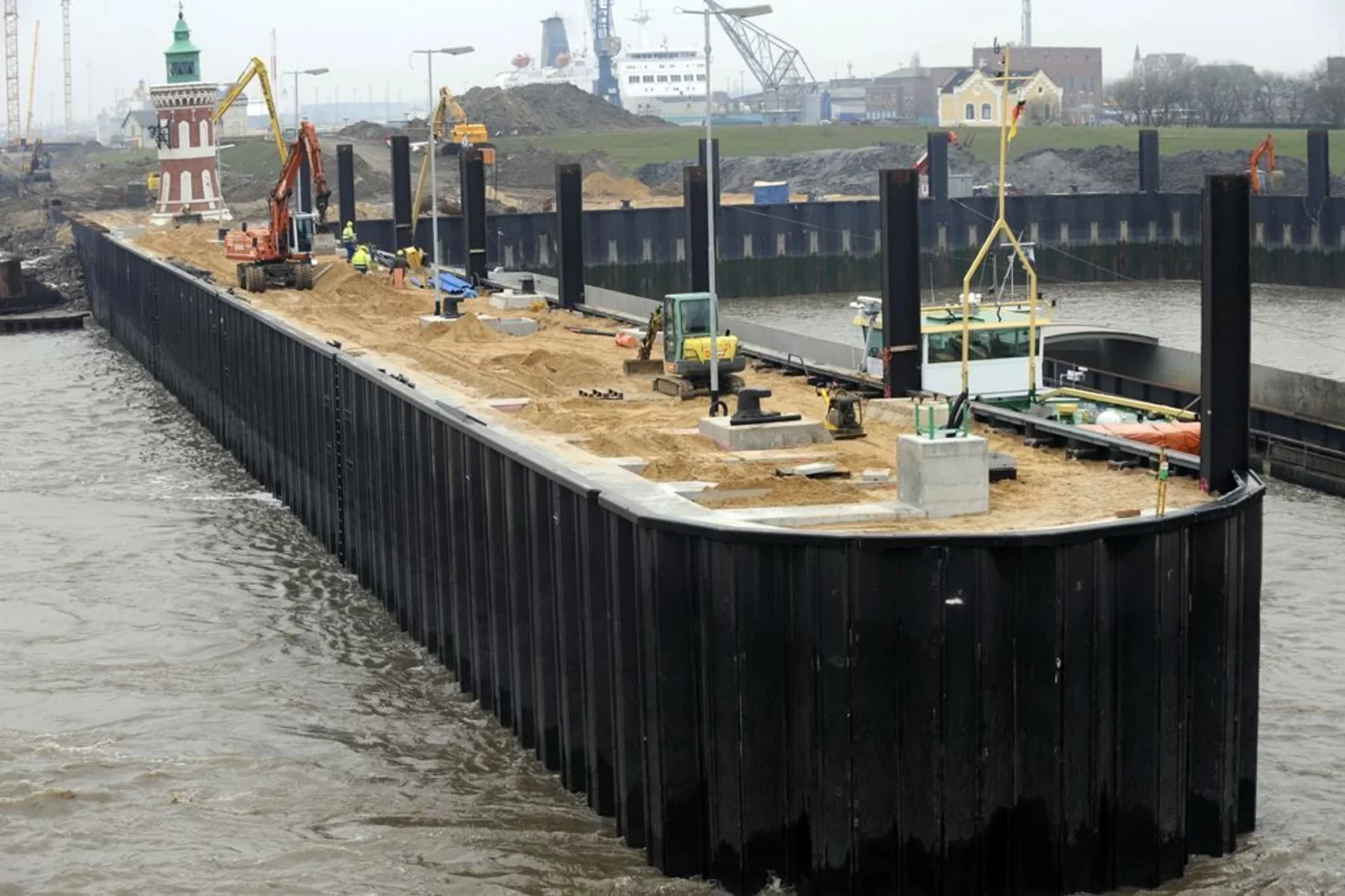
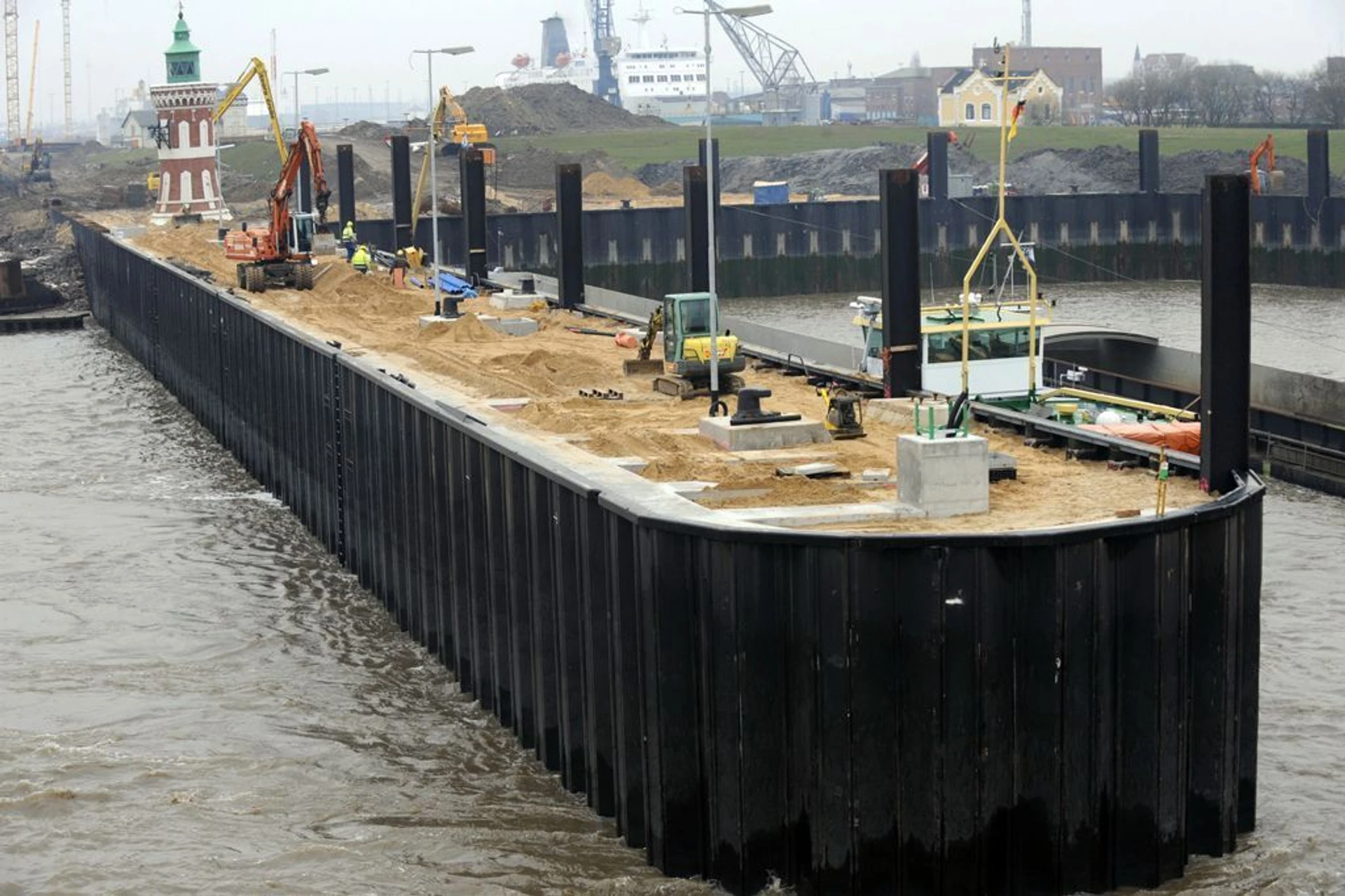
Rising material costs and tighter project margins have made efficiency a priority in marine and heavy civil construction. Sheet pile walls are widely used for earth retention, flood protection, and temporary works, but their performance is not defined by steel quantity alone. Advances in sheet pile design now allow engineers to achieve required strength and stiffness while reducing overall material use, improving constructability, and lowering project costs.
Why Material Efficiency Matters in Sheet Pile Walls
Rising Steel Costs and Project Economics
Steel remains one of the largest cost drivers in sheet pile construction. Market volatility, transportation expenses, and supply chain constraints have increased pressure on designers and contractors to reduce tonnage wherever possible. Material-efficient sheet pile systems help control costs without compromising structural reliability, making them attractive for both permanent and temporary applications.
Structural Performance Versus Material Quantity
Using heavier sections does not always result in better wall performance. Sheet pile walls are governed by bending resistance, deflection limits, and soil interaction rather than raw material weight. Optimized designs focus on how steel is distributed within the cross section rather than how much steel is used overall. This approach allows projects to meet design loads with less material.
Understanding Efficiency in Sheet Pile Design
What Strength-to-Weight Ratio Means in Practice
The strength-to-weight ratio is a key measure of sheet pile efficiency. It compares bending capacity to the weight of steel required to achieve it. Profiles with higher ratios provide more resistance per unit of material, allowing engineers to specify lighter systems while maintaining safety factors. This principle is central to modern steel sheet pile wall design, where efficiency directly affects cost and performance.
Role of Section Modulus in Bending Resistance
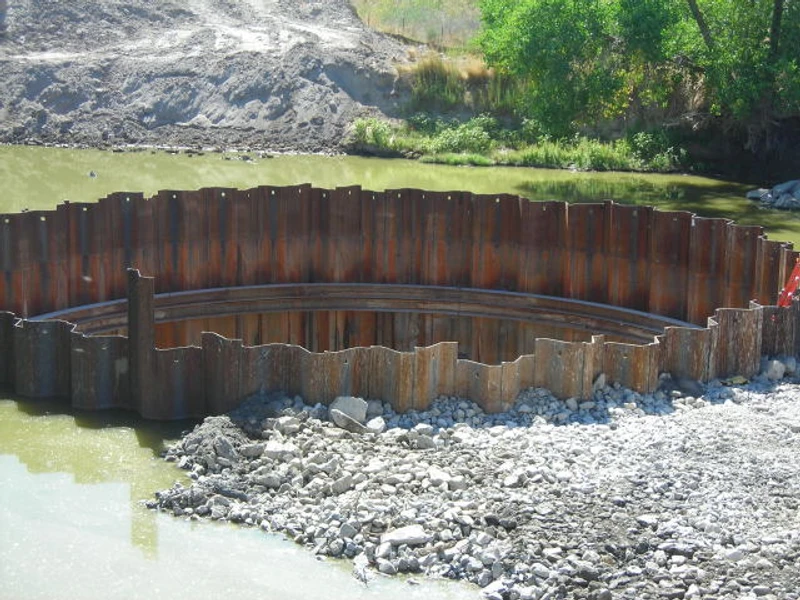
Section modulus describes how effectively a sheet pile resists bending under lateral earth pressures. A higher section modulus improves stiffness and reduces deflection. Efficient sheet pile designs maximize section modulus through geometry rather than thickness, placing steel farther from the neutral axis to increase bending resistance without increasing weight.
How Sheet Pile Geometry Impacts Material Use
Panel Width and Wall Coverage
Wider sheet pile panels reduce the number of piles required per linear foot of wall. Fewer piles mean fewer interlocks, reduced installation time, and lower overall steel tonnage. This is particularly beneficial in long retaining walls, floodwalls, and bulkheads where cumulative material savings can be significant.
Interlock Position and Load Transfer
Interlock placement plays an important role in both structural and hydraulic performance. Interlocks positioned farther from the neutral axis improve shear transfer between adjacent piles and contribute to overall wall stiffness. Proper interlock geometry helps distribute loads efficiently across the wall system, reducing the need for heavier sections.
Reducing Steel Tonnage Without Sacrificing Performance
Optimized Profiles Versus Traditional Sections
Traditional sheet pile sections were often designed around manufacturing constraints rather than material efficiency. Newer optimized profiles focus on structural performance per unit weight, allowing walls to meet design requirements with less steel. These profiles maintain bending resistance while minimizing unnecessary material in low-stress areas.
Efficiency Ratios and Material Savings
Efficiency ratios compare section modulus to weight and are commonly used to evaluate sheet pile performance. Higher ratios indicate that a greater portion of the steel contributes directly to structural resistance. Selecting sections with favorable efficiency ratios can significantly reduce steel tonnage while maintaining required embedment depths and safety margins.
Installation Benefits of High-Efficiency Sheet Pile Systems
Faster Installation with Fewer Piles
Reducing the number of piles required for a wall directly impacts installation productivity. Fewer piles mean fewer driving operations, reduced alignment adjustments, and shorter installation durations. This can lower equipment costs and reduce disruption on constrained job sites.
Transportation and Handling Advantages
Lower steel tonnage reduces transportation loads and simplifies material handling on site. Lighter piles can improve logistics efficiency, especially for marine projects where barge capacity and crane reach are critical considerations. These benefits extend beyond cost savings to improved job site safety and workflow.
Sustainability Through Smarter Material Use
Lower Carbon Impact Through Reduced Steel
Reducing steel usage also lowers the embodied carbon of sheet pile walls. While sustainability claims must be supported by project-specific analysis, material-efficient designs inherently reduce emissions associated with steel production and transportation. This makes efficient sheet piling an effective strategy for projects with environmental performance goals.
Long-Term Durability and Lifecycle Efficiency
Material efficiency does not compromise durability when designs meet established standards for corrosion protection and structural performance. Efficient sheet pile systems are engineered to deliver long service lives while minimizing unnecessary material, supporting both economic and environmental objectives.
When High-Efficiency Sheet Piles Are the Right Choice
Retaining Walls and Flood Protection
High-efficiency sheet pile designs are well suited for retaining walls, flood protection structures, and waterfront infrastructure where long wall lengths amplify material savings. Optimized profiles help control deflection and bending stresses while reducing overall project costs.
Cofferdams and Temporary Works
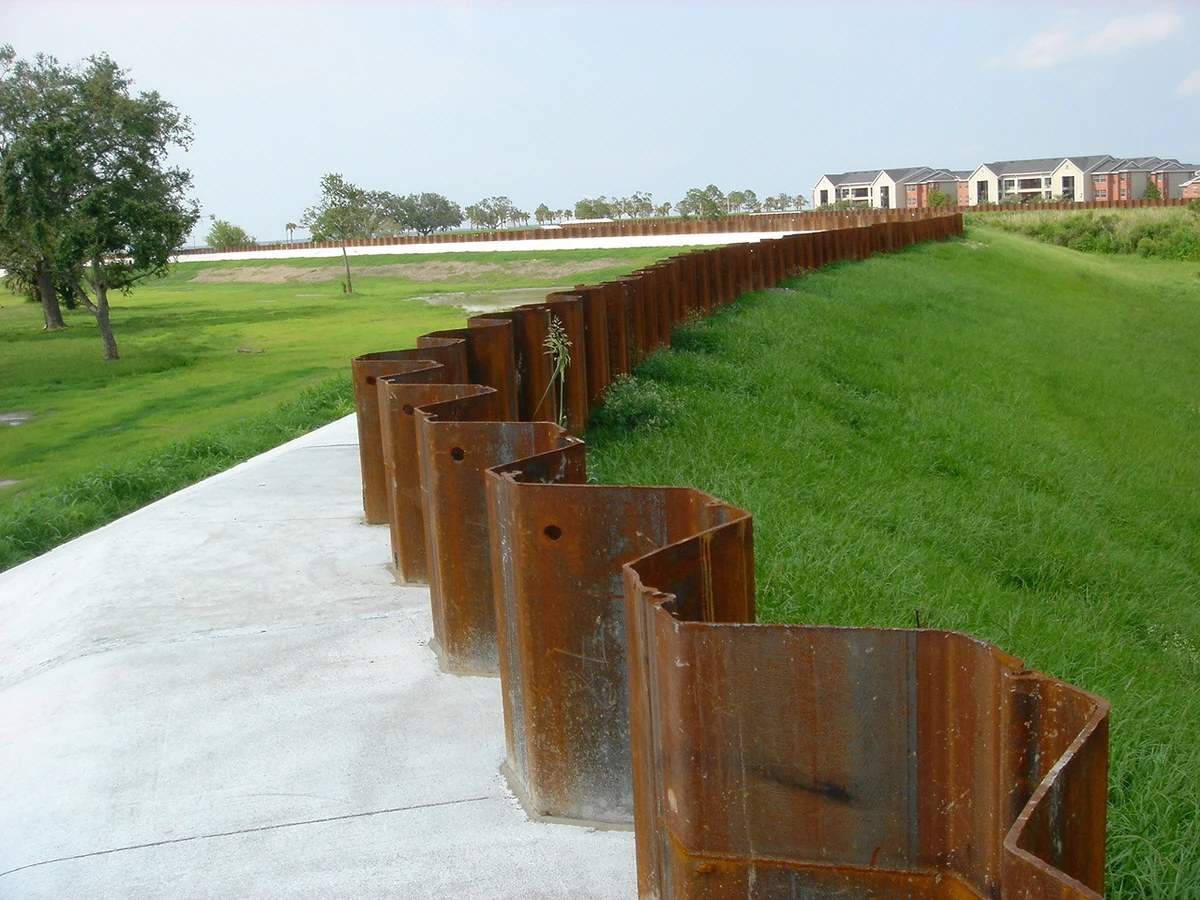
Temporary works benefit significantly from material-efficient solutions. Cofferdams and excavation support systems often require rapid installation and removal, making reduced steel weight and faster driving particularly valuable. Modern high-efficiency sheet pile systems help contractors meet tight schedules while maintaining structural reliability.
Reducing material use through high-efficiency sheet pile design is a practical and proven approach to modern construction challenges. By focusing on geometry, section modulus, and strength-to-weight optimization, engineers can deliver reliable sheet pile walls with less steel, lower costs, and improved constructability. As material prices and sustainability expectations continue to rise, efficient sheet pile design will remain a key strategy for successful marine and heavy civil projects.
What are high-efficiency sheet piles?
They are sheet piles with optimized geometry that provide required bending resistance using less steel.
How do high-efficiency sheet piles reduce project costs?
They lower steel tonnage, reduce installation time, and improve handling and transportation efficiency.
