

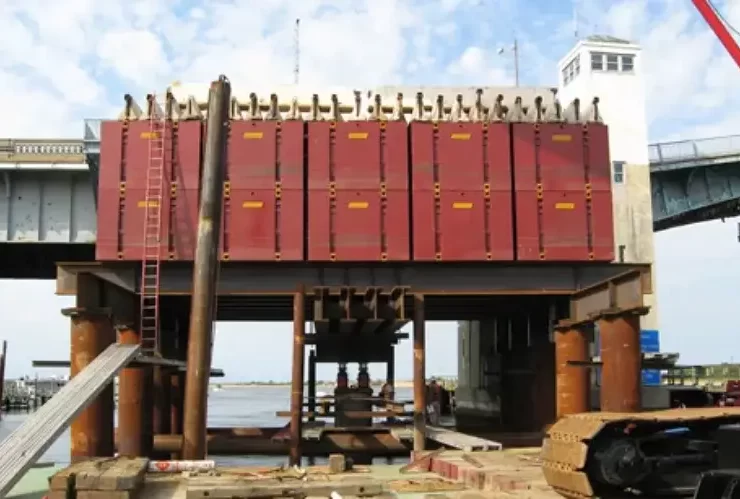
Reaction systems provide the resisting force required to apply load during static pile load testing. Any movement or instability in the reaction system can directly affect test accuracy. Photo Credit: WB Equipment
Why Reaction Systems are the Most Critical Variable in Static Pile Load Testing

Static pile load testing is widely regarded as the most reliable method for verifying foundation…
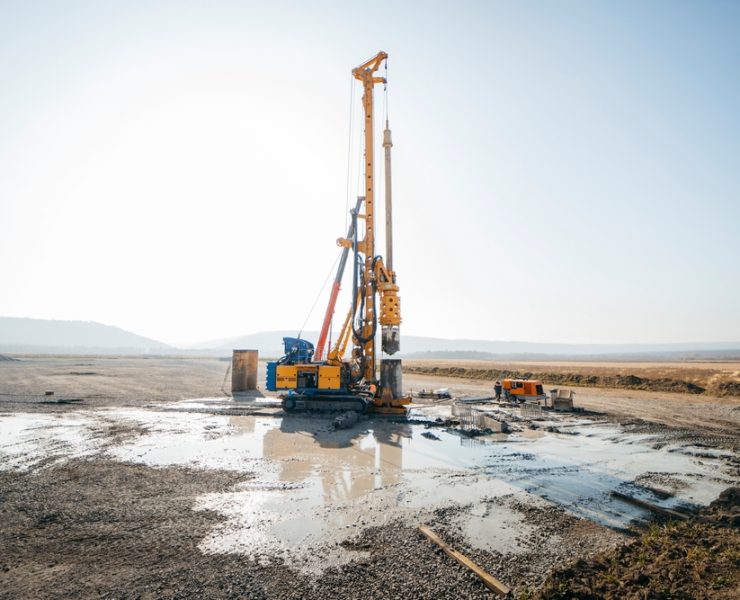
Mixed ground conditions, such as soil to rock transitions, are one of the most common causes of drilling delays. Planning bit changes based on geotechnical data helps maintain steady drilling progress. Photo Credit: Rock Drill Sales & Service, inc.
Selecting the Right Drill Bits for Efficient Foundation Drilling in Varied Geologies

Foundation drilling rarely follows a single predictable pattern. Soil layers change, rock strengths vary, and…
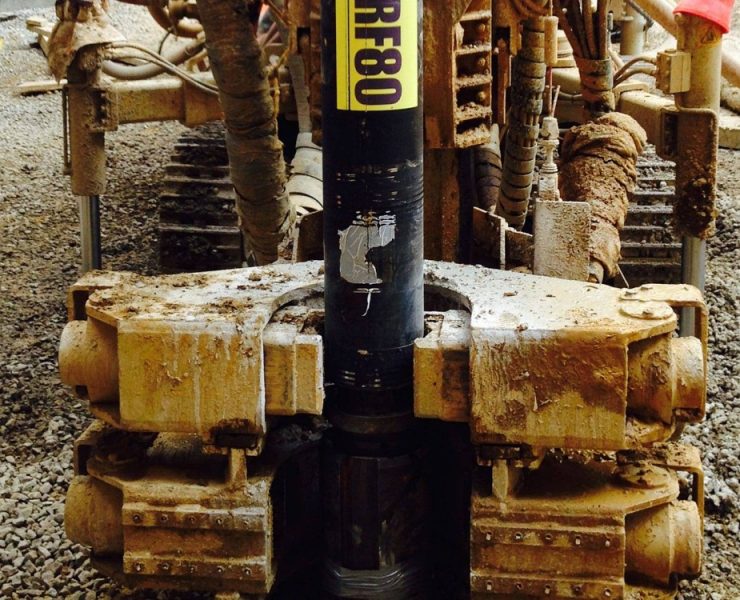
Soil-to-rock transitions often involve weathered or fractured rock rather than intact bedrock, creating uneven resistance across the borehole. This variability is a primary cause of early deviation during deep foundation drilling. Photo Credit: Center Rock, Inc.
Why Mixed Soil-to-Rock Transitions Are the Most Difficult Phase of Overburden Drilling

Overburden drilling becomes most unpredictable at the point where soil abruptly gives way to rock.…
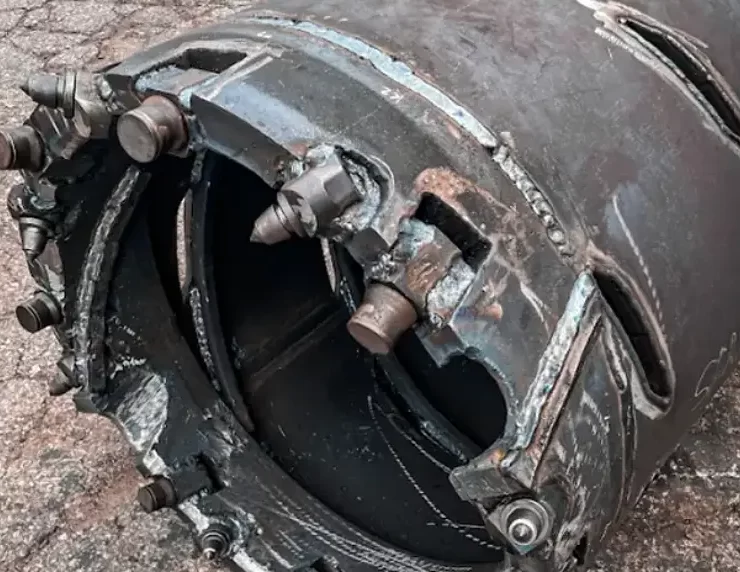
High-strength rock formations can significantly slow drilling progress and increase equipment wear during deep foundation construction. These conditions often require specialized drilling approaches to maintain borehole stability and alignment. Photo Credit: Champion Equipment Co
Challenges of Drilling High-Strength Rock in Deep Foundation Projects

Deep foundation construction often depends on predictable subsurface conditions, yet some of the most disruptive…
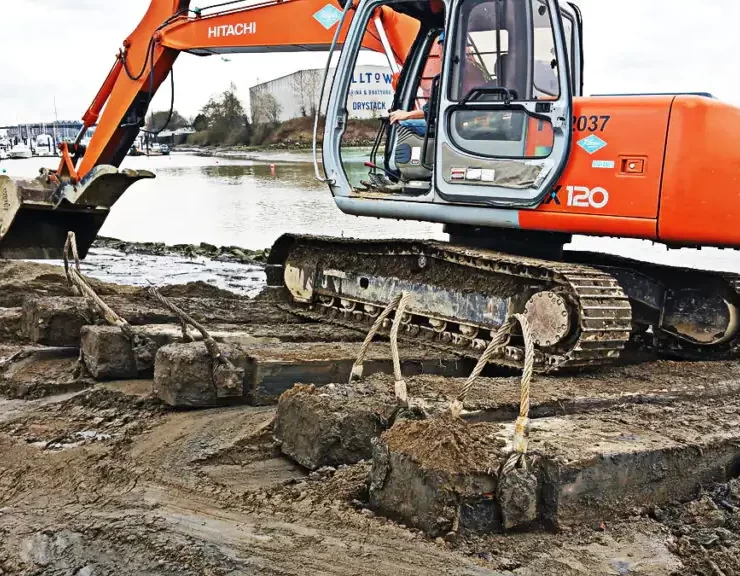
Properly specified construction timber helps distribute heavy equipment loads, reducing ground pressure and improving stability on temporary access routes. This function is especially critical on soft soils and marine construction sites. Photo Credit: CarlWood Lumber Limited
Why Temporary Access Solutions Depend on Properly Specified Construction Timber

Temporary access systems are a foundational part of modern construction projects, especially in piling, marine,…
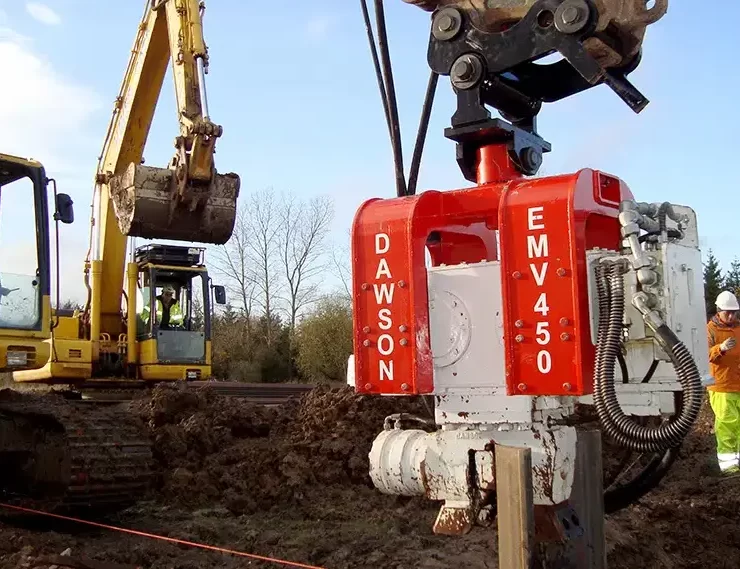
Renting pile installation equipment is often more cost-effective for short-duration or highly variable projects where future workload is uncertain. It allows contractors to avoid upfront capital costs, long-term storage, and depreciation risk. Photo Credit: Pajot
When Renting or Buying Pile Installation Equipment Makes Sense for Different Project Types

Pile installation projects vary widely in duration, access, pile type, and site constraints. Because of…
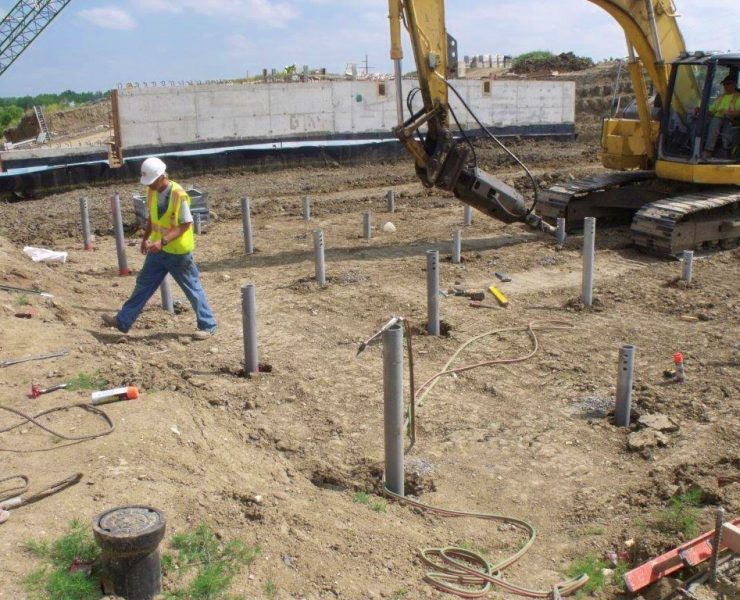
Installation torque is commonly used as a field indicator of axial load capacity for helical deep foundations. Measured torque values help confirm that foundations meet design requirements before construction progresses. Photo Credit: Pier Tech Systems LLC
How Torque Monitoring Improves Load Verification in Helical Deep Foundations

Helical deep foundations are widely used across marine, industrial, and commercial construction because they offer…
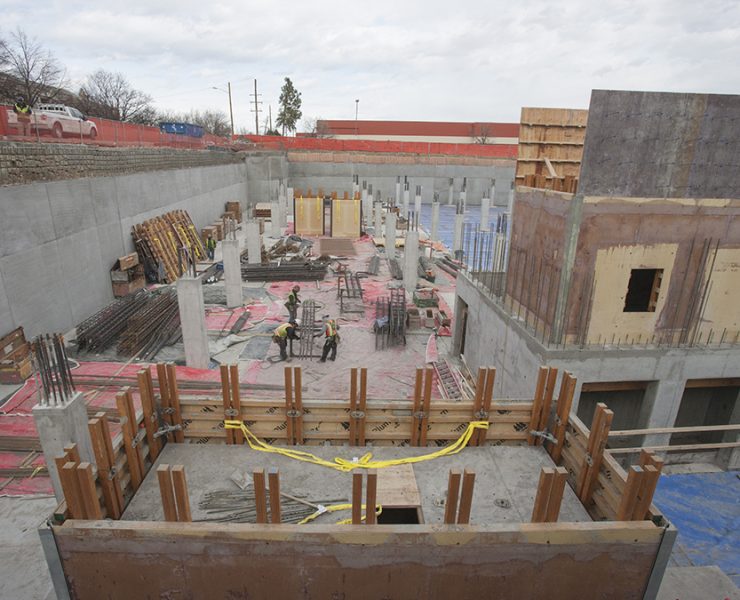
Concrete forming systems directly influence surface finish quality and structural tolerances in foundation construction. Proper installation and bracing help ensure consistent load transfer once the concrete reaches design strength. Photo Credit: UFP Industries, Inc.
The Role of Wood-Based Concrete Forming Systems in Foundation Construction

Foundation construction depends on precision, structural integrity, and sequencing. Before concrete reaches its design strength,…
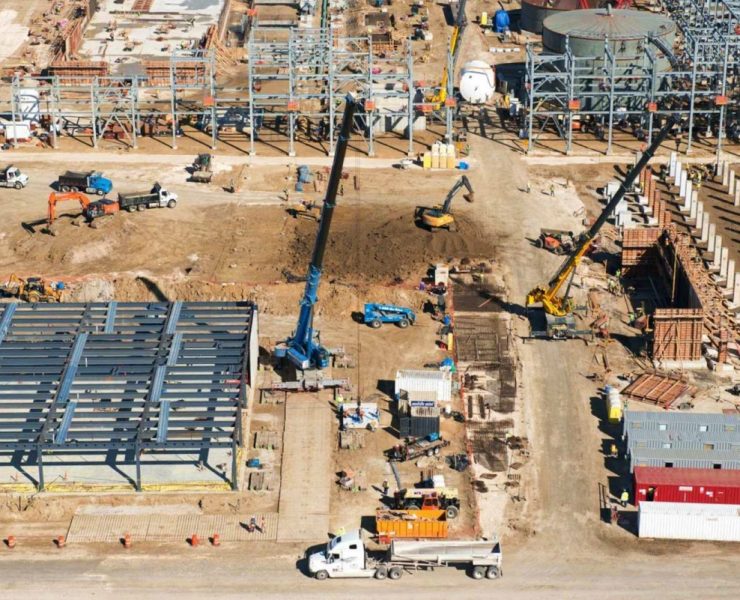
Properly designed mat systems reduce ground bearing pressure by spreading concentrated crane and piling loads over a wider surface area. This helps prevent excessive settlement and uneven equipment platforms during pile driving. Photo Credit: Quality Mat Company
Optimizing Mat Usage in Piling Operations: Tips for Load Distribution and Ground Protection

Temporary ground protection mats play a critical role in modern piling operations, especially as projects…
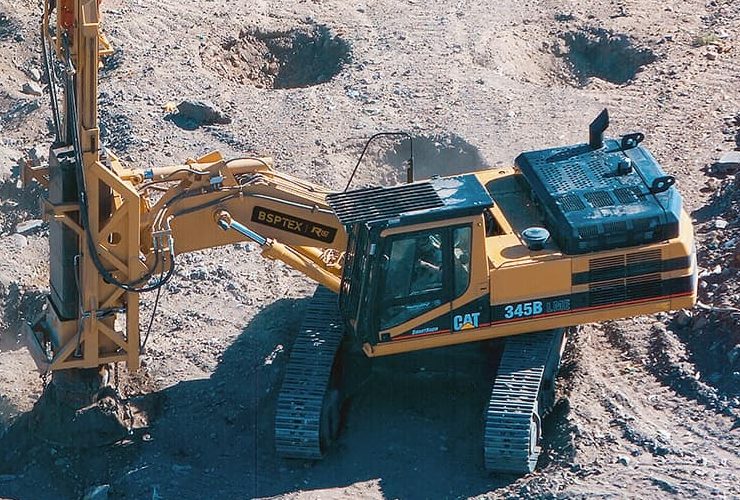
Rapid impact compaction improves soil density by applying repeated, high-energy impacts through a surface plate, making it effective for granular soils such as sands and gravels. The technique typically improves soil performance to depths of up to seven meters, depending on soil conditions and energy input. Photo Credit: BSP TEX
Rapid Impact Compaction (RIC) Techniques: Modern Solutions for Ground Improvement in Challenging Soils

Rapid impact compaction, often referred to by its abbreviation RIC, is a ground improvement process…
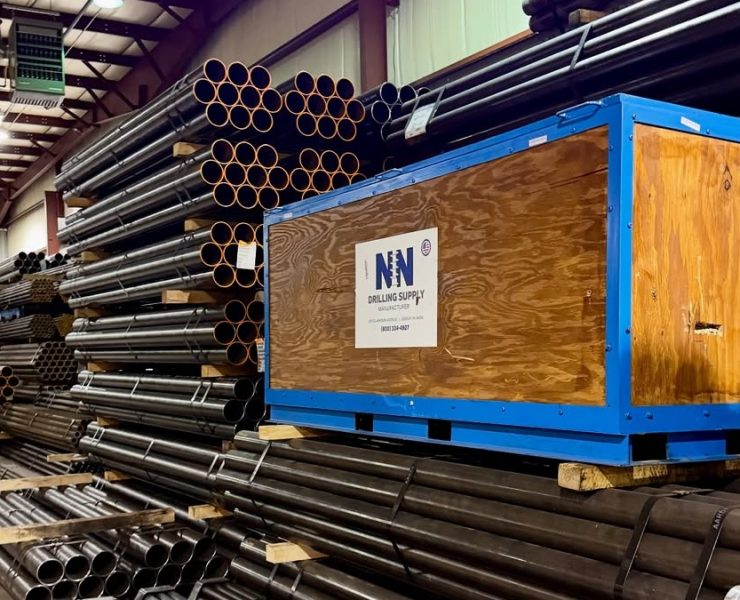
Environmental drilling commonly uses auger methods because they allow soil sampling without drilling fluids that could alter contamination results. This makes auger and bit selection critical for maintaining sample integrity on construction sites. Photo Credit: N&N Drilling Supply
Best Practices for Auger and Bit Selection in Environmental Drilling for Construction Sites

Environmental drilling plays a critical role in construction projects where understanding subsurface conditions is essential…
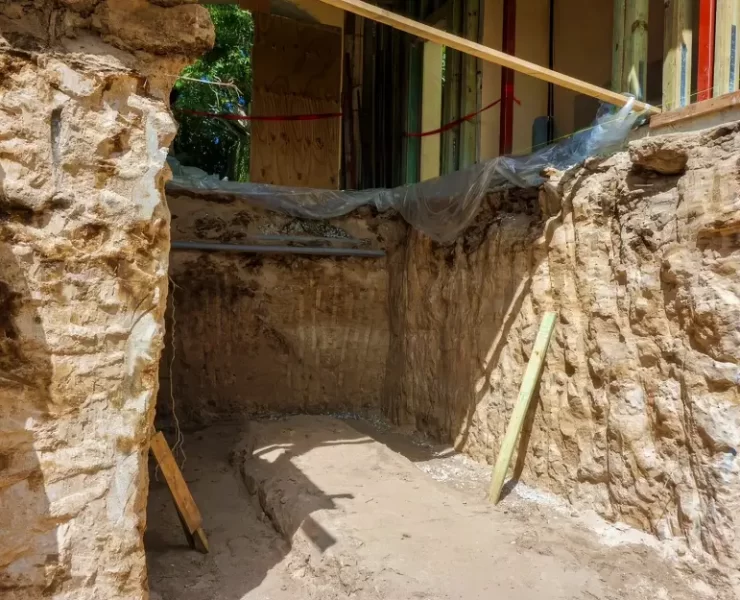
Permeation grouting strengthens soil by filling existing pore spaces with low-viscosity grout without disturbing the soil structure. This makes it ideal for stabilizing sands and gravels beneath deep foundations and existing structures. Photo Credit: TerraGrout
Chemical Grouting 101: Basics of Permeation Grouting for Soil Stabilization in Deep Foundations

Chemical grouting has become a critical ground improvement method for stabilizing loose and permeable soils…