






Floating Turbidity Barriers: Key to Water Quality in Marine Piling Projects
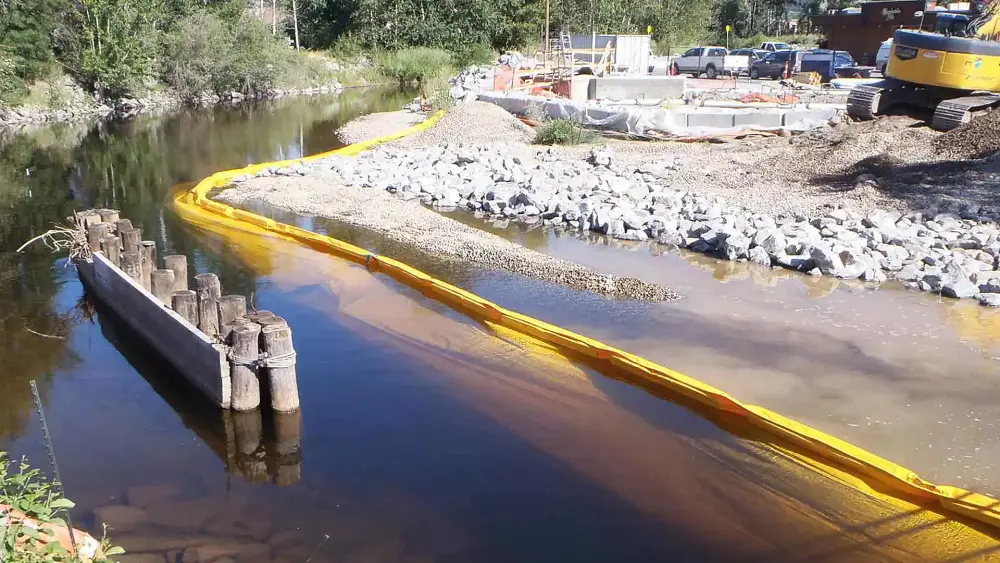
Marine piling projects are essential for building ports, bridges, docks, and coastal infrastructure, but they also pose serious risks to surrounding water quality. Pile driving, drilling, and seabed disturbance can release fine sediments into the water column, reducing visibility and threatening aquatic ecosystems. To control these impacts, floating turbidity barriers have become a standard environmental protection measure in marine construction. Their proper selection and deployment play a critical role in maintaining regulatory compliance, protecting marine life, and ensuring projects move forward without costly delays. Modern floating turbidity control systems are widely recognized as one of the most effective tools for managing sediment dispersion during piling operations.
Understanding Turbidity in Marine Construction
Turbidity refers to the cloudiness of water caused by suspended particles such as silt, clay, and organic matter. In marine piling projects, turbidity increases when piles are driven into the seabed, when jetting or drilling is used, or when vessels disturb bottom sediments. Elevated turbidity levels reduce light penetration, which directly affects photosynthesis in seagrasses and algae. This can disrupt food chains and habitat stability in sensitive coastal and nearshore environments.
Regulatory agencies often establish maximum allowable turbidity thresholds for construction activities. Exceeding these limits can result in work stoppages, fines, or permit violations. As a result, contractors must implement reliable sediment control measures that can operate effectively in dynamic marine conditions. Floating turbidity barriers serve as a physical containment system that limits the spread of suspended sediments beyond the active work zone.
How Floating Turbidity Barriers Work
Floating turbidity barriers consist of a buoyant flotation section paired with a vertical skirt that extends below the water surface. The flotation keeps the barrier visible and properly positioned, while the skirt slows water movement and allows suspended particles to settle within the contained area. Unlike rigid structures, these barriers flex with waves and currents, making them suitable for a wide range of marine environments.
The effectiveness of a turbidity barrier depends on correct installation and anchoring. Barriers must be aligned to account for prevailing currents, tidal fluctuations, and vessel traffic. When installed correctly, marine sediment control barriers reduce sediment migration without significantly impeding water flow, which helps maintain natural circulation patterns around the construction site.
Regulatory Drivers for Turbidity Control
Environmental protection agencies at local, state, and federal levels require turbidity management as part of most marine construction permits. In the United States, projects often must comply with Clean Water Act provisions and state water quality standards. Monitoring turbidity levels before, during, and after pile driving is commonly mandated.
Floating turbidity barriers are frequently specified in permit conditions because they offer a measurable and proven method of compliance. Their use demonstrates due diligence in minimizing environmental impacts, which can streamline inspections and reduce the likelihood of enforcement actions. For contractors, investing in environmental protection systems for marine construction can prevent project delays and protect long term relationships with regulators and project owners.
Types of Floating Turbidity Barriers Used in Piling Projects
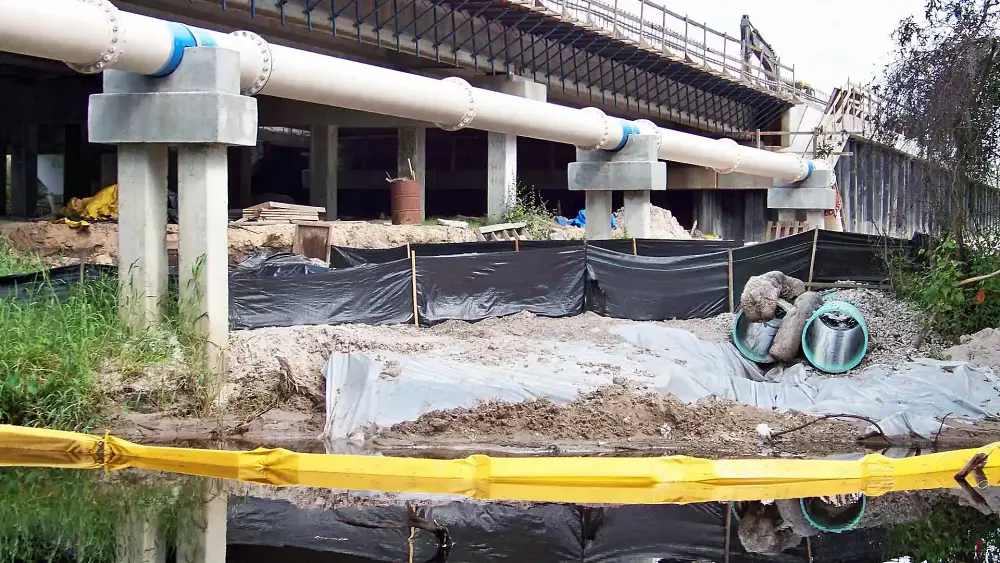
Not all turbidity barriers are designed for the same conditions. Selection depends on water depth, current velocity, wave exposure, and project duration. Light duty barriers are typically used in calm, inland waters such as lakes, canals, and sheltered marinas. These are suitable for smaller piling projects where wave action is minimal.
Medium and heavy duty barriers are designed for open water and coastal environments where stronger currents and wave forces are present. These systems use reinforced skirts and higher buoyancy to maintain effectiveness under challenging conditions. Choosing the correct barrier type is essential, as under-designed systems can fail, allowing sediment to escape and potentially causing compliance issues.
Installation Best Practices for Marine Piling Sites
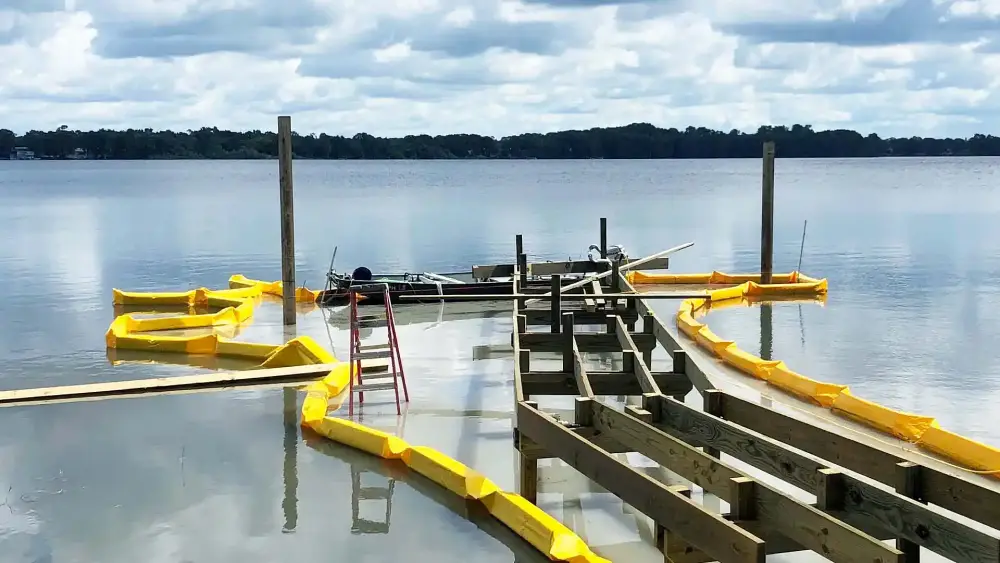
Successful turbidity control starts with proper planning. Barriers should be installed before pile driving begins to ensure sediments are contained from the first disturbance. The barrier layout must fully enclose the active work area while allowing enough clearance for construction equipment and vessel movement.
Anchoring systems must be matched to seabed conditions. Soft sediments, rocky bottoms, and varying water depths require different anchoring approaches to maintain barrier stability. Regular inspection during operations is critical, as shifting currents or vessel interaction can displace barriers over time. Well maintained floating silt curtain systems provide consistent performance throughout the project lifecycle.
Monitoring and Maintenance During Construction
Even the best turbidity barrier systems require ongoing monitoring. Turbidity sensors and visual inspections are commonly used to confirm that sediment levels outside the containment area remain within permitted limits. If elevated turbidity is detected, adjustments to barrier placement or additional containment measures may be required.
Maintenance activities include checking flotation elements, inspecting skirts for tears, and ensuring anchor lines remain properly tensioned. Prompt repairs help avoid system failures that could result in environmental damage or regulatory penalties. Consistent monitoring reinforces the role of turbidity barriers as an active, rather than passive, environmental safeguard.
Environmental Benefits Beyond Compliance
While regulatory compliance is a primary driver, floating turbidity barriers also deliver broader environmental benefits. By limiting sediment dispersion, they protect benthic habitats, coral reefs, and aquatic vegetation from smothering. Reduced turbidity improves dissolved oxygen levels and supports healthier fish populations in nearby waters.
These benefits can be especially important for projects located near sensitive habitats or in regions with active fisheries and tourism industries. Effective turbidity control helps demonstrate responsible construction practices and can improve public perception of marine infrastructure projects.
Integration With Modern Marine Construction Practices
Today’s marine piling projects increasingly emphasize sustainability and environmental stewardship. Turbidity barriers are often used alongside other best practices such as staged pile installation, reduced jetting pressure, and careful timing of work to avoid sensitive breeding seasons. Together, these measures form a comprehensive approach to minimizing environmental impacts.
Contractors that incorporate proven water quality protection measures into their project planning are better positioned to meet owner expectations and regulatory requirements. Floating turbidity barriers remain a central component of this strategy, offering flexibility, reliability, and measurable performance in diverse marine settings.
Long Term Value for Contractors and Owners
From a project management perspective, turbidity barriers help control risk. Preventing sediment migration reduces the likelihood of fines, stop work orders, and remediation costs. For owners, this translates into more predictable schedules and budgets. For contractors, it supports safer operations and stronger compliance records.
As marine infrastructure development continues to expand, the role of turbidity barriers in piling projects will remain critical. Reliable floating turbidity barrier systems support both environmental protection and project efficiency, making them an essential tool in modern marine construction.
They contain suspended sediments during pile driving to prevent environmental damage and regulatory violations.
Barriers must fully enclose the work area, be properly anchored, and inspected regularly to ensure consistent sediment containment. What is the purpose of floating turbidity barriers in marine piling projects?
How should floating turbidity barriers be installed and maintained?
