




Strategies for Minimizing Environmental Impact in Mechanical and Hydraulic Dredging
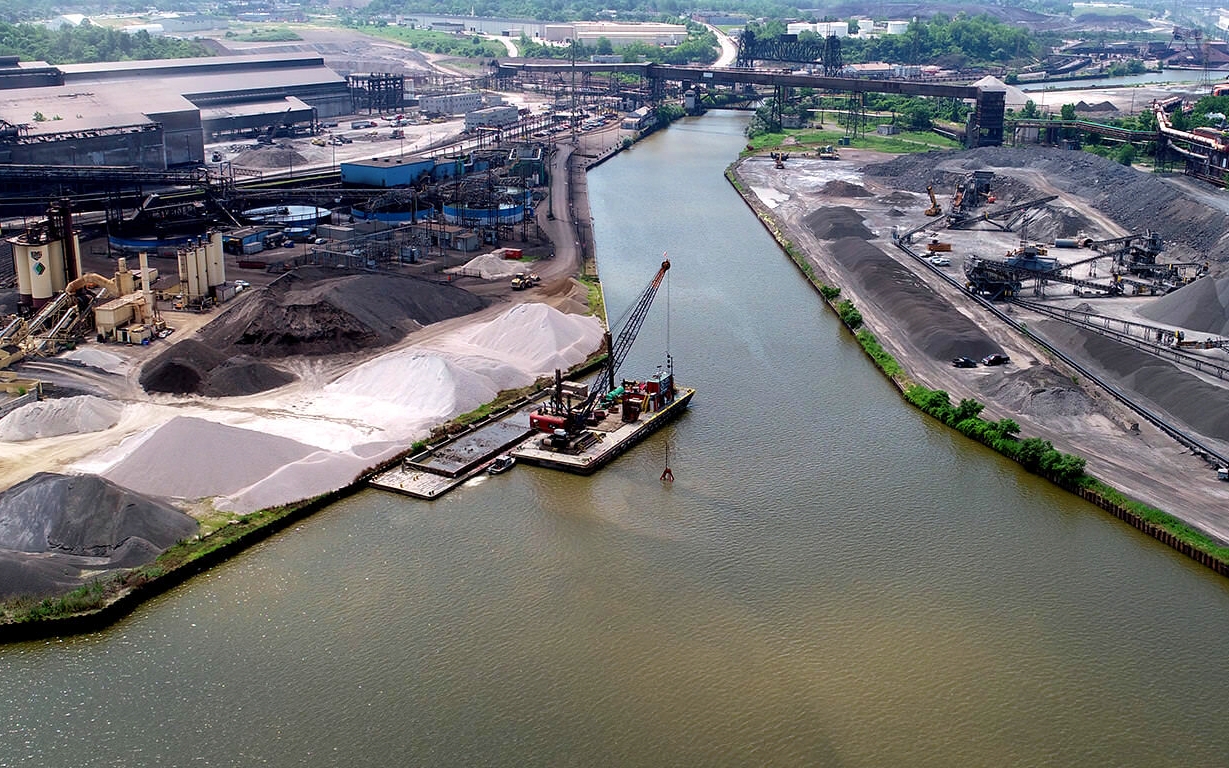
Dredging plays a vital role in maintaining waterways, improving navigation, supporting infrastructure development and enabling coastal resilience. However, while mechanical and hydraulic dredging are essential tools in marine engineering, they also have the potential to disturb aquatic environments if not carefully planned and managed. This article explores strategies to minimize environmental impact, focusing on ways to control turbidity and sediment plumes, protect habitat, and handle contaminated materials responsibly.
Understanding Environmental Challenges in Dredging
Mechanical dredging involves physically removing sediment using equipment such as buckets and grabs, while hydraulic dredging uses suction to transport sediment as a slurry. Both methods can disturb the seabed and release particles into the water column, leading to increased turbidity and shifts in water quality. Turbidity elevated by dredging can alter light penetration in water, disrupt aquatic ecosystems, and stress or displace sensitive organisms. The scale and duration of exposure contribute to these impacts, and they persist longer in areas with slower water movement. To ensure dredging is sustainable, project planners and engineers must use comprehensive approaches that limit the spread of suspended sediments and reduce disruptions to aquatic life. One effective way to build resilience into dredging projects is through advanced sediment control techniques that manage disturbed particles before they spread beyond the work area.
Planning and Monitoring For Environmental Protection
Minimizing environmental impact begins long before dredging equipment enters the water. Baseline environmental assessments are crucial to understanding the existing conditions of sediment composition, water quality and habitat sensitivity. These assessments enable teams to identify potential risks and design mitigation strategies tailored to specific project sites.
Real time monitoring during dredging plays a key role in adapting operations to reduce environmental harm. Instruments that measure suspended sediment concentrations and water quality parameters allow operators to adjust dredging intensity if thresholds are approached or exceeded. By collecting continuous data, teams can track changes in the water column and make informed decisions about where and how to dredge without causing unnecessary harm. Effective monitoring also supports regulatory compliance, ensuring that dredging projects meet environmental standards and protect sensitive receptors, such as seagrass beds or coral communities that are particularly vulnerable to elevated turbidity and sedimentation.
Containment and Control of Sediment Plumes
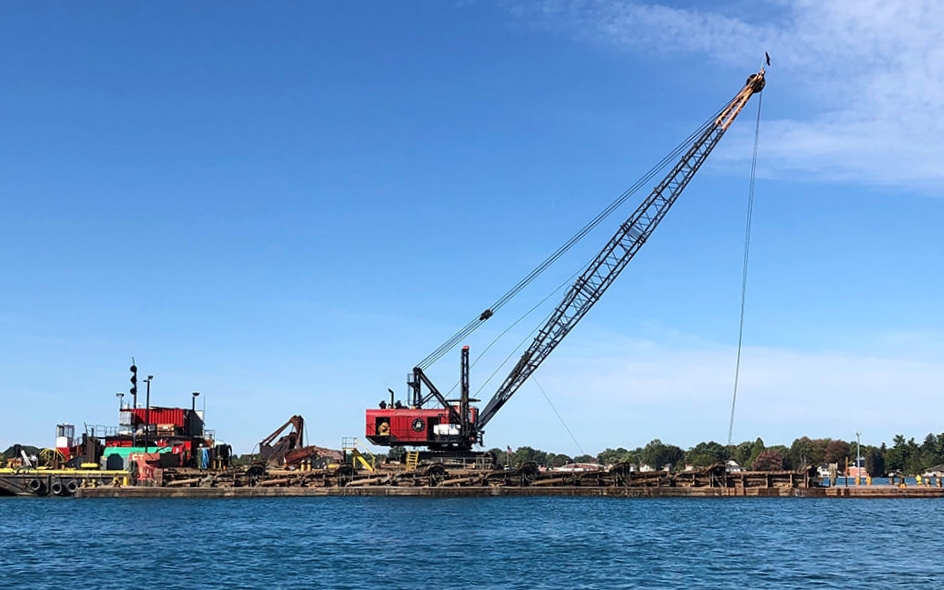
One of the most immediate concerns during dredging is the formation of sediment plumes. These clouds of suspended particles can travel beyond the dredge site with currents and winds, spreading turbidity and potentially affecting ecosystems far from the work area. Physical containment measures are widely used to control these suspended sediments and reduce their spread.
Floating turbidity barriers are one such measure. These containment systems are designed to encircle the dredging zone and limit the spatial extent of disturbed sediment in the water. Through careful placement that takes into account currents, water depth and bottom topography, these floating barriers reduce how far suspended particles move away from the dredging activity. When properly maintained throughout the dredging operation, containment systems can significantly lessen the release of sediment outside the immediate work zone.
In addition to physical barriers, sediment capture techniques at the source are also effective. Techniques that minimize resuspension of particles at the moment of disturbance help reduce the volume of sediment entering the water column. Implementing these measures requires coordination between operational teams and environmental specialists to ensure that controls remain effective under varying conditions, such as changes in tidal flows or weather.
Timing and Seasonal Considerations
The timing of dredging activities has a direct influence on environmental impact. Sensitive periods in the life cycles of aquatic species, such as fish spawning or bird migration seasons, require special consideration. Dredging outside these windows can help minimize stress on vulnerable populations and reduce the likelihood of disrupting critical biological processes.
Seasonal water conditions, such as lower flows or calm weather periods, can also impact how sediment plumes behave. Planning dredging operations to coincide with periods of favorable hydrodynamic conditions helps reduce the risk of widespread turbidity and supports better containment of disturbed sediment. Project planners often work with environmental regulators to identify appropriate timing windows that balance operational goals with the protection of aquatic life.
Equipment Selection and Operational Techniques
Choosing the right dredging method for a project site contributes significantly to environmental mitigation. Hydraulic dredging techniques that use suction can reduce the amount of sediment disturbed during removal, particularly when removing fine materials that are easily suspended. These systems operate by creating a slurry that transports sediment away from the seabed, and when designed for precision, they limit how much material becomes suspended outside the intake zone.
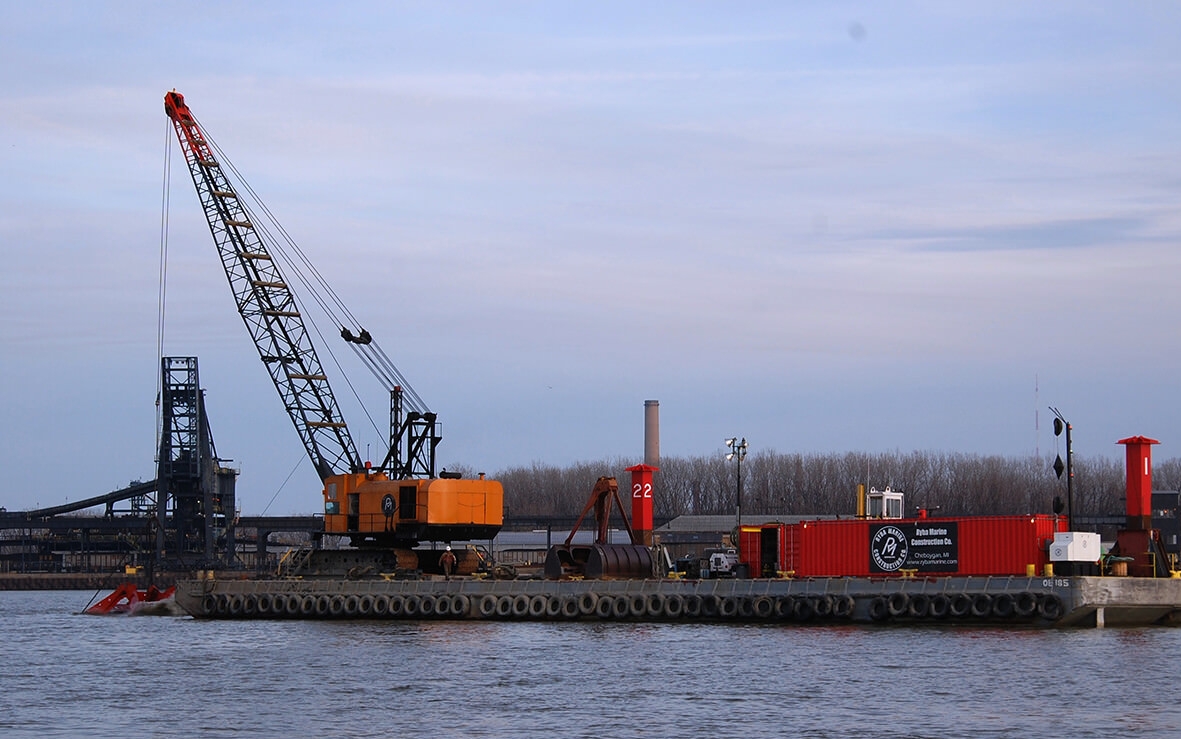
Mechanical dredging may be preferred in confined areas or where debris is present, but careful operational control is essential to minimize sediment loss. Precision in bucket operation, combined with high quality control of depth and lift procedures, helps reduce unnecessary disturbance. Tracking the amount of sediment resuspension and using sensor data to optimize dredge positioning can further enhance environmental performance.
Operators often combine dredging methods depending on site conditions, using mechanical removal for initial debris clearing followed by hydraulic suction for bulk sediment movement. This hybrid strategy helps balance efficiency with environmental protection by tailoring techniques to the unique challenges of each project.
Post Dredging Recovery and Habitat Enhancement
Once dredging is complete, strategies for habitat recovery and enhancement contribute to long term environmental benefits. Projects increasingly aim not just to limit harm, but to improve conditions through habitat restoration efforts. Reusing dredged materials for beneficial purposes, such as rebuilding wetlands or creating substrate for seagrass communities, supports ecosystem resilience.
Monitoring after dredging helps evaluate the effectiveness of mitigation measures and guides future actions. Evaluations of water quality and sediment levels inform adaptive management strategies, allowing teams to refine practices for future projects while ensuring that dredged areas return to stable ecological conditions.
Incorporating adaptive feedback into dredging operations ensures that project teams can respond to unexpected conditions and adjust techniques to minimize impacts while meeting project objectives.
Environmental protection in mechanical and hydraulic dredging requires a combination of planning, monitoring, containment, timing and thoughtful operational choices. By focusing on strategies that reduce turbidity and control sediment plumes, dredging projects can achieve their engineering goals while safeguarding aquatic ecosystems and water quality.
Throughout this process it is essential to prioritize solutions that maintain the integrity of water bodies and their inhabitants. Using tools and approaches such as advanced sediment monitoring tools and containment controls ensures that the environmental footprint of dredging remains as low as possible. Together with habitat recovery efforts, these strategies support sustainable dredging that benefits industry, communities and natural environments alike.
In the future, continued innovation and adherence to best practices will help balance the need for dredging with the imperative to protect fragile ecosystems and maintain healthy waterways.
Dredging increases turbidity by resuspending sediments, which can reduce light penetration and stress aquatic life.
Floating barriers, sediment capture at the source, and careful dredge operation limit how far disturbed particles spread. How can dredging affect water quality and aquatic habitats?
What methods are used to control sediment plumes during dredging?
