

Concrete vs. Steel Piles: When and Where Each Wins in Marine Work
Marine construction environments push foundation systems harder than almost any other setting. Tidal cycles, saltwater exposure, scour, vessel impact, and long service life expectations force engineers to make careful decisions early in the design phase. Among the most common choices are concrete piles and steel piles, both proven solutions with very different strengths depending on project conditions.
Understanding when concrete piles outperform steel piles, and when steel piles clearly take the lead, helps reduce lifecycle costs, improve constructability, and extend service life across waterfront infrastructure.
Key Factors Driving Pile Selection
Selecting the right pile material for marine work depends on more than structural capacity alone. Environmental exposure, installation constraints, and long term maintenance requirements all influence performance.
Environmental Exposure Conditions
Saltwater environments accelerate corrosion in unprotected steel and can promote sulfate attack in poorly designed concrete. Engineers must evaluate salinity levels, oxygen availability, water temperature, and biological activity when selecting pile materials. These exposure conditions often dictate whether durability advantages lean toward concrete or steel.
Load Demands and Structural Behavior
Marine structures experience a mix of axial loads, lateral forces, uplift, and cyclic loading from waves and vessels. Steel piles excel under high tensile and bending demands, while concrete piles often perform well under compressive loads with predictable stiffness characteristics.
Installation Constraints and Access
Project location strongly influences pile selection. Limited overhead clearance, restricted staging areas, and noise or vibration limits can make certain pile types impractical. Constructability often determines whether steel or concrete is feasible on a given site.
Where Concrete Piles Excel in Marine Construction
Concrete piles have been used in marine environments for decades, particularly where durability and long term stability are priorities.
Resistance to Corrosion and Marine Growth
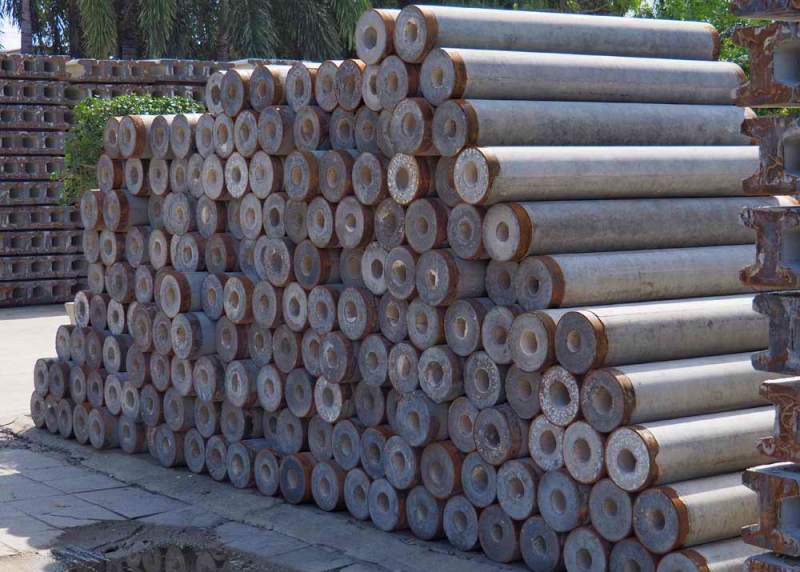
Properly designed concrete piles with adequate cover and low permeability mixes resist chloride penetration and corrosion of reinforcement. In submerged and splash zones, concrete piles often experience slower degradation than unprotected steel. Marine growth tends to attach to both materials, but concrete piles typically suffer less section loss over time.
Long Term Durability in Fixed Structures
Wharves, piers, and docks designed for multi decade service lives often rely on concrete piles due to their predictable aging characteristics. When combined with quality control during fabrication and installation, concrete piles can maintain structural integrity with minimal intervention.
Early design discussions often reference marine foundation solutions like precast concrete piles when lifecycle performance outweighs installation speed.
Reduced Maintenance Requirements
Concrete piles typically require less frequent inspection and maintenance compared to steel piles exposed to seawater. While repairs can be complex if damage occurs, the overall maintenance burden is often lower over the service life of the structure.
Where Steel Piles Take the Lead
Steel piles dominate many marine construction projects due to their versatility and installation advantages.
High Strength in Compact Sections
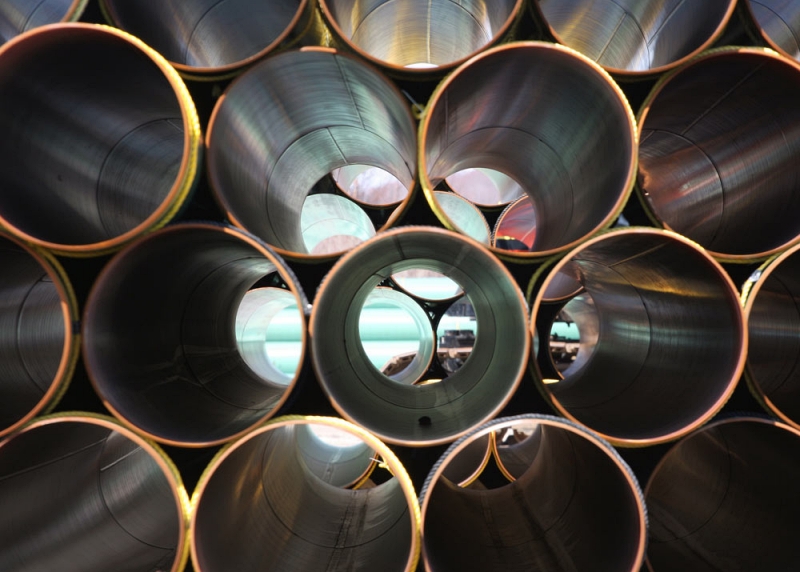
Steel piles deliver high load capacity with smaller cross sections. This makes them ideal for projects with limited footprint or where deeper penetration is required to reach competent bearing layers. Their strength to weight ratio allows easier handling and faster installation in challenging marine conditions.
Faster and More Flexible Installation
Driven steel piles can be installed rapidly using vibratory or impact hammers. This speed reduces time spent working over water and limits exposure to weather delays. Steel piles can also be spliced easily, allowing crews to adjust pile length in real time based on subsurface conditions.
Performance in Temporary and Adaptive Structures
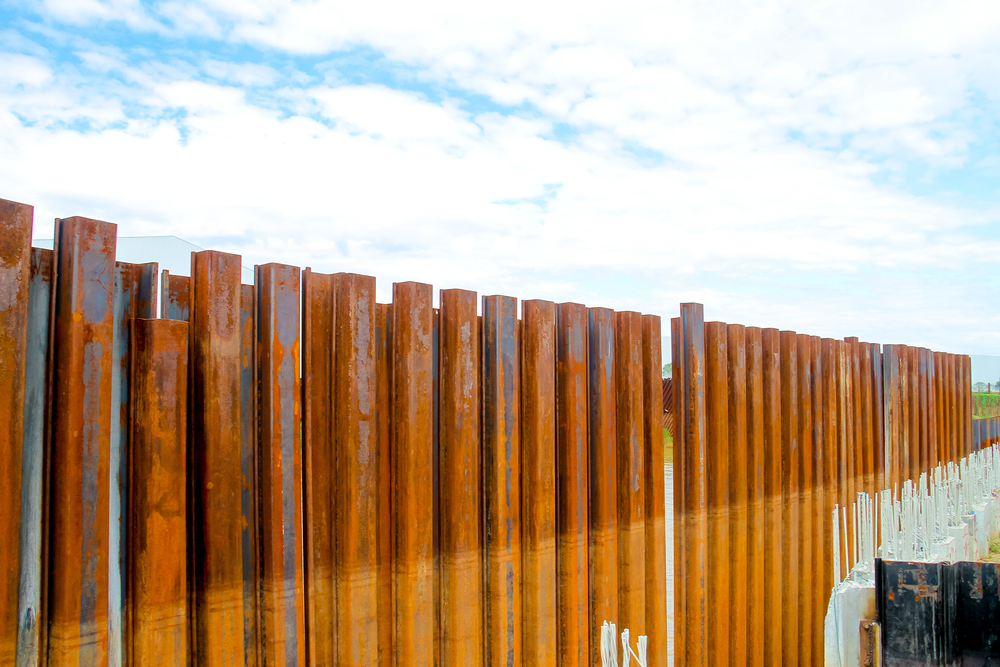
Temporary marine structures such as cofferdams, temporary trestles, and construction platforms often favor steel piles. Their ability to be extracted and reused provides cost advantages for short duration projects or phased construction.
Durability, Installation, Cost Factors
Material costs alone do not determine overall project economics. Installation method, equipment availability, and long term maintenance all factor into total ownership cost.
Installation Equipment and Methods
Concrete piles often require heavier lifting equipment and careful handling to avoid cracking during driving. Steel piles tolerate driving stresses better and can be installed with a wider range of equipment. Noise and vibration considerations may favor vibratory installation methods typically associated with steel piles.
Initial Costs Versus Lifecycle Costs
Steel piles may offer lower upfront material and installation costs, particularly for deep foundations. However, corrosion protection systems such as coatings or cathodic protection add expense over time. Concrete piles often cost more initially but can deliver lower lifecycle costs when maintenance budgets are considered.
Inspection and Repair Accessibility
Steel pile inspection is straightforward, but repairs in splash and tidal zones can be frequent and costly. Concrete pile repairs are less common but may be more complex when required. Project owners must weigh inspection access and repair strategies during design.
Hybrid and Composite Marine Solutions
Many marine projects use a combination of concrete and steel piles to balance performance needs. For example, steel piles may be selected for deeper load transfer while concrete piles support superstructure elements where durability is critical.
Design teams increasingly consider coastal piling systems that blend materials strategically to optimize performance across different exposure zones. Modern coastal piling systems reflect a growing emphasis on resilience, adaptability, and lifecycle efficiency in waterfront construction.
Choosing the Right Pile for the Right Site
No single pile type universally outperforms the other in all marine environments. Concrete piles often win in long term durability and reduced maintenance, especially for permanent waterfront structures. Steel piles excel where installation speed, adaptability, and high structural demands drive decision making.
Successful marine foundation design comes from aligning site conditions, structural requirements, and lifecycle expectations with the inherent strengths of each pile material. When engineers evaluate these factors early, projects benefit from improved constructability, predictable performance, and reduced long term risk.
When do concrete piles outperform steel piles in marine construction?
Concrete piles outperform steel piles in marine environments where long-term durability, resistance to chloride-induced corrosion, and reduced maintenance are priorities for permanent waterfront structures.
Why are steel piles often preferred for certain marine projects?
Steel piles are often preferred because they offer high load capacity in smaller sections, faster installation, easier splicing, and better adaptability to variable subsurface conditions.
