
| Marine Construction Service | Marine Construction Service | Marine Construction Service |
|---|---|---|
| Taylor Marine Construction, Inc. | Manson Construction Co. | Brothers’ Construction, Inc. |
| More information | More information | More information |
 |
 |
 |
Pile Buck's Top Recommended Service Providers
| Marine Construction Service |
|---|
| Myrick Marine Contracting Corporation |
| More information |
 |
| Marina Construction Service | Marina Construction Service | Marina Construction Service |
|---|---|---|
| Fender Marine Construction | BDI Marine Contractors | Company 3 |
| More information | More information | More information |
 |
 |
This guide is intended for developers, owners, engineers, contractors, and facility managers involved in marine construction. It covers the major stages of planning, designing, permitting, building, and maintaining waterfront infrastructure, including docks, piers, wharves, marinas, seawalls, bulkheads, revetments, shoreline stabilization systems, boat ramps, terminals, and pile-supported marine structures. The goal is to help project teams develop marine facilities that are safe, durable, environmentally responsible, operationally efficient, and resilient under changing coastal and inland waterway conditions.
Marine construction differs from conventional land-based construction because the project site is shaped by water movement, tides, waves, currents, vessel activity, scour, corrosion, sediment transport, and sensitive ecological conditions. Successful projects begin with a clear understanding of these forces and continue through disciplined engineering, careful permitting, experienced construction execution, and long-term maintenance planning.
Planning and Site Assessment
Initial Considerations: Location, Use, and Exposure
The first step in a marine construction project is defining the purpose of the facility and understanding the conditions of the site. A private dock, commercial marina, public pier, ferry terminal, cargo wharf, seawall, or shoreline stabilization project will each require different design assumptions, equipment access, structural capacity, and permitting strategy. Owners should identify the expected users, vessel types, loading requirements, service needs, security requirements, and future expansion goals early in the planning process.
Location is especially important because marine structures must respond to both land-side and water-side constraints. Water depth, tidal range, current velocity, wave climate, storm exposure, channel proximity, shoreline geometry, soil conditions, upland access, and nearby infrastructure all influence design and construction cost. The U.S. Army Corps of Engineers’ Coastal Engineering Manual emphasizes the importance of understanding coastal processes, design water levels, waves, sediment behavior, and navigation conditions when planning shore protection and waterfront projects.
Site Investigations and Technical Studies
A strong site investigation helps reduce design uncertainty and construction risk. Typical studies include bathymetric surveys, topographic surveys, geotechnical borings, sediment testing, hydrographic surveys, utility investigations, current measurements, wind and wave studies, and environmental habitat assessments. For larger waterfront projects, the design team may also evaluate vessel berthing forces, wake exposure, flood risk, sea level trends, storm surge, scour potential, and construction access for barges or cranes.
Geotechnical information is particularly important for pile-supported structures, bulkheads, seawalls, and retaining systems. Soil strength, settlement potential, liquefaction risk, corrosion conditions, and pile drivability can significantly affect the selected foundation type. Without reliable subsurface information, marine projects are more likely to face change orders, delays, or performance problems after construction.
Environmental Review and Shoreline Impacts
Marine construction can affect wetlands, submerged aquatic vegetation, shellfish habitat, fish migration, water quality, sediment movement, and shoreline stability. Environmental review should begin early so the project team can identify sensitive resources and adjust the design before permit delays occur. In some cases, this may involve avoiding in-water work during fish spawning windows, limiting turbidity, managing contaminated sediment, or choosing construction methods that reduce habitat disturbance.
Shoreline stabilization deserves special attention. NOAA notes that shoreline armoring, such as seawalls, breakwaters, and riprap, can protect property from erosion but may also restrict natural sediment movement and reduce intertidal habitat. Where site conditions allow, living shorelines or hybrid systems may provide erosion control while preserving ecological function. These approaches can use native vegetation, sand, rock, oyster reefs, or low sills to stabilize sheltered shorelines and improve resilience.
Design and Engineering
Structural Design Principles
Marine structures must be designed for loads that are both static and dynamic. In addition to gravity loads, designers must account for waves, currents, wind, vessel impact, berthing loads, mooring loads, debris impact, hydrostatic pressure, earth pressure, uplift, scour, ice where applicable, and extreme storm events. Design assumptions should reflect both normal operating conditions and low-probability high-consequence events.
Pile-supported structures are common in marine construction because they can transfer loads through weak near-surface soils into deeper bearing layers. Piles may be timber, concrete, steel, composite, or pipe sections depending on exposure, load requirements, budget, and service life expectations. For retaining structures such as bulkheads and seawalls, design must also address lateral earth pressure, tieback systems, drainage, toe stability, and the potential for undermining.
Coastal and Hydraulic Considerations
Coastal and hydraulic conditions are central to marine design. Wave height, wave period, water level variation, current velocity, vessel wake, storm surge, and sediment transport can determine whether a structure performs well or deteriorates prematurely. Breakwaters, revetments, seawalls, and bulkheads should be sized and detailed based on site-specific exposure rather than generic assumptions.
USACE guidance for coastal revetments, seawalls, and bulkheads identifies these structures as engineered systems that require careful evaluation of wave forces, overtopping, foundation stability, drainage, filter layers, armor units, and long-term performance. In practice, this means the visible wall or armor layer is only one part of the design. The supporting soils, backfill, tiebacks, drainage system, and toe protection are equally important.
Material Selection and Durability
Material selection has a major effect on service life. Marine environments expose structures to saltwater, moisture, ultraviolet radiation, abrasion, corrosion, biological attack, freeze-thaw cycles in colder regions, and repeated wet-dry cycling. Common materials include treated timber, steel, reinforced concrete, prestressed concrete, vinyl sheet piling, composite piles, fiberglass grating, aluminum components, rock armor, geotextiles, and marine-grade hardware.
Durability should be considered from the beginning rather than added as an afterthought. Protective coatings, cathodic protection, corrosion allowances, concrete cover, stainless or galvanized hardware, pressure-treated timber specifications, and replaceable wearing components can all extend service life. The best material choice is not always the lowest initial cost; lifecycle cost, inspection access, repairability, and expected exposure are often more important.
Resilience and Adaptability
Modern marine construction increasingly requires resilience planning. Projects should consider sea level rise, stronger storm events, higher flood elevations, changing sediment patterns, and increased demands on waterfront infrastructure. Designers may raise deck elevations, design for future utility relocation, allow modular dock expansion, strengthen critical connections, or provide sacrificial and replaceable components in high-wear areas.
Adaptable designs are often more valuable over time because waterfront uses can change. A pier initially built for recreational use may later need utility upgrades, security improvements, ADA access changes, or heavier service loads. Planning for these possibilities early can reduce future reconstruction costs.
Permitting, Compliance, and Safety
Regulatory Framework
Marine construction projects commonly require permits from multiple agencies. Depending on the location, approvals may involve local planning departments, state environmental agencies, water management districts, coastal zone management programs, harbor authorities, and federal agencies such as the U.S. Army Corps of Engineers. Permits may be required for dredging, filling, pile driving, shoreline stabilization, wetland impacts, stormwater discharge, navigation impacts, and work below ordinary high water or mean high water.
The permitting strategy should be developed alongside the design. Early agency coordination can clarify required studies, identify seasonal restrictions, and reduce the risk of redesign. Projects that affect navigation, public access, endangered species, wetlands, or water quality usually require additional documentation and longer review periods.
Environmental Protection During Construction
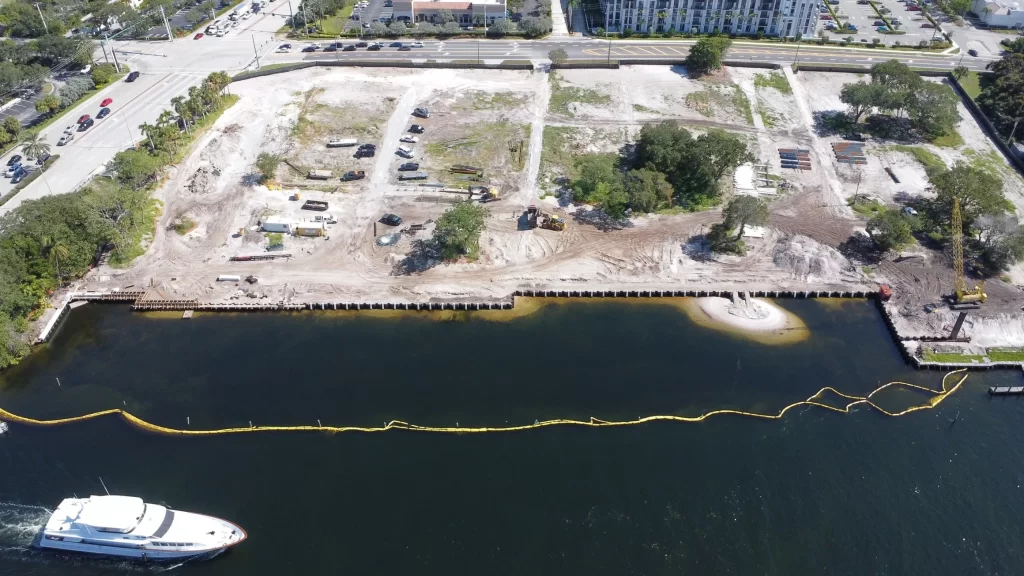
Environmental controls are essential during construction. Contractors may need turbidity curtains, spill prevention plans, concrete washout controls, debris containment, noise limits, equipment inspection procedures, and protected species monitoring. Dredging and sediment work may require additional handling procedures, especially if contamination is present.
For shoreline stabilization, the project team should evaluate whether a hard structure, soft stabilization method, or hybrid living shoreline is most appropriate. NOAA encourages living shoreline approaches along sheltered coasts where feasible because they can reduce erosion while providing habitat, water quality benefits, and improved coastal resilience.
Worker Safety and Marine Operations
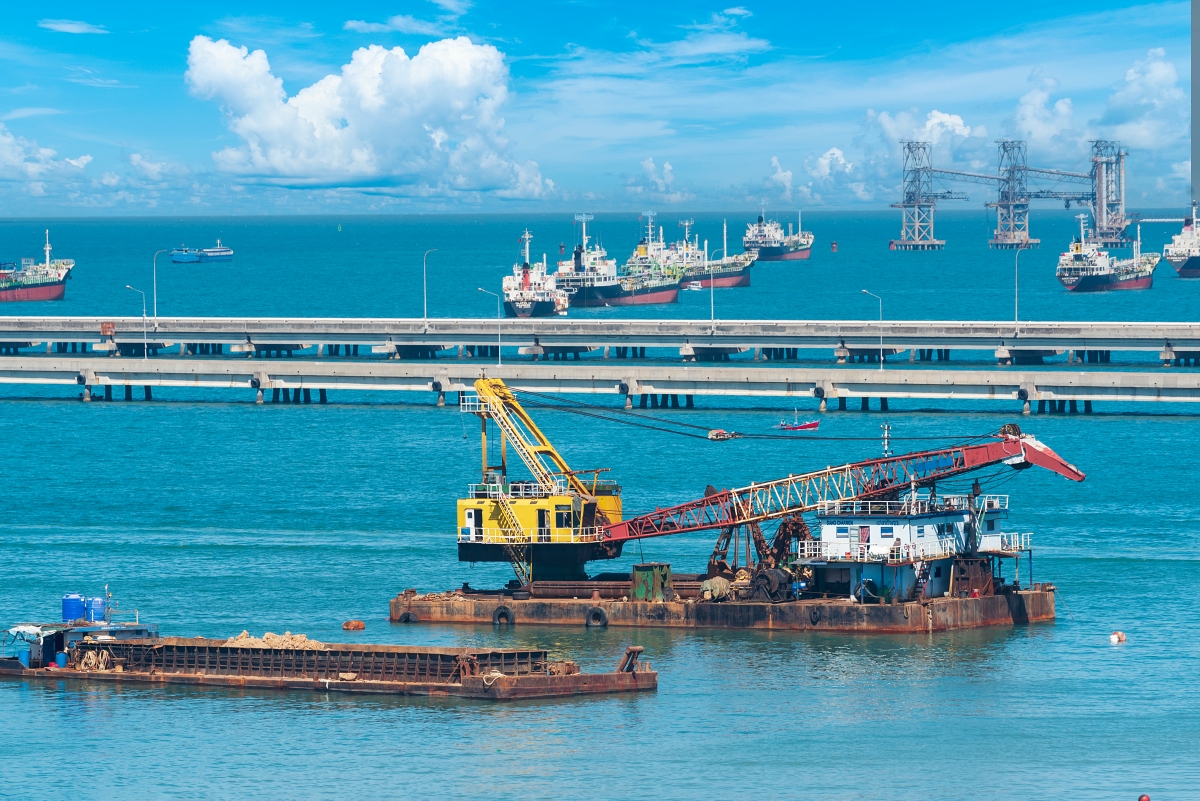
Marine construction safety requires close attention to drowning hazards, fall hazards, lifting operations, unstable working platforms, diving operations, vessel traffic, and changing weather. OSHA guidance states that construction workers operating six feet or more above water generally require fall protection, and workers exposed to drowning hazards must be provided with U.S. Coast Guard-approved life jackets or buoyant work vests. OSHA also identifies ring buoys and lifesaving skiffs as important lifesaving requirements on marine construction sites.
Heavy equipment safety is another major concern. Cranes, barges, pile driving rigs, excavators, workboats, compressors, and welding equipment should be operated by trained personnel and inspected regularly. Lift plans, communication protocols, weather monitoring, and emergency response procedures should be established before major field operations begin.
Construction Methods and Materials
Pile Driving and Foundation Work
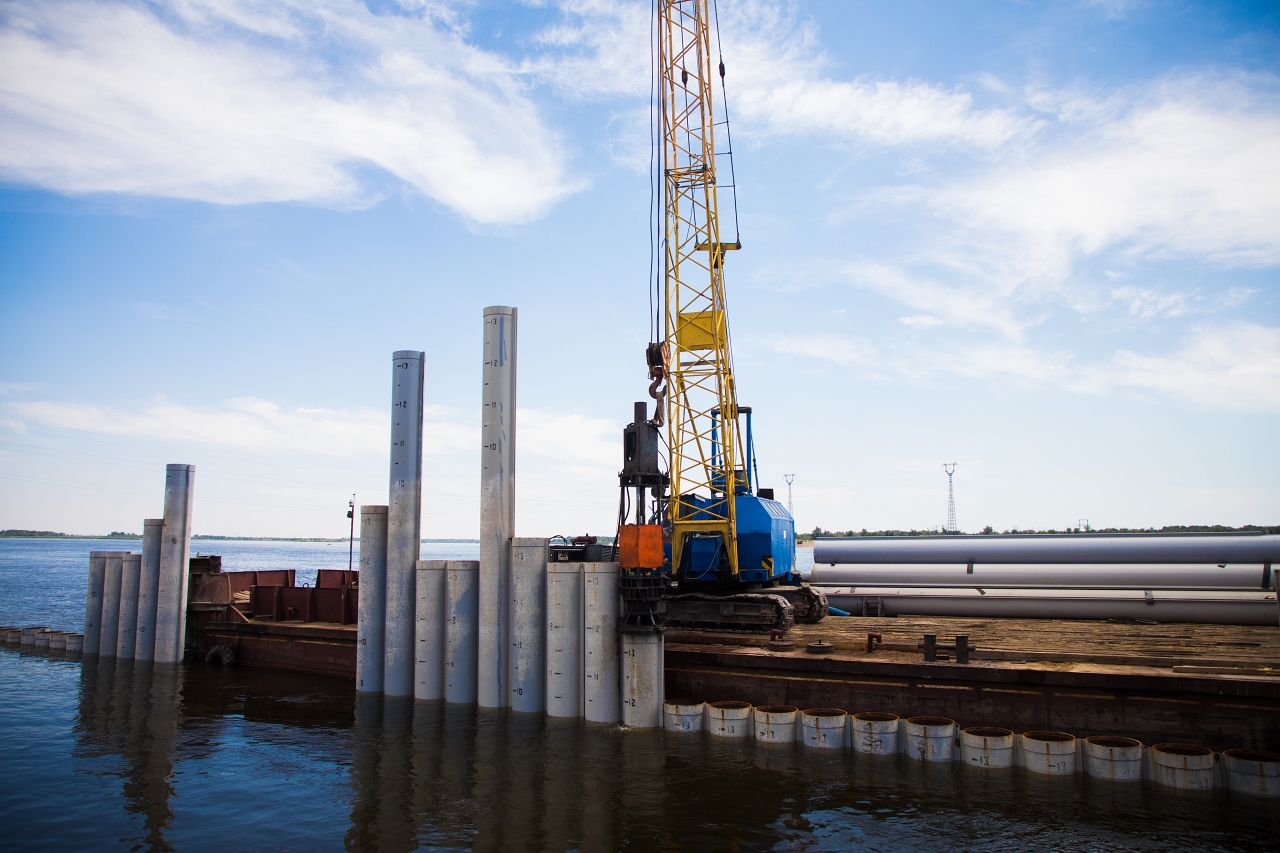
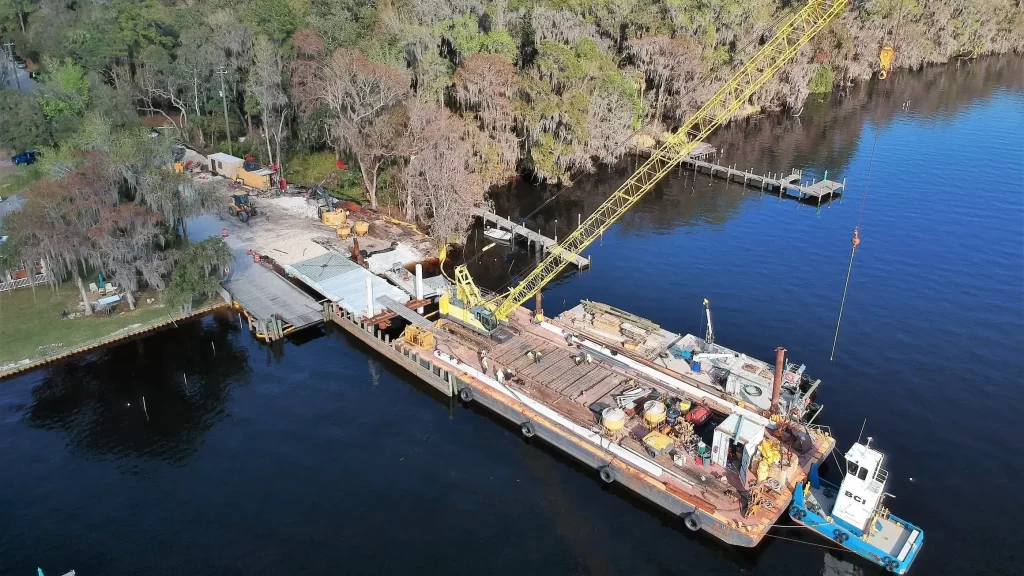
Pile driving is one of the most common marine construction methods. Driven piles support docks, piers, wharves, platforms, fender systems, mooring dolphins, and other waterfront structures. The pile type and installation method depend on soil conditions, structural loads, water depth, equipment access, vibration limits, and environmental restrictions.
Contractors may use impact hammers, vibratory hammers, press-in systems, drilled shafts, or jetting methods depending on the site. Pile installation should be monitored for alignment, penetration, refusal criteria, damage, and final elevation. In sensitive areas, noise attenuation or seasonal work restrictions may be required to protect aquatic species.
Bulkheads, Seawalls, and Revetments
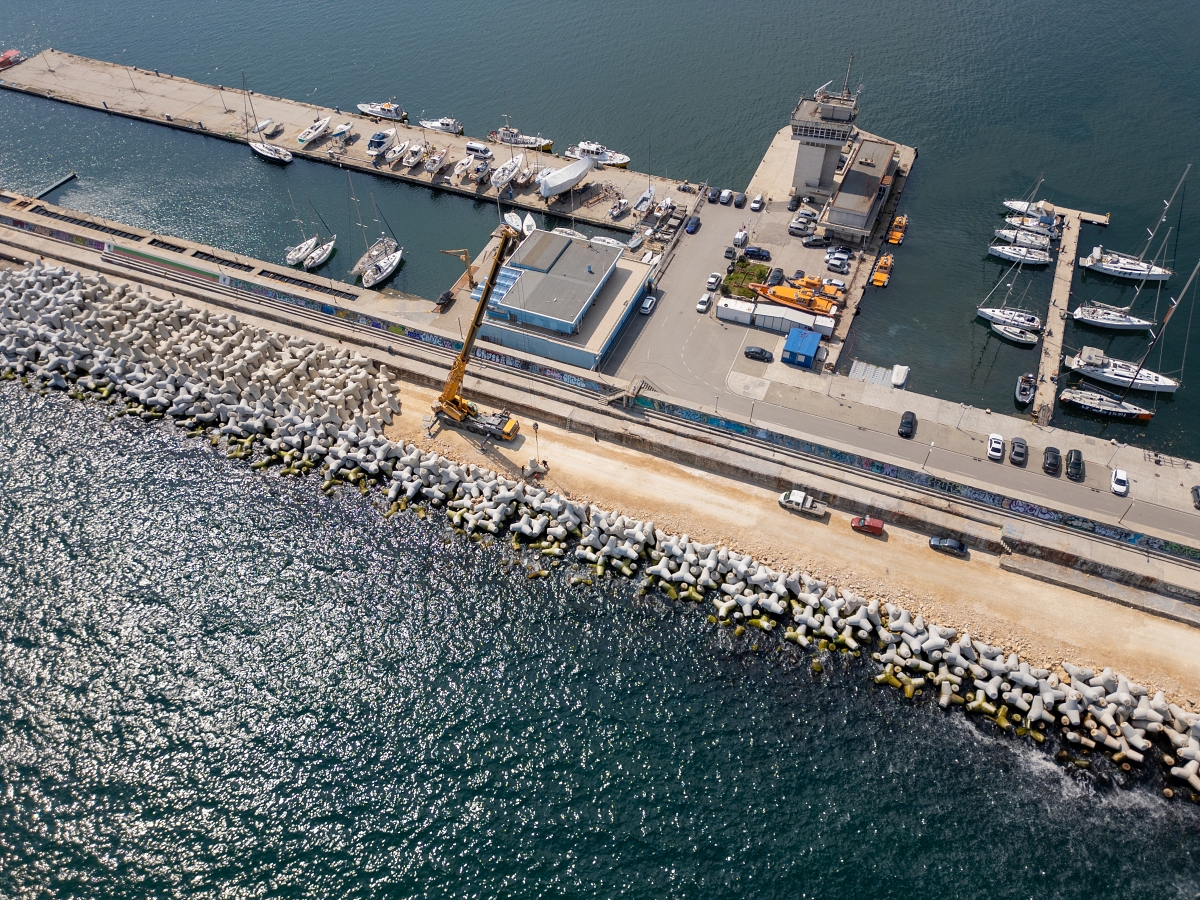
Bulkheads, seawalls, and revetments are used to stabilize shorelines and protect upland property or infrastructure. Bulkheads are typically vertical retaining structures, seawalls are designed to resist more direct wave action, and revetments use sloped armor such as stone, concrete units, or riprap to absorb wave energy.
These systems require careful detailing. Drainage behind the wall, filter fabric, tiebacks, walers, cap beams, toe protection, and scour control all affect performance. Poor drainage or inadequate toe protection can cause movement, settlement, or failure even if the visible face of the structure appears strong.
Docks, Piers, and Floating Structures
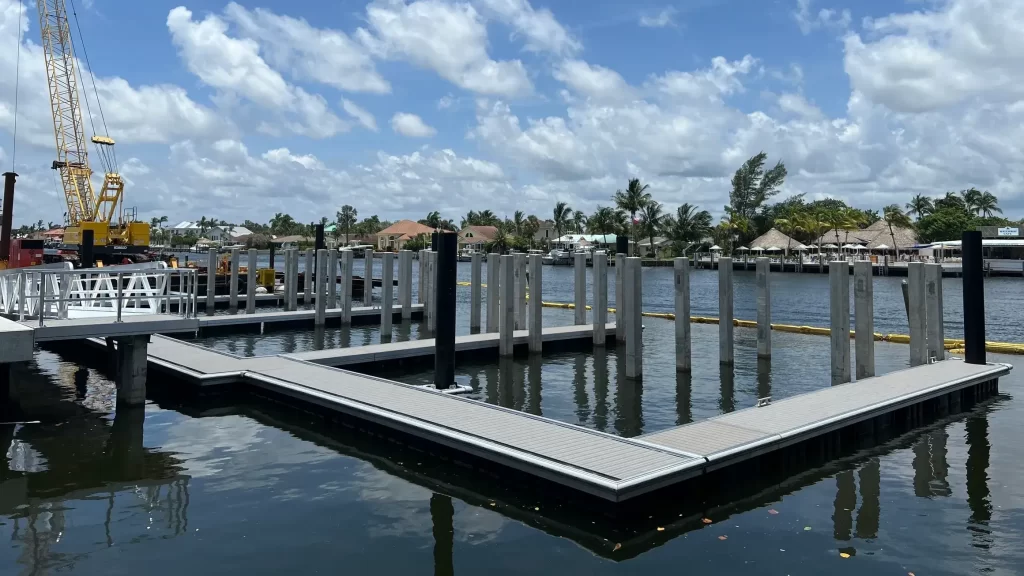
Docks and piers may be fixed, floating, or a combination of both. Fixed structures are often preferred where vertical stability, heavy loading, or utility support is important. Floating docks are useful where water levels vary significantly or where user access to small craft is a priority.
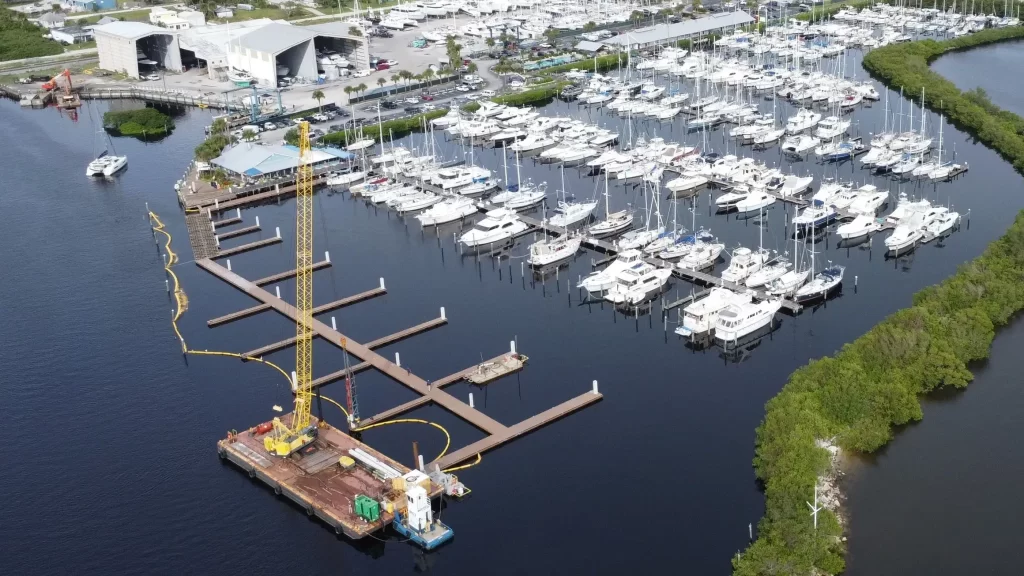
Designers should consider live loads, ADA access, gangway slopes, utility routing, fire protection, lighting, cleats, fenders, ladders, emergency access, and vessel movement. Floating systems require attention to flotation, anchorage, freeboard, connection hardware, and performance during storms.
Dredging and Sediment Management
Dredging may be required to create or maintain navigation depth, marina basins, berthing areas, or construction access. Dredging plans should address sediment characterization, disposal options, turbidity control, sequencing, and permit requirements. Where contaminated sediments are present, handling and disposal can become one of the most complex parts of the project.
Sediment management should also consider long-term maintenance. A basin that quickly shoals after construction may require frequent dredging, which can increase operating costs and complicate future permitting.
Maintenance and Lifecycle Management
Routine Inspection and Maintenance
Marine structures require regular inspection because deterioration often begins below the waterline or in hidden connections. Routine inspections should review piles, caps, bracing, decking, fenders, cleats, ladders, utilities, lighting, railings, sheet pile walls, tiebacks, drainage outlets, and signs of settlement or scour. Underwater inspections may be needed for critical structures or older facilities.
Maintenance should include tightening or replacing hardware, repairing damaged decking, cleaning drainage systems, replacing fender components, monitoring corrosion, repairing concrete spalls, maintaining coatings, and removing debris. Inspections after storms, vessel impacts, or unusual high-water events are especially important.
Technology and Monitoring
Digital tools are becoming more useful in marine asset management. Facilities can use inspection software, asset tags, drone imagery, sonar scans, corrosion monitoring, water level sensors, weather stations, and maintenance dashboards to track condition over time. These tools help owners move from reactive repairs toward planned maintenance and capital replacement.
Smart monitoring is especially valuable for high-use commercial facilities, public piers, ferry terminals, and marinas where downtime affects revenue or public service. Consistent records also help support insurance claims, regulatory reviews, and capital planning.
Long-Term Asset Planning
Marine infrastructure should be managed with a lifecycle mindset. Piles, coatings, fenders, decking, electrical systems, utility lines, gangways, and hardware all have different service lives. A long-term plan should identify expected replacement intervals, inspection frequency, capital reserve needs, and priority repairs.
Proactive maintenance usually costs less than emergency reconstruction. It also improves safety, reduces liability, protects revenue, and helps the facility remain useful as environmental and operational demands change.
Marine construction requires careful coordination between planning, engineering, environmental review, permitting, construction execution, and long-term maintenance. The most successful projects begin with a realistic understanding of site conditions and regulatory requirements, then use appropriate materials, proven construction methods, and disciplined safety practices to deliver durable waterfront infrastructure. By considering resilience, lifecycle cost, and environmental performance from the start, project teams can build marine facilities that serve owners, users, and surrounding waterways for decades.
PILE BUCK’S TOP RECOMMENDED MARINE CONSTRUCTION SERVICE PROVIDERS
About
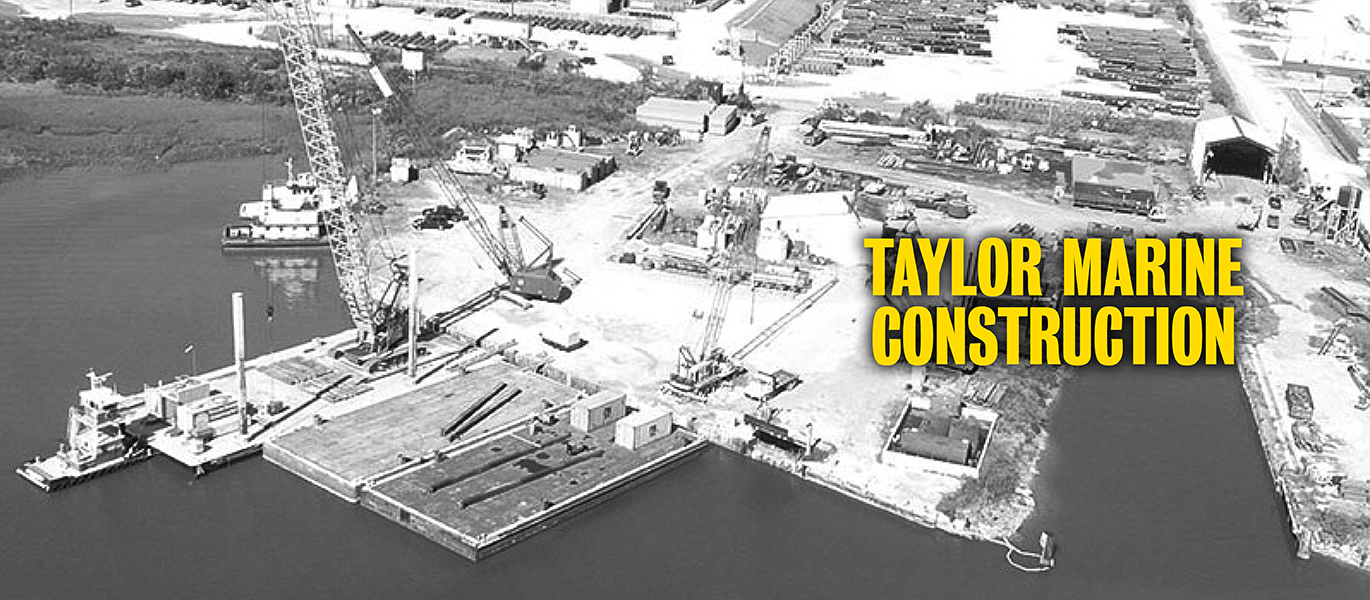
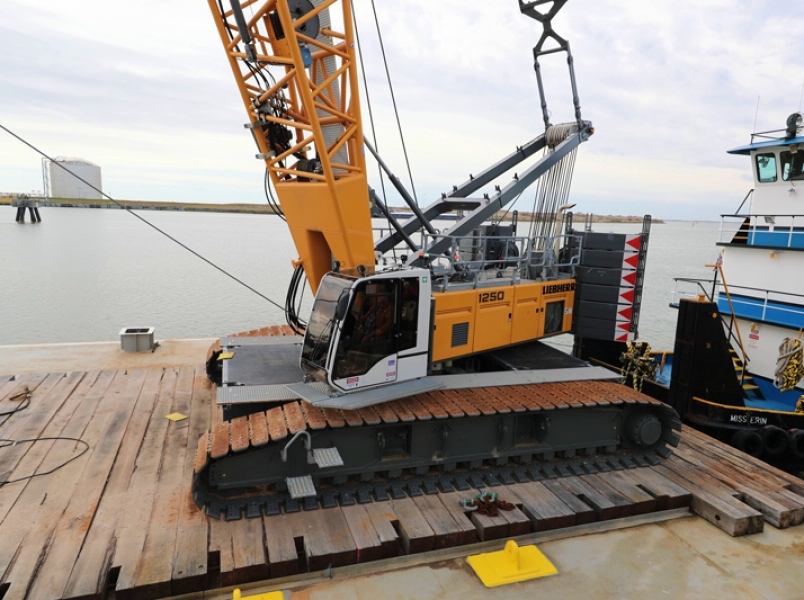
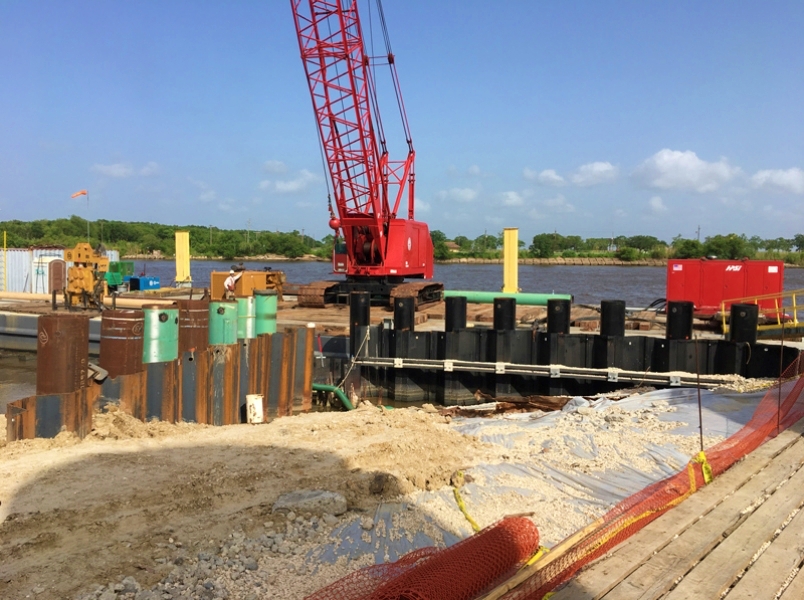
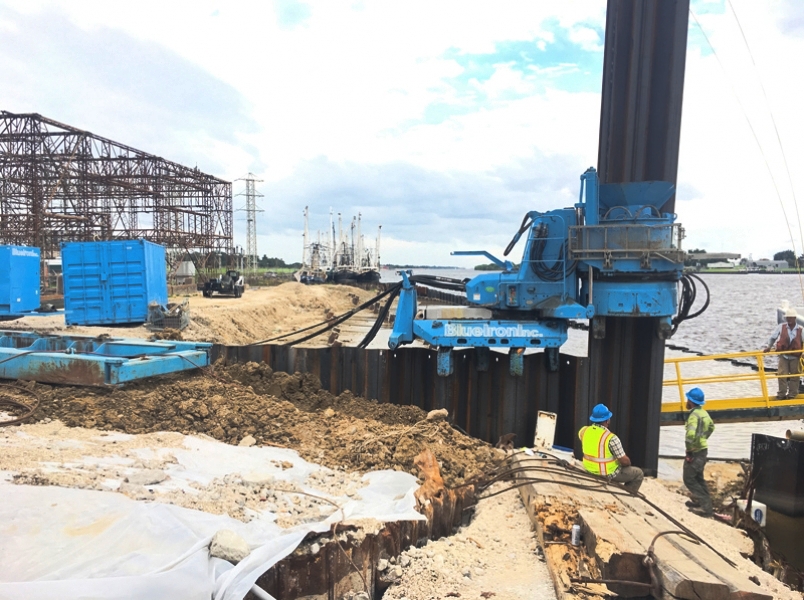
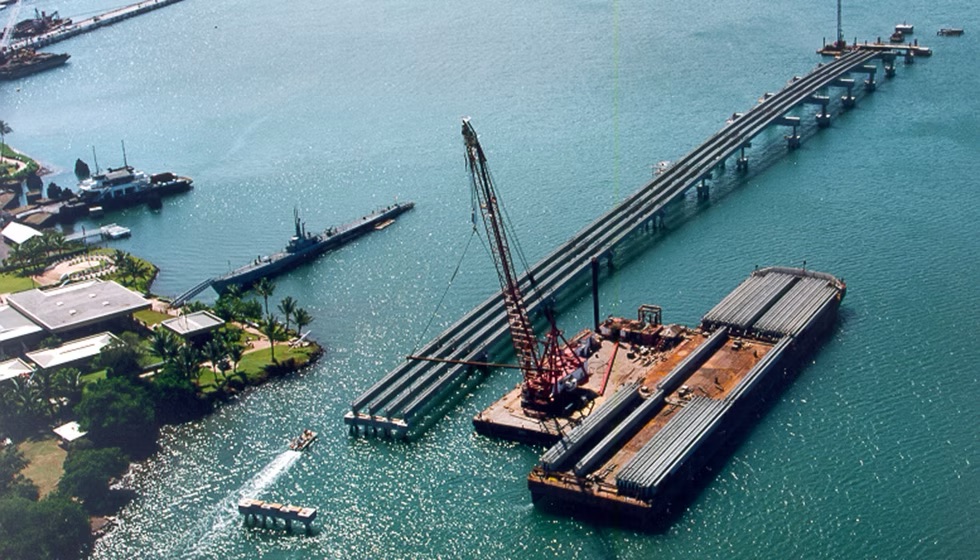
At Taylor Marine, we focus on providing cost effective, innovative solutions with hands-on management, giving each project personalized attention from start to finish. With us, you won’t feel like another project. Our mission is to safely deliver high-quality, efficient marine construction projects on time and on budget.
Julius Taylor, PE, President, graduated from the United States Naval Academy with a Bachelor of Science degree in Mechanical Engineering, subsequently serving in the Navy, specializing in Nuclear Propulsion, Surface Warfare and large ship operations. He is also a licensed captain, holding a Master of Steam or Motor vessel, Any Gross Tons-Oceans, with a towing endorsement, and a licensed professional engineer.
Unlike larger companies whose main goal is high volume work, Taylor Marine is able to provide cost effective & innovative solutions with hands-on management, giving each project personalized attention, start to finish. The company is owned and operated by engineers who use their strong foundation of technical knowledge to bring an innovative approach to projects, while upholding the highest of quality & safety standards.
Services
- Marine
- Mechanical Dredging
- Pile Driving
- Heavy Civil
- Steel Fabrication
- Barges
- Marine Cargo Loading
- Barge Haul Out
Taylor Marine Construction
About
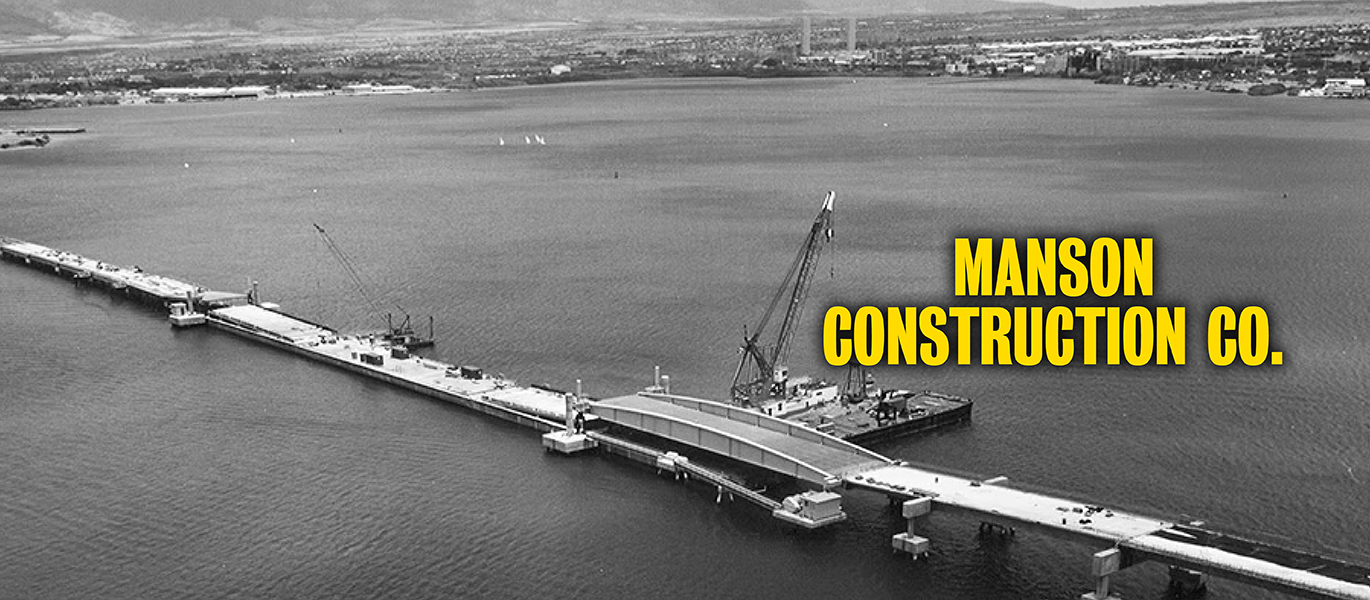
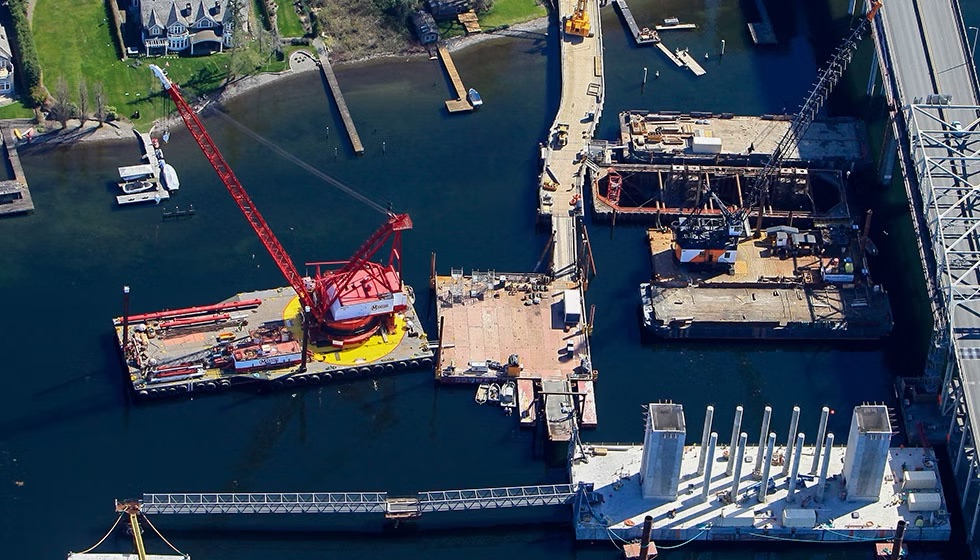
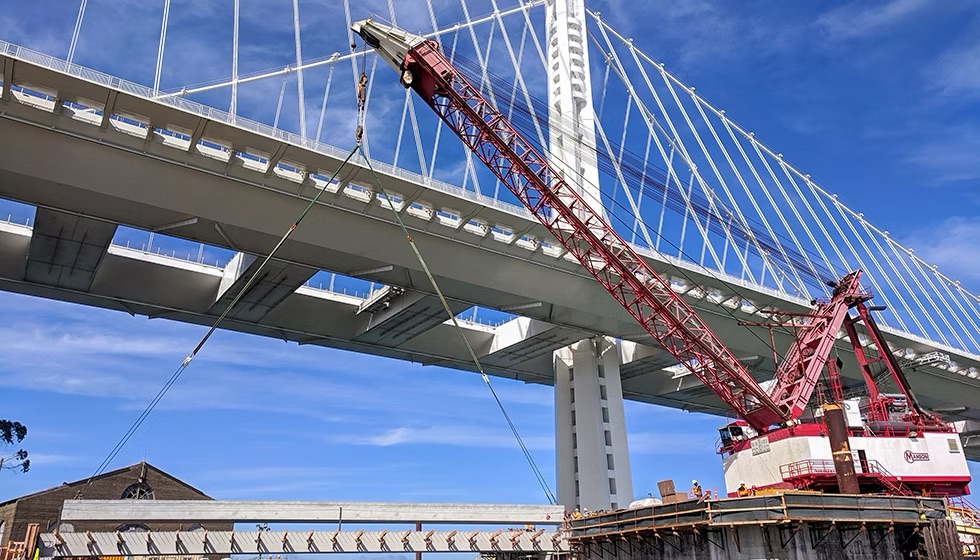
Manson Construction Co. was founded in 1905 as a small pile driving business supporting the early development of Seattle’s waterfront. Today, Manson’s legacy of quality marine services continues to grow at locations throughout North America.
We bring innovative solutions and engineering expertise to high-profile infrastructure and energy projects. With every job, Manson rises to the occasion to meet the ever-evolving, complex marine infrastructure needs of North America and the global community.
Services
- Marine Construction
- Dredging
- Offshore
- Heavy Lifts
- Fleet
Manson Construction Co.
About
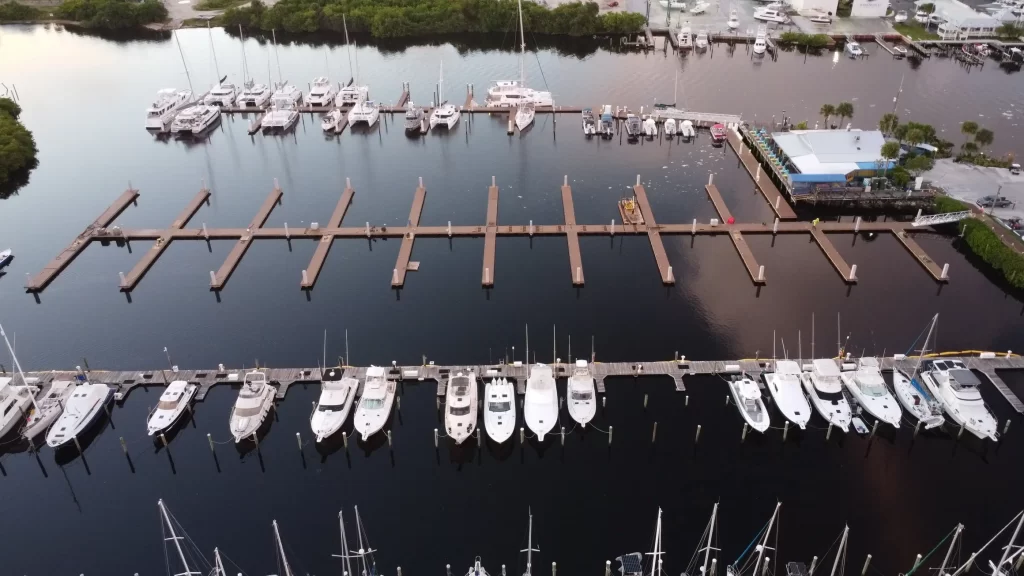
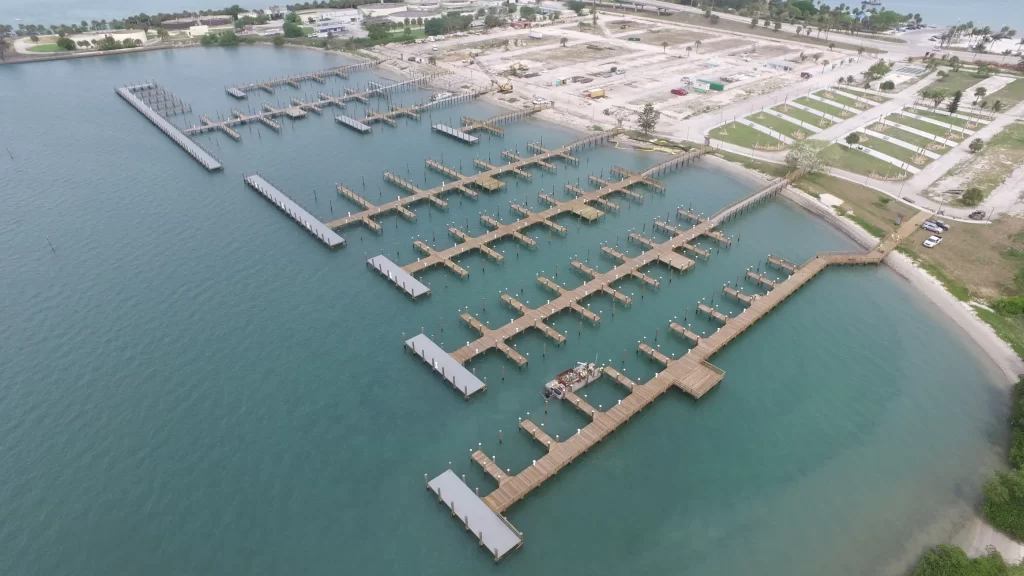
BCI is a local family owned and operated business with hundreds of years’ combined experience. We serve our customers, our employees, and our community with pride and the same care with which we treat our own homes and families. Our portfolio includes heavy, civil, and marine construction projects for both government and private entities. We offer the highest quality workmanship by experts at every level. From our general laborers to project managers, BCI’s staff are the best at what they do.
Capabilities
Brothers' Construction Inc.
About
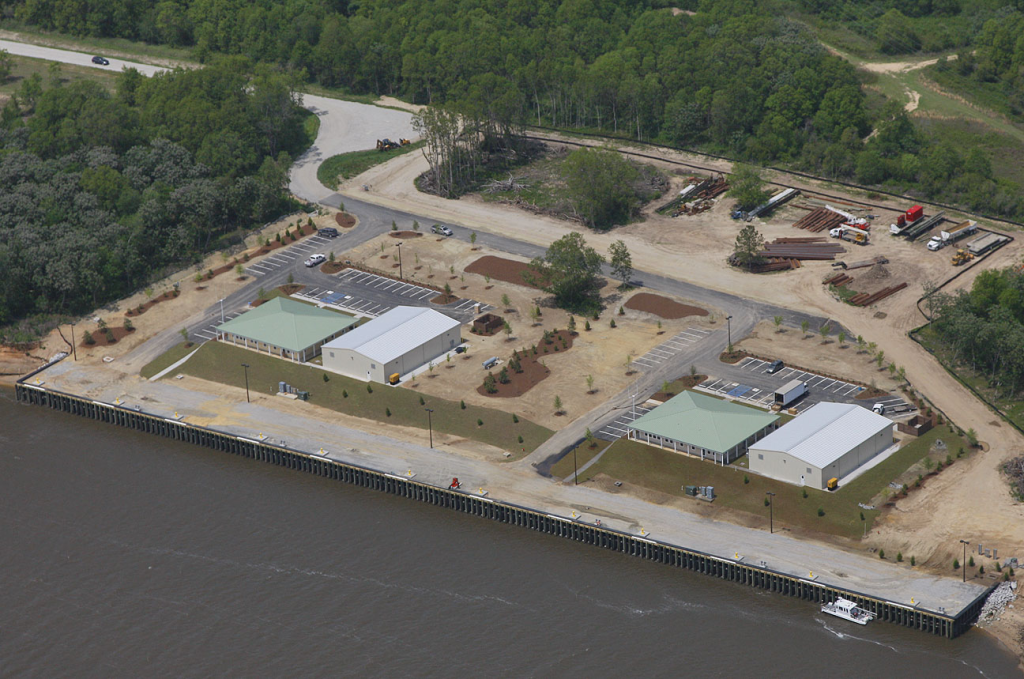
Myrick Marine is a full service marine contractor owning and operating one of the most extensive fleets of floating marine construction equipment in the southeastern United States. We are a family-run company that offers personal attention to clients, along with the ability to react at a moment’s notice – rare attributes in this industry. Committed to excellence, Myrick Marine combines over 36 years’ experience with a solid knowledge of the marine environment to provide unique solutions to our clients’ needs.
Established in 1988 to provide residential dock and seawall construction services, Myrick Marine has continued to grow in size and capability. Now with operations extending from northern South Carolina to Florida and the Bahamas, our company’s projects range in scale and complexity as we serve as both general contractor and sub contractor for a comprehensive array of marine services. We utilize the latest techniques and materials for projects such as floating crane service, barge service, marine and land pile supported structures, salvage, and heavy metal fabrication for a diverse client base covering both the public and private sectors.
Myrick Marine has become known for teamwork by partnering with leading engineering firms in the area to package turnkey projects with effective innovation and quality. Early on, we established a reputation for quality and fair dealing which in turn attracted sincere, capable employees. Our continued growth and success is the result of their consistency in providing high quality work to our clients. At Myrick Marine, it is our desire to complete our contracts efficiently, safely, and to the customer’s utmost satisfaction, as well as our own.
We are proud of the Myrick Marine Family including both our management and construction crews. They are the people who have built our most important asset – our reputation.
Services
- Commercial
- Dredge
- Equipment Charter / Rental
- Industrial
- Land Pile Driving
- Marinas
- Residential
- Salvage
- Shore Protection
- Towing