



Environmental Perception vs Engineering Reality: Timber Use in Modern Marina Design
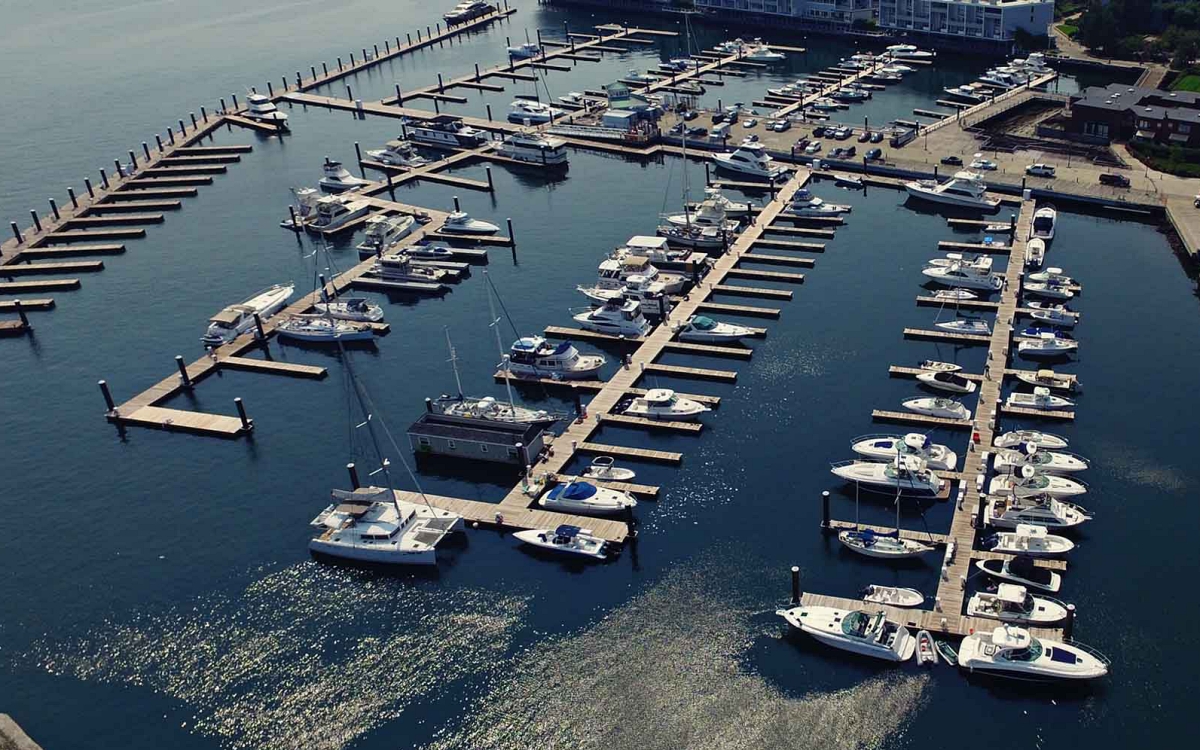
In marina design material choice shapes not only performance and longevity but also how people think about environmental impact. Timber has a long history in waterfront structures yet often faces perception challenges because of misconceptions about chemical treatments and water quality effects. In reality, modern timber materials used in marine settings are governed by strict engineering standards and environmental regulations that balance durability with ecological responsibility. Understanding both perception and engineering reality helps marina owners and engineers make better decisions for projects that need resilience and sustainability.
Understanding Pressure Treatment Standards
What Pressure Treatment Means For Marine Timber
Pressure treatment is the process of forcing preservative chemicals deep into wood fibers to protect timber from decay, rot, insects and marine borers. Engineers specify treated timber based on rigorous standards that define not only the preservatives used but also how deeply and uniformly they penetrate the wood. The American Wood Protection Association (AWPA) Standard U1 outlines how treated wood must be manufactured so it performs as expected in different environments. These standards specify a “Use Category” that ties preservative retention levels to exposure conditions, ensuring the material will withstand the harsh cycles of wetting and drying common in waterfront structures. For marine applications, specific treated wood categories reflect resistance to biological threats and moisture exposure that might otherwise rapidly degrade untreated timber.
Saltwater Versus Freshwater Treatment Requirements
One reason many people assume treated wood is problematic in nature is that they do not see how treatment specifications differ based on environment. Wood in fresh water does not face the same conditions as wood in brackish or saltwater environments where marine borers and high salinity increase decay risk. Standards guide engineers to select materials with the right retention levels tailored to these risks. When timber used in marina environments meets or exceeds these specifications it performs well without undue environmental stress. By following established treatment categories, designers ensure there is little risk from leaching or structural decay, and overall service life is maximized.
Service Life Expectations and Performance
Why Proper Specification Extends Lifespan
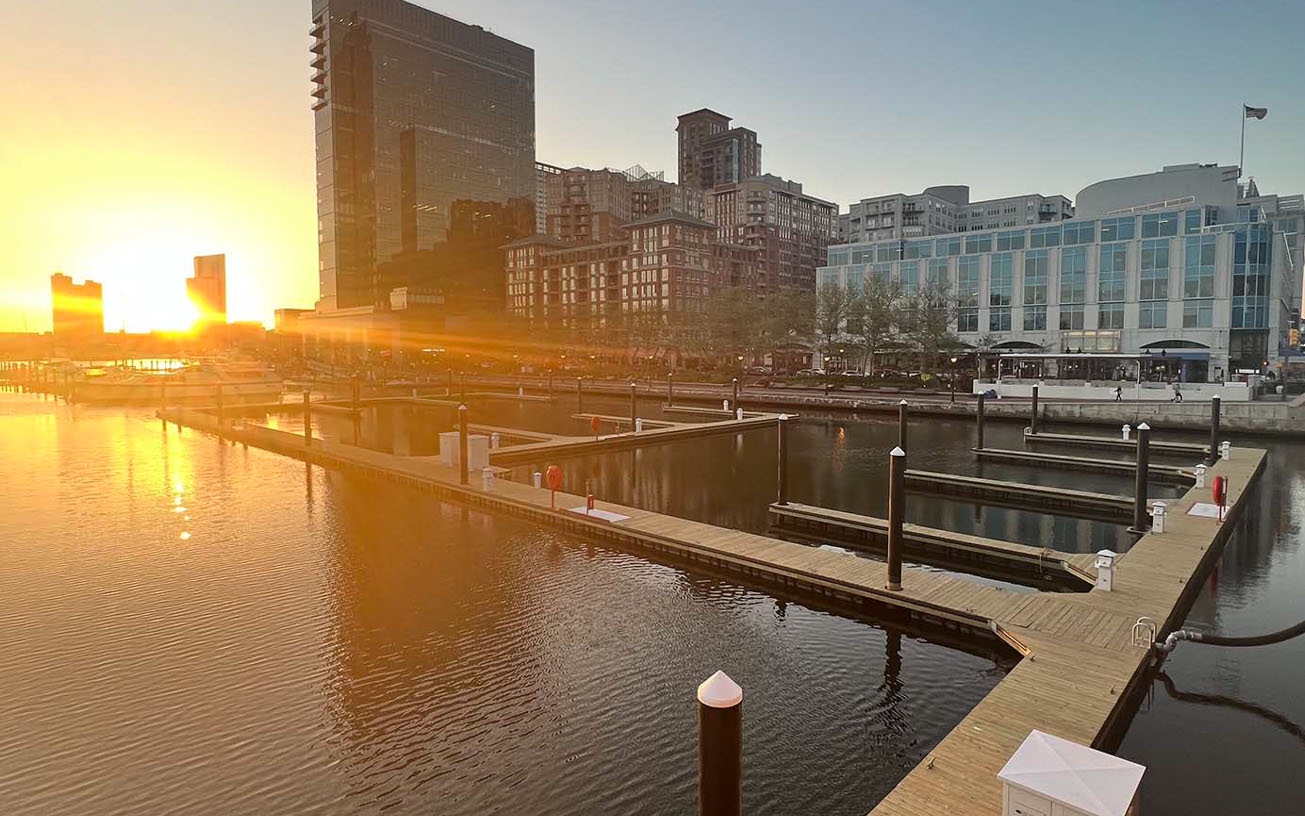
Timber that is treated and installed based on appropriate standards can remain serviceable for decades under marine conditions. Untreated wood in saltwater environments quickly deteriorates because of fungal decay, insect attack, and marine borer activity. Pressure treatment adds preservatives that dramatically slow this degradation. By specifying correct preservation levels and ensuring the quality of treatment, engineers can predict performance outcomes similar to alternative materials. What many miss is that this engineered approach is what separates successful timber use from early failure and reinforces the material’s reputation as a durable choice for floating docks, pilings, and over-water structural elements.
Maintenance and Inspection Reality
Some of the perception issues with timber arise because observers equate visible weathering with functional decline. In truth, surface aging and graying do not necessarily correlate with structural failure. Properly treated timber continues to perform even after changes in appearance. When engineers plan inspections and maintenance intervals based on accepted standards designers can anticipate when replacement or repairs are truly needed. This planned maintenance strategy avoids unnecessary replacements and helps control long-term costs while preserving ecological balance. Skilled inspection professionals play a role in confirming that treated timber systems remain fit for purpose throughout their design life.
Environmental Permitting and Regulatory Frameworks
How Environmental Agencies Assess Treated Timber
Environmental protection agencies like the United States Environmental Protection Agency and state regulators review preservatives and their use through formal registration and testing processes. Chemicals used in pressure treatment are evaluated for safety and performance before they may be marketed for use. In addition, disposal and handling guidelines exist to govern how treated wood is managed at the end of its useful life. Local permitting processes for marinas often require engineers to document that materials comply with environmental protection standards and do not pose undue risk. This regulatory involvement assures regulators and the public that properly treated timber can coexist with sensitive aquatic ecosystems.
Responsible Use and Best Practices
Best management practices encourage designers and builders to coordinate with treating facilities to confirm that timber products meet specifications for marine exposure. Independent inspections verify compliance with AWPA standards and help support permit approvals. By requiring third-party verification and quality marks recognized by accredited agencies, project teams can demonstrate due diligence in both environmental stewardship and structural design integrity. Responsible use means addressing specific site conditions rather than dismissing timber based on outdated assumptions about treatment chemicals.
Comparing Material Footprints
Carbon Life Cycle Perspective
Comparing timber to materials like concrete and aluminum highlights differences in embodied energy and environmental footprint. Concrete production requires substantial energy and emits significant greenhouse gases from cement manufacturing. Aluminum also has a high energy cost associated with refining and fabrication. Timber, when sourced from sustainably managed forests and used efficiently, represents a renewable resource with lower embodied carbon. While treatment adds chemicals, the process does not substantially increase the overall life cycle footprint when balanced against long service life. Thoughtful material selection considers these differences and places timber in a favorable light for many marina projects.
Waste and End of Life Impact
At the end of its structural life treated wood can be repurposed or disposed of responsibly. Regulations direct that treated wood not be burned in open fires because combustion can release toxic particulates. Instead, treated material that cannot be reused should be managed according to local landfill and reuse regulations. Understanding these end-of-life practices helps designers and site owners plan for a full life cycle without harming the environment.
Effective marina design requires grounding decisions in engineering reality rather than outdated perceptions. Modern timber materials that meet approved treatment standards offer a durable and environmentally sound option for many waterfront applications. Properly specified and managed timber delivers longevity, predictable performance, and a smaller carbon footprint relative to some competing materials. By embracing verified practices and understanding regulatory frameworks, marina professionals can confidently select timber where appropriate and help counter misconceptions based on myths rather than data. Within this context, materials like marine grade treated timber continue to earn their place as reliable, sustainable components of modern marina infrastructure.
Is pressure-treated timber safe for marine environments?
Yes, properly treated timber meets engineering and environmental standards to resist decay, marine borers, and water exposure.
How long can modern timber marina systems last?
Correctly specified and maintained timber can remain serviceable for decades under marine conditions.
