






Selecting Marine Fenders for Wharf and Dock Protection in Coastal Piling Projects
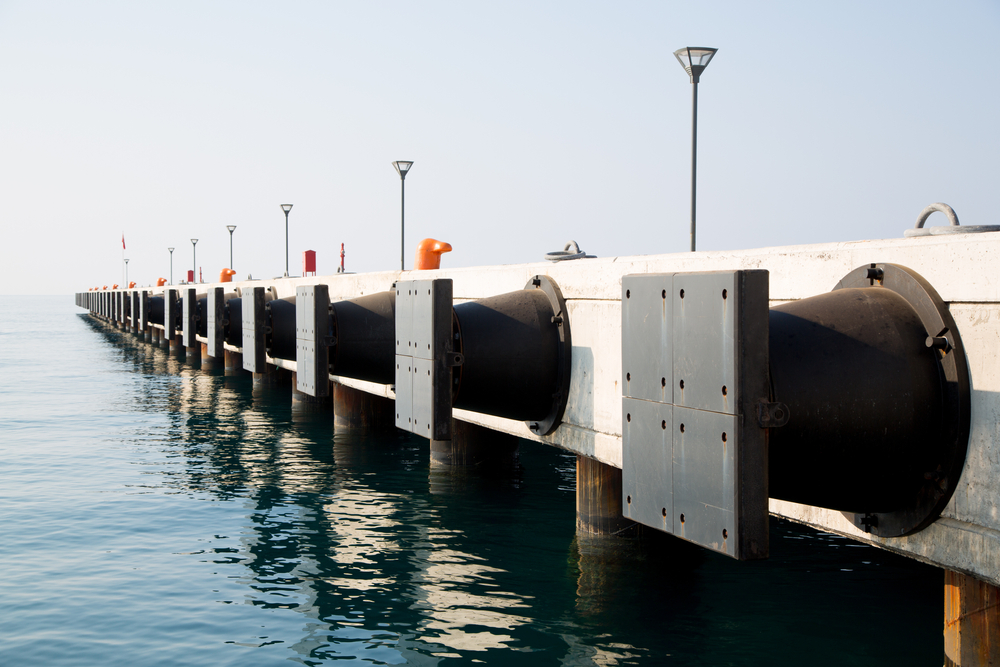
Marine fender systems play a critical role in protecting wharves, docks, and pile-supported waterfront structures from repeated vessel impacts. In coastal piling projects, fender selection is not simply an accessory decision but a structural consideration that influences long-term performance, maintenance costs, and operational safety. Choosing the correct fender type requires an understanding of vessel behavior, energy absorption demands, environmental exposure, and how loads are transferred into piles and supporting structures.
The Role of Marine Fenders in Coastal Infrastructure
Marine fenders act as the primary interface between vessels and fixed marine structures. When ships berth, moor, or maneuver alongside a dock or wharf, fenders absorb kinetic energy and limit reaction forces transmitted to piles, caps, and deck systems. In coastal environments, where tidal ranges, currents, and wave action are often significant, these systems must perform reliably under dynamic and repetitive loading conditions.
Without adequate fendering, impact loads can cause cracking in concrete piles, deformation of steel piles, loosening of timber connections, and progressive damage to pile caps and deck framing. Well-designed marine fender systems reduce these risks by controlling deflection, spreading loads across multiple piles, and minimizing localized stress concentrations.
Understanding Berthing Energy and Vessel Behavior
Calculating Berthing Energy in Marine Design
Berthing energy is the fundamental parameter used to size marine fenders. It is influenced by vessel mass, approach velocity, berthing angle, and hydrodynamic factors such as added mass. Design guidance for berthing energy is commonly based on internationally recognized port and harbor engineering standards, which provide conservative formulas to account for real-world operating conditions.
In coastal piling projects, berthing energy calculations must reflect not only typical vessel sizes but also occasional larger ships, barges, or service vessels that may use the facility. Underestimating berthing energy often leads to undersized fenders that bottom out or transmit excessive forces to pile foundations.
Effects of Wind, Waves, and Currents
Environmental forces significantly affect vessel motion during berthing. Crosswinds, longshore currents, and wave-induced surge can increase contact energy and alter impact locations along a wharf face. Fender systems in exposed coastal locations must tolerate oblique impacts and repeated loading cycles without permanent deformation or loss of performance.
Designers often specify more robust marine fender systems in these conditions to ensure reliable energy absorption even during adverse weather events or high-traffic periods.
Common Marine Fender Types Used on Wharves and Docks
Cylindrical and Rubber Fender Systems
Cylindrical rubber fenders are widely used on wharves due to their simple geometry, durability, and predictable load-deflection behavior. These systems distribute loads evenly along the pile line and are suitable for a wide range of vessel sizes. Their performance is well documented, making them a common choice for general cargo docks and service piers.
Rectangular and D-shaped fenders are also frequently installed where flat mounting surfaces are required. Their geometry allows secure attachment to pile caps, steel frames, or timber walers while providing consistent reaction force control.
Foam Filled and Floating Fender Solutions
Foam filled fenders are often selected for facilities serving larger vessels or areas with significant tidal variation. These fenders float with the water level, maintaining effective contact regardless of tide. Their internal energy-absorbing core and tough outer skin provide reliable performance with minimal maintenance.
Floating fender systems are commonly paired with pile-supported guide structures to manage horizontal loads while accommodating vertical vessel movement.
Tire and Specialty Fender Applications
Recycled tire fenders remain in use at many industrial docks and temporary marine facilities. While cost-effective, their energy absorption characteristics are less predictable than engineered rubber or foam systems. Specialty fenders, such as cone or cell-based profiles, are typically reserved for high-energy berths and heavy commercial traffic where precise load management is required.
For contractors and engineers evaluating available options, suppliers that offer a broad range of marine fender systems can support better alignment between project requirements and fender performance characteristics.
Structural Integration With Pile Supported Systems
Load Transfer Into Piles and Caps
Marine fenders do not function independently. Their reaction forces are transferred into piles, walers, pile caps, and deck framing. If these supporting elements are not designed to accommodate fender loads, structural damage can occur even when the fender itself performs as intended.
Proper detailing ensures that loads are distributed across multiple piles and that connections allow controlled movement without overstressing fasteners or welds. In steel pile systems, corrosion protection at attachment points is particularly important to maintain long-term capacity.
Timber, Steel, and Concrete Compatibility
The material composition of the wharf or dock influences fender selection. Timber structures often rely on waler systems that spread loads along the pile face, while concrete wharves may use embedded anchors or cast-in hardware. Steel structures typically require welded or bolted frames designed to accommodate fender deflection.
Compatibility between fender stiffness and structural flexibility is essential. Overly stiff fenders can transfer excessive forces into brittle concrete elements, while overly soft systems may allow excessive vessel movement.
Durability and Maintenance in Coastal Environments
Resistance to Corrosion and UV Exposure
Coastal marine environments are harsh. Saltwater exposure accelerates corrosion of steel components, while ultraviolet radiation degrades certain elastomers over time. Fender materials must be selected with these conditions in mind to ensure consistent performance throughout the design life.
High-quality rubber compounds, protective coatings, and corrosion-resistant hardware are commonly specified to reduce long-term maintenance requirements.
Inspection and Replacement Considerations
Marine fenders are subject to wear from repeated vessel contact. Regular inspection is necessary to identify cracking, delamination, or loss of resilience. Systems that allow modular replacement of individual fender units offer operational advantages by reducing downtime and repair costs.
Selecting standardized fender profiles with readily available replacement components simplifies long-term asset management for port authorities and facility owners.
Aligning Fender Selection With Project Lifecycle Goals
Marine fender selection should align with the operational demands and lifecycle expectations of the facility. Temporary construction docks may prioritize cost and rapid installation, while permanent wharves require long-term durability and predictable performance. Understanding traffic patterns, vessel mix, and future expansion plans helps ensure that fender systems remain adequate as operational demands evolve.
Contractors and designers who work with experienced marine suppliers offering comprehensive dock protection solutions are better positioned to balance performance, constructability, and lifecycle cost considerations.
Selecting marine fenders for wharf and dock protection in coastal piling projects is a critical design decision that directly affects structural longevity and operational safety. By understanding berthing energy, environmental forces, structural integration, and long-term maintenance needs, project teams can specify fender systems that protect both vessels and pile-supported infrastructure. Thoughtful selection ensures that coastal marine facilities perform reliably under demanding conditions while minimizing repair and replacement costs over time.
Why are marine fenders important for pile-supported docks?
Fenders absorb vessel impact energy and reduce forces transmitted to piles, caps, and deck structures.
How do environmental conditions affect fender selection?
Wind, waves, currents, and tidal changes influence berthing energy, requiring fenders designed for dynamic, repeated loads.
