

Large-Diameter Steel Pipe Piles: Applications in Harbor and Bridge Foundation Work
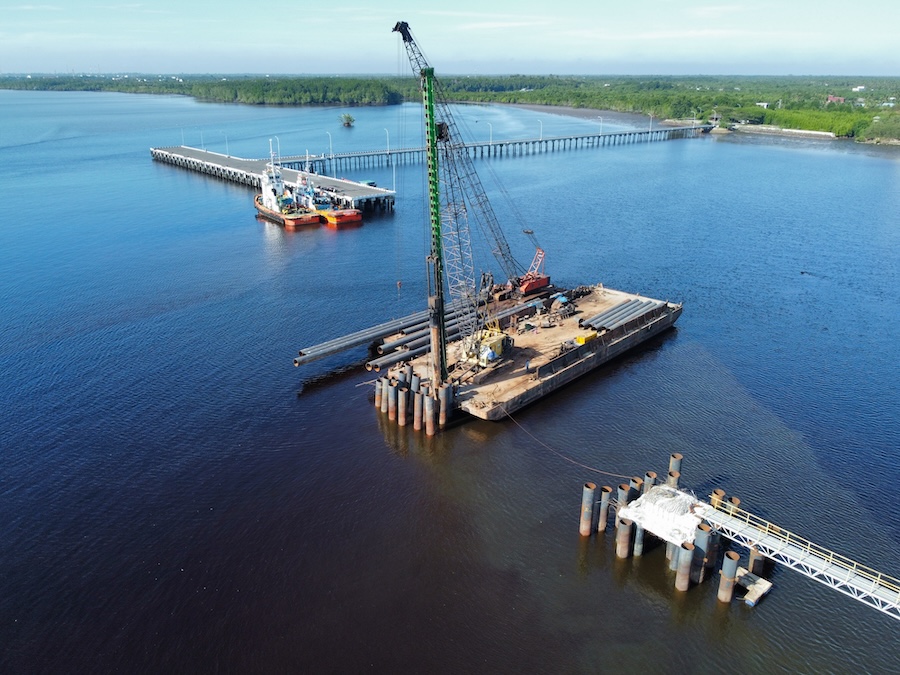
Large-diameter steel pipe piles play a critical role in modern marine and transportation infrastructure. As harbor facilities expand to accommodate larger vessels and bridges are built to span wider waterways, foundation systems must resist heavy vertical loads, lateral forces, and harsh environmental exposure. Steel pipe piles with large diameters are widely used because they provide high load capacity, predictable structural behavior, and long-term durability in demanding coastal and riverine conditions.
Role of Large-Diameter Steel Pipe Piles
Structural Capacity and Load Transfer
Large-diameter steel pipe piles are designed to transfer axial and lateral loads from superstructures into deeper, more competent soil or rock layers. Their large cross-sectional area increases axial capacity through a combination of end bearing and skin friction. In bridge foundations, this allows piles to support heavy deck loads and dynamic traffic forces. In harbor structures, the same capacity is required to support cranes, container stacks, and mooring loads from vessels.
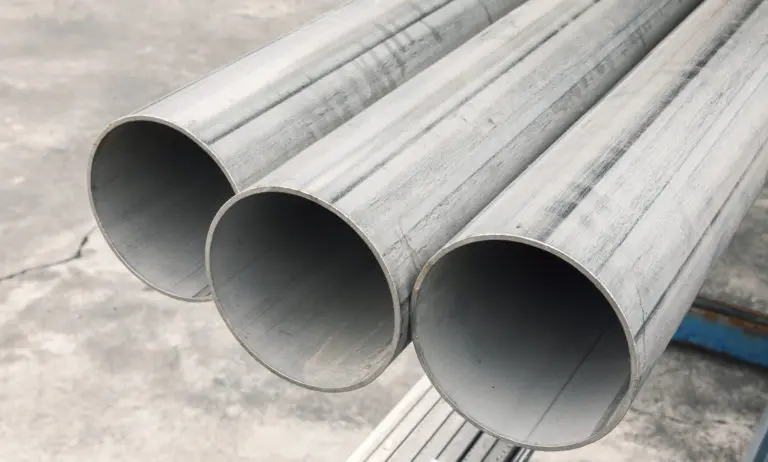
The stiffness of large-diameter piles also improves resistance to lateral forces caused by ship impact, wave action, currents, and seismic events. Engineers often specify diameters ranging from several feet to more than ten feet depending on project demands and subsurface conditions.
Common Harbor Applications
Port Wharves and Piers
In port and terminal construction, large-diameter steel pipe piles are frequently used to support wharves and piers that must carry heavy equipment and concentrated loads. Modern container terminals rely on piles that can handle both vertical loads from cranes and lateral loads from berthing vessels. Steel pipe piles are well suited for these structures because they can be driven or drilled to precise depths and cut off at accurate elevations.
Harbor projects often require piles that can be filled with concrete after installation to further increase stiffness and corrosion resistance. This composite behavior improves performance under cyclic loading and extends service life in aggressive marine environments.
Dolphins and Mooring Structures
Mooring dolphins and breasting dolphins are isolated structures used to guide and secure vessels. These elements are typically exposed to significant lateral loads during berthing operations. Large-diameter steel pipe piles provide the rigidity needed to resist impact forces while maintaining manageable deflections. Their circular shape also helps distribute stresses evenly, reducing localized damage during vessel contact.
Bridge Foundation Applications
Deep Foundations in Soft Soils
Bridges constructed over rivers, estuaries, and coastal inlets often encounter soft or variable soils near the surface. Large-diameter steel pipe piles can bypass weak layers and transfer loads to deeper strata with higher bearing capacity. This makes them a reliable option where shallow foundations are not feasible.
Because steel pipe piles can be installed to great depths, they are commonly used for bridge piers in wide waterways. Their performance is well documented in long-span bridge projects where foundation reliability is essential to overall structural safety.
Scour and Hydraulic Considerations
Scour is a major design concern for bridge foundations exposed to flowing water. Large-diameter steel pipe piles offer advantages in scour-prone environments because they can extend well below anticipated scour depths. This helps maintain structural stability even during extreme flood events.
Engineers often combine pile foundations with protective measures such as riprap or articulated concrete mats to further reduce scour risk. The ability to source consistent, high-quality pipe from established structural steel pipe suppliers supports these designs by ensuring predictable material properties.
Installation Methods and Equipment
Driven Pipe Piles
Driving large-diameter steel pipe piles is a common installation method in both harbor and bridge projects. Impact hammers and vibratory hammers are used depending on soil conditions and project constraints. Driven piles benefit from soil densification around the pile, which can increase load capacity in granular soils.
Installation monitoring is critical to confirm that piles achieve the required resistance. Driving records and dynamic testing are often used to verify performance during construction.
Drilled and Socketed Installations
In some cases, large-diameter steel pipe piles are installed using drilled methods, particularly where noise and vibration must be minimized. Drilled shafts may be socketed into rock to provide high end-bearing capacity. Steel pipe casings are often used to stabilize boreholes during drilling and can become part of the permanent foundation.
This approach is common in urban bridge projects or environmentally sensitive harbor areas where traditional driving may not be acceptable.
Durability and Corrosion Performance
Marine Exposure Challenges
Steel foundations in marine environments face continuous exposure to saltwater, oxygen, and biological activity. Corrosion protection is therefore a key consideration in the design of large-diameter steel pipe piles. Common strategies include increased wall thickness, protective coatings, and cathodic protection systems.
In many harbor projects, piles are filled with reinforced concrete after installation. This not only improves structural capacity but also limits internal corrosion by reducing oxygen and moisture exposure inside the pile.
Service Life Expectations
When properly designed and protected, large-diameter steel pipe piles can achieve service lives of several decades. Bridge and port authorities often select steel piles because their long-term performance is well understood and supported by extensive field data. Maintenance programs can further extend service life through periodic inspection and targeted repairs.
Design Standards and Engineering Practice
Codes and Specifications
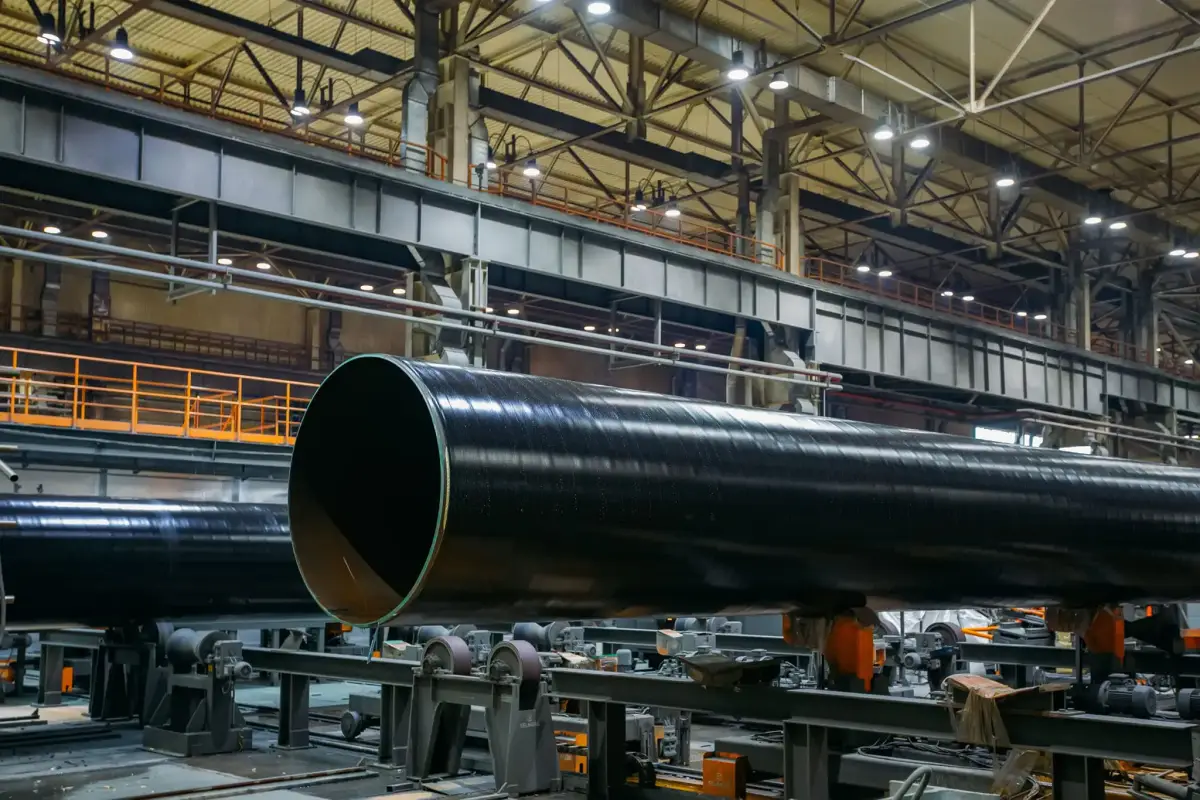
Large-diameter steel pipe pile design is governed by established standards used in bridge and marine construction. These standards address material properties, allowable stresses, load combinations, and environmental considerations. Engineers rely on these guidelines to ensure safety and consistency across projects.
Design also accounts for constructability, availability of materials, and transportation logistics. Access to reliable large-diameter steel pipe inventory can influence project schedules and overall cost efficiency.
Integration With Superstructure Design
Foundation design does not occur in isolation. Large-diameter steel pipe piles must integrate seamlessly with pile caps, piers, and deck systems. Load paths, tolerances, and connection details are carefully coordinated to achieve the desired structural behavior.
In harbor structures, pile layouts are often optimized to support crane rails and deck slabs while allowing for future expansion. In bridge projects, foundation alignment is critical to maintaining geometry and load distribution across spans.
Long-Term Performance in Infrastructure Projects
Large-diameter steel pipe piles remain a preferred solution for harbor and bridge foundation work because they combine strength, adaptability, and proven durability. Their ability to perform under heavy loads, resist lateral forces, and withstand harsh environmental conditions makes them a cornerstone of modern marine and transportation infrastructure.
As ports and bridges continue to grow in scale and complexity, the role of these foundation systems will remain essential. With proper design, installation, and material selection, large-diameter steel pipe piles provide a dependable foundation for structures that must perform reliably for generations.
What are large-diameter steel pipe piles used for?
They support bridges, wharves, piers, and dolphins by transferring heavy axial and lateral loads to deeper, stable soil or rock.
How do large-diameter steel pipe piles resist corrosion in marine environments?
They use protective coatings, cathodic protection, and concrete infill to limit steel exposure to water and oxygen.
