

Guide to Selecting Steel Products for Diverse Marine Construction Projects
Marine construction projects demand steel products that can perform reliably in harsh, corrosive environments while supporting heavy structural loads and long service lives. From ports and bridges to seawalls and offshore platforms, selecting the right steel materials plays a critical role in ensuring safety, durability, and cost efficiency. Understanding how different steel products perform under marine conditions allows engineers, contractors, and project owners to make informed decisions that align with project requirements and environmental challenges.
Understanding Marine Construction Requirements
Marine environments introduce challenges that are rarely present in land-based construction. Constant exposure to water, fluctuating tides, salinity, and biological growth accelerates corrosion and material fatigue. Steel selected for marine use must meet structural demands while resisting deterioration caused by these conditions.
In many projects, steel components are required to perform both load-bearing and containment functions. Piles, sheet systems, and structural members often form the backbone of marine infrastructure. Choosing steel products designed for marine exposure helps reduce maintenance needs and extends asset life, making material selection a foundational step in project planning.
Common Steel Products Used in Marine Construction
Steel products used in marine construction vary widely depending on application, site conditions, and structural demands. Each product type offers distinct performance characteristics that suit specific project needs.
Steel Sheet Pile Systems
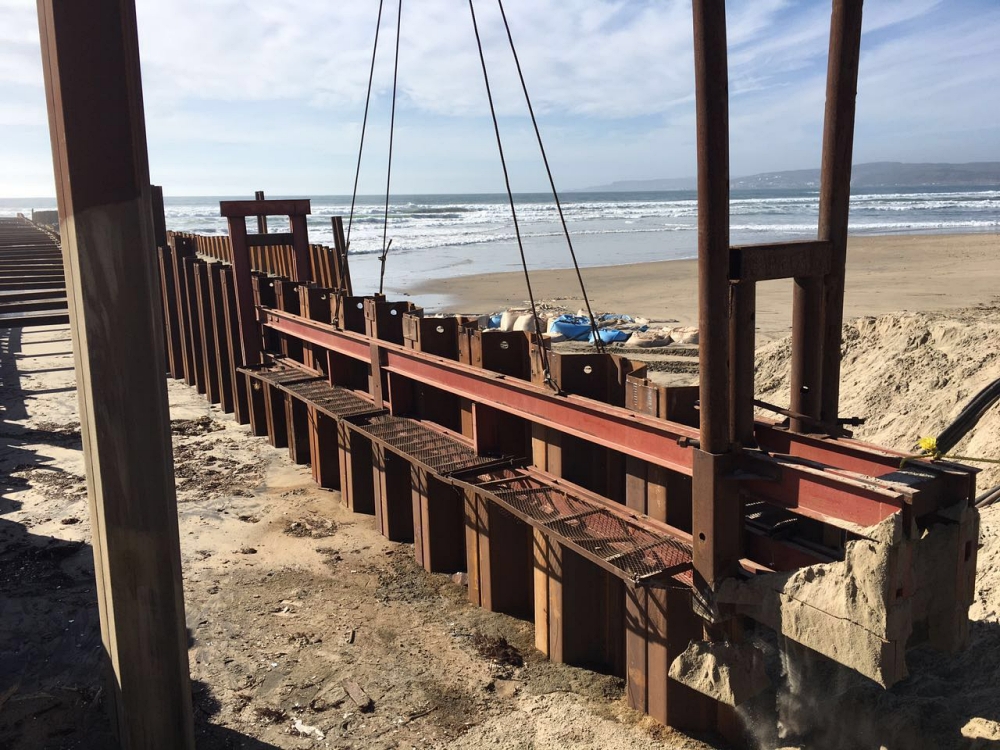
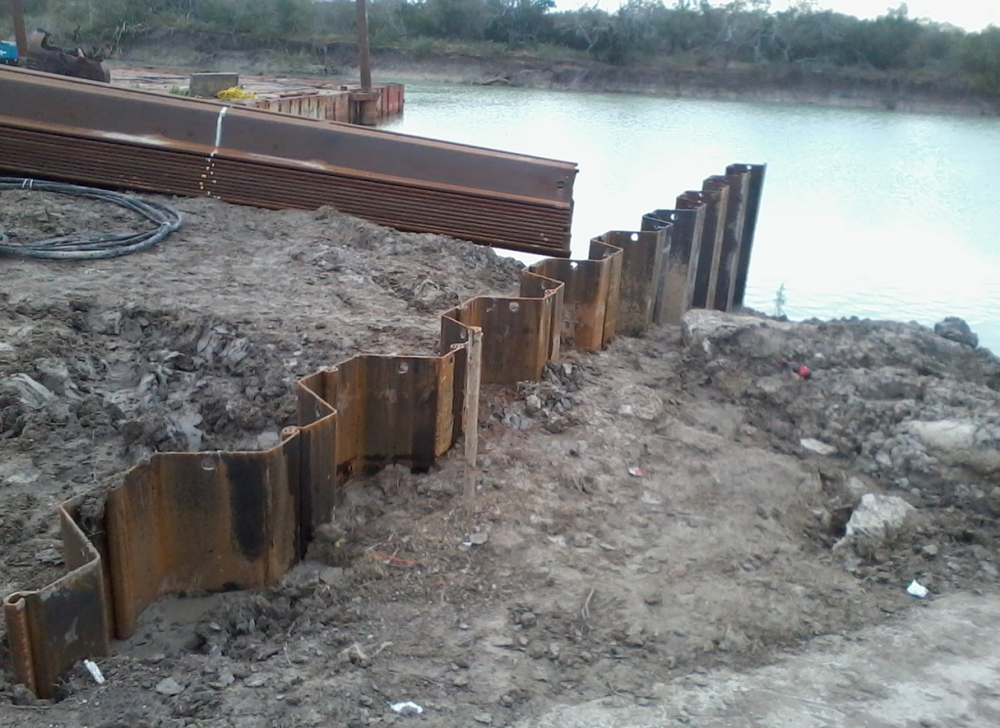
Steel sheet piles are widely used for retaining walls, cofferdams, seawalls, and bulkheads. Their interlocking profiles allow them to form continuous barriers that retain soil and water while providing structural stability. These systems are particularly effective in waterfront construction where space is limited and soil conditions are variable.
When selecting sheet pile systems, designers consider factors such as section modulus, interlock integrity, and corrosion resistance. Projects in saltwater environments often rely on protective coatings or corrosion allowance strategies to ensure long-term performance. Engineers frequently reference proven steel sheet pile solutions when designing shoreline protection and marine retaining structures.
Structural Steel Sections and Plates
Structural steel beams, channels, and plates are essential for docks, piers, and bridge substructures. These components transfer loads from superstructures to foundations and must withstand dynamic forces from waves, vessels, and equipment.
Plate thickness, steel grade, and fabrication quality are key considerations. Marine projects often specify higher-grade steels to accommodate fatigue loading and environmental stress. Precision fabrication and proper detailing also play a role in minimizing corrosion-prone areas and improving inspection access.
Corrosion Resistance and Protective Measures
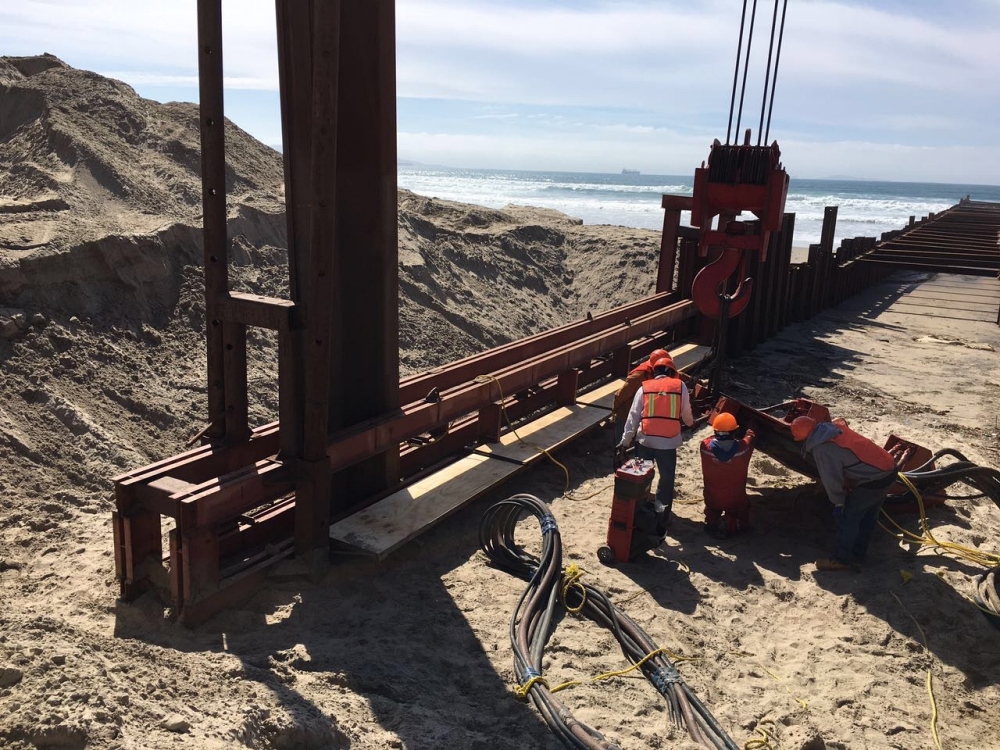
Corrosion remains one of the most significant threats to steel in marine construction. The presence of saltwater, oxygen, and moisture creates ideal conditions for accelerated material degradation. Selecting steel products with appropriate corrosion mitigation strategies is critical for achieving desired service life.
Protective coatings, cathodic protection systems, and corrosion allowances are commonly used approaches. Coatings provide a physical barrier between steel and the environment, while cathodic protection reduces electrochemical reactions that cause corrosion. In some applications, designers incorporate additional steel thickness to account for expected material loss over time.
Understanding how corrosion protection methods integrate with steel product selection allows project teams to balance upfront costs with long-term maintenance savings.
Load Capacity and Structural Performance
Marine structures are subject to complex loading conditions, including hydrostatic pressure, wave action, vessel impact, and thermal movement. Steel products must be selected based on their ability to withstand these forces without excessive deformation or fatigue.
Load calculations typically account for both static and dynamic forces. Steel piles and structural members must provide adequate strength while maintaining flexibility to absorb energy without cracking. Selecting products with appropriate yield strength and ductility ensures performance under variable marine conditions.
Designers often evaluate load capacity alongside constructability. Steel products that simplify installation can reduce project timelines and improve overall safety during construction.
Fabrication and Installation Considerations
Fabrication quality directly influences the performance of steel products in marine environments. Poor welds, misaligned components, or inconsistent coatings can create weak points that accelerate deterioration. Specifying steel products manufactured under strict quality controls helps mitigate these risks.
Installation methods also affect material performance. Driving piles, placing sheet systems, and assembling structural steel must be done with equipment and techniques suited to the selected products. Marine contractors often rely on proven marine-grade steel components that integrate smoothly with common installation practices.
In many projects, access to reliable marine steel products and fabrication expertise plays a key role in achieving consistent results. Using established steel solutions designed for marine construction can streamline both fabrication and installation processes.
Environmental and Regulatory Factors
Marine construction projects are often subject to environmental regulations that influence material selection. Steel products may need to meet specific standards related to durability, environmental impact, and recyclability. Steel’s ability to be recycled at the end of its service life is an advantage in environmentally conscious projects.
Regulatory agencies may also impose requirements related to water quality and habitat protection. Selecting steel products that support compliant construction practices helps minimize environmental disruption during installation and long-term operation.
Understanding local regulations and environmental conditions ensures that steel selection aligns with both project goals and regulatory expectations.
Matching Steel Products to Project Types
Different marine construction projects place unique demands on steel materials. Ports and harbors prioritize impact resistance and durability, while bridge foundations focus on load transfer and fatigue resistance. Offshore structures require steel products capable of withstanding continuous exposure to harsh marine conditions.
Seawalls and bulkheads often rely on steel systems that combine structural strength with long-term corrosion resistance. Docks and piers benefit from steel components that support modular construction and future expansion. Matching steel products to specific project types improves performance and reduces lifecycle costs.
Project teams frequently consult comprehensive steel product resources when evaluating options for complex marine applications.
Long-Term Maintenance and Lifecycle Planning
Selecting steel products for marine construction extends beyond initial installation. Long-term maintenance planning influences material choice and protective strategies. Steel products designed for ease of inspection and repair help reduce operational disruptions over time.
Lifecycle cost analysis often reveals that investing in higher-quality steel products and corrosion protection can lower total ownership costs. Reduced maintenance frequency and extended service life contribute to improved project economics and reliability.
For many marine projects, access to durable steel construction materials supports effective lifecycle management and long-term performance.
Final Thoughts on Steel Selection for Marine Projects
Selecting steel products for diverse marine construction projects requires a thorough understanding of environmental conditions, structural demands, and lifecycle considerations. From sheet pile systems to structural steel components, each product must be chosen based on verified performance characteristics and proven marine suitability.
By aligning steel selection with project requirements, corrosion protection strategies, and installation practices, marine construction teams can build resilient infrastructure that performs reliably over decades. Leveraging trusted steel product solutions and comprehensive material knowledge supports safer, more efficient, and more durable marine construction outcomes.
Steel sheet piles, structural sections, and plates with marine-grade corrosion protection are ideal for saltwater environments.
Using protective coatings, cathodic protection, and corrosion allowances extends steel service life in marine conditions. What types of steel are best for marine construction?
How can corrosion of steel in marine projects be prevented?
