






10 Hard Truths About Pile Driving in the Private and Public Sectors
View the complete article here.
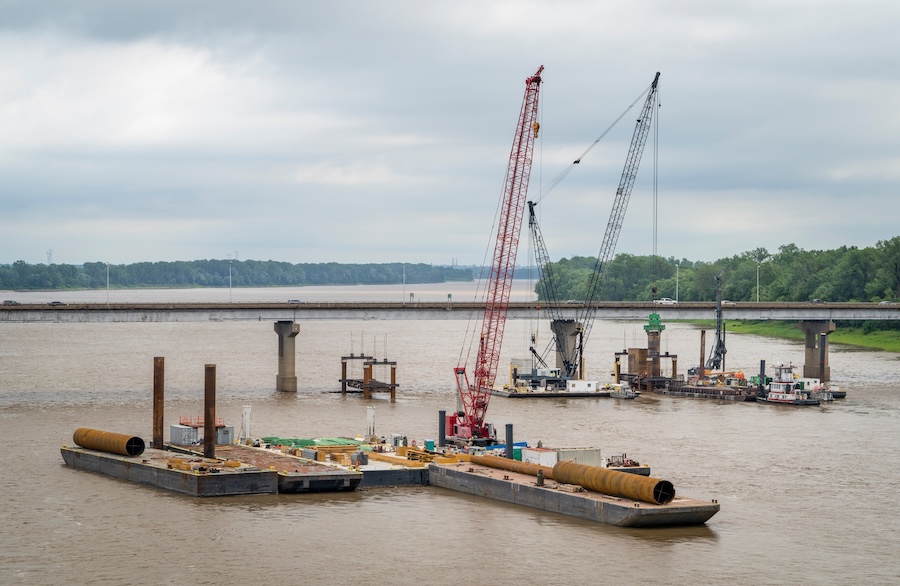
Pile driving may look the same on the surface—big hammers slamming steel or concrete deep into the ground—but the experience for contractors tends to change depending on whether the job is private or public. Private jobs often feel like a relentless sprint: tight budgets, brutal deadlines, and constant pressure to deliver fast. Public jobs move slower with more rules and red tape—but they usually bring steadier pay, longer timelines, and more predictable work over months or years. So, what else do you need to know?
1. Speed is Everything in Private Work
Private sector projects are typically completed much faster than comparable public ones—often by months or even years—because developers need buildings leased or sold quickly to start generating revenue and repay loans. Delays eat profits fast—so private jobs push aggressive schedules, overtime, and streamlined processes to hit occupancy dates.
2. Paychecks Look Very Different
Public sector jobs almost always require prevailing wages (higher hourly rates set by government rules, such as under the Davis-Bacon Act for federally funded projects), which can be 20–50% above local market pay to meet labor laws—while private jobs frequently rely on straight competitive wages that can drop during tough bidding to keep the overall price low.
3. Productivity Numbers Tell the Story
In private work, crews can drive a large number of piles—sometimes 100 or more—in a single week on a tight urban site because high productivity is the name of the game to meet short timelines. Public bridge or port jobs often take months for a similar volume due to phased approvals, inspections, environmental checks, and sometimes public meetings before full mobilization.
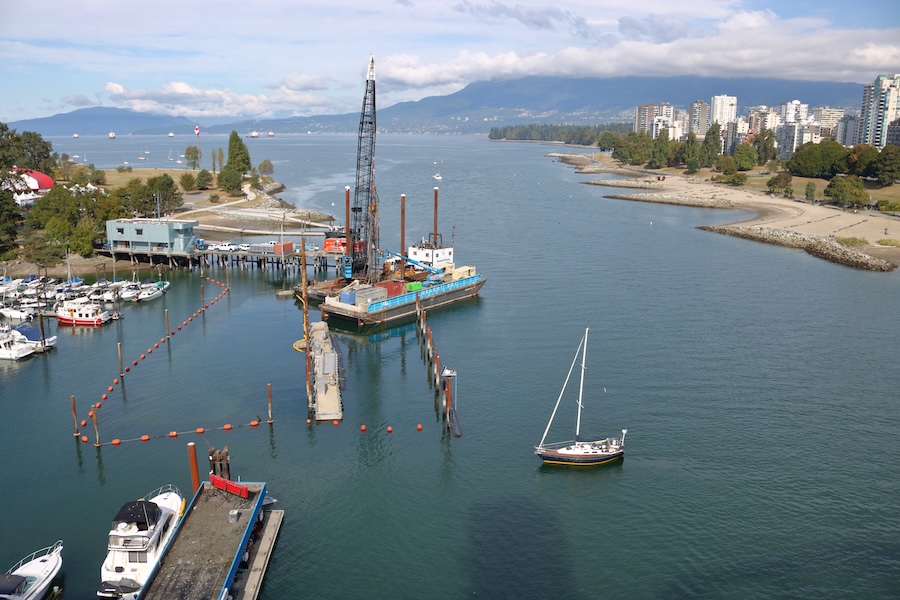
4. Neighbors Can Stop You Cold in Private Jobs
Vibration and noise complaints can halt private urban projects quickly—residents or businesses nearby can file complaints or pressure authorities to stop work in days, forcing contractors to switch to quieter methods or pause. Public jobs usually plan for more community outreach, noise studies, and built-in mitigation time from the start.
5. Public Work Gives You Staying Power
Public contracts often lock in multi-year or multi-phase work, giving steady backlog. Once you win a government-funded highway, bridge, or port expansion—the project can span years with follow-on phases, providing predictable revenue. Private jobs can disappear overnight if the developer’s financing collapses, market shifts, or the project gets shelved.
6. Tech Moves Faster on Private Sites
Private crews tend to adopt new low-vibration or hydraulic hammers sooner to win bids and reduce complaints. To stand out in competitive bidding and keep neighbors happy, private contractors invest in the latest tech more quickly. Public specs tend to require proven, agency-approved equipment and methods—so changes or new tools face longer review and approval processes.
7. Change Orders are Night-and-Day
Change orders in private work are usually smaller and faster to approve because developers want to keep momentum, so minor scope changes (extra piles, different depth) often get signed off in days. In the public sector—even small adjustments can require engineering re-evaluation, funding re-approval, or formal change-order processes that stretch weeks or months.
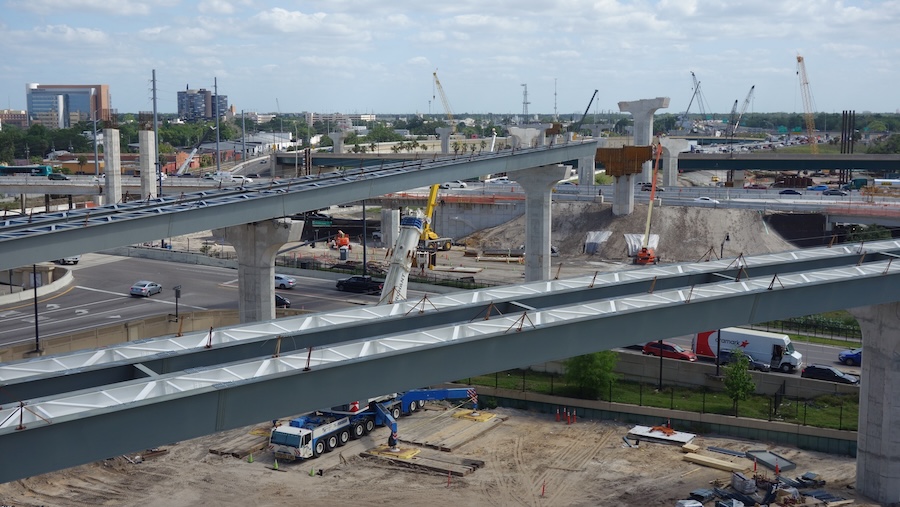
8. Paperwork Buries Public Projects
Public projects require far more documentation—daily logs, material certifications, third-party testing—often doubling admin time compared to private jobs because government oversight means every pile, weld, hammer drop, and soil test gets recorded in detail for audits and liability protection. Private jobs keep paperwork lighter unless the owner specifically demands it.
9. Profit Margins Reflect the Risk
Private margins are often very tight—frequently in the single digits—because intense competition drives contractors to bid aggressively, cutting overhead wherever possible. Public jobs typically include higher built-in allowances for overhead, profit, bonds, insurance, and prevailing wages—giving a bit more breathing room on the bottom line.
10. Weather Hits Harder in Private
Weather delays affect both sectors, but public contracts more often include built-in float and mechanisms for time extensions—government specs usually allow reasonable weather days without penalties. Private developers push crews to work through marginal conditions or face liquidated damages (daily fines) that can wipe out profits quickly.
View the complete article here.
What is the main difference between private and public pile driving projects?
Private projects emphasize speed, tight budgets, and flexibility, while public projects involve stricter regulations, more documentation, prevailing wages, and longer but steadier timelines.
Why do public pile driving jobs often take longer than private ones?
Public projects require extensive approvals, inspections, compliance documentation, and formal change-order processes that slow progress compared to faster private-sector decision-making.
