

5 Benefits of Choosing Vinyl Seawalls for Long-Term Coastal Protection
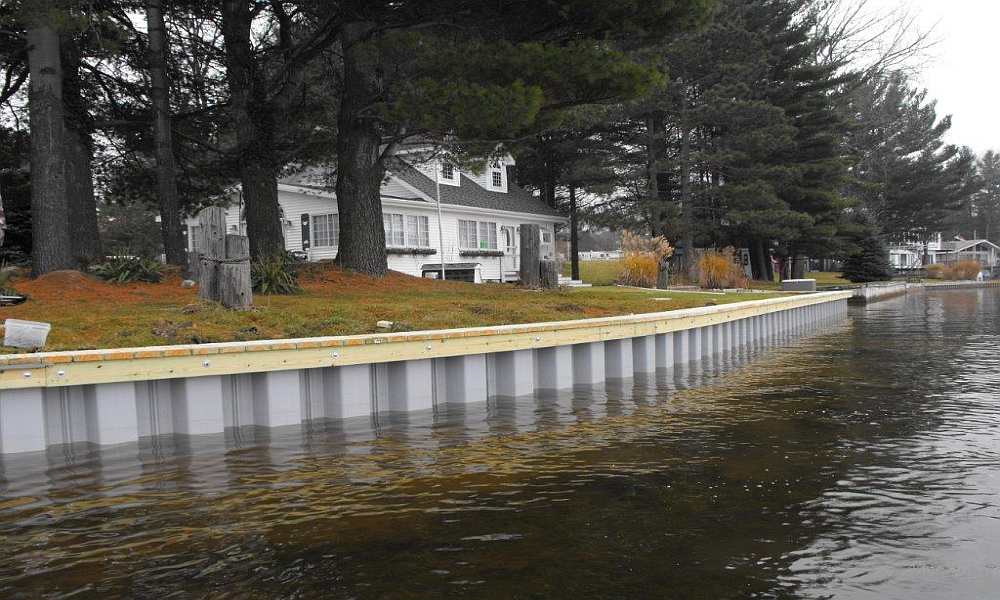
Coastal infrastructure faces constant pressure from erosion, fluctuating water levels, and harsh environmental exposure. As shoreline development expands and climate-driven impacts increase, property owners and engineers continue to evaluate materials that deliver long-term durability with manageable lifecycle costs. Vinyl seawalls have become a widely adopted solution across residential, commercial, and marine construction projects due to their performance in aggressive waterfront conditions and their ability to reduce long-term maintenance demands.
Durability, Longevity, Environmental Performance
Resistance to Rot, Corrosion, and Marine Borers
One of the primary benefits of vinyl seawalls is their inherent resistance to the biological and chemical degradation that commonly affects traditional materials. Unlike timber systems that can rot or attract marine borers, vinyl does not provide a food source for organisms such as shipworms or gribbles. Steel systems, while strong, are vulnerable to corrosion in saltwater environments without extensive protective coatings or cathodic systems.
Vinyl sheet piling is manufactured from rigid PVC compounds designed to withstand prolonged exposure to moisture, salinity, and ultraviolet radiation. This resistance allows vinyl seawalls to maintain structural integrity for decades when properly designed and installed. Many coastal projects select modern vinyl seawall systems as a way to reduce the risk of premature failure caused by corrosion or biological attack, particularly in tidal zones and brackish waterways.
Consistent Performance in Coastal Environments
Vinyl seawalls are engineered to perform consistently across a wide range of soil conditions and water depths. Their uniform material properties reduce variability in wall behavior, which can be an issue with natural materials. This consistency simplifies design calculations and allows engineers to better predict long-term performance under lateral earth and hydrostatic pressures.
Lower Maintenance Requirements Over Time
Reduced Need for Ongoing Repairs
Maintenance demands are a significant factor in lifecycle cost analysis for coastal protection structures. Wood seawalls often require periodic replacement of deteriorated boards, caps, or tie rods. Steel systems may need surface preparation, recoating, or corrosion monitoring throughout their service life.
Vinyl seawalls generally require minimal maintenance once installed. The material does not rust, splinter, or delaminate, which reduces the frequency of inspections and repairs. In many installations, maintenance is limited to visual inspections and occasional cleaning to remove marine growth or debris. This reduction in upkeep translates into lower long-term ownership costs for both private and public waterfront assets.
Long-Term Cost Stability
While initial installation costs can vary based on site conditions and wall height, vinyl seawalls often provide more predictable long-term expenses. Owners are less likely to face unexpected repair cycles or emergency stabilization efforts, making vinyl an attractive option for projects with extended service life expectations.
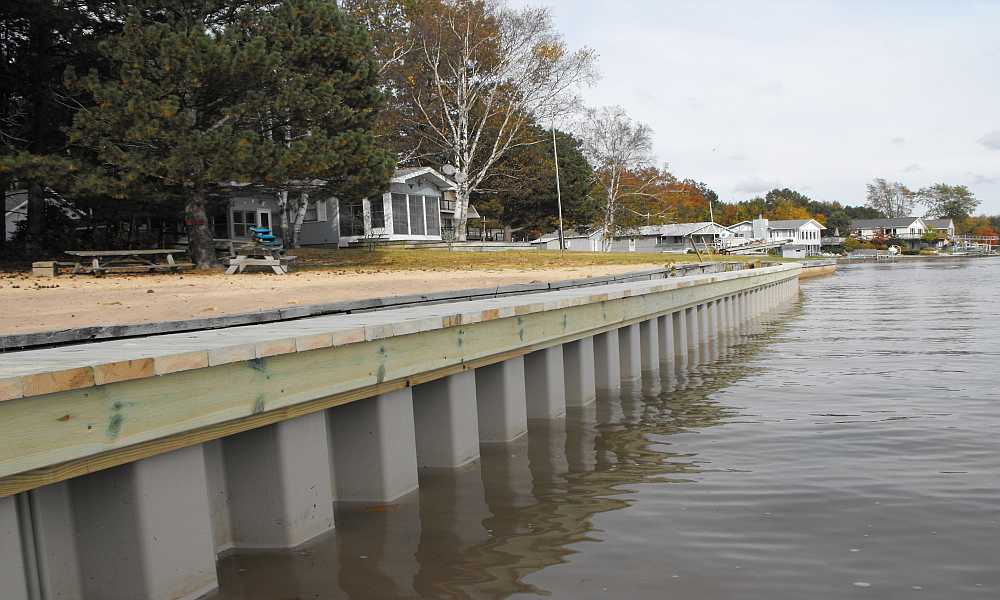
Installation Efficiency and Design Flexibility
Lightweight Material Handling Advantages
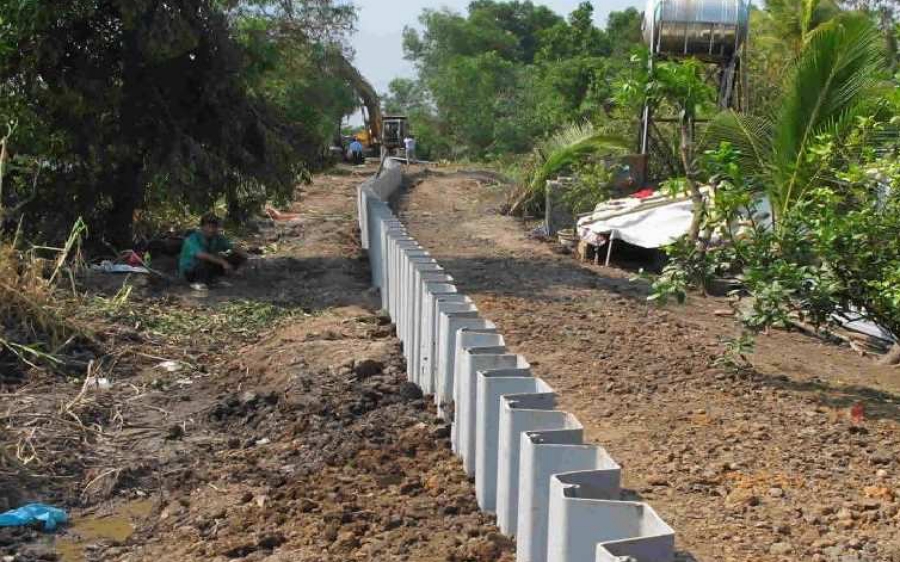
Compared to steel or concrete components, vinyl sheet piling is lightweight, which simplifies transportation and on-site handling. This characteristic can reduce the need for heavy lifting equipment during installation, particularly on smaller waterfront projects or in restricted access areas.
The lighter weight of vinyl components also contributes to improved installation efficiency. Crews can install panels more quickly, and equipment wear is typically reduced compared to driving heavier materials. These efficiencies can help control project schedules and labor costs, especially on long shoreline runs.
Adaptability to Varied Site Conditions
Vinyl seawalls are available in a range of profiles, thicknesses, and interlock designs, allowing engineers to tailor solutions to specific loading and soil conditions. This adaptability makes vinyl suitable for canals, lakes, rivers, and coastal shorelines where subsurface conditions may vary along the wall alignment.
Design flexibility also supports integration with anchoring systems, deadman tiebacks, or geotechnical reinforcements as needed. This versatility allows vinyl seawalls to be used in both new construction and replacement applications where existing structures are being upgraded.
Environmental and Aesthetic Considerations
Reduced Environmental Impact During Service Life
Environmental performance is an increasingly important factor in coastal construction. Vinyl seawalls do not leach preservatives or metals into surrounding water, unlike some treated wood or corroding steel systems. This characteristic can be beneficial in environmentally sensitive areas, including residential waterways and protected habitats.
Additionally, vinyl components are often manufactured with recyclability in mind, and their long service life reduces the frequency of material replacement. Fewer replacements mean less disturbance to shoreline ecosystems over time, supporting more sustainable coastal protection strategies.
Clean Appearance and Customization Options
From an aesthetic standpoint, vinyl seawalls maintain a clean and uniform appearance throughout their service life. They are available in neutral colors that blend with waterfront landscapes and resist fading under prolonged sun exposure. This visual consistency is particularly valuable in residential developments and marina settings where appearance matters as much as performance.
Proven Performance in Long-Term Applications
Documented Use Across Diverse Shoreline Projects
Vinyl seawalls have been installed across thousands of miles of shoreline worldwide, with documented performance spanning several decades. Their use in residential canals, commercial waterfronts, and public infrastructure projects demonstrates their suitability for long-term coastal protection.
Field performance data shows that properly designed vinyl seawalls can maintain alignment and structural capacity over extended periods, even in environments subject to tidal cycles and seasonal water level changes. This proven track record continues to support their adoption in modern coastal engineering.
Predictable Lifecycle Value
When evaluating long-term value, many project owners prioritize materials that deliver predictable performance with minimal intervention. Vinyl seawalls meet this requirement by offering a balance of strength, durability, and low maintenance demands. These factors contribute to stable lifecycle costs and reduced risk of premature replacement.
As coastal regions continue to invest in resilient infrastructure, vinyl seawall solutions remain a practical option for long-term shoreline protection where durability, efficiency, and environmental considerations intersect.
Why are vinyl seawalls preferred over wood or steel for coastal applications?
They resist rot, corrosion, and marine borers, providing longer service life in saltwater and brackish environments.
Do vinyl seawalls require a lot of maintenance over time?
No, they generally need only occasional cleaning and visual inspections, reducing long-term repair costs.
