

Turning Dredged Material into Usable Fill for Marine Foundation Platforms
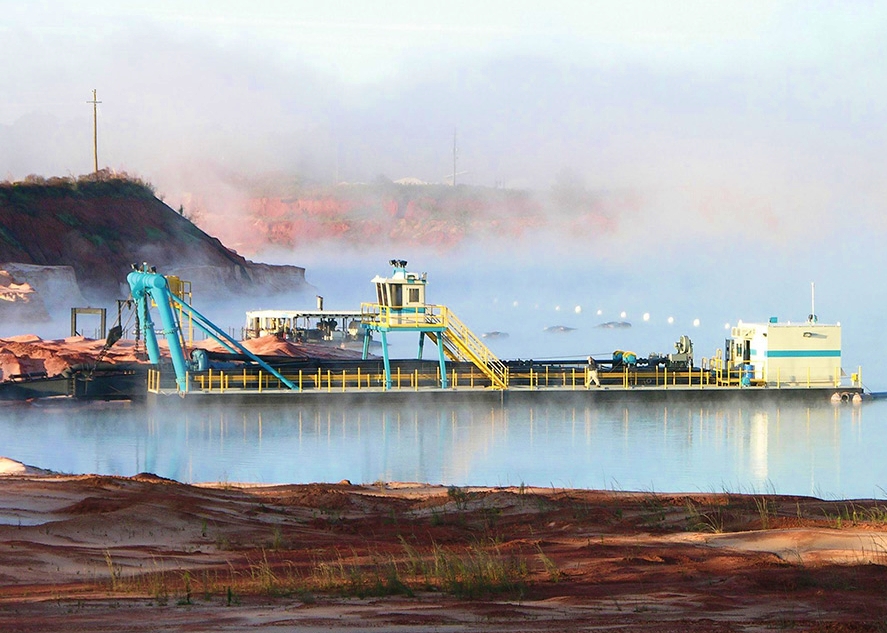
Managing dredged material has long been a challenge for marine construction projects, particularly when large volumes of sediment are removed to create navigable waterways or stable working areas. In recent years, contractors and engineers have increasingly focused on beneficial reuse, where dredged sediments are processed and repurposed as structural fill for marine foundation platforms. When properly evaluated and handled, dredged material can support load bearing applications while reducing disposal costs and environmental impact.
Marine infrastructure projects such as docks, wharves, temporary work pads, and foundation platforms often require large quantities of engineered fill. Using locally available dredged material helps streamline logistics and supports sustainable construction practices when applied within regulatory and geotechnical limits.
Understanding Dredged Material Characteristics
Dredged material varies widely depending on location, waterway conditions, and sediment history. Common materials include sands, silts, clays, and mixed granular soils. Grain size distribution, moisture content, organic content, and contamination levels determine whether sediments are suitable for reuse as fill.
Coarser sands and sandy silts are often the most desirable for foundation platforms because they compact well and provide predictable load transfer. Fine silts and clays may still be usable but typically require stabilization or blending with granular material. Before reuse, sediments are evaluated through laboratory testing to confirm strength, consolidation behavior, and compatibility with design requirements.
In many projects, dredged material management plans outline how sediments will be segregated, treated, and reused onsite. These plans help ensure that reused material meets performance standards while complying with environmental regulations.
Processing Dredged Material for Structural Fill
Dewatering and Moisture Control
Freshly dredged sediments contain high water content that limits immediate placement. Dewatering is a critical step in converting dredged material into usable fill. Common methods include containment basins, geotextile tubes, and mechanical separation systems.
As moisture content decreases, sediments gain strength and become more manageable for handling and compaction. Controlled dewatering also reduces settlement risks once the material is placed beneath marine foundation platforms. Proper moisture conditioning allows contractors to achieve target densities without excessive pumping or rework.
Screening and Gradation Improvement
Screening helps remove debris, oversized particles, and organic matter that could compromise fill performance. In some cases, dredged material is blended with imported aggregates to improve gradation and load bearing characteristics.
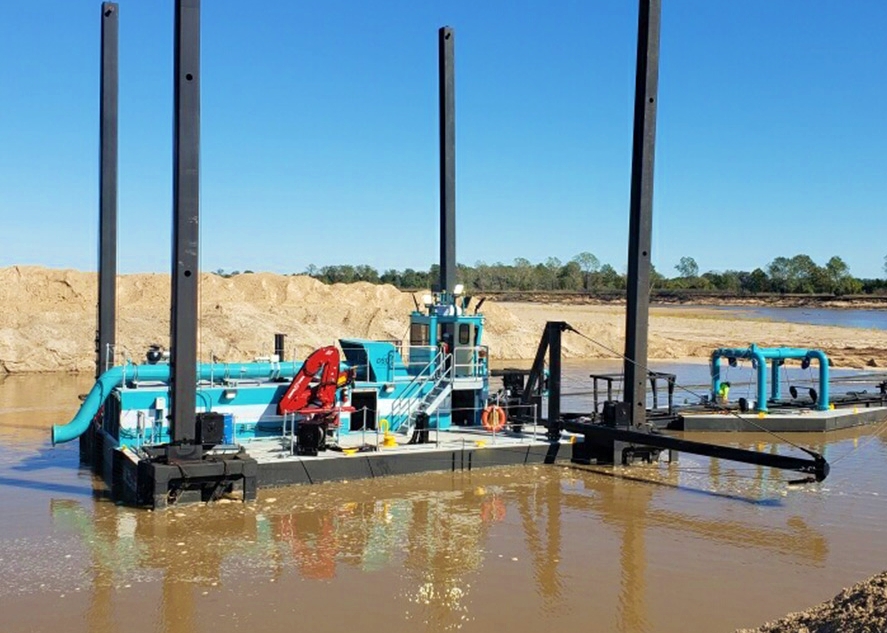
Blended fills are commonly used for temporary marine work platforms where predictable compaction and surface stability are required for cranes, pile driving rigs, and heavy equipment. Using processed dredged material in this way can reduce reliance on quarried aggregates while maintaining structural integrity. Many projects rely on specialized dredging and material handling equipment to efficiently process sediments for reuse, often integrating systems similar to those used in modern dredging solutions for marine construction.
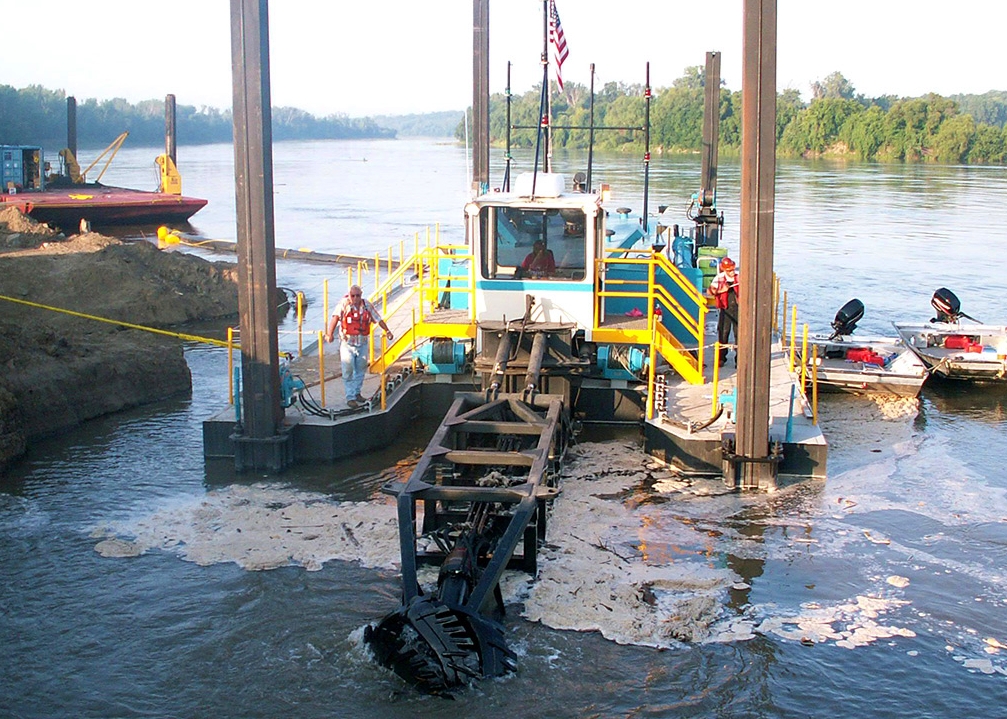
Designing Marine Foundation Platforms with Reused Fill
Load Distribution and Settlement Control
Marine foundation platforms must support dynamic loads from equipment, vessels, and construction activities. When dredged material is used as fill, platform design focuses on load distribution and settlement control.
Engineers typically specify placement in controlled lifts with systematic compaction to minimize differential settlement. Instrumentation such as settlement plates or monitoring points may be installed to verify performance during and after construction. Properly compacted dredged material can perform comparably to conventional fill when design assumptions are validated through testing.
Compatibility with Pile Supported Systems
Many marine platforms are constructed over pile supported foundations, where fill is placed between and around piles to create a working surface. In these applications, dredged material acts as a working platform rather than a primary load bearing element.
The fill must remain stable under vibration from pile driving and crane operations. Material selection and placement methods are adjusted to prevent migration or loss of support around pile elements. Reused sediments that meet gradation and density requirements can perform effectively in these conditions.
Environmental and Regulatory Considerations
Reusing dredged material as fill is subject to environmental oversight to ensure protection of aquatic ecosystems and water quality. Sediments are tested for contaminants such as heavy metals, hydrocarbons, and nutrients before approval for beneficial reuse.
Regulatory agencies often encourage reuse when sediments meet clean material thresholds, as it reduces disposal volumes and supports sustainable infrastructure development. Proper containment during processing and placement helps prevent turbidity and sediment release into surrounding waters.
By keeping dredged material within the project footprint, contractors can significantly reduce transportation emissions and disposal impacts. This approach aligns with broader goals of environmental stewardship in marine construction.
Construction Efficiency and Cost Benefits
Using dredged material as fill can offer meaningful cost advantages when managed correctly. Reduced hauling distances, lower material procurement costs, and minimized disposal fees contribute to overall project savings.
Schedule efficiency also improves when material is reused onsite, especially for large scale marine foundation platforms requiring substantial fill volumes. Contractors can maintain steady progress without waiting for imported materials, provided processing systems are well integrated into the dredging operation.
These efficiencies are particularly valuable on remote or waterfront sites where access for material delivery is limited. In many cases, reused dredged material becomes a key component of cost effective marine foundation construction when supported by appropriate equipment and experienced planning teams specializing in material reuse for marine projects.
Long Term Performance of Reused Dredged Fill
Field performance data from ports, harbors, and waterfront developments show that properly processed dredged material can provide durable support for marine platforms over long service lives. Monitoring programs have demonstrated stable settlement behavior and adequate bearing capacity when design and placement controls are followed.
As marine infrastructure demands continue to grow, beneficial reuse of dredged material is expected to play an increasingly important role in foundation platform construction. Advances in processing technology and material characterization continue to expand the range of sediments suitable for reuse, making this approach both practical and sustainable for future projects.
Yes, properly processed dredged sediments can be used as structural or working fill when they meet geotechnical and regulatory requirements.
It is dewatered, screened, and sometimes blended with aggregates to achieve suitable moisture, gradation, and load-bearing characteristics. Can dredged material be reused for marine foundation platforms?
How is dredged material prepared for reuse as fill?
