

How Timber Systems Stabilize Vessels During Marine Transport
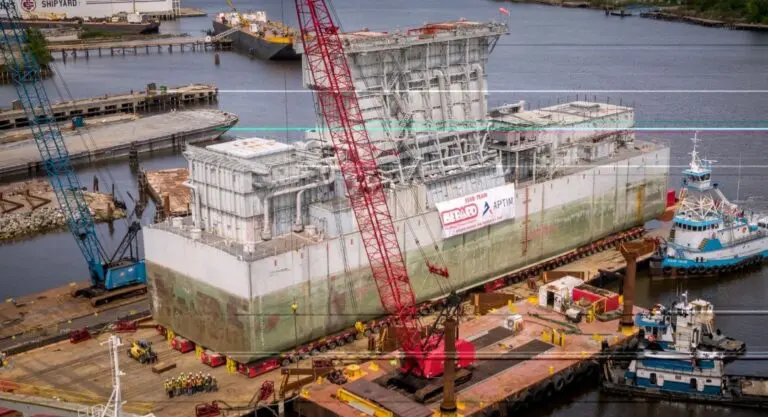
Marine transportation often requires vessels to be moved, supported, or staged in conditions far different from their normal operating environment. During drydock operations, barge transport, or temporary layup, vessels are subjected to concentrated loads, uneven support conditions, and dynamic forces that can compromise hull integrity if not properly managed. Timber load distribution systems have long played a critical role in stabilizing vessels during these phases by spreading loads, protecting contact surfaces, and accommodating irregular geometries.
Why Vessel Stabilization is Critical During Marine Transport
Load Conditions Outside Normal Service
Vessels are designed to distribute loads through buoyancy and hydrostatic pressure when afloat. During transportation or drydock operations, those natural load paths are disrupted. Hull sections that normally experience uniform pressure may instead rest on discrete support points, creating localized stresses that exceed design assumptions. These conditions make temporary stabilization systems essential for maintaining structural safety.
Risks of Inadequate Support
Improper load distribution during marine transport can lead to hull deformation, cracking in welded joints, and damage to coatings or protective systems. Even minor misalignment during support can introduce long term fatigue issues that may not be immediately visible. Industry guidance consistently emphasizes that temporary support conditions deserve the same engineering attention as permanent structural design.
Fundamentals of Timber Load Distribution Systems
How Timber Distributes Loads Effectively
Timber systems function by increasing the contact area between the vessel and its support surface. By spreading loads across multiple bearing points, timber reduces localized stress concentrations that could otherwise damage hull plating or framing. Laminated and stacked timber configurations are commonly used to achieve predictable load sharing while maintaining flexibility.
Material Properties That Benefit Marine Applications
Timber possesses inherent compressive strength, energy absorption, and surface compliance that make it well suited for marine support applications. Unlike rigid steel interfaces, timber can accommodate minor irregularities in hull geometry without creating sharp point loads. Its friction characteristics also help resist sliding during transport or repositioning.
Common Marine Transportation Scenarios Using Timber Systems
Drydock Blocking and Temporary Layup
Drydock operations rely on carefully arranged blocking systems to support vessels once water is removed. Timber blocks and mats are placed according to hull geometry and structural framing to ensure loads are transferred safely to the dock floor. These systems allow for adjustments during dewatering and inspection while minimizing stress concentrations.
Barge and Overland Transport Support
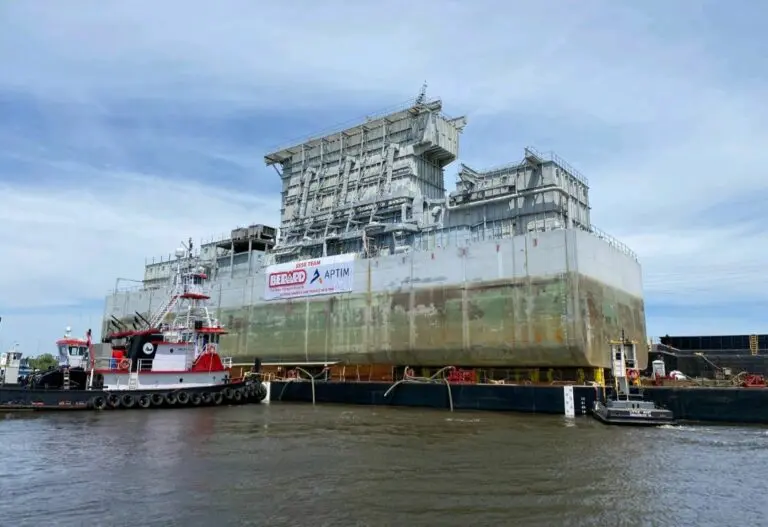
During barge transport or combined marine and overland moves, vessels may rest on timber cradles or mats designed to stabilize them against wave motion and vibration. In these scenarios, timber load distribution systems help manage dynamic forces caused by vessel motion, acceleration, and braking during transit.
Equipment and Module Stabilization
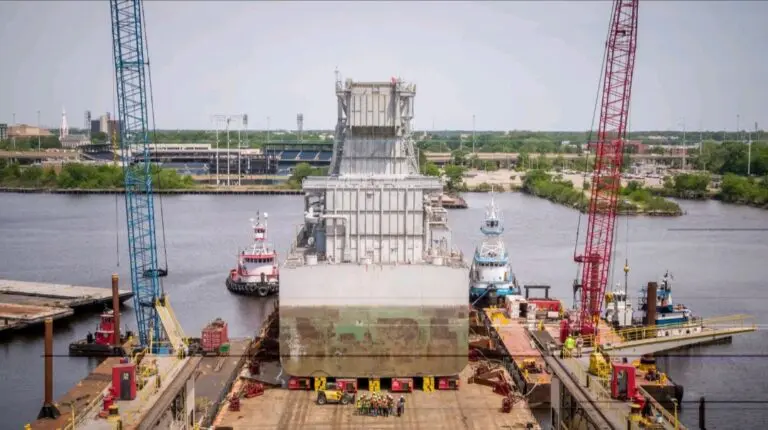
Shipyard and port operations often involve transporting large marine equipment or partially assembled modules. Timber systems are widely used to stabilize these loads by creating level bearing surfaces and preventing movement during lifting or transport. These applications highlight the broader role of marine load distribution systems in protecting both vessels and associated equipment.
Engineering Considerations for Timber Support Design
Load Path Planning
Effective timber stabilization begins with understanding how loads flow from the vessel into the support system. Naval architects and marine engineers identify primary load paths through the hull structure and align timber supports accordingly. This planning helps ensure that loads are transferred into strong structural regions rather than unsupported plating.
Managing Point Loads and Contact Pressure
One of the primary objectives of timber load distribution is controlling contact pressure. Excessive pressure at individual support points can damage hull coatings or structural members. By stacking, layering, or laminating timber elements, engineers can fine tune bearing areas to keep pressures within acceptable limits.
Accounting for Environmental Forces
Marine transportation exposes vessels to wave action, wind, and vessel motion that can shift loads over time. Timber systems are designed with sufficient redundancy and surface friction to resist movement under these conditions. Properly installed systems help maintain stability even as environmental forces fluctuate.
Installation and Inspection Practices
Field Adjustment and Alignment
Unlike permanent structural components, timber load distribution systems are often adjusted in the field. Installers may add or remove layers, shim supports, or reposition blocks to achieve proper alignment. This adaptability is a key advantage when dealing with variable hull shapes and site conditions.
Inspection During Transport and Layup
Routine inspection is essential throughout transportation and drydock operations. Crews monitor timber supports for signs of crushing, movement, or uneven load transfer. Early detection of these issues allows corrective action before structural damage occurs.
Advantages of Timber Over Alternative Materials
Surface Protection and Damage Reduction
Timber provides a forgiving contact surface that reduces the risk of scratching, denting, or coating damage. This characteristic is especially valuable during temporary operations where repeated repositioning may be required.
Reusability and Customization
Timber components can be reused across multiple projects and easily customized to suit different vessel geometries. This flexibility makes timber a practical choice for shipyards and marine contractors managing diverse fleets and equipment types.
Compatibility with Marine Operations
Timber load distribution systems integrate seamlessly with common marine construction practices. They can be handled with standard equipment, adapted on site, and removed without leaving permanent modifications to the vessel or facility.
Applications Across the Marine Industry
Timber load distribution systems are used across commercial shipping, offshore energy, naval operations, and port infrastructure projects. Their role extends beyond vessels to include heavy marine equipment, temporary structures, and transportation protection measures. In each case, the goal remains the same: provide stable, predictable support during non-standard load conditions.
Why Timber Remains a Preferred Stabilization Solution
Despite advances in materials and engineering tools, timber continues to be widely used in marine transportation support because it balances strength, adaptability, and surface protection. Its performance in real-world conditions has been validated across decades of marine operations, from small workboats to large commercial vessels.
As marine transportation projects grow in scale and complexity, the importance of properly designed stabilization systems becomes even more critical. Well-executed timber load distribution strategies help protect vessels, reduce repair costs, and support safer operations throughout the transport process. For many marine contractors, timber blocking for marine transport remains a reliable solution for managing temporary support challenges without compromising structural integrity.
