

Support Equipment Essentials for High-Productivity Drilling Sites
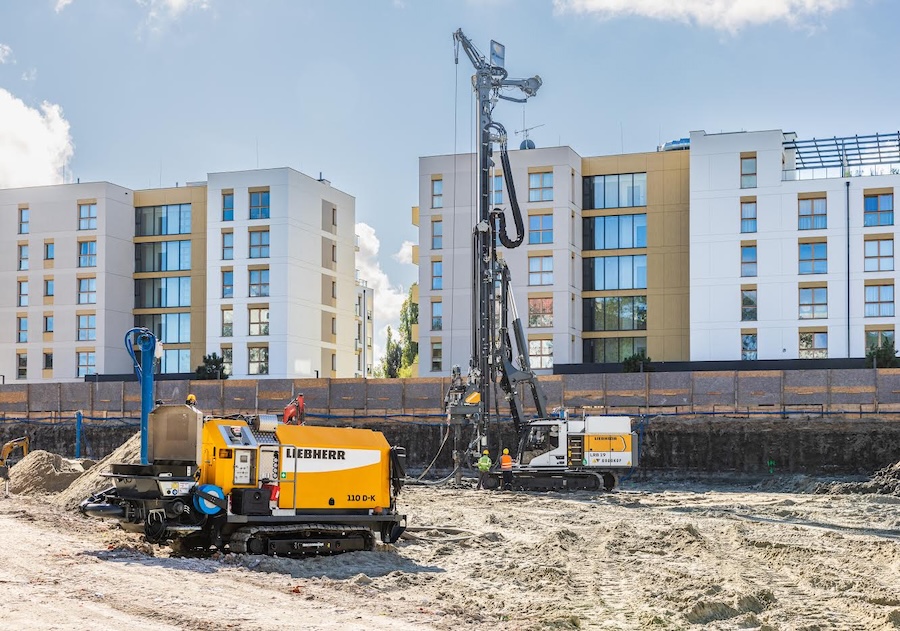
Experienced contractors know the real key to crushing production numbers lies in the support equipment surrounding it. Properly selected and maintained auxiliary systems eliminate downtime, streamline workflows, and keep crews focused on drilling rather than troubleshooting logistics. Investing in the right support package can easily add 20–40% to daily footage while dramatically improving safety and profitability.
Reliable Power Generation and Distribution
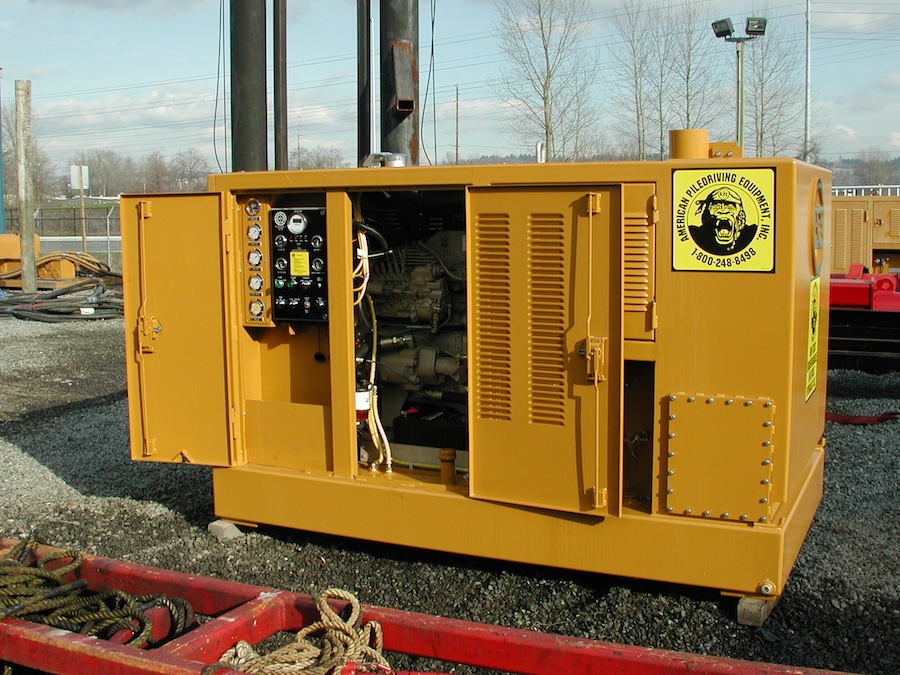
Nothing stops a job faster than a dead generator. Modern high-productivity sites run on robust diesel, hybrid, or fully electric units sized between 50 and 500 kW, depending on the rig and auxiliary load. A second backup generator and dedicated fuel storage (often 1,000–2,000 gallons on larger projects) are no longer considered luxuries—they’re standard insurance against lost hours. In urban or environmentally sensitive areas, Tier 4 Final or inverter-style units with sound-attenuated enclosures keep decibels down and regulators happy without sacrificing output.
High-Capacity Air Systems
Compressed air is the lifeblood of most drilling operations. Towable compressors delivering 185–500 CFM at 100–150 psi power down-the-hole hammers, casing drivers, and cleaning tools. Adding aftercoolers, filters, and moisture separators prevents water from reaching pneumatic tools and freezing lines in cold weather. Crews that run instrument-quality air and keep hose reels organized rarely lose a shift to seized hammers or clogged bits.
Material Handling and Lifting Equipment
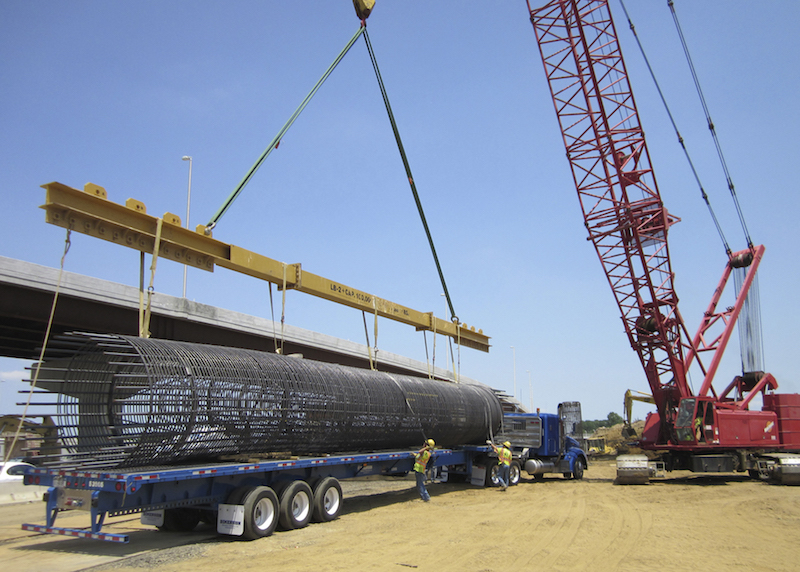
Speed on the ground directly translates to speed in the hole. A rough-terrain service crane (15–50 ton capacity) or heavy-duty telehandler moves casing sections, rebar cages, and drill steel in minutes instead of hours. Complement these with tracked excavators or wheel loaders fitted with quick-couplers and specialty buckets for continuous spoil removal. GPS machine control on excavators has become commonplace on large-diameter and secant wall projects, virtually eliminating over-dig and costly rework.
Water Management and Dewatering
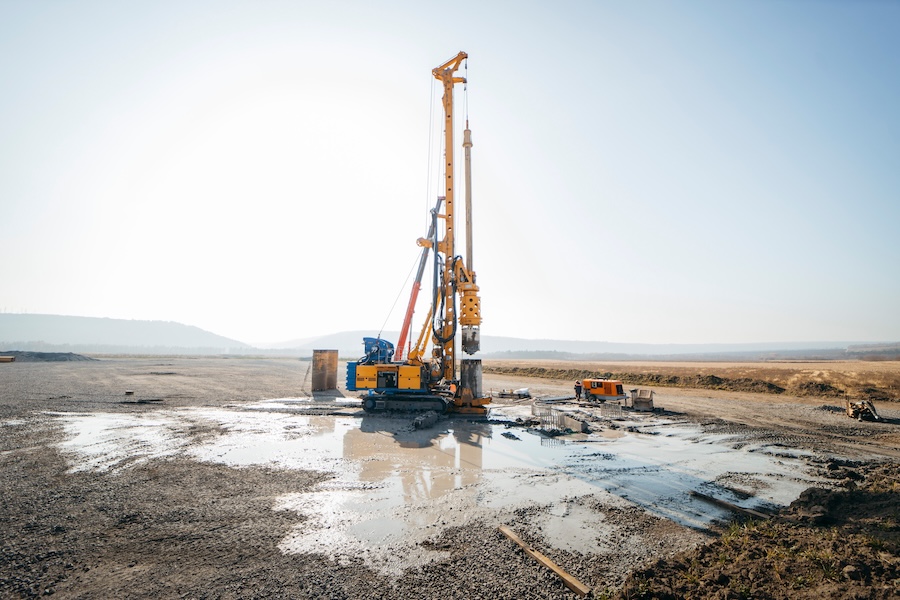
Wet holes kill production. High-volume submersible pumps, trash pumps, and well-point systems capable of moving 500–1,500 GPM keep excavations dry and platforms stable. Polymer slurry systems and settling tanks control bentonite disposal and prevent environmental fines. Contractors who mobilize vacuum trucks and automated pump stations before the first casing is set routinely finish wet-site projects weeks ahead of schedule.
Lighting, Communication, and Site Logistics
Night work is often the difference between meeting and missing deadlines. Mobile LED light towers with 400,000+ lumens and 360-degree coverage turn darkness into daylight. Solar-hybrid towers reduce fuel consumption on remote jobs by 60–80%. Site-wide two-way radios, rugged tablets with real-time production tracking, and Wi-Fi hotspots keep operators, spotters, and foremen perfectly synchronized.
 Building a True Support System
 Building a True Support System
The highest-performing contractors treat support equipment as an integrated ecosystem rather than a laundry list of rentals. They conduct detailed pre-mobilization audits to match capacities to soil reports and production goals, enforce rigorous daily maintenance checklists, and cross-train operators on every piece of gear. When power, air, lifting, water control, and communication all run quietly in the background, the drill rig becomes the only variable that matters—and that’s exactly how you set new production records.
What support equipment is critical for efficient drilling operations?
Generators, high-capacity compressors, cranes, dewatering systems, and proper lighting/communication tools keep drilling continuous and safe.
How does proper auxiliary equipment improve drilling productivity?
Reliable support systems reduce downtime, streamline workflows, and can boost daily footage by 20–40%.
