


How Stormwater and Groundwater Control Influence the Longevity of Pile-Supported Waterfront Structures
Pile-supported waterfront structures are exposed to some of the most demanding environmental conditions in civil construction. While piles are designed to resist vertical and lateral loads from vessels, traffic, and soil pressures, long-term performance often depends on factors that receive far less attention during design and construction. Among the most critical of these factors are stormwater and groundwater control systems that operate behind, beneath, and around pile-supported infrastructure.
Poor water management does not usually cause immediate structural failure. Instead, it accelerates deterioration through increased lateral pressure, scour, material degradation, and differential settlement. Understanding how stormwater and groundwater interact with pile-supported waterfront structures is essential for improving durability, reducing maintenance costs, and extending service life.
Water Management As A Structural Issue
Stormwater and groundwater are often treated as site or environmental concerns rather than structural ones. On waterfront projects, this separation can be misleading. Water movement directly affects soil behavior, load distribution, and material exposure conditions around piles and retaining elements.
When groundwater levels fluctuate behind bulkheads or quay walls, hydrostatic pressure increases lateral forces acting on pile systems. If these pressures are not relieved through properly designed drainage pathways, piles and wales are forced to resist loads they were not intended to carry over extended periods. Over time, this can lead to excessive deflection, connection fatigue, and loss of alignment.
Surface runoff plays a similar role. Uncontrolled stormwater flowing across pile-supported decks or backfill zones concentrates erosion in localized areas. This erosion often migrates downward, undermining pile embedment and exposing pile toes to scour.
Groundwater Pressure Behind Waterfront Structures
Hydrostatic Forces And Soil Behavior
Groundwater trapped behind pile-supported bulkheads increases pore water pressure within retained soils. Elevated pore pressures reduce effective stress, weakening soil strength and increasing the likelihood of lateral soil movement. This movement transfers additional loads to piles, tiebacks, and lagging systems.
Engineering studies consistently show that relieving groundwater pressure through subsurface drainage significantly reduces lateral loads on retaining systems. Drainage structures such as subsurface conduits, collection chambers, and outlet controls are commonly integrated behind waterfront walls to manage these pressures in a controlled manner.
Long-Term Impacts On Piles
Persistent groundwater exposure accelerates deterioration mechanisms in common pile materials. Timber piles experience increased biological activity and decay when water levels fluctuate near the splash or tidal zone. Steel piles are more susceptible to corrosion when groundwater chemistry promotes electrochemical reactions. Concrete piles, while more durable, are not immune to long-term exposure to aggressive groundwater conditions.
Effective groundwater control helps stabilize moisture conditions around piles, reducing cyclic wetting and drying that accelerates material degradation.
Stormwater Runoff And Surface Drainage
Runoff Concentration On Pile-Supported Decks
Pile-supported wharves, piers, and platforms often include expansive deck areas exposed directly to precipitation. Without properly designed surface drainage, stormwater accumulates and migrates toward joints, penetrations, and structural edges.
This runoff frequently enters backfill zones behind bulkheads or travels along utility corridors beneath decks. Over time, concentrated flow paths develop, carrying fine soil particles away and creating voids that compromise support conditions around piles and grade beams.
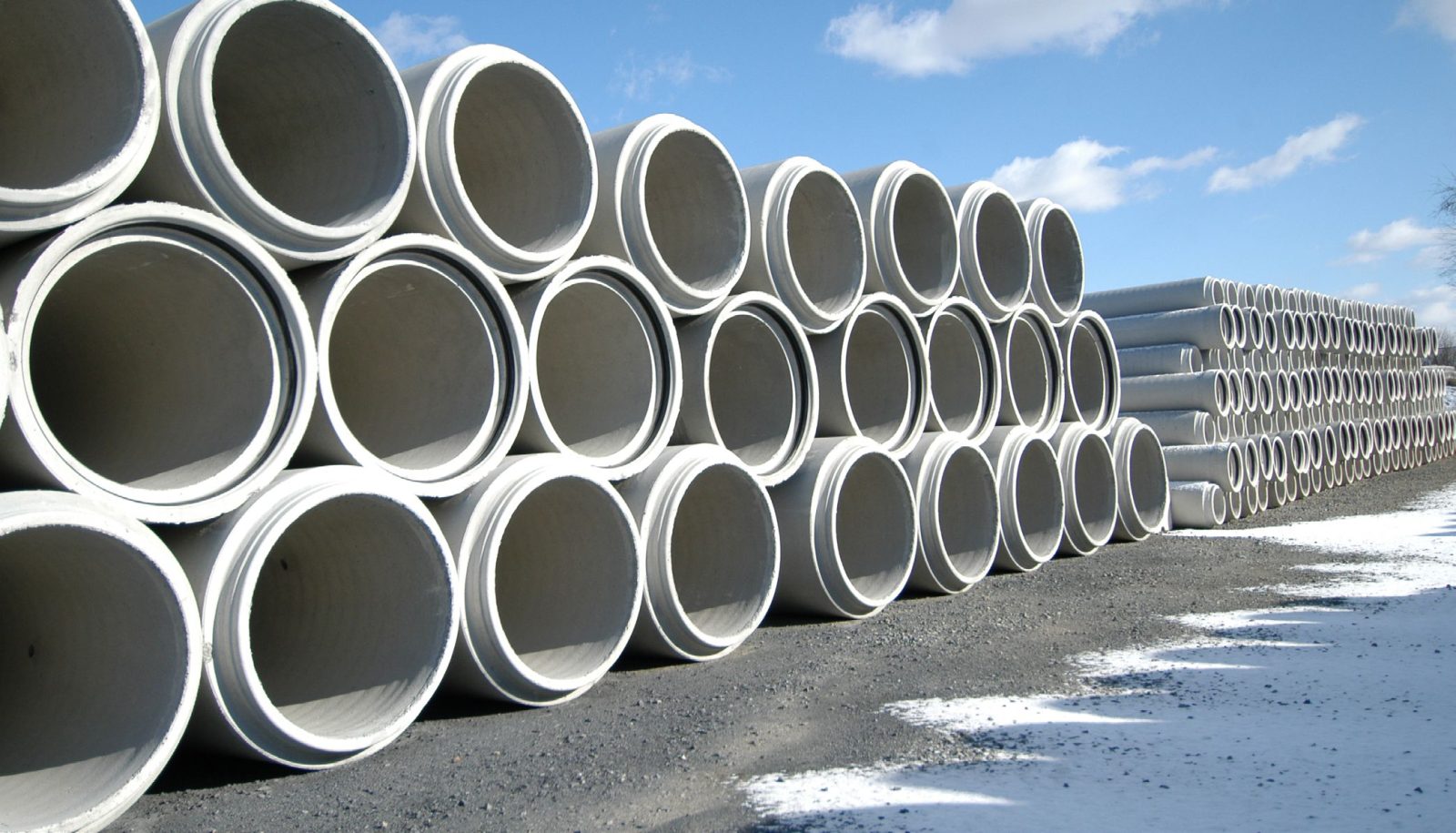
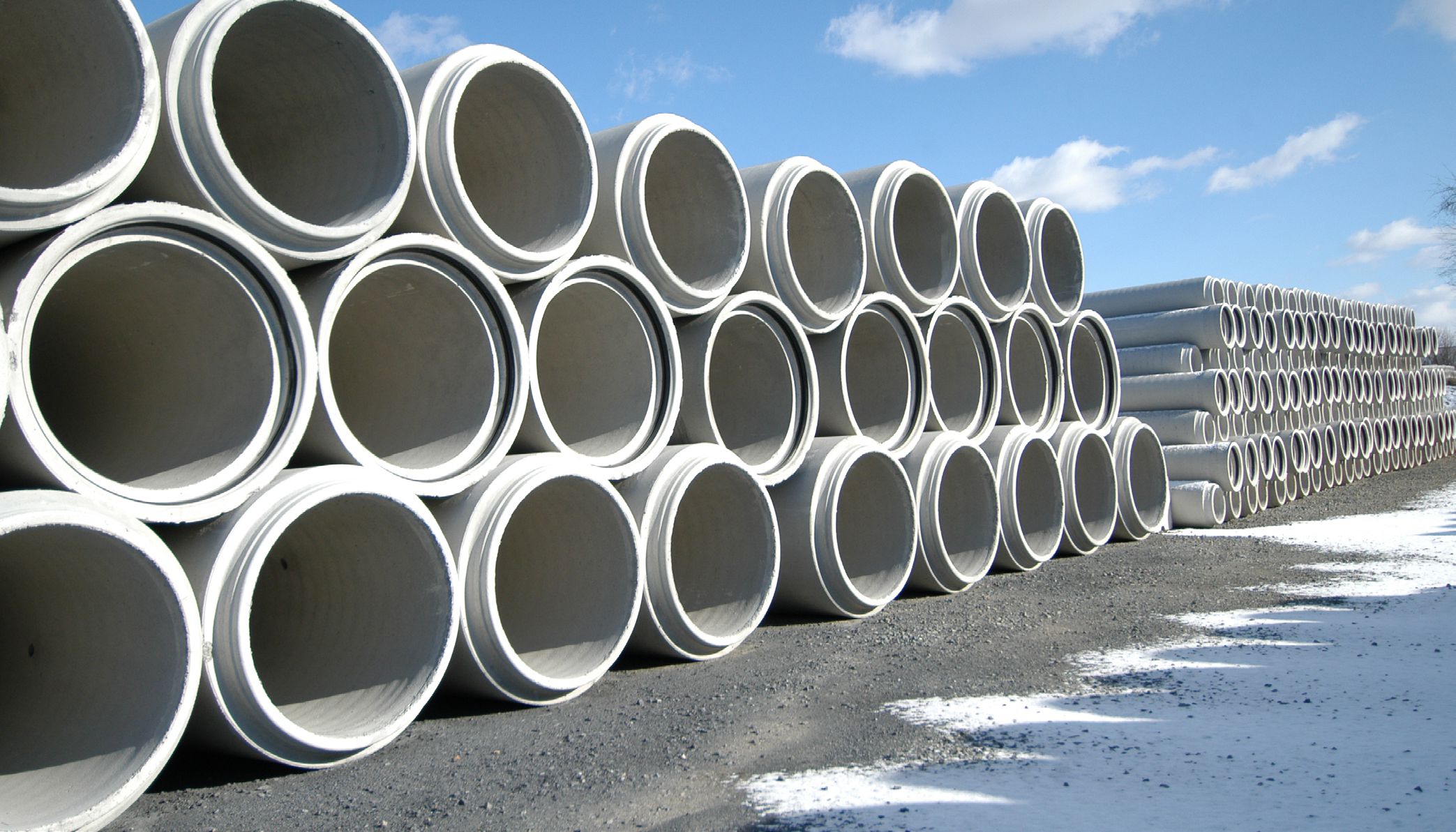
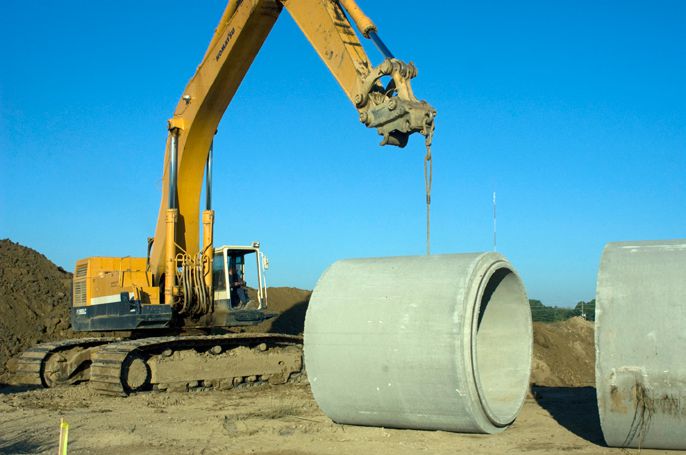
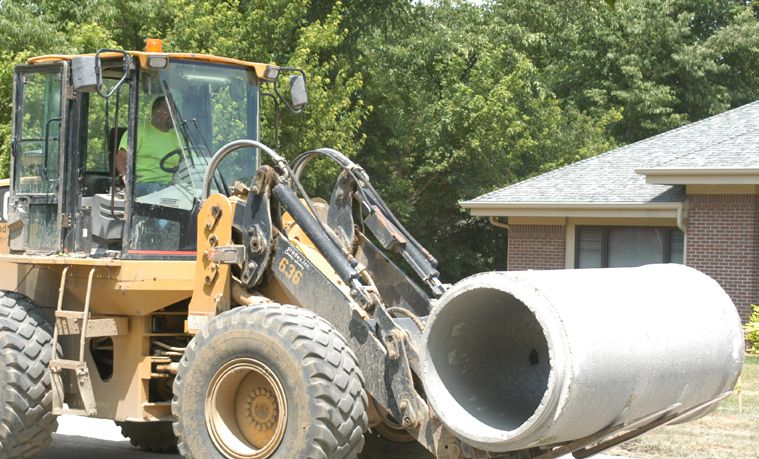
The use of durable underground drainage components such as reinforced concrete pipe and subsurface collection structures is a common engineering solution to safely convey runoff away from critical foundation elements. These systems are typically hidden from view but play a significant role in preserving structural integrity.
Subsurface Drainage Systems In Marine Construction
Integration With Pile Foundations
Subsurface drainage systems are often installed concurrently with pile foundations or immediately following pile driving operations. Their purpose is to intercept groundwater and stormwater before it can accumulate behind retaining systems or beneath decks.
These systems typically include a network of conduits, collection points, and discharge outlets that connect to larger drainage infrastructure. In waterfront environments, they are designed to withstand soil loads, traffic loads, and aggressive exposure conditions over decades of service.
Well-designed subsurface drainage reduces the likelihood of excess settlement around piles and minimizes the risk of scour caused by uncontrolled water movement.
Durability in Harsh Environments
Marine environments subject drainage infrastructure to saltwater exposure, fluctuating water tables, and heavy loading. Materials selected for subsurface systems must provide long-term resistance to corrosion, abrasion, and chemical attack.
Precast concrete drainage components are frequently specified in these applications due to their structural strength and durability. Their performance characteristics make them suitable for use beneath pile-supported structures where access for repair is limited. General information on precast concrete drainage solutions used in heavy civil applications can be found through resources discussing underground stormwater infrastructure and groundwater protection systems.
Scour and Erosion Around Pile Systems
Mechanisms of Scour Development
Scour occurs when moving water removes soil from around pile foundations, reducing lateral and vertical support. On waterfront projects, scour is often driven by a combination of tidal action, vessel movement, and redirected stormwater flow.
Uncontrolled discharge points behind bulkheads or beneath decks can accelerate localized scour. Over time, even small discharges can enlarge voids around piles, increasing bending stresses and reducing load capacity.
Mitigation Through Controlled Drainage
Properly designed drainage outlets, headwalls, and energy dissipation measures reduce flow velocity at discharge points. By controlling how water exits subsurface systems, engineers can significantly reduce erosion potential around pile foundations.
Drainage control is therefore not only an environmental consideration but a key factor in maintaining pile stability over the life of a structure.
Maintenance, Inspection, and Service Life
Hidden Systems With Visible Consequences
One of the challenges in waterfront infrastructure management is that many critical drainage components are buried and out of sight. When these systems fail or become clogged, the resulting structural issues often appear gradually through settlement, cracking, or misalignment.
Regular inspection and maintenance of stormwater and groundwater control systems are essential for preventing long-term damage to pile-supported structures. Access points such as manholes and inspection chambers are intentionally incorporated to support this ongoing oversight.
Designing For Longevity
Designing drainage systems with the same level of rigor applied to pile foundations improves overall project resilience. This includes selecting materials with proven durability, providing redundancy where possible, and ensuring discharge locations remain functional under changing environmental conditions.
Projects that integrate robust drainage strategies during initial construction consistently demonstrate improved performance and reduced lifecycle costs.
Why Water Control Determines Structural Performance
Pile-supported waterfront structures rarely fail solely due to inadequate pile capacity. More often, failures are linked to water-related issues that gradually compromise soil support and material integrity. Groundwater pressure, uncontrolled runoff, and scour act together to shorten service life when drainage is overlooked or underdesigned.
By recognizing stormwater and groundwater control as integral components of structural performance, engineers and contractors can significantly improve the longevity of marine infrastructure. As waterfront development continues to expand in coastal and riverine environments, the role of effective water management will remain central to the success of pile-supported construction.
Why is groundwater control important for pile-supported waterfront structures?
Proper groundwater control reduces lateral loads, prevents scour, and limits long-term structural deterioration.
How does stormwater runoff affect pile foundation stability?
Uncontrolled runoff can erode soil around piles, increasing deflection and reducing load capacity.
