




Shotcrete Pumps for Seawall and Bulkhead Reinforcement in Coastal Projects
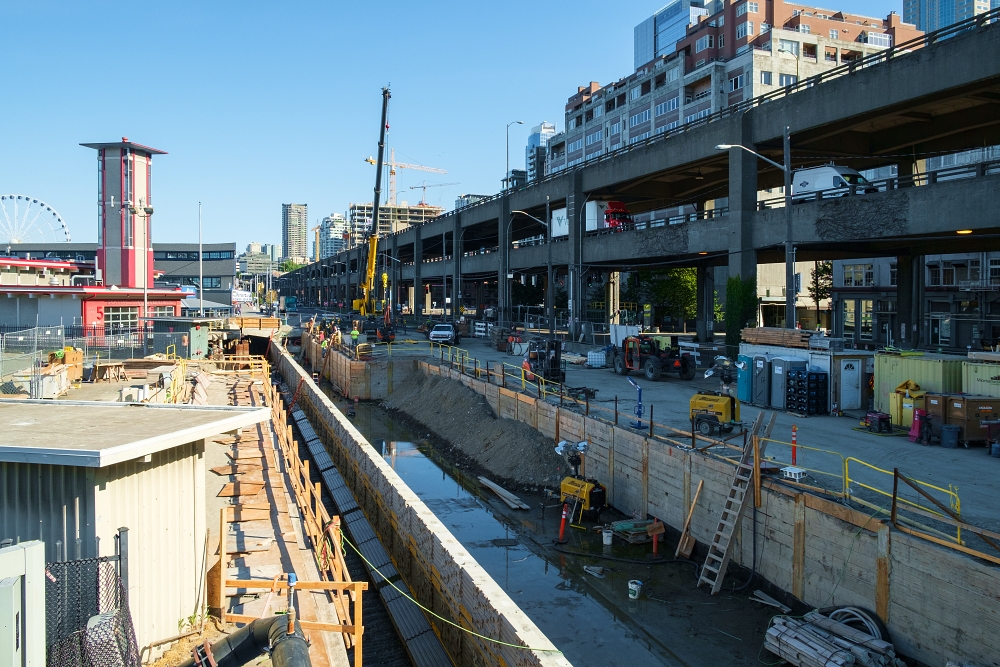
Coastal infrastructure faces constant exposure to saltwater, wave action, and cyclic loading that can gradually weaken seawalls and bulkheads over time. Shotcrete has become a widely used rehabilitation and reinforcement method for these structures because it allows engineers to apply high strength concrete precisely where it is needed, even in difficult access conditions. The use of shotcrete pumping equipment for marine construction has expanded as coastal projects demand efficient placement, strong bonding, and long term durability in aggressive environments.
Role of Shotcrete in Coastal Reinforcement
Why Shotcrete Is Used in Marine Environments
Shotcrete is a pneumatically applied concrete or mortar that is projected at high velocity onto prepared surfaces. In coastal applications, this method allows for improved adhesion to vertical and irregular surfaces such as deteriorated seawalls and aging bulkheads. The compaction achieved through velocity reduces voids and improves density, which is critical in environments exposed to chloride penetration and moisture cycling.
Common Seawall and Bulkhead Conditions
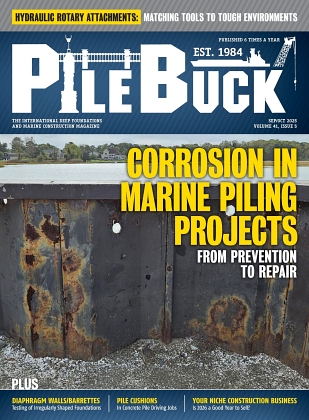
Many existing coastal retaining structures suffer from surface spalling, exposed reinforcement, and section loss caused by corrosion. Shotcrete is commonly specified to restore cover over reinforcing steel, rebuild eroded sections, and improve structural capacity. Because it can be applied in layers, engineers can control thickness and shape without extensive formwork, which is especially beneficial along shorelines and confined waterfront sites.
Shotcrete Pumping Equipment Basics
Wet Mix and Dry Mix Systems
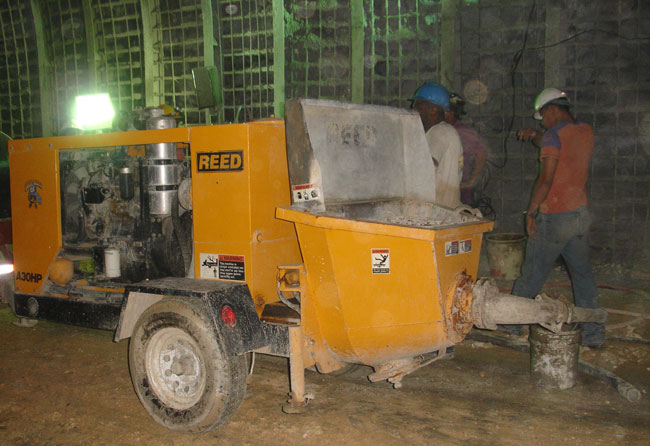
Shotcrete pumping systems generally fall into wet mix and dry mix configurations. Wet mix shotcrete involves pumping fully mixed concrete through a hose to the nozzle, where compressed air accelerates the material onto the surface. Dry mix shotcrete conveys dry material through the hose, with water introduced at the nozzle. Both systems are used in marine construction depending on project size, material control needs, and crew experience.
Output and Reach Considerations
Coastal reinforcement projects often require material placement at varying heights and distances, including below deck levels or over water. Shotcrete pumps used in these applications must provide consistent output and sufficient pressure to maintain material flow without segregation. Hose length, elevation change, and aggregate size all influence equipment selection and performance on seawall and bulkhead projects.
Surface Preparation and Bonding
Importance of Proper Substrate Preparation
Effective shotcrete reinforcement begins with thorough surface preparation. Loose material, marine growth, and deteriorated concrete must be removed to expose sound substrate. In many coastal projects, high pressure water blasting or mechanical scarification is used to achieve the required surface profile. Proper preparation ensures strong bonding between the existing structure and newly applied shotcrete.
Achieving Long Term Adhesion
Bond strength is a critical factor in seawall and bulkhead repairs. Shotcrete application relies on impact velocity to compact material against the substrate, which enhances mechanical interlock. Reinforcement bars are often cleaned or supplemented to restore structural continuity. In some designs, corrosion resistant reinforcement or protective coatings are used to extend service life in saline environments.
Construction Challenges in Coastal Projects
Access and Site Constraints
Seawall and bulkhead reinforcement projects are frequently performed in narrow corridors, tidal zones, or from barges and floating platforms. Shotcrete pumps offer flexibility in these conditions because material can be conveyed over long distances without requiring extensive staging. This adaptability reduces disruption to adjacent properties and waterways.
Environmental Exposure and Timing
Tidal fluctuations, wave action, and weather conditions can affect shotcrete placement schedules. Contractors must plan application windows carefully to ensure adequate curing and surface protection. Shotcrete pumping systems that allow steady, controlled placement help crews maintain quality during limited work periods.
Quality Control and Performance Factors
Material Consistency and Placement Control
Consistent material delivery is essential to achieving uniform strength and durability. Shotcrete pumps used in coastal reinforcement must handle marine grade mixes designed for low permeability and high sulfate resistance. Proper nozzle technique and equipment calibration play a key role in reducing rebound and ensuring even coverage across large vertical surfaces.
Durability in Aggressive Environments
Shotcrete applied to seawalls and bulkheads must resist chloride ingress, freeze thaw cycling, and abrasion from suspended sediments. Dense, well compacted shotcrete has demonstrated strong performance in these conditions when combined with proper curing practices. Equipment that delivers steady flow and minimizes interruptions contributes directly to long term durability.
Safety and Efficiency on the Job Site
Reducing Manual Handling
Using shotcrete pumping equipment significantly reduces the need for manual material handling in coastal projects. This improves worker safety, particularly in wet or unstable conditions near water. Reduced handling also helps maintain mix consistency and placement quality throughout the application process.
Supporting Project Schedules
Time constraints are common in marine construction due to environmental permits and tidal windows. Shotcrete pumps allow faster application compared to traditional formed concrete repairs. This efficiency helps contractors complete reinforcement work within approved schedules while maintaining required performance standards.
Integration With Modern Coastal Design
Rehabilitation and New Construction
Shotcrete pumping is used not only for repair but also for new seawall and bulkhead construction where complex geometries are involved. Engineers often specify shotcrete for curved surfaces, tie back zones, and transitions where conventional formwork would be impractical. Equipment reliability and output control are essential to meeting these design requirements.
Supporting Sustainable Coastal Infrastructure
Extending the service life of existing coastal structures reduces material consumption and environmental impact. Shotcrete reinforcement allows owners to rehabilitate seawalls and bulkheads rather than replace them entirely. Modern marine shotcrete pumping solutions support this approach by enabling precise material placement with minimal waste.
Shotcrete pumps play a critical role in reinforcing seawalls and bulkheads exposed to demanding coastal conditions. Their ability to deliver dense, well bonded material to challenging locations makes them an essential tool in modern marine construction. As coastal infrastructure continues to age and environmental pressures increase, the use of reliable shotcrete equipment for seawall rehabilitation will remain a key strategy for maintaining structural integrity and protecting shorelines over the long term.
Shotcrete provides strong bonding, restores eroded sections, and reduces chloride penetration in coastal structures.
Shotcrete pumps, either wet or dry mix, deliver concrete at high velocity to difficult or vertical surfaces efficiently. Why is shotcrete used for seawall and bulkhead reinforcement?
What equipment is needed for applying shotcrete in marine projects?
