

Shallow Draft Workboats For River And Lake Piling Projects
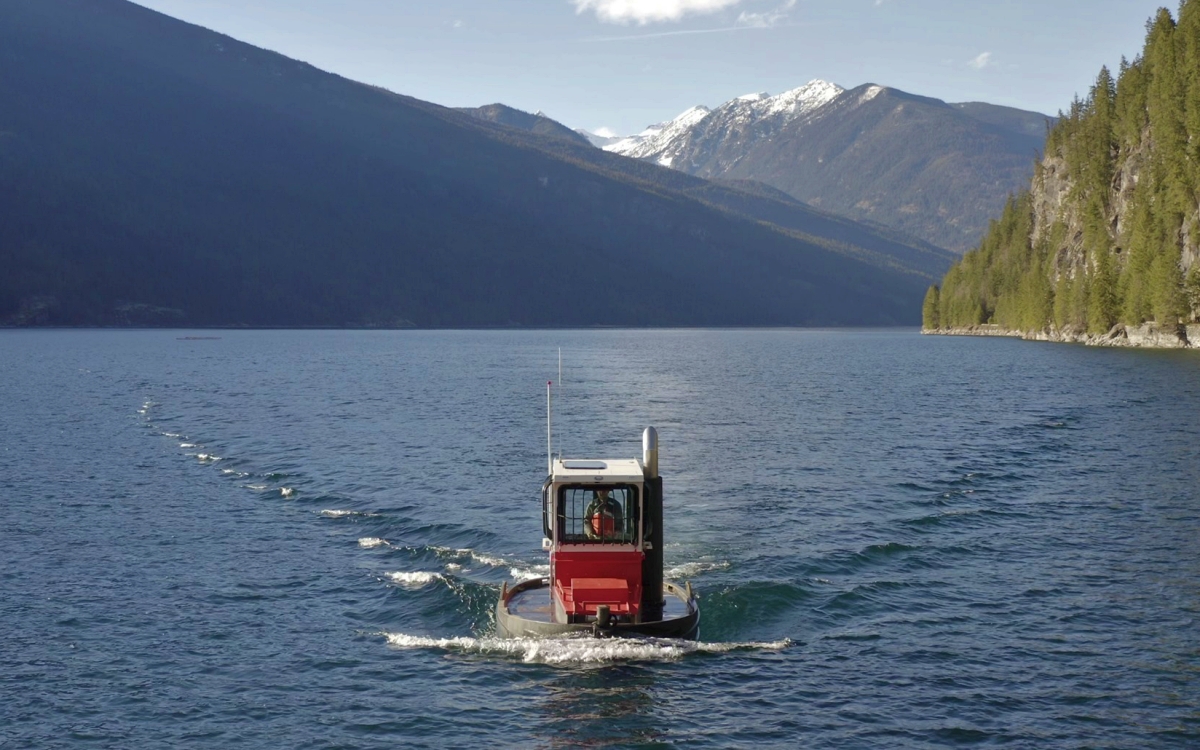
When construction crews face river and lake piling projects in remote areas traditional vessels with deep hulls often cannot reach these environments safely. Water depth in inland waterways can vary dramatically season to season and even daily making it essential to use marine craft that are designed to operate in shallow water. Shallow draft workboats provide a practical solution to this challenge enabling crews to access piling sites that would otherwise be inaccessible due to limited draft requirements. In this article we explore the role of shallow draft workboats in inland water construction operations and highlight important considerations for choosing the right vessel for remote piling work.
Why Draft Matters in Remote Waterway Construction
Boat draft refers to the vertical distance between the waterline and the bottom of a vessel’s hull. This measurement determines the minimum depth of water a craft needs to float without touching the bottom of the waterway. A vessel with a shallow draft has a smaller distance between its hull and waterline enabling it to navigate areas where traditional deeper draft boats would run aground. In river or lake construction sites shallow draft vessels excel where submerged obstacles, sandbars, and fluctuating water levels are common preventing larger craft from safely operating. Understanding draft is fundamental because it directly impacts navigational possibilities in inland waters.
Features of Shallow Draft Workboats
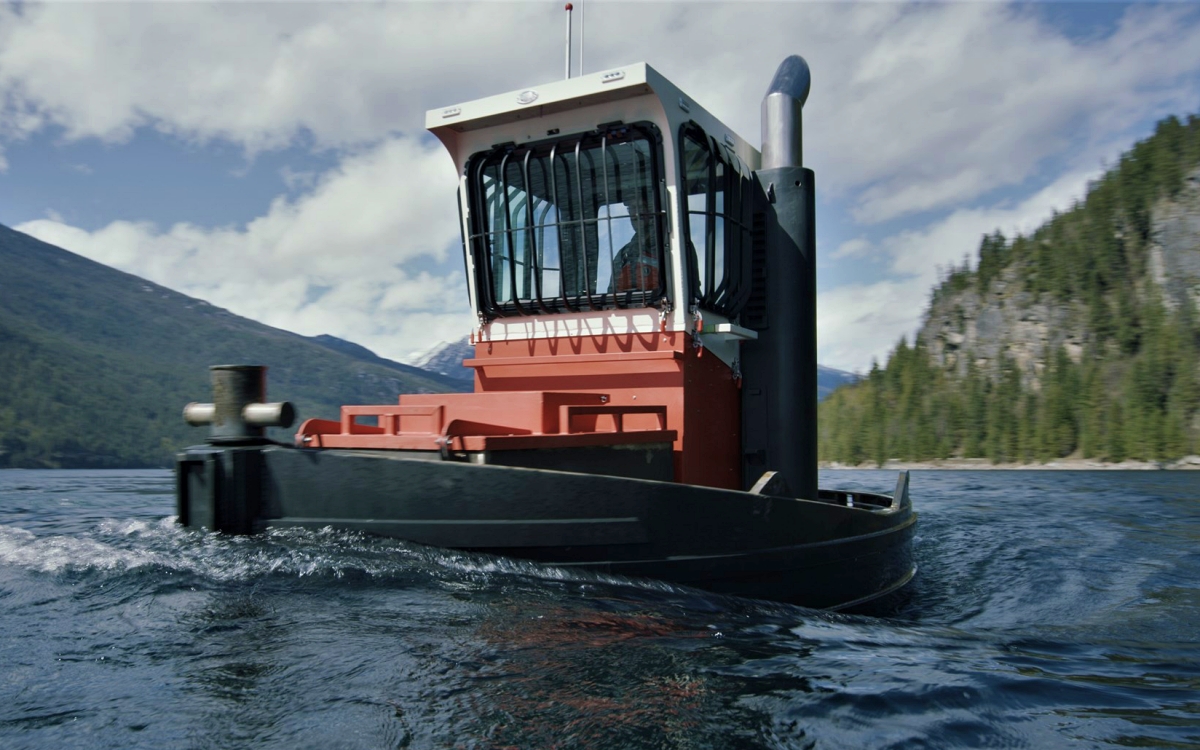
Shallow draft workboats are purpose built to balance load carrying capabilities with minimal water immersion. Most designs emphasize flat hull configurations which disperse the boat’s weight over a larger surface reducing the depth needed to float. This hull design provides greater buoyancy that supports heavy equipment and crew while maintaining stability in calm or moderate water conditions typical of inland waterways. Flat bottom vessels are common in workboats used on rivers and lakes because they can safely operate near shorelines and within channels where deeper draft vessels cannot venture. In addition to hull shape, shallow draft workboats are typically built using strong marine grade materials that withstand constant use in construction conditions while protecting structural integrity.
A reliable source of information on maritime workboats notes that smaller shallow draft vessels offer excellent maneuverability and load capacity making them suitable for various tasks including inshore construction. Their flexibility allows operations such as material transfer, crew support, piling assistance, and site surveys without the restrictions imposed by deeper draft craft.
Accessing Remote Piling Sites in Rivers and Lakes
Navigational Advantages in Shallow Water
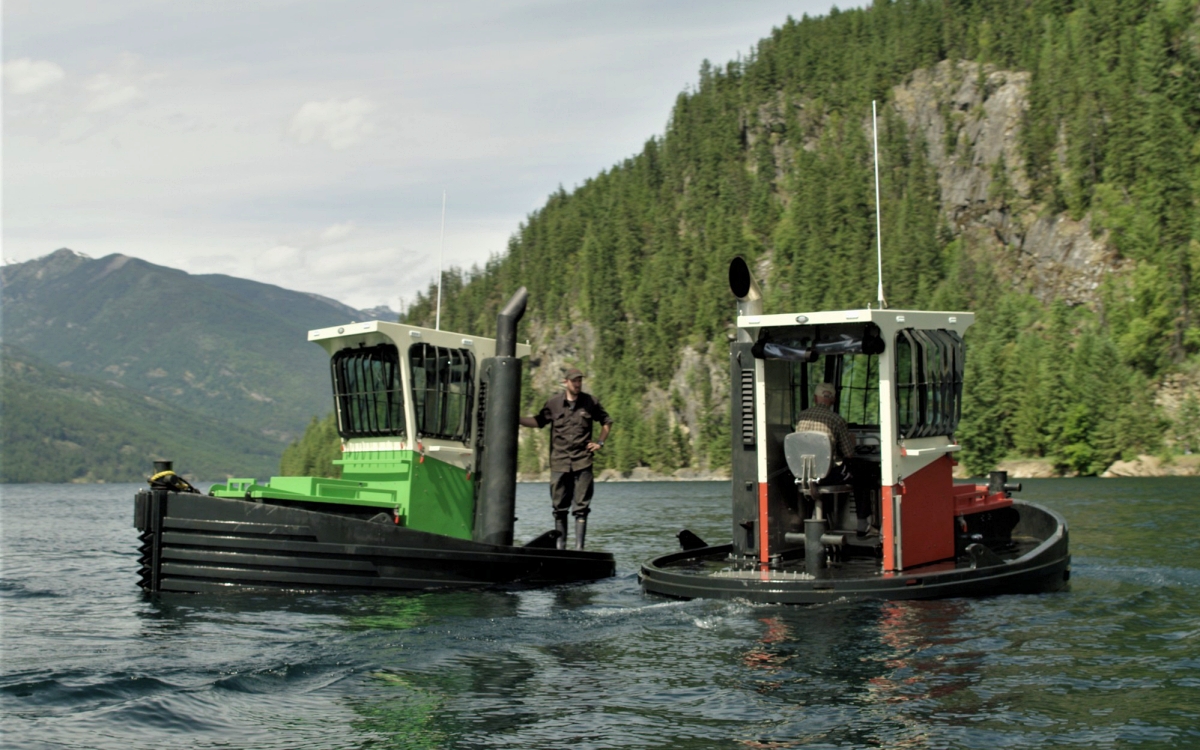
Remote piling sites often lie beyond traditional navigation lanes enabling crews to work close to bridge abutments or along river bends where deeper water is absent. Shallow draft workboats are ideal for these missions allowing construction teams to approach complex piling locations without extensive dredging or auxiliary support vessels. Because these workboats require limited water depth they reduce the need for time consuming preparatory work on site and decrease overall project costs. In riverine environments such vessels can also provide smooth transportation of gear and personnel between shore bases and project sites reducing reliance on land based access routes that may be nonexistent in remote areas.
Efficiency and Safety in Piling Operations
Working on submerged foundations requires both stability and maneuverability especially when installing piles or setting temporary supports. Shallow draft workboats provide a stable platform from which crews can operate piling hammers lead lines and other heavy equipment. The hull design and balance of these boats ensure that they remain steady under load enabling safer operations for both crew and machinery. In contrast vessels with deeper draft may list or shift when operating near uneven bottoms risking equipment damage or crew injury.
Moreover these workboats often feature open decks and customizable layouts that can be configured for a range of construction support tasks from gear storage to crew stations. Operators can easily load and unload piling materials and reposition the workboat as the project advances along river channels or stretch of lake shoreline.
Planning For Workboat Deployment in Inland Projects
Assessing Waterway Depth and Conditions
Before deploying any vessel to a remote piling site it is important to conduct thorough waterway assessment. This includes measurements of water depth under varying seasonal conditions and identifying potential obstacles such as submerged logs shoals or man made debris. Remote rivers and lakes can have rapidly changing conditions making up to date hydrographic surveys invaluable for safe navigation. Detailed surveys ensure that vessels selected for the job maintain clearance below their draft and can move freely among piling locations.
Matching Vessel Capabilities to Project Requirements
Choosing the right shallow draft workboat involves matching vessel capabilities to the specific requirements of the project. Considerations include load capacity deck space and propulsion systems adequate for river currents or lake winds plus the ability to tow or push additional equipment when needed. Some projects may require vessels with significant deck load capacities for carrying heavy piles while others may prioritize smaller craft for crew transfer or light gear movement. Understanding these needs ahead of time allows project managers to select workboats that improve efficiency while reducing risk.
Experienced marine construction professionals also plan for contingency scenarios where water levels drop unexpectedly or conditions change rapidly. Having supplemental support craft or specially outfitted shallow draft options increases flexibility and reduces downtime on site.
Future Trends in Shallow Draft Workboat Use
Shallow draft workboats continue to evolve as inland waterway projects increase in complexity and frequency. Advances in hull design propulsion technology and material science are enhancing the performance of these vessels enabling them to operate more efficiently and safely. Lightweight marine materials coupled with optimized hull shapes reduce draft further while increasing load capacity and stability. As remote river and lake construction initiatives grow including infrastructure upgrades and environmental restoration efforts the role of shallow draft workboats will remain central to project success.
The construction industry also sees increasing emphasis on environmentally sensitive practices. Shallow draft workboats can support this by minimizing the need for dredging and reducing disturbance to fragile aquatic ecosystems. Their ability to access sensitive sites with minimal environmental impact adds value beyond simple navigation.
Shallow draft workboats are indispensable tools for modern piling projects in inland waters advancing both efficiency and site access. Their design and functionality allow crews to confront the unique challenges of river and lake construction with confidence and precision.
