

Best Practices for Selecting Marine Contractors for Large-Scale Infrastructure Projects
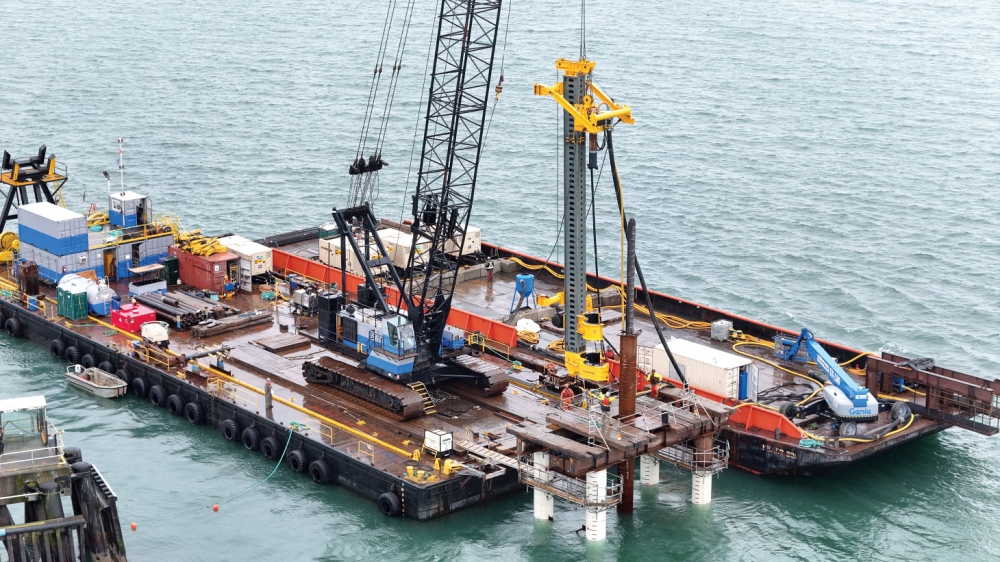
Selecting the right marine contractor is one of the most critical decisions in large scale infrastructure development. Ports, bridges, terminals, and coastal protection systems operate in complex environments where engineering precision, regulatory compliance, and safety performance directly affect long term asset reliability. Owners and engineers must evaluate contractors beyond price alone, focusing on experience, capabilities, and proven delivery methods that align with the technical and environmental demands of marine construction.
Understanding the Complexity of Marine Infrastructure Projects
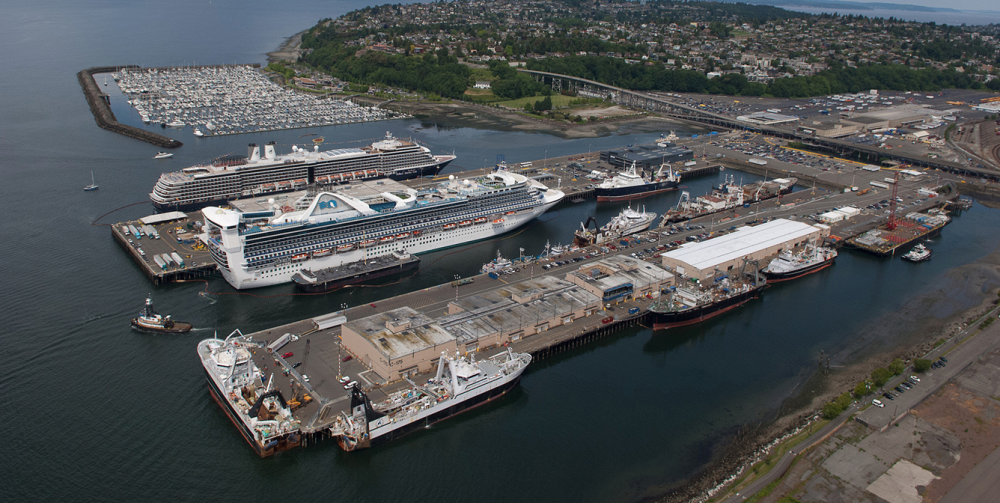
Marine infrastructure projects differ significantly from land based construction due to tidal forces, wave action, soil variability, and restricted access conditions. These projects often require specialized marine equipment, experienced crews, and detailed planning to manage weather windows and navigational constraints. Selecting a contractor with a clear understanding of these challenges helps reduce delays, cost overruns, and safety risks.
Large scale projects also involve coordination with port authorities, environmental agencies, and multiple stakeholders. Contractors must demonstrate the ability to operate within regulated waterways while maintaining productivity and compliance throughout the project lifecycle.
Evaluating Relevant Project Experience
Proven Track Record in Similar Environments
A contractor’s experience with similar project types and site conditions is one of the strongest indicators of future performance. Experience in deep water construction, high current environments, or environmentally sensitive areas should be carefully reviewed. Past projects involving piers, wharves, cofferdams, or pile supported structures provide insight into a contractor’s technical competence and adaptability.
Owners should look for documented performance on projects of comparable scale and complexity, including schedule adherence and quality outcomes. Reviewing case studies and completed project scopes helps verify that experience extends beyond general marine work into large infrastructure delivery.
Capability Across Construction Methods
Marine infrastructure often requires a mix of construction techniques such as driven piles, drilled shafts, trestle systems, dredging, and heavy lift operations. Contractors with in house capabilities across multiple methods can reduce reliance on subcontractors and improve coordination. This versatility allows teams to adjust construction approaches when subsurface conditions or site constraints change.
Firms offering comprehensive marine construction services are often better positioned to manage complex interfaces between structural, geotechnical, and marine operations.
Assessing Safety Performance and Risk Management
Safety Culture and Compliance History
Safety performance is especially critical in marine construction where workers face hazards related to water exposure, heavy equipment, and vessel operations. Contractors should provide clear documentation of safety programs, training protocols, and incident history. Metrics such as experience modification rates and recordable incident trends offer measurable insight into safety culture.
Beyond metrics, owners should evaluate how safety is integrated into daily operations. Contractors that prioritize proactive hazard identification and continuous training tend to deliver more consistent results with fewer disruptions.
Environmental and Operational Risk Controls
Marine projects often operate under strict environmental regulations governing water quality, noise, and habitat protection. Contractors must demonstrate experience implementing mitigation measures such as turbidity controls, spill prevention systems, and monitoring programs. Effective risk management also includes contingency planning for weather delays, equipment downtime, and navigation conflicts.
Contractors familiar with working alongside regulatory agencies and local authorities help streamline approvals and maintain compliance throughout construction.
Reviewing Equipment and Technical Resources
Access to Specialized Marine Equipment
Large scale marine infrastructure requires specialized assets such as crane barges, pile driving rigs, dredging equipment, and marine trestles. Contractors should own or maintain reliable access to properly maintained equipment suited to the project’s scale and water conditions. Equipment availability directly impacts productivity and schedule certainty.
Modern marine fleets equipped with advanced positioning systems and monitoring technology can improve accuracy and efficiency while reducing rework.
Engineering and Technical Support
Strong marine contractors support field operations with in house engineering, planning, and quality control teams. These resources enable detailed construction sequencing, temporary works design, and rapid problem solving when conditions change. Collaboration between engineering and field crews improves constructability and reduces unforeseen risks.
Financial Stability and Project Delivery Capacity
Financial Strength and Bonding Capability
Large infrastructure projects often require significant bonding capacity and financial resilience. Contractors must demonstrate the ability to absorb schedule shifts, material price fluctuations, and unforeseen challenges without compromising performance. Reviewing financial statements and bonding history helps confirm long term stability.
A financially sound contractor is better equipped to invest in equipment, personnel, and safety systems needed for complex marine projects.
Workforce Depth and Management Structure
Successful delivery of large scale projects depends on experienced project managers, superintendents, and skilled craft labor. Contractors should demonstrate depth in their workforce to support simultaneous operations and extended project durations. Clear management structures and communication protocols help maintain alignment between stakeholders and site teams.
Considering Local Knowledge and Regional Presence
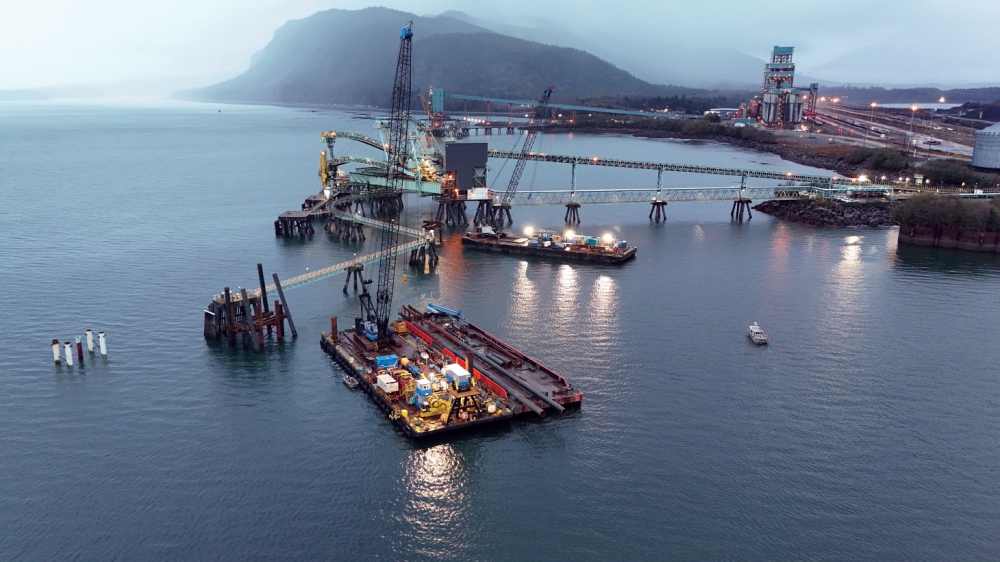
Marine construction is influenced by local conditions such as tidal ranges, permitting processes, and labor availability. Contractors with regional experience bring valuable knowledge of local waterways, suppliers, and regulatory expectations. This familiarity can reduce startup time and improve coordination with local authorities.
Engaging established marine construction contractors with a strong regional presence often results in smoother project execution and stronger stakeholder relationships.
Verifying Quality Control and Inspection Processes
Quality assurance in marine construction is essential due to limited access for post construction repairs. Contractors should maintain documented quality control programs covering pile installation, concrete placement, welding, and structural alignment. Independent inspection coordination and detailed record keeping support long term asset performance.
Owners should ensure that contractors follow recognized industry standards and testing procedures throughout construction.
Aligning Contractor Approach with Project Goals
Every large scale infrastructure project has unique priorities related to schedule, sustainability, and long term maintenance. Contractors should demonstrate flexibility in delivery methods and a willingness to collaborate during preconstruction planning. Early contractor involvement can help refine designs, optimize construction sequences, and identify cost saving opportunities.
Partnering with experienced marine construction contractors that emphasize collaboration and transparency improves outcomes across all project phases.
Final Considerations for Contractor Selection
Selecting a marine contractor for large scale infrastructure projects requires a comprehensive evaluation of experience, safety, resources, and delivery capability. Contractors that combine technical expertise with strong risk management and regional knowledge are best positioned to deliver durable and compliant marine structures.
Working with established providers of marine infrastructure construction services helps ensure that complex projects are executed safely, efficiently, and with long term performance in mind. Investing time in a thorough selection process ultimately protects both project budgets and critical coastal assets.
Evaluate experience in tidal and restricted environments, safety performance, equipment capabilities, engineering support, and regional knowledge.
Experienced contractors reduce risk, ensure regulatory compliance, maintain schedule and quality, and support long-term performance of marine infrastructure. What should I look for when selecting a marine contractor for large infrastructure projects?
Why is working with an experienced marine contractor important?
