








Seawall Repair Strategies Using Polyurethane Grouts
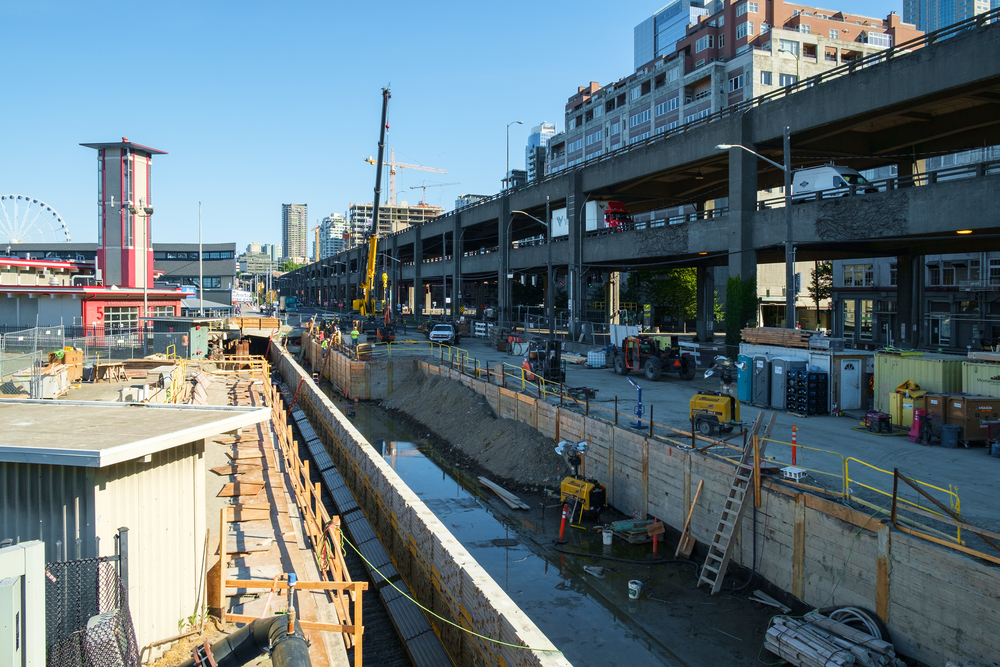
Seawalls face continuous pressure from tides, groundwater, and wave action that gradually weakens their structural stability. When soil begins to wash out from behind the wall or water enters through cracks, the structure can deteriorate faster than anticipated. These challenges have driven the industry toward repair systems that can stabilize soils, stop active leaks, and restore structural support without excavation. Engineers and contractors often rely on proven infrastructure repair materials to address these issues in both residential and commercial waterfront environments.
Understanding Common Causes of Seawall Distress
Soil Loss Behind The Structure
Soil loss is one of the most common drivers of seawall instability. Water passing through open joints or cracks carries fine material into adjacent waterways. As voids grow, the backfill no longer provides reliable lateral support, which makes the seawall susceptible to movement, settlement, or rotation. Polyurethane grouts are effective in these settings because they can reach deep into loose or saturated soil and increase density during expansion.
Hydrostatic Pressure and Water Flow
Hydrostatic pressure develops when water accumulates behind the seawall without a proper escape route. In periods of heavy rainfall or high tides, this pressure can become intense enough to cause cracking or displacement. When joints or seams begin to leak, water movement accelerates the deterioration process. Polyurethane grout is used to block these flow paths because it reacts reliably in wet environments, forming a closed cell structure that prevents further infiltration.
Role of Polyurethane Grouts in Seawall Repair
Hydrophobic and Hydrophilic Reactions
The industry generally classifies polyurethane grouts into hydrophobic and hydrophilic types. Hydrophobic grouts react quickly and expand without absorbing significant water, which makes them suitable for stopping high flow leaks. Hydrophilic grouts absorb some moisture and cure into a flexible gel that performs well in fine cracks or intermittent leaks. Both categories offer predictable performance when applied correctly and are widely used across coastal repair projects.
Compatibility in Saturated Conditions
Polyurethane materials are valued for their ability to perform in fully saturated soils. Traditional cementitious grouts can wash out or fail to cure when water movement is strong. Polyurethane bonds to surrounding material and completes its chemical reaction in the presence of moisture. This reliability allows contractors to perform repairs in tidal zones, marinas, lakeshores, and riverfront properties where water exposure is unavoidable.
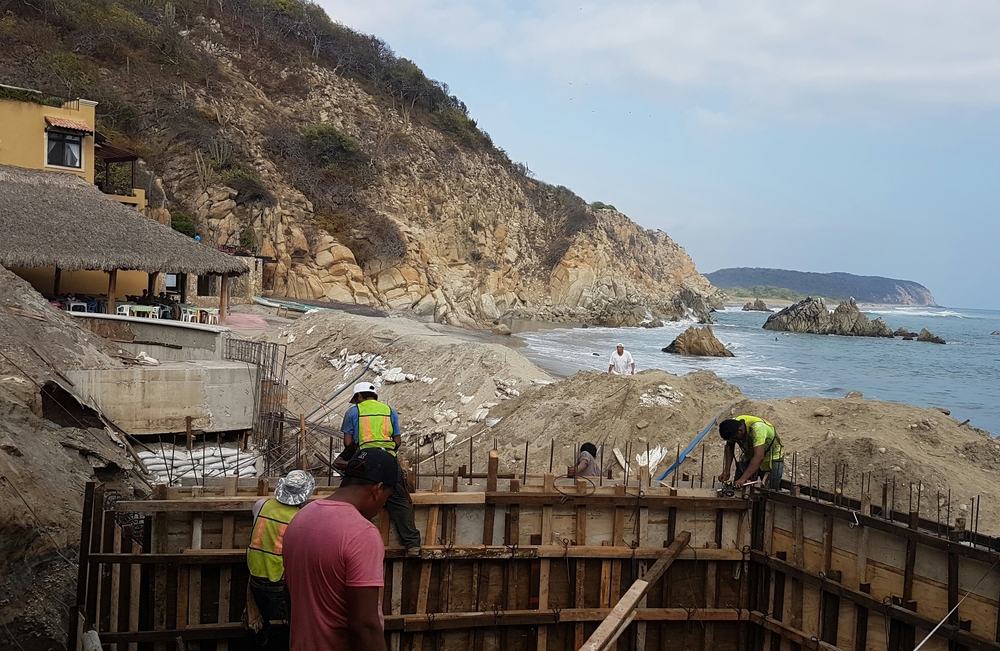
Field Applications for Polyurethane Seawall Repair
Void Filling Behind Seawalls
When voids form behind the wall, small injection holes are drilled into the soil behind the seawall cap or panels. Polyurethane grout expands to fill these cavities and restore the density of the backfill zone. The lightweight nature of the material reduces the possibility of imposing additional stress on the structure while still providing reliable support. This technique is one of the most common repair strategies used in residential canal systems and commercial waterfront districts.
Joint Sealing in Cap and Panel Connections
Precast seawall systems often feature joints between panels and along the cap that can become vulnerable over time. These openings allow water to enter and wash out soil beneath the structure. Polyurethane grout is injected into these locations to create a durable seal. Hydrophilic mixtures are frequently selected because they can expand slightly in response to moisture cycles and maintain a long term seal.
Soil Stabilization Below The Structure
In many projects, the problem extends deeper than the backfill zone. Saturated soils reduce the bearing capacity beneath the seawall foundation. Polyurethane permeation grouting strengthens these soils by binding the grains together during expansion. Once cured, the improved soil mass offers greater shear strength and reduced permeability. This technique is widely used when the lower portion of the wall shows signs of settlement or rotation.
Evaluating Site Conditions Before Selecting Grout
Leak Behavior Assessment
Accurate assessment of leak behavior determines what type of polyurethane is needed. High flow leaks often require hydrophobic grouts because they react quickly, while slow seepage or hairline cracks are better suited for hydrophilic materials. Understanding the rate and direction of water movement helps contractors determine injection points and select the appropriate viscosity.
Material and Equipment Considerations
Precise injection equipment is needed because polyurethane reacts quickly and expands rapidly. Pumps must control pressure and flow to avoid over injection or unintended lifting of the seawall. Contractors experienced in polyurethane applications often guide engineers on selecting the correct formulation, equipment type, and application pattern. Many repair firms also reference advanced construction solutions during planning to ensure long term performance.
Long Term Performance Characteristics
Resistance to Washout
Once cured, polyurethane foam forms a stable, closed cell structure that resists washout. This property is essential in areas regularly exposed to tides, boat wakes, or storm surges. The material maintains its shape and density even under repeated hydraulic pressure. Contractors typically confirm the desired material properties through standard product testing data.
Environmental Compatibility
Modern polyurethane grouts designed for marine environments are formulated to be safe once fully cured. They comply with environmental guidelines related to waterfront work. Contractors still follow strict procedures during installation to ensure that uncured material does not enter waterways.
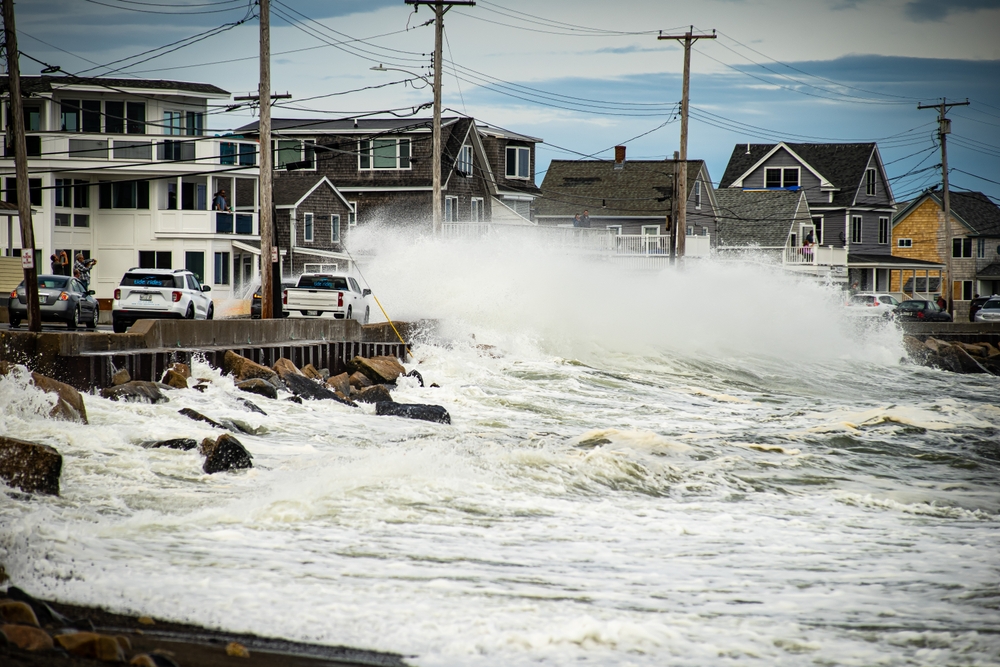
Case Based Insights From Coastal Projects
Residential Canal Systems
Many coastal communities rely on older seawalls that were not designed for current water levels or modern construction loads. Polyurethane grout has proven effective at lifting settled sections, filling voids, and sealing leaks without disturbing landscaping, docks, or nearby structures. These repairs can often be completed in a single day, which reduces disruption for homeowners.
Commercial Marinas and Waterfront Facilities
Marinas experience constant loading from boat traffic, wave action, and fluctuating water levels. Over time, this stress contributes to soil loss beneath walkways, parking areas, and retaining structures. Polyurethane grouting helps stabilize these areas and prevent further erosion. The ability to work around active operations makes it practical for public and commercial facilities that cannot shut down for extended periods.
A Reliable Approach for Seawall Rehabilitation
Polyurethane grouting provides a proven approach for repairing seawalls that experience water infiltration, soil loss, or structural settlement. Its ability to expand, seal leaks, and stabilize soils in saturated environments makes it one of the most reliable solutions available. When supported by proper site evaluation and application techniques, polyurethane systems can extend seawall service life and improve performance under demanding coastal conditions. As waterfront structures continue to face increasing environmental pressure, contractors and engineers will continue to rely on advanced construction solutions that improve resilience and preserve critical infrastructure.
Polyurethane grout stabilizes soil, seals leaks, and strengthens seawalls even in saturated or flowing water conditions.
Hydrophobic grout reacts quickly to stop high flow leaks, while hydrophilic grout absorbs moisture and seals slow seepage or fine cracks. Why is polyurethane grout used for seawall repairs?
What is the difference between hydrophobic and hydrophilic polyurethane in seawall applications?
