

Role of Tugs in Transporting Heavy Foundation Materials Over Water for Coastal Construction
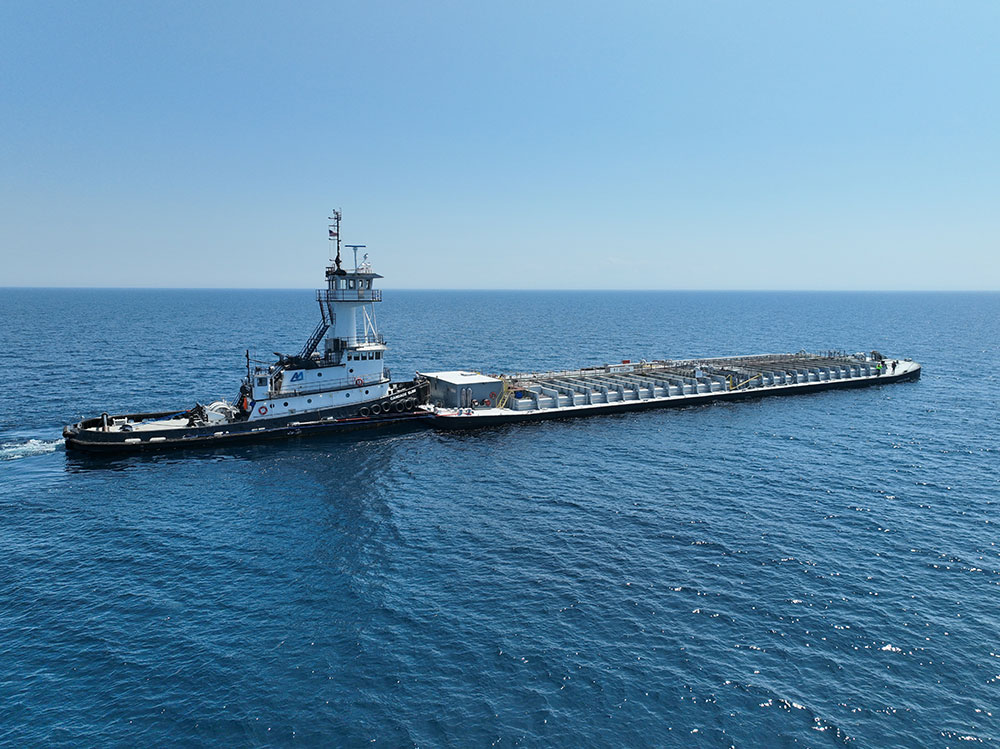
Coastal construction projects depend on the efficient movement of heavy foundation materials such as piles, steel sections, precast concrete, and bulk aggregates. In many shoreline and nearshore environments, land-based transport alone is not practical due to weight limits, access constraints, or cost. Tug-assisted marine transportation plays a critical role in solving these challenges by enabling large volumes of foundation materials to move safely and economically over water.
Why Marine Transport is Essential for Coastal Projects
Coastal and marine construction sites are often located in areas with limited road access, soft ground conditions, or environmental restrictions that limit truck traffic. Transporting oversized foundation materials by water reduces congestion, minimizes shoreline disturbance, and allows contractors to move components that would be difficult or impossible to haul by land.
Marine transportation also supports staged deliveries, allowing materials to arrive in sequence based on installation schedules. This approach reduces laydown space requirements at crowded waterfront sites and improves overall project efficiency. Tug and barge operations form the backbone of this logistics strategy for heavy civil work along coasts, rivers, and large lakes.
How Tugs Support Heavy Foundation Logistics
Tugs provide the controlled power needed to move loaded barges through confined waterways, harbors, and open water routes. Unlike self-propelled cargo vessels, barges rely entirely on tugboats for positioning, maneuvering, and speed control, which is essential when transporting foundation materials that may weigh thousands of tons.
For coastal construction, tugs are often used to push or pull deck barges carrying steel piles, pipe piles, sheet piles, and large precast elements. Hopper barges may also be used for bulk foundation materials such as stone or aggregate used in cofferdams, breakwaters, and scour protection. In many cases, marine transportation services are integrated into broader project logistics planning to ensure reliable material flow from supply points to job sites.
Types of Foundation Materials Commonly Moved by Tug and Barge
Heavy foundation materials transported over water typically include structural steel components, large diameter piles, and precast concrete elements used in marine and coastal structures. These materials are well suited for barge transport due to their size, weight, and durability.
Aggregates such as gravel and crushed stone are also frequently moved by barge to support foundation preparation, ground improvement, and marine armor applications. Transporting these materials by water reduces per-ton shipping costs and supports large-scale coastal construction efforts that require consistent material supply.
Deck Barges and Project Cargo Applications
Deck barges are a common choice for transporting oversized foundation materials. Their flat decks accommodate long and heavy loads, allowing materials to be secured and staged for unloading at marine construction sites. Tugs maneuver these barges with precision, positioning them alongside docks, temporary trestles, or floating cranes.
Project cargo transportation often involves custom loading plans, weight distribution analysis, and coordination with marine contractors. Marine transportation providers experienced in handling large construction cargo can support complex foundation projects by delivering materials directly to installation zones, reducing the need for secondary handling.
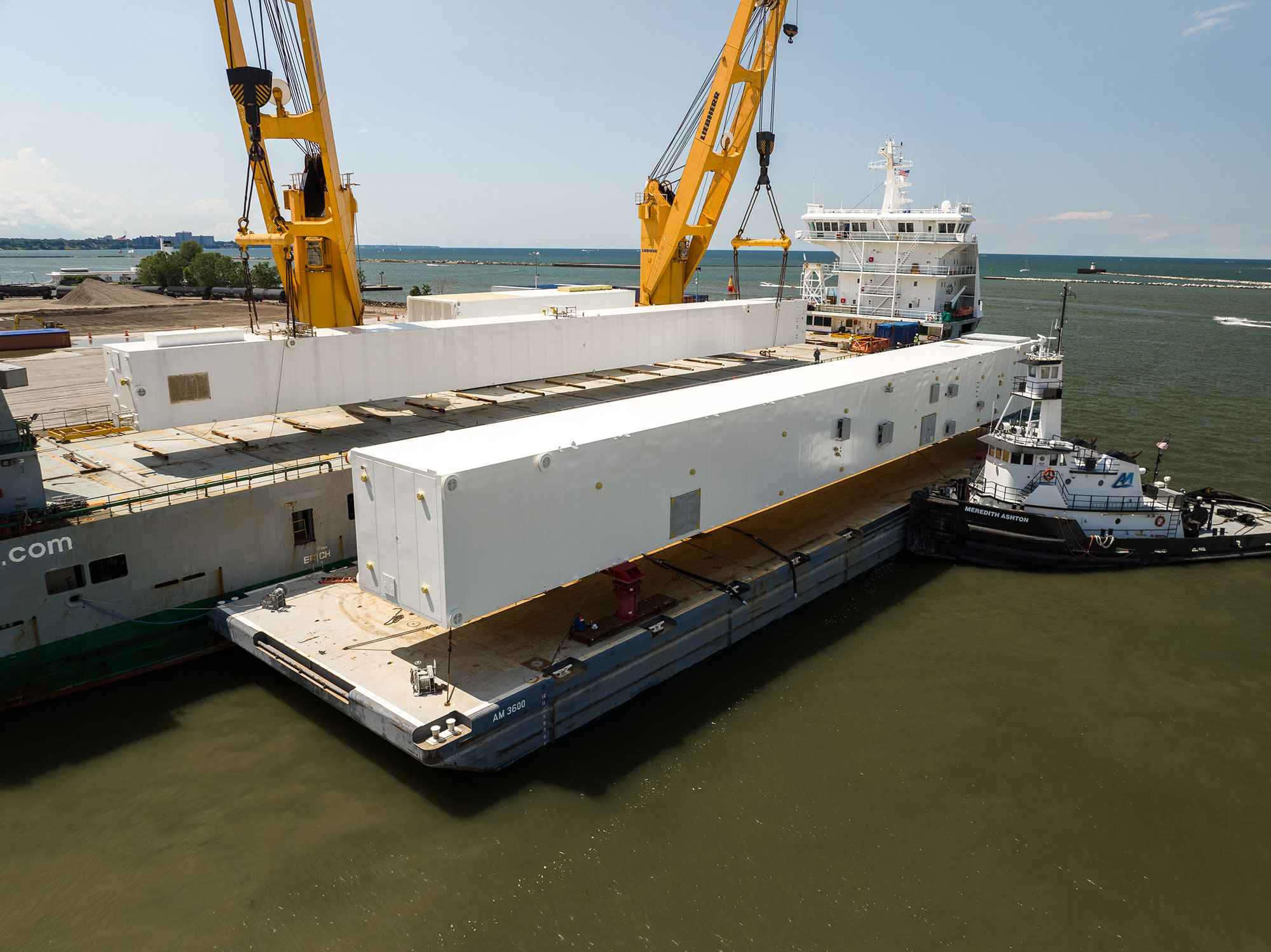
Navigating Coastal and Inland Waterways
Coastal construction logistics require tugs capable of operating in a range of conditions, including narrow rivers, ports, and open water environments. Navigational expertise is critical when moving heavy foundation materials through shipping channels, lock systems, and busy harbor areas.
In colder regions, seasonal conditions such as ice can also impact material transport schedules. Ice-capable tugs and operational planning help maintain supply chains for coastal projects that extend into winter months. These capabilities ensure foundation materials reach job sites without extended delays.
Safety and Stability During Transport
Transporting heavy foundation materials by barge requires careful attention to stability, load securement, and weather conditions. Tug operators play a key role in maintaining safe transit speeds and routes, particularly when moving tall or uneven loads that may be sensitive to wind and wave action.
Marine transportation services supporting construction projects follow established safety standards for cargo handling, vessel operation, and crew training. These practices reduce the risk of cargo shift, structural damage, or environmental incidents during transport.
Environmental and Economic Advantages
Moving foundation materials by water offers environmental benefits compared to large-scale truck hauling. Barges can move significantly more material per trip, resulting in lower fuel consumption per ton and reduced emissions. This efficiency aligns with sustainability goals increasingly prioritized in coastal infrastructure development.
From a cost perspective, marine transportation allows contractors to source materials from a wider geographic area without incurring excessive transportation expenses. Using reliable tug and barge logistics can improve project budgeting and scheduling for large coastal foundation projects.
Integration with Marine Construction Operations
Tug-assisted transport often works in tandem with floating cranes, pile driving rigs, and other marine construction equipment. Materials delivered by barge can be transferred directly to installation platforms, minimizing handling steps and reducing onshore storage needs.
This integration is especially valuable for projects such as bridge foundations, seawalls, bulkheads, and port infrastructure. Coordinated marine logistics help keep foundation installation on schedule and reduce downtime caused by material shortages.
Planning for Foundation Material Delivery
Successful coastal construction projects involve early planning for marine transportation requirements. Factors such as load dimensions, water depth, port access, and unloading methods influence tug and barge selection. Contractors often rely on experienced marine transportation partners to assess these variables and develop efficient delivery strategies.
Selecting proven marine transportation solutions for heavy construction cargo ensures foundation materials arrive safely, on time, and in the condition required for installation. These services form a critical link between material suppliers and coastal construction sites.
Supporting Coastal Construction From Start to Finish
Tugs play a foundational role in modern coastal construction by enabling the movement of heavy materials that support long-lasting infrastructure. From initial ground preparation to final structural installation, marine transportation supports every phase of foundation work over water.
By relying on proven marine transportation capabilities for construction cargo, project teams can improve efficiency, manage costs, and reduce logistical risk. Tug-assisted transport remains an essential component of coastal construction logistics as projects continue to grow in scale and complexity.
Tugboats move oversized and heavy materials by water when land transport is impractical or limited.
Steel piles, precast concrete elements, large aggregates, and structural components are typically moved by tug and barge. Why are tugboats used for transporting foundation materials in coastal construction?
What types of foundation materials are commonly transported by barge and tug?
