







Repurposed Steel Tubulars in Marine Piling: Performance and Environmental Advantages
Marine construction projects continue to face increasing pressure to balance structural performance with environmental responsibility. Piling systems must withstand aggressive marine conditions while also aligning with sustainability goals driven by regulators, owners, and coastal stakeholders. One solution gaining renewed attention is the use of repurposed steel tubulars in marine piling applications, where previously used steel sections are reintroduced into new projects after inspection and processing. When properly selected and engineered, repurposed tubulars can deliver comparable performance to new materials while offering meaningful environmental and logistical advantages.
Why Steel Tubulars Remain Central to Marine Piling
Steel tubular piles have long been a foundation of marine infrastructure due to their strength, uniform geometry, and adaptability to a wide range of subsurface conditions. Ports, wharves, dolphins, and offshore structures rely on tubular piles to resist axial loads, lateral forces, and cyclic wave action. The circular cross section provides consistent load transfer and favorable resistance to bending and torsion, which is critical in tidal and current-driven environments.
In marine settings, steel tubulars are often preferred because they can be driven to significant depths, spliced efficiently, and integrated with a variety of superstructure connections. These same characteristics make steel tubulars well suited for reuse, provided the material condition meets project specifications and applicable standards.
What Repurposed Steel Tubulars Mean in Practice
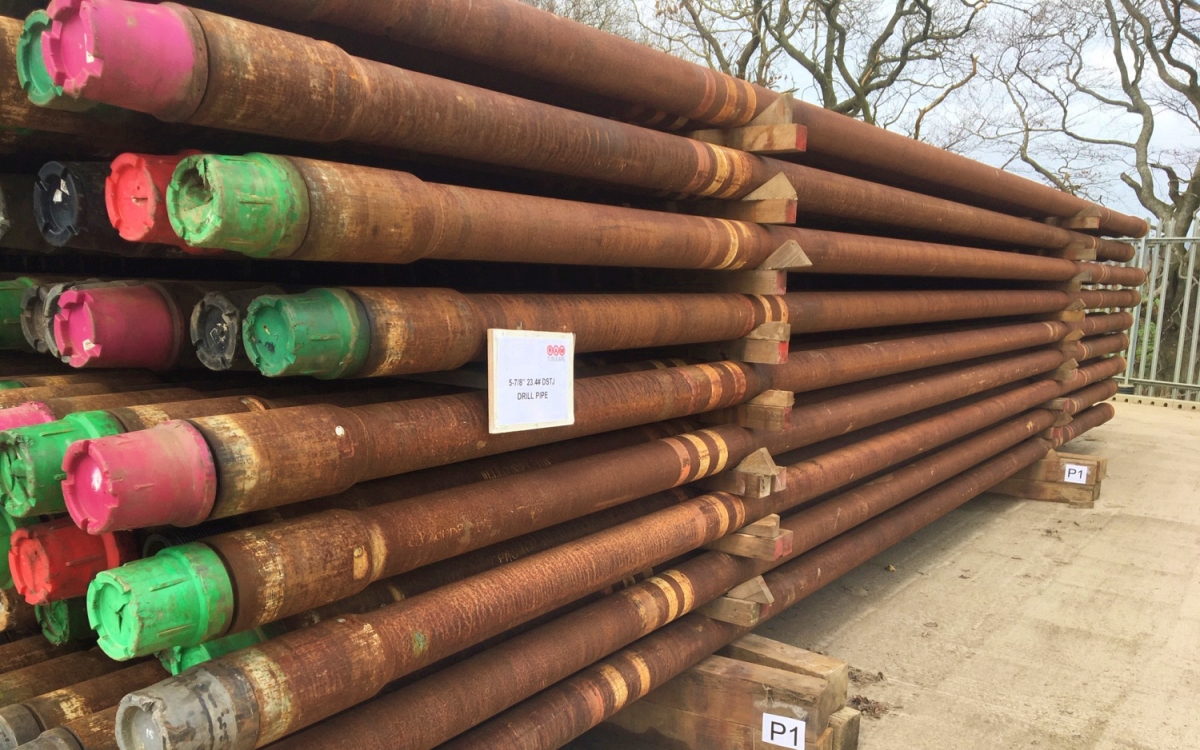
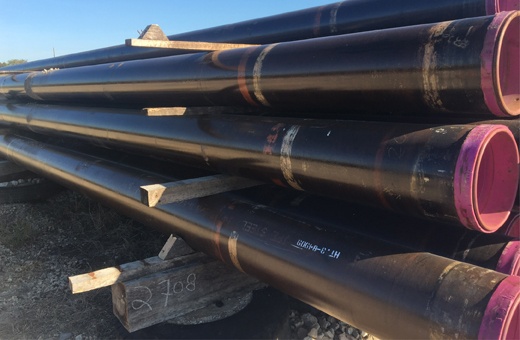
Repurposed steel tubulars typically originate from decommissioned offshore platforms, temporary works, oil and gas infrastructure, or previous marine and industrial projects. Once removed from service, these tubulars are cleaned, measured, and evaluated to determine remaining wall thickness, straightness, and overall structural integrity. Sections that meet engineering requirements can then be cut, reconditioned, and redeployed in new marine piling applications.
This practice aligns with broader circular economy principles by extending the service life of steel products rather than immediately returning them to the scrap stream. For marine contractors, repurposed tubulars can offer greater flexibility in sourcing and scheduling compared to mill-produced materials.
Structural Performance Considerations in Marine Environments
From a performance standpoint, repurposed steel tubulars must satisfy the same design criteria as new piles. Engineers evaluate axial capacity, lateral resistance, buckling behavior, and fatigue performance based on verified dimensions and material properties. Non-destructive testing methods such as ultrasonic thickness measurements are commonly used to confirm remaining wall capacity, particularly for tubulars that previously operated in corrosive offshore environments.
When these assessments are properly conducted, repurposed tubulars can perform effectively under static and dynamic marine loads. In many marine piling applications, design capacity is governed by geotechnical conditions rather than material strength, which further supports the suitability of well-qualified repurposed steel tubulars.
Durability and Corrosion Management
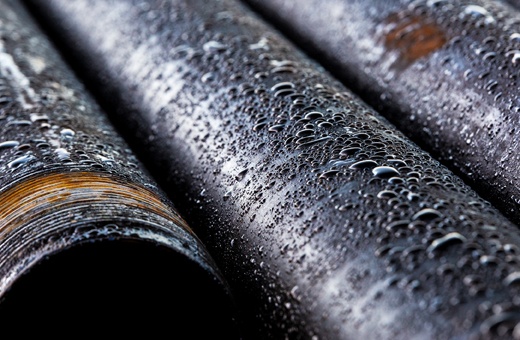
Corrosion is a primary concern for any steel pile used in marine environments, regardless of whether the material is new or repurposed. The key factor is not the origin of the steel, but how corrosion allowance, coatings, and cathodic protection systems are addressed in the design.
Repurposed tubulars are often specified with conservative corrosion allowances and may receive new protective coatings or be integrated into cathodic protection systems. In splash zones and tidal regions, these measures are especially critical. With proper corrosion management, repurposed steel tubulars can achieve service lives comparable to new piles in similar exposure conditions.
Environmental Benefits of Reusing Steel Tubulars
The environmental advantages of repurposed steel tubulars are closely tied to reduced embodied carbon and resource consumption. Producing new steel is energy-intensive, requiring significant raw material extraction and high-temperature processing. By contrast, reusing existing tubulars avoids much of this upstream environmental impact.
For marine projects seeking to reduce their carbon footprint, incorporating repurposed steel tubulars supports sustainability targets without compromising structural performance. Reduced demand for new steel production also lowers associated emissions from transportation and manufacturing, which is increasingly relevant for coastal and port developments subject to environmental review.
Early-stage project planning often includes material sourcing strategies, and specifying reclaimed steel tubulars can contribute to both sustainability reporting and cost control when availability aligns with design requirements.
Supply Chain and Project Scheduling Advantages
Beyond environmental considerations, repurposed steel tubulars can offer practical supply chain benefits. Availability from existing inventories can shorten lead times compared to mill orders, particularly during periods of high steel demand or market volatility. This can be a significant advantage for marine projects operating under tight construction windows or seasonal environmental restrictions.
Having access to a range of diameters and wall thicknesses from repurposed stock also allows engineers and contractors to adapt designs more efficiently. This flexibility can reduce delays associated with material procurement and fabrication.
Quality Control and Engineering Due Diligence
Successful use of repurposed steel tubulars depends heavily on quality control and documentation. Each section must be traceable, measured, and verified to ensure it meets project specifications. Engineering teams typically require detailed inspection records, dimensional verification, and confirmation that the material is suitable for the intended loading and exposure conditions.
Marine piling projects often operate under strict regulatory oversight, making thorough documentation essential. When these processes are followed, repurposed tubulars can be integrated into marine foundations with confidence and predictability.
Applications Across Marine Infrastructure
Repurposed steel tubulars are used in a wide range of marine applications, including fender systems, mooring dolphins, temporary works, and permanent foundation elements. In many cases, they are particularly well suited for projects where pile lengths and diameters are adaptable, or where temporary or semi-permanent structures are required.
As sustainability considerations continue to influence marine construction practices, the use of repurposed steel piles is likely to expand across ports, waterfront developments, and offshore support infrastructure.
Balancing Performance, Cost, and Sustainability
The decision to use repurposed steel tubulars ultimately involves balancing structural performance, environmental goals, and project economics. When properly engineered and inspected, repurposed tubulars offer a compelling option that aligns with modern marine construction priorities.
As owners and contractors seek materials that deliver both reliability and reduced environmental impact, repurposed steel tubulars represent a practical solution that builds on proven marine piling practices while supporting long-term sustainability objectives.
