

Pressure-Treated Lumber for Bulkheads and Seawalls: Long-Term Performance Tips
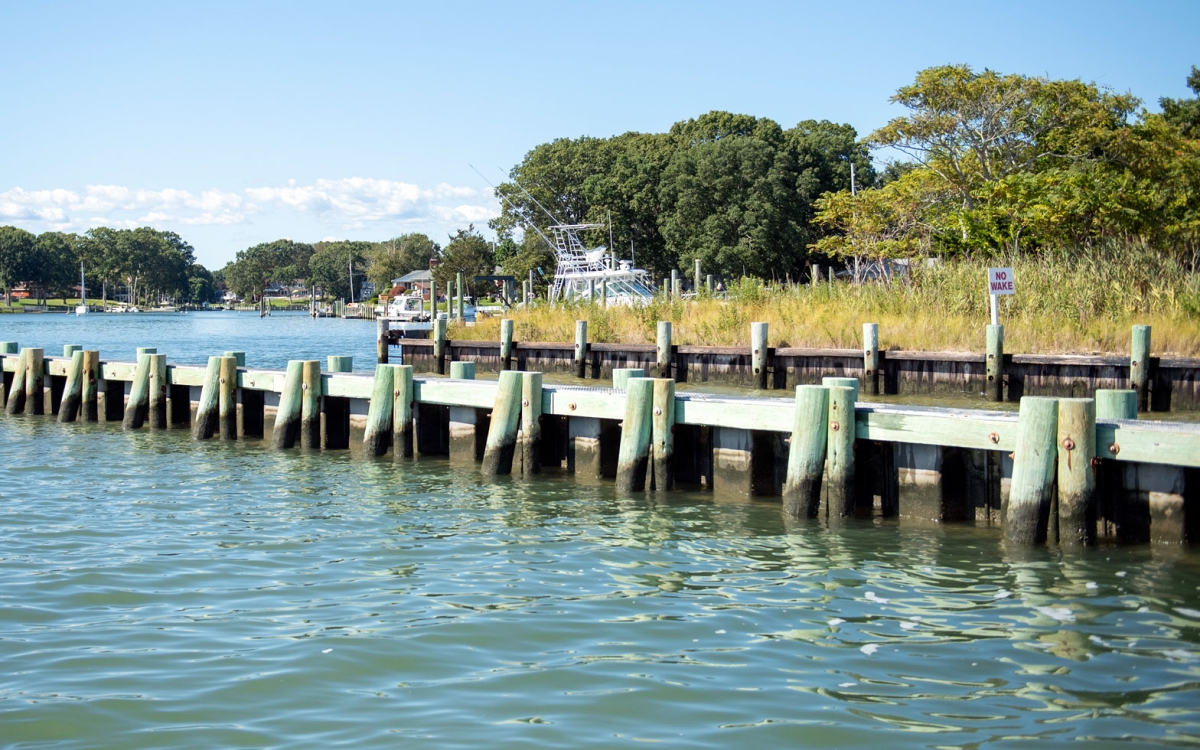
Pressure-treated lumber remains one of the most widely used materials for bulkheads and seawalls in waterfront construction due to its balance of strength, availability, and cost. When properly specified, installed, and maintained, pressure-treated wood can perform reliably for decades in harsh marine and brackish environments. Understanding how treatment methods, exposure conditions, and design decisions affect long-term performance is essential for contractors, engineers, and asset owners working along shorelines.
Why Pressure-Treated Lumber is Used in Marine Retaining Structures
Pressure-treated lumber is commonly selected for bulkheads and seawalls because it provides structural capacity while resisting biological deterioration in wet environments. Marine retaining structures are constantly exposed to moisture, oxygen, and biological organisms that accelerate decay in untreated wood. Pressure treatment introduces preservatives deep into the wood fibers, significantly slowing fungal growth and insect damage.
Modern marine construction relies on pressure-treated wood because it can be produced in large cross sections suitable for sheeting, wale systems, and deadmen. Its compatibility with steel tie rods and anchoring systems also makes it a practical choice for both new construction and rehabilitation projects. Contractors often favor pressure-treated lumber for projects where access, budget, or site conditions limit the use of concrete or steel alternatives.
Treatment Standards That Affect Service Life
Importance of Retention Levels
The long-term durability of pressure-treated lumber depends heavily on preservative retention levels specified for marine exposure. Wood used in bulkheads and seawalls is typically treated to higher retention levels than lumber used for above-ground or freshwater applications. These retention levels are designed to withstand continuous ground contact and frequent wet-dry cycles common in tidal zones.
Marine-grade pressure-treated lumber is often produced to meet standards intended for severe exposure conditions, ensuring preservatives penetrate deeply enough to protect the wood core. Using lumber treated for lower exposure categories in a marine environment can significantly shorten service life and lead to premature structural failure.
Common Preservative Systems in Waterfront Projects
Modern pressure-treated lumber no longer relies on older arsenic-based systems for most applications. Copper-based preservatives are now widely used in marine construction due to their effectiveness against decay fungi and marine borers. These systems are engineered to provide long-term protection while meeting current environmental and regulatory requirements.
Proper treatment selection is especially critical in saltwater and brackish environments, where marine organisms such as gribbles and shipworms can rapidly degrade untreated or under-treated wood. Selecting pressure-treated lumber specifically rated for marine use is a foundational step in ensuring long-term performance.
Design Considerations That Influence Durability
Structural Configuration and Load Management
Bulkhead and seawall longevity depends not only on material choice but also on structural design. Pressure-treated lumber performs best when loads are evenly distributed and excessive bending stresses are minimized. Proper spacing of vertical sheeting, wales, and tie-back systems reduces localized stress that can accelerate cracking and splitting.
Designs that account for soil pressure, hydrostatic forces, and wave action help prevent movement that could compromise fasteners and connections. Movement within the structure often creates pathways for moisture intrusion and biological attack, reducing the effective lifespan of the lumber.
Allowing for Drainage and Ventilation
Effective drainage is critical for pressure-treated lumber performance. Trapped water behind bulkheads increases hydrostatic pressure and keeps wood fibers saturated for extended periods. Installing weep holes, filter fabric, and granular backfill allows water to escape, reducing both structural loads and decay risk.
Ventilation above the waterline also plays a role in durability. Sections of lumber that can dry between wetting cycles typically experience slower deterioration than constantly saturated components. Design strategies that promote airflow can meaningfully extend service life.
Installation Practices That Protect Treated Wood
Handling and Field Modifications
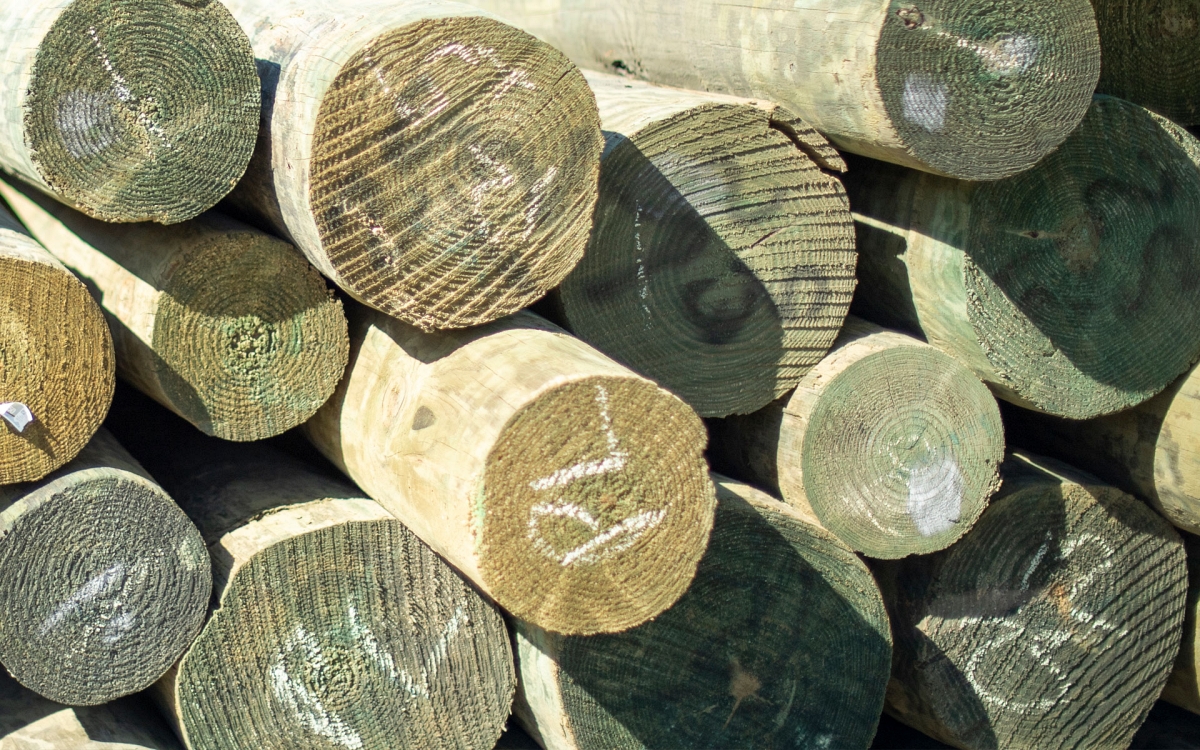
Pressure-treated lumber must be handled carefully during installation to preserve the integrity of the treatment. Cutting, drilling, or notching treated wood exposes untreated interior fibers that are more susceptible to decay. Field-applied preservatives should be used on all cuts and penetrations to restore protection at these vulnerable points.
Improper handling that damages surface fibers or treatment envelopes can reduce effectiveness over time. Contractors should avoid excessive abrasion during transport and installation, particularly in interlocking sheet systems where tight tolerances are required.
Fastener Compatibility in Marine Environments
Fastener selection has a direct impact on the long-term performance of pressure-treated lumber. Copper-based preservatives can accelerate corrosion in standard steel fasteners, leading to connection failures even when the wood remains structurally sound. Marine-grade fasteners, typically stainless steel or hot-dip galvanized, are essential for preventing premature deterioration.
Connection detailing should also allow for minor wood movement due to moisture changes. Overly rigid connections can concentrate stress and promote splitting, especially in thicker sections exposed to seasonal moisture variation.
Environmental Exposure and Performance Expectations
Saltwater Versus Freshwater Conditions
Pressure-treated lumber generally performs differently depending on whether it is installed in freshwater, brackish, or saltwater environments. Saltwater exposure introduces additional challenges due to marine borers and increased corrosion potential. Lumber treated specifically for saltwater applications demonstrates significantly better resistance in these conditions than material treated for inland use.
Understanding site-specific exposure conditions allows project teams to set realistic performance expectations and select treatment levels accordingly. In some cases, hybrid systems combining pressure-treated wood with alternative materials may offer optimal durability.
UV Exposure and Surface Degradation
Above-water portions of bulkheads and seawalls are exposed to ultraviolet radiation, which can degrade wood surfaces over time. While UV exposure does not typically affect structural capacity directly, it can lead to surface checking and cracking that allows moisture penetration. Protective coatings or caps can help reduce UV damage and improve long-term appearance.
Inspection and Maintenance for Extended Service Life
Routine Monitoring of Structural Components
Even well-designed and properly installed pressure-treated lumber systems benefit from regular inspection. Early identification of movement, fastener corrosion, or localized decay allows for targeted repairs before larger structural issues develop. Annual inspections are particularly important after severe storms or flooding events.
Maintenance activities often focus on replacing compromised fasteners, sealing exposed cuts, and correcting drainage issues. These relatively minor interventions can significantly extend the functional lifespan of bulkheads and seawalls.
Repair Versus Replacement Decisions
Pressure-treated lumber systems are often repairable in sections, making them attractive for long-term asset management. Localized damage can frequently be addressed without full replacement, reducing lifecycle costs. Understanding how treated wood ages helps owners make informed decisions about rehabilitation timing and scope.
Sourcing Materials for Waterfront Construction
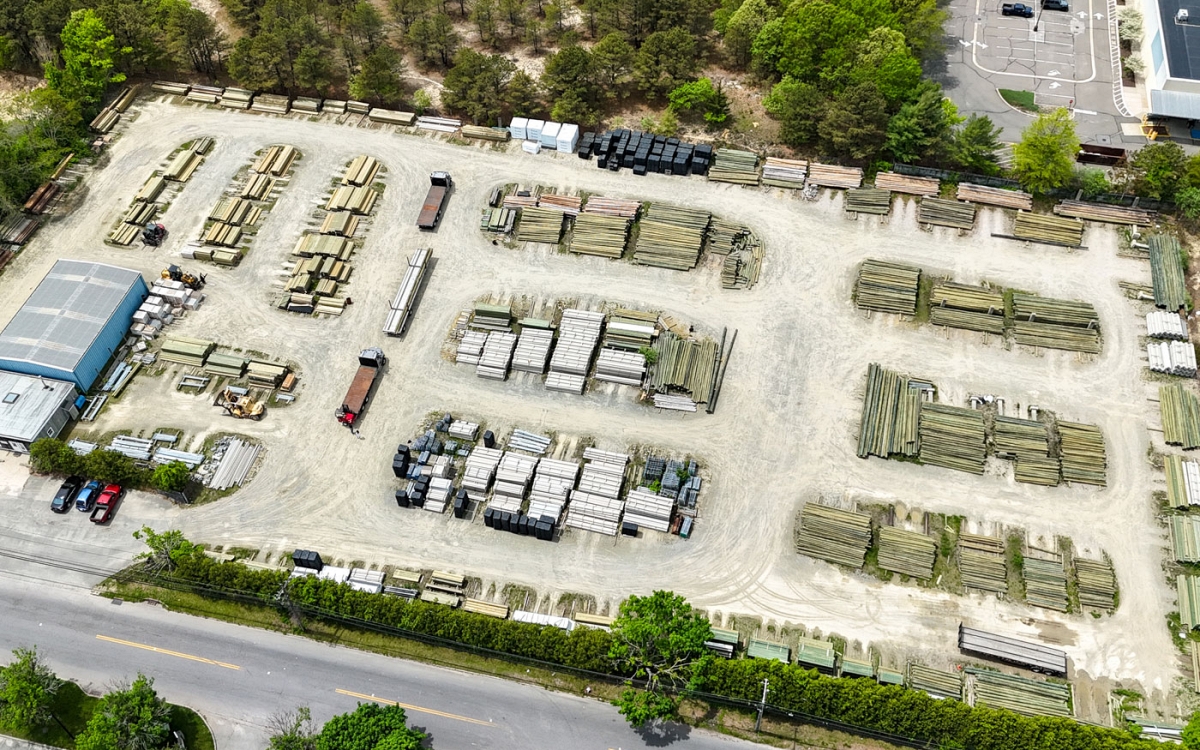
Selecting reliable suppliers familiar with marine construction requirements is essential when sourcing pressure-treated lumber. Suppliers that stock materials specifically rated for bulkhead and seawall applications help reduce risk by ensuring proper treatment levels and consistent quality. Contractors working with marine-grade pressure-treated lumber designed for waterfront use are better positioned to achieve predictable long-term performance.
As waterfront infrastructure continues to age, pressure-treated lumber remains a viable solution when paired with informed design, careful installation, and proactive maintenance. By understanding treatment standards, environmental exposure, and construction best practices, project teams can maximize durability while managing cost and constructability. For projects evaluating waterfront bulkhead materials, pressure-treated lumber continues to offer a proven balance of performance and adaptability in marine environments.
