




Optimizing Mat Usage in Piling Operations: Tips for Load Distribution and Ground Protection
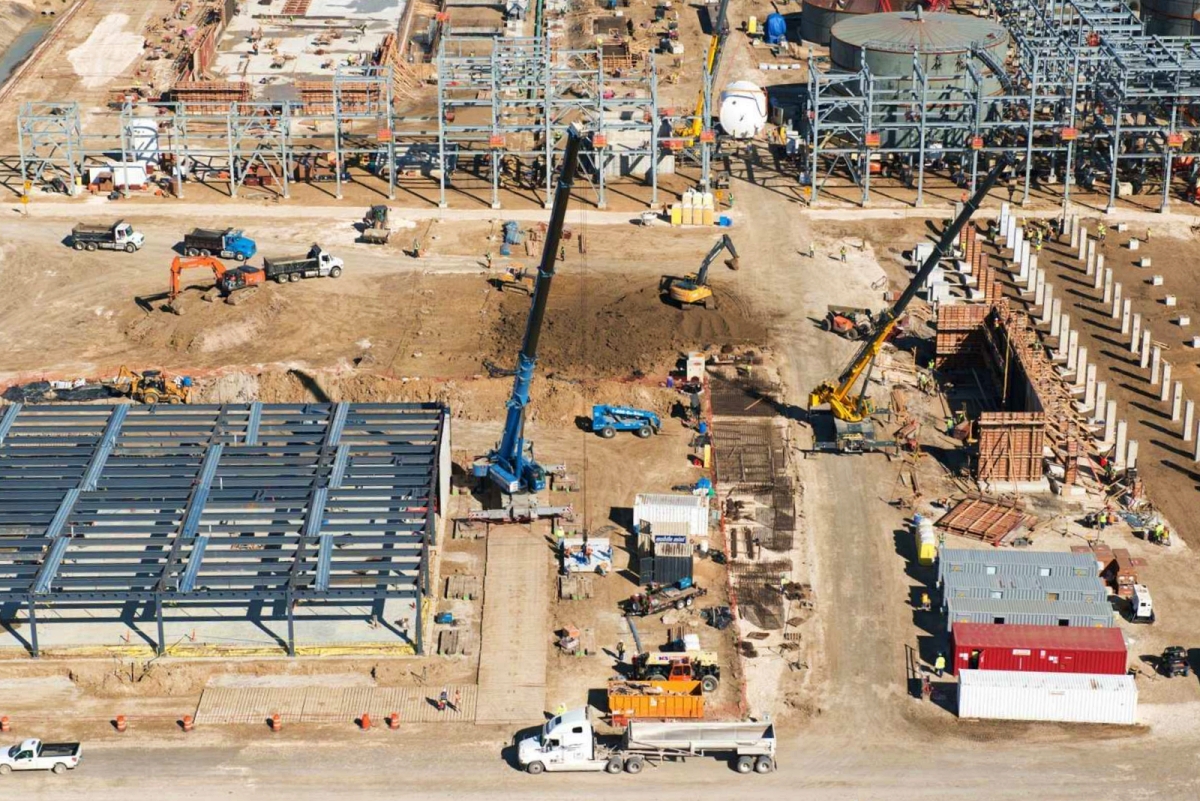
Temporary ground protection mats play a critical role in modern piling operations, especially as projects move into softer soils, tighter sites, and environmentally sensitive areas. Proper mat selection and layout directly influence equipment stability, load transfer efficiency, and long term site integrity. When mats are used strategically, they help contractors maintain productivity while reducing ground disturbance, equipment downtime, and safety risks on demanding jobsites.
In piling projects that involve cranes, leads, hammers, and material handling equipment, mat systems often function as the unseen foundation beneath the operation. Understanding how mats distribute loads, protect subgrade soils, and support repeated equipment movement is essential for optimizing both performance and cost across the project lifecycle.
Why Mat Optimization Matters in Piling Work
Piling operations generate concentrated loads that far exceed those found in standard earthmoving or access road applications. Crane outrigger pressures, hammer reaction forces, and tracked rig movements can quickly overwhelm native soils if loads are not properly spread. Ground protection mats help distribute these forces over a wider surface area, reducing bearing pressure and minimizing settlement.
When mat systems are poorly designed or inconsistently placed, contractors may experience uneven crane platforms, shifting leads, and repeated releveling that slows production. Optimized mat usage improves load uniformity, supports accurate pile placement, and allows crews to maintain tighter tolerances throughout driving operations.
Understanding Load Distribution Requirements
Effective mat deployment begins with understanding how loads transfer from equipment into the ground. Piling rigs and cranes apply both static and dynamic loads, particularly during hammer strikes and pile extraction. These forces can vary significantly depending on equipment configuration, soil conditions, and operational sequencing.
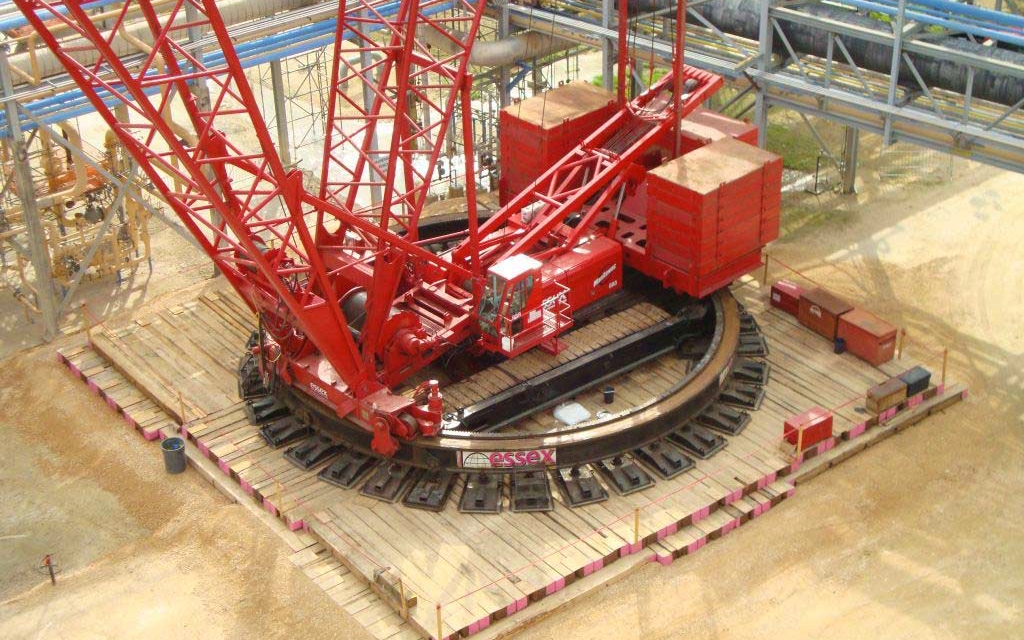
Load distribution mats function by spreading concentrated pressures across a larger footprint, lowering stress on the underlying soil. Engineers typically evaluate ground bearing capacity, equipment weights, and contact pressures to determine appropriate mat thickness and layout. Contractors seeking reliable ground protection solutions often rely on heavy duty matting systems designed for crane and piling support to achieve consistent load performance across varying site conditions.
Selecting Mat Materials for Piling Sites
Material selection directly influences mat performance under piling loads. Timber mats remain widely used due to their stiffness, load spreading capacity, and availability in large formats. Hardwood mats are particularly effective in high load applications, while laminated or composite mats may offer improved consistency and longer service life in repetitive operations.
Steel and composite mats are sometimes used in highly controlled environments or where space constraints demand thinner profiles. Regardless of material, the key performance criteria include compressive strength, resistance to cracking or delamination, and the ability to maintain structural integrity under repeated dynamic loading.
Subgrade Preparation and Mat Placement
Even the best mat system cannot perform effectively if the subgrade beneath it is unstable. Prior to placement, contractors should evaluate soil moisture, compaction, and drainage conditions. Soft soils may require geotextiles, gravel working layers, or preloading to improve bearing capacity before mats are installed.
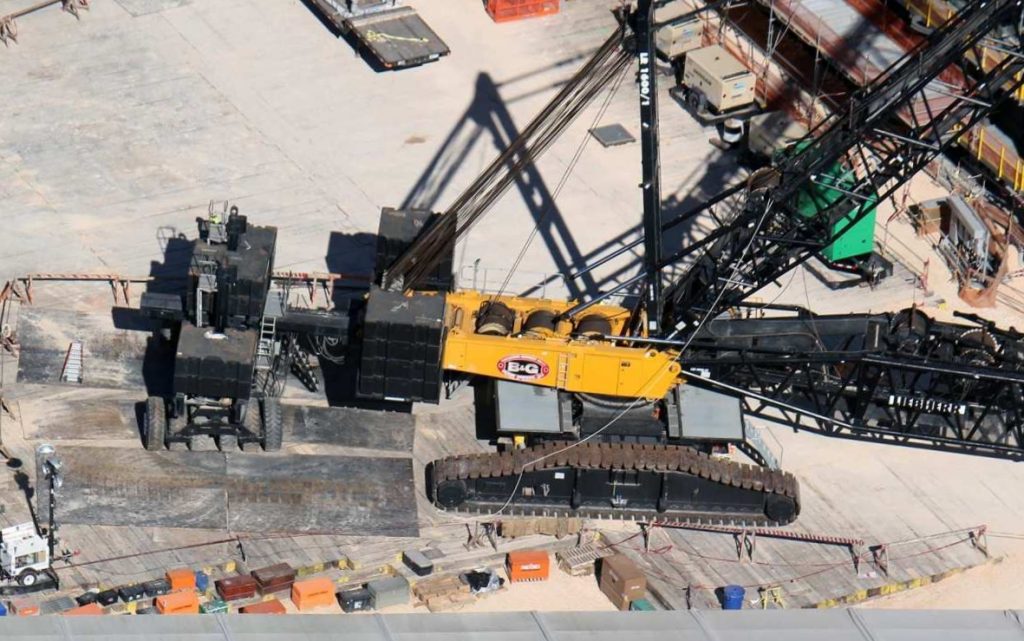
Proper mat placement involves tight joints, uniform contact, and alignment that follows equipment travel paths. Gaps between mats can lead to differential settlement and edge loading that accelerates wear. In piling operations, mats should extend beyond crane outriggers and rig footprints to accommodate slewing, repositioning, and material staging.
Managing Dynamic Loads During Pile Driving
Pile driving introduces dynamic forces that differ from static crane loads. Impact hammers and vibratory drivers generate repeated stress cycles that can cause mat movement if systems are not properly secured. Mats must be thick and stiff enough to resist deflection while maintaining friction with the subgrade.
Contractors often sequence pile installation to minimize excessive load concentration in one area. Rotating work zones and repositioning mats helps distribute stress across the site. In long duration projects, periodic inspection ensures mats remain level and undamaged as driving progresses.
Ground Protection in Sensitive Environments
Environmental regulations increasingly require contractors to limit soil disturbance and restore sites after construction. Mat systems play a key role in meeting these requirements by reducing rutting, erosion, and vegetation damage. This is especially important in wetlands, riverbanks, and coastal piling projects.
Ground protection mats also help control sediment displacement and maintain access routes in wet conditions. When properly deployed, mats allow piling crews to operate efficiently while preserving underlying soils for post construction restoration. This approach reduces remediation costs and supports compliance with environmental permits.
Maintenance and Reuse Considerations
Optimized mat usage extends beyond initial placement. Routine inspection during piling operations helps identify cracked boards, compressed sections, or shifting alignment that could compromise load distribution. Addressing these issues early prevents localized failures that disrupt production.
Reusable mat systems offer long term value when handled and stored correctly. Cleaning, stacking, and rotating mats between projects helps maintain performance consistency. Contractors who track mat usage and condition often achieve lower lifecycle costs while maintaining reliable ground support across multiple piling jobs.
Planning Mat Layout for Efficiency
Efficient mat layouts are designed to support both current and future phases of piling work. Access routes, crane swing radii, pile storage areas, and support equipment should all be considered during planning. A well designed mat system reduces the need for frequent relocation, saving labor and equipment time.
At the end of a piling operation, mats can often be reconfigured to support demobilization, material removal, or site restoration. Contractors who integrate mat planning into overall project logistics improve productivity and minimize disruptions during critical transitions.
Long Term Benefits of Optimized Mat Use
Optimizing mat usage in piling operations delivers measurable benefits across safety, productivity, and cost control. Stable equipment platforms reduce accident risk, improve pile installation accuracy, and allow crews to maintain consistent production rates even in challenging ground conditions.
As piling projects grow more complex and sites become increasingly constrained, strategic use of ground protection mats remains a foundational best practice. Contractors who invest in proper mat selection, placement, and maintenance gain a competitive advantage through reduced downtime, improved compliance, and more predictable project outcomes. For operations seeking proven solutions in heavy construction matting and ground protection systems, integrating these principles into piling workflows supports long term performance and jobsite reliability.
Why are ground protection mats important for piling operations?
They spread loads from cranes and piling equipment to prevent soil settlement and maintain stable working platforms.
How should mats be selected and placed for maximum effectiveness?
Mats should match equipment loads, be placed on stable subgrade, and cover all travel and working areas to ensure even load distribution.
