

Building Durable Seawalls: Advantages of Non-Rusting Reinforcement in Coastal Projects
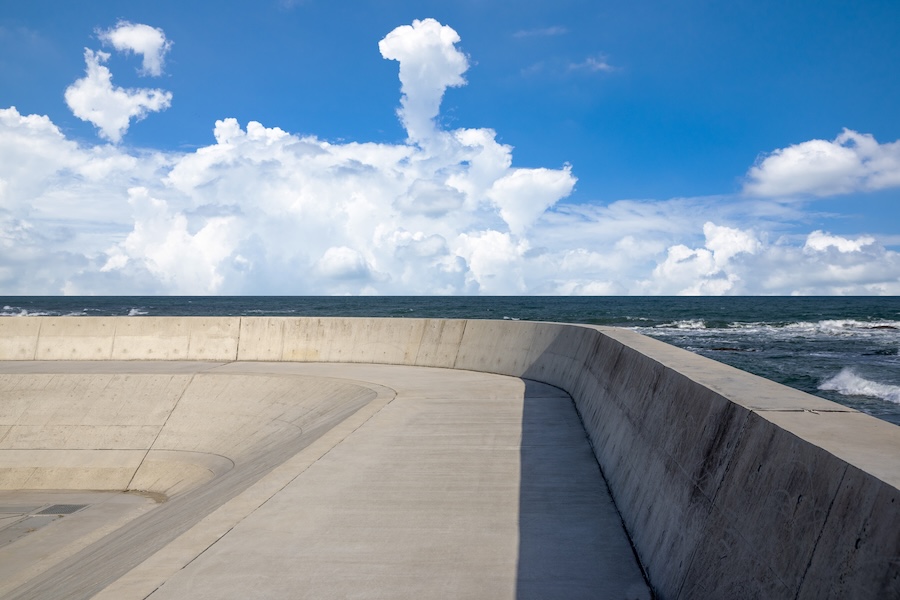
Coastal communities depend on seawalls to protect shorelines, infrastructure, and property from erosion, storm surge, and rising sea levels. These structures operate in one of the most aggressive environments in civil engineering, where saltwater exposure, tidal cycles, and wave action continuously challenge material performance. As failures in aging seawalls become more common, designers and contractors are increasingly reexamining how reinforcement choices affect long-term durability. One of the most important shifts in recent years has been the growing use of non-rusting reinforcement in coastal construction to address the persistent problem of corrosion.
Why Seawall Durability Matters in Coastal Infrastructure
Seawalls serve as primary defense systems against shoreline retreat and flooding in urban and industrial waterfronts. Their performance directly influences public safety, environmental protection, and long-term maintenance budgets. In many coastal regions, seawalls are expected to function reliably for several decades while withstanding continuous exposure to chlorides, moisture, and mechanical loading from waves and debris.
Traditional reinforced concrete seawalls often experience premature deterioration due to corrosion of embedded steel. Once corrosion begins, expansion of rust products creates internal pressure that leads to cracking, spalling, and loss of structural capacity. These issues increase inspection frequency, repair costs, and the likelihood of partial or complete replacement earlier than planned.
Understanding Corrosion in Coastal Reinforced Concrete
Chloride Penetration and Steel Degradation
Saltwater contains high concentrations of chlorides that can penetrate concrete through pores, cracks, and construction joints. When chlorides reach embedded steel reinforcement, they disrupt the protective passive layer that normally forms on steel surfaces. This initiates corrosion even in otherwise well-designed concrete mixes.
As steel corrodes, it expands relative to its original volume. This expansion creates tensile stresses within the surrounding concrete, eventually causing visible cracking and surface delamination. Over time, these defects accelerate further chloride ingress, compounding the deterioration process.
Maintenance Challenges for Marine Structures
Repairing corroded reinforcement in seawalls is complex and costly. Access limitations, tidal cycles, and environmental permitting requirements all increase project difficulty. Many repairs are temporary solutions that slow deterioration but do not eliminate the underlying corrosion mechanisms. These challenges have led engineers to consider materials that remove corrosion risk entirely rather than managing it through coatings or inhibitors.
The Shift Toward Non-Rusting Reinforcement
Material Characteristics That Resist Corrosion
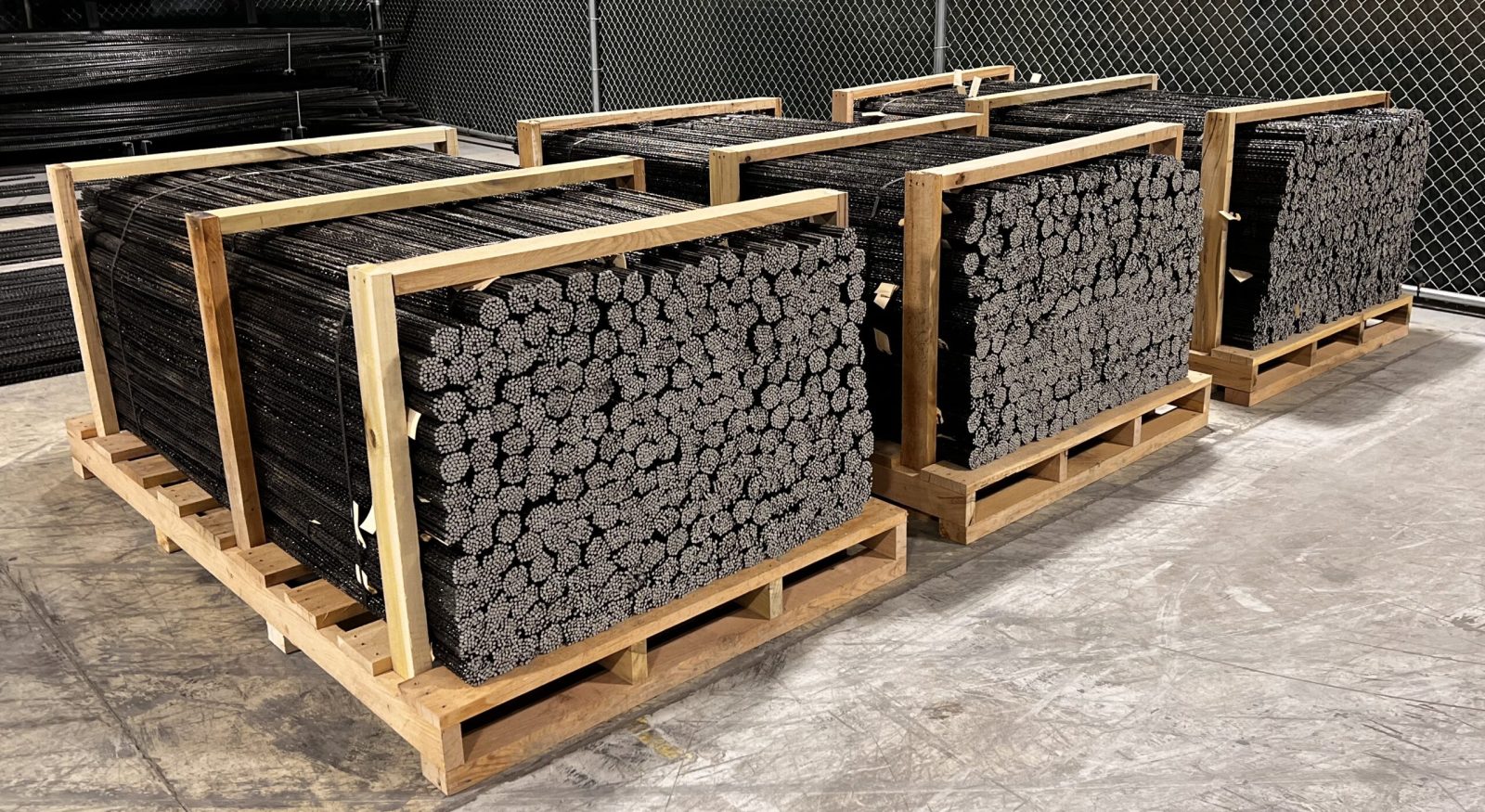
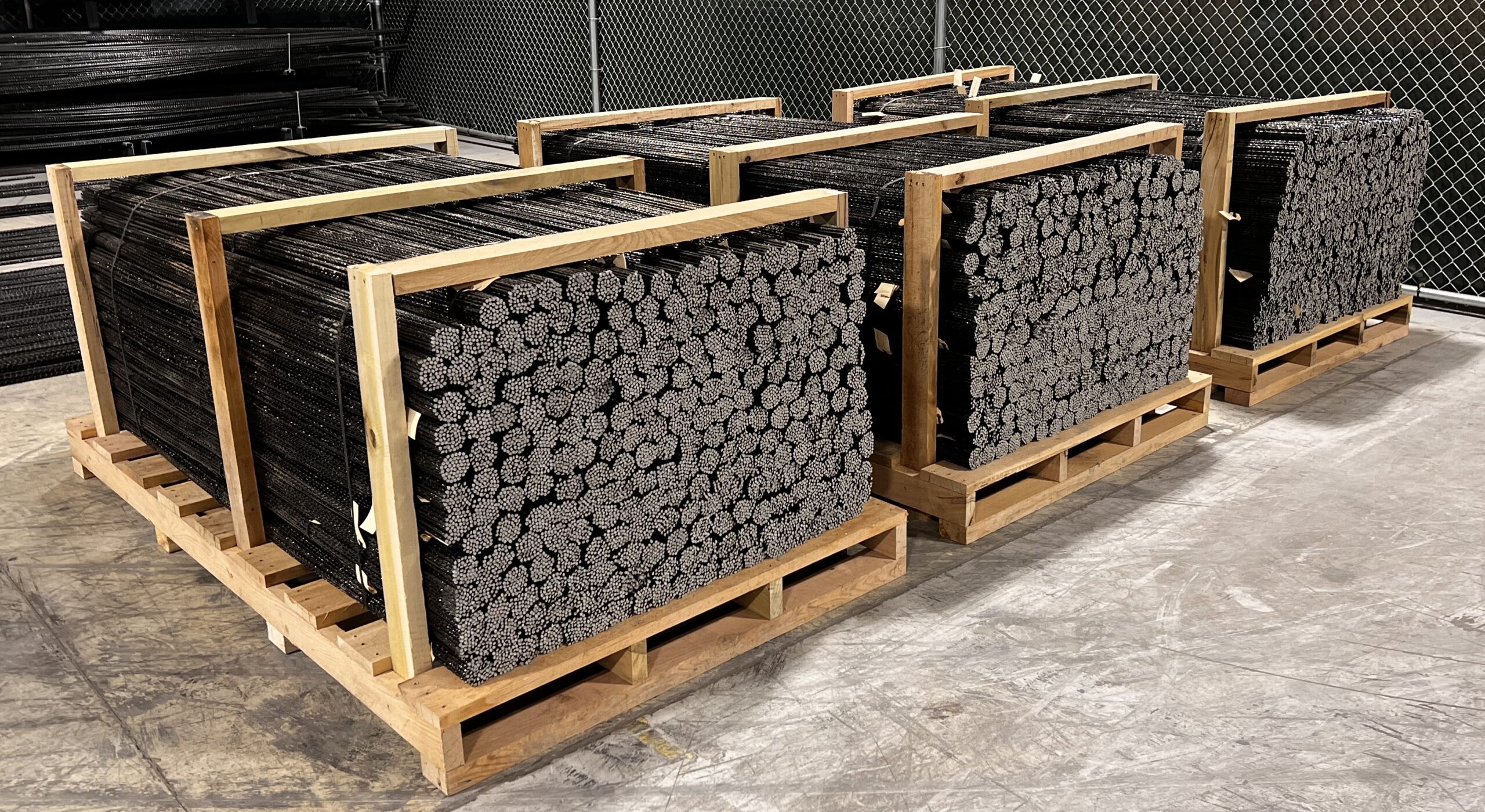
Non-rusting reinforcement materials are inherently immune to electrochemical corrosion because they do not contain iron. These materials maintain their structural integrity when exposed to saltwater, deicing salts, and other aggressive agents commonly found in coastal environments. By eliminating corrosion as a failure mechanism, designers can significantly extend service life expectations for seawalls.
Non-metallic reinforcement is also unaffected by stray electrical currents and does not contribute to galvanic corrosion when used near other materials. These properties are especially valuable in marinas, ports, and urban waterfronts where electrical infrastructure is present.
Performance Benefits in Seawall Applications
Using corrosion-resistant reinforcement allows seawalls to maintain load-carrying capacity without the progressive loss associated with steel corrosion. Crack widths tend to remain more stable over time, and surface spalling is greatly reduced. This results in improved durability and lower long-term inspection and maintenance requirements.
For engineers seeking reinforcement solutions designed specifically for harsh marine exposure, corrosion-resistant reinforcement materials used in coastal concrete structures provide a practical alternative to conventional steel in seawall construction.
Design Considerations for Coastal Reinforcement Selection
Structural Capacity and Serviceability
Modern non-rusting reinforcement materials are engineered to deliver tensile strength suitable for a wide range of structural applications. When designing seawalls, engineers must account for differences in modulus of elasticity compared to steel, as this affects crack control and deflection behavior. These factors are well-documented in current design guidelines for fiber-reinforced polymer systems used in concrete structures.
Serviceability considerations are particularly important in seawalls, where visible cracking can accelerate environmental exposure even if structural capacity remains adequate. Proper detailing and spacing of reinforcement help ensure long-term performance under cyclic loading and temperature variations.
Constructability and Installation
Lightweight reinforcement materials can simplify handling and placement during seawall construction. Reduced weight improves safety and efficiency, particularly in constrained coastal sites where heavy lifting equipment may be limited. Easier cutting and shaping can also reduce installation time and labor costs.
These constructability benefits are especially valuable in rehabilitation projects, where access constraints often dictate construction methods. Faster installation helps minimize disruptions to surrounding infrastructure and coastal activities.
Environmental and Lifecycle Advantages
Extending Service Life in Marine Conditions
Seawalls reinforced with non-rusting materials are better suited for long design lives in aggressive coastal environments. By eliminating corrosion-related deterioration, these structures can achieve service life targets that are difficult to reach with traditional steel reinforcement. Longer service life reduces the frequency of major repairs and the associated environmental impacts of construction activities.
Lifecycle assessments consistently show that reducing maintenance and replacement cycles improves overall sustainability in coastal infrastructure. This aligns with broader efforts to build resilient shoreline protection systems capable of adapting to climate-driven challenges.
Reducing Long-Term Costs
Although initial material costs may differ from conventional reinforcement, lifecycle cost analyses often favor corrosion-resistant solutions in marine applications. Savings from reduced repairs, fewer closures, and extended replacement intervals can outweigh higher upfront investments. Owners benefit from predictable performance and lower risk of unexpected failures.
Applications Beyond Seawalls
While seawalls are a primary use case, non-rusting reinforcement is also increasingly applied in bulkheads, quay walls, marine foundations, and waterfront retaining structures. Any reinforced concrete element exposed to saltwater or tidal influence can benefit from corrosion immunity.
Designers working on shoreline protection systems often integrate multiple coastal elements into a single project. Using consistent reinforcement strategies across these components simplifies maintenance planning and enhances overall system reliability.
Looking Ahead in Coastal Engineering
As coastal communities invest in resilience and adaptation, material selection will continue to play a critical role in infrastructure performance. Advances in non-rusting reinforcement technology provide engineers with tools to design seawalls that better withstand environmental exposure while controlling long-term costs.
Projects focused on durability, sustainability, and reduced maintenance increasingly rely on marine-grade reinforcement solutions for seawall construction that address corrosion at its source rather than managing its consequences.
By prioritizing materials that perform reliably in harsh coastal environments, engineers and owners can deliver seawalls that protect shorelines and communities for generations to come.
Why is corrosion-resistant reinforcement important for seawalls?
It prevents steel corrosion, extending service life and reducing costly repairs in coastal environments.
What are the benefits of using non-rusting materials in seawall construction?
They maintain structural capacity, reduce cracking and spalling, and lower long-term maintenance needs.
