




Why Multi Angle Pile Driving is Becoming Essential for Modern Marine and Bridge Projects
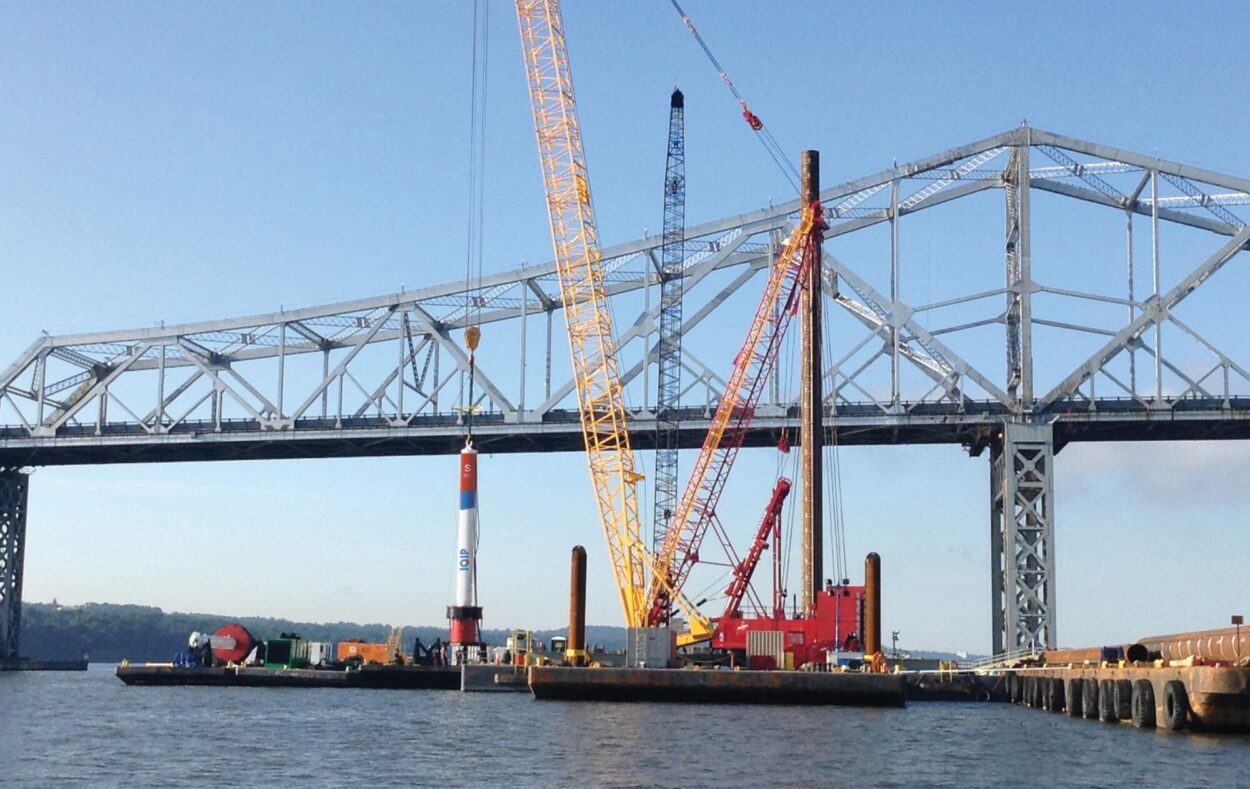
Pile foundations support some of the most demanding structures in civil and marine construction, from coastal piers and quay walls to long-span bridges and offshore platforms. These projects are built in environments where surface soils are weak, water levels fluctuate, and lateral forces are constant. While vertical piles remain the most common solution, modern designs increasingly rely on piles installed at specific angles to improve stability and load resistance. Multi angle pile driving has become essential because it gives engineers and contractors the flexibility to meet structural, geotechnical, and environmental challenges without compromising precision.
Marine and bridge foundations must resist more than just gravity loads. They are subjected to currents, waves, wind, vessel impact, thermal movement, and seismic forces. These loads act horizontally and diagonally, placing bending and shear stresses on vertical foundation elements. By installing piles at a controlled angle, a portion of these forces can be transferred as axial compression or tension within the pile, greatly increasing the foundation’s ability to resist movement. This approach allows modern structures to perform safely under conditions that would overwhelm a vertical pile system alone.
Introduction to Angled Pile Foundations
Driven piles transfer structural loads into deeper, stronger soil layers or rock where bearing capacity is significantly higher. In marine and riverine environments, surface soils often consist of soft clays, silts, or loose sands that cannot support heavy structures. Piles are driven through these layers to reach competent strata that provide the necessary resistance. When piles are installed at an angle, commonly referred to as raked or battered piles, they can resist both vertical and lateral forces simultaneously.
Angled piles are widely used in bridge abutments, pier foundations, dolphins, mooring structures, and offshore platforms. They are especially valuable where horizontal loads from wind, traffic, current, or waves are significant. Instead of relying on bending resistance alone, the inclined geometry allows part of the horizontal force to be carried as axial load along the length of the pile. This improves structural efficiency and reduces long-term deformation.
Why Angled Installation Matters for Modern Projects
Today’s infrastructure projects are built in increasingly constrained environments. Space limitations, environmental regulations, and complex site conditions often prevent traditional foundation layouts. Multi angle pile driving allows engineers to design foundations that work around obstacles, adapt to soil variability, and meet performance requirements without expanding the footprint of the structure.
In marine projects, piles may need to be driven beneath existing docks, alongside quay walls, or through layered seabed materials. Vertical access may be restricted by overhead structures or vessel traffic. The ability to install piles at precise angles allows contractors to reach target locations while maintaining structural integrity. In bridge construction, raked piles are often used to counteract lateral loads from traffic braking, thermal expansion, and river flow. Without angled installations, these forces would concentrate at the pile head, increasing the risk of cracking or displacement.
Load Resistance and Structural Benefits
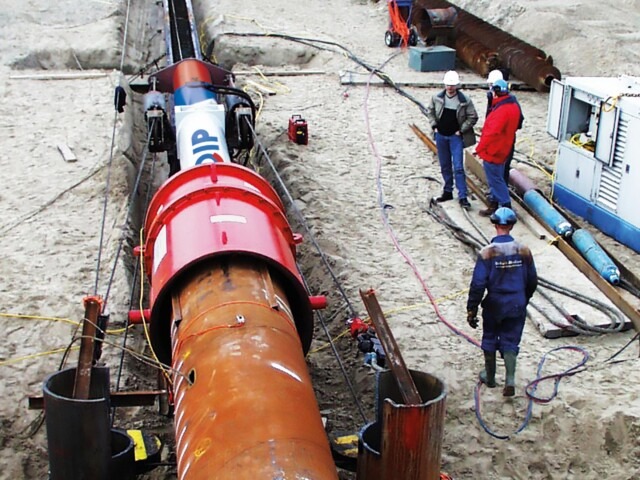
One of the most important advantages of multi angle pile driving is its effect on load distribution. Vertical piles primarily resist axial loads and rely on bending stiffness to counteract horizontal forces. As lateral loads increase, bending stresses rise, which can lead to excessive deflection or long-term fatigue. Angled piles convert a portion of these lateral forces into axial compression or tension, which is the most efficient way for a pile to carry load.
When used in groups, raked piles work together to form a stable foundation system that resists movement in multiple directions. This is particularly valuable for marine structures exposed to changing water levels and current directions. By sharing loads between vertical and angled elements, the foundation becomes more resilient and better able to accommodate dynamic forces without overstressing individual piles.
Technological Advancements Supporting Multi Angle Installation
Modern pile driving equipment has evolved to support precise angled installations without sacrificing performance. Adjustable leads, articulated frames, and advanced guidance systems allow piles to be positioned at nearly any angle while maintaining alignment during driving. These systems use hydraulic controls and real-time monitoring to ensure the pile follows the intended path from start to finish.
Precision alignment is critical in angled driving. Even small deviations can change load paths and reduce structural capacity. Advanced guidance systems help maintain tolerances by monitoring position, depth, and orientation throughout the installation process. This improves accuracy, reduces the risk of re-drives, and shortens installation time. Contractors increasingly rely on modern pile driving systems that integrate energy control, alignment tools, and monitoring technology to handle the demands of complex foundation work.
Environmental and Regulatory Considerations
Marine and urban construction sites are often subject to strict noise and vibration limits. Pile driving generates energy that can travel through water and soil, potentially affecting nearby structures and marine life. Multi angle pile driving helps reduce environmental impact by improving efficiency and minimizing the number of corrective blows needed to achieve design depth.
When piles are accurately aligned and driven along the correct path, fewer adjustments are required, and overall installation time is reduced. This helps limit noise exposure and vibration levels while still meeting structural requirements. Advanced monitoring tools also allow contractors to document compliance with environmental standards and adjust driving parameters when necessary.
Real World Applications in Marine and Bridge Projects
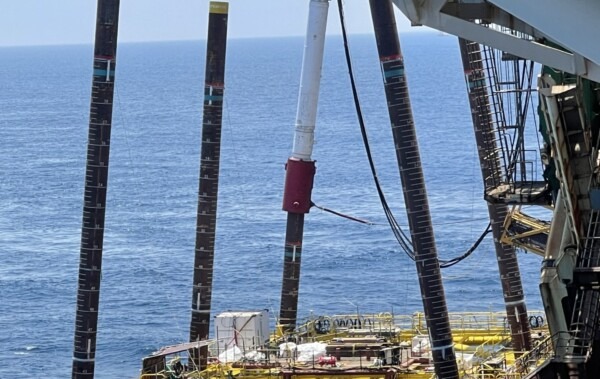
Angled pile foundations are used in a wide range of applications. Bridge piers spanning rivers and estuaries rely on raked piles to resist current forces and traffic loads. Marine fender systems and mooring dolphins use inclined piles to absorb vessel impact and prevent excessive movement. Offshore structures depend on angled piles to stabilize platforms against waves and wind.
These applications demonstrate how multi angle pile driving supports both structural performance and construction flexibility. The ability to install piles at controlled orientations allows engineers to design foundations that respond to site-specific challenges while maintaining safety and durability.
Future Trends in Deep Foundation Installation
As projects move into deeper water and more challenging soil conditions, the demand for adaptable foundation systems will continue to grow. Digital monitoring, real-time feedback, and advanced guidance tools will play a larger role in ensuring installation accuracy. Multi angle pile driving will remain a key strategy for managing lateral loads, limited access, and environmental constraints.
The future of foundation construction lies in adaptability. Techniques that allow controlled orientation and precise energy delivery will become standard practice on complex sites. Contractors who adopt flexible pile installation techniques will be better equipped to meet the demands of modern marine and bridge projects.
Why are angled (raked) piles used instead of vertical piles in marine and bridge foundations?
They convert lateral forces into axial loads, reducing bending stress and improving long-term stability.
How do modern systems ensure precise multi angle pile installation?
Adjustable leads, alignment frames, and real-time monitoring maintain accurate orientation and load distribution.
